▲ © 전국경제인연합회 |
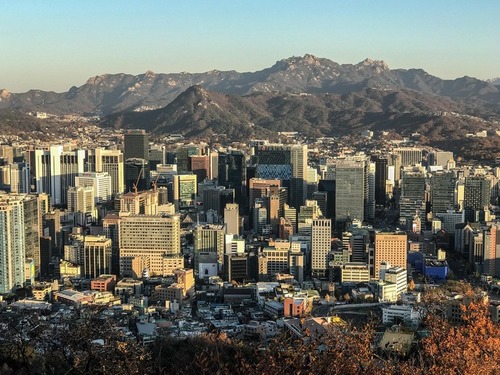
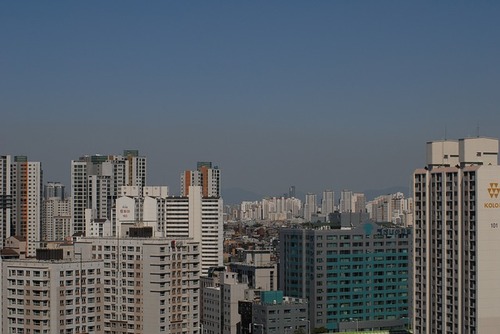
브레이크뉴스 문홍철 기자= 최근 5년간 글로벌 도시경쟁력을 비교한 주요 지수에서 서울시의 도시 경쟁력이 하락하고 있으며, 기업환경을 비롯해 미래 성장잠재력을 보여주는 글로벌 CEO와 고급인재 시점에서도 순위가 큰 폭으로 하락한 것으로 나타났다.
10일 전국경제인연합회에 따르면 글로벌 컨설팅기업 AT 커니의 경제․기업활동 관련 ‘글로벌 도시 보고서(Global Cities Report)’와 일본 모리기념재단의 ‘세계 도시 종합경쟁력 랭킹(Global Power City Index, GPCI)’을 각각 분석한 결과, 2015년부터 2020년까지 서울의 도시경쟁력이 기업활동과 기업환경 등 경제이슈로 인해 지속 하락하는 것으로 조사됐다.
반면, 중국의 베이징과 상하이를 비롯해 기업하기 좋은 환경으로 인정받은 아일랜드의 더블린, 성장 잠재력 측면에서 캐나다의 토론토 등은 순위가 약진한 것으로 나타났다.
먼저, 미국계 글로벌 컨설팅기업 AT커니가 전 세계 150개 도시를 대상으로 분석한 ‘2020 글로벌 도시 보고서’에 의하면 2015년 이후 서울시의 현재 도시경쟁력을 보여주는 글로벌 도시지수(Global Cities Index)와 미래 잠재력을 상징하는 글로벌 도시전망(Global Cities Outlook) 순위는 모두 하락했다.
서울시는 기업활동과 인적자본 등 현재의 도시 경쟁력 수준을 평가한 글로벌 도시지수(GCI)에서 2015년 11위에서 2020년 17위로 6계단 하락해 상위 30개 도시 중 최근 하락폭이 가장 큰 것으로 나타난 반면, 미국의 샌프란시스코, 중국의 상하이와 베이징 등은 순위가 크게 상승한 것으로 나타났다.
이어 기업하기 좋은 환경과 행정 역량, 민간투자 유치 등 미래 성장 잠재력을 평가한 글로벌 도시전망(GCO) 순위에서는 2015년 12위에서 2020년 42위로 30계단 하락했다. 민간 개방 등 인프라 개선 및 해외직접투자 유치 확대로 경제부문 1위를 차지하며 41계단 순위가 상승한 UAE의 아부다비와 대조를 이뤘다.
아울러 일본 모리기념재단의 도시전략연구소가 세계 주요도시 40여개를 대상으로 경제, R&D, 문화․교류, 주거, 환경, 교통․접근성 등 6개 분야 26개 지표를 평가해 순위를 매긴 세계 도시 종합경쟁력 순위(GPCI)의 경우, 서울시는 2015년 1089점으로 6위에서 2020년 1163점으로 8위에 올라, 2계단 하락했다.
도시환경과 문화 등의 순위가 큰 폭으로 상승했음에도 불구하고 종합순위가 하락한 이유로는 GDP 성장률, 임금수준, 인재확보 용이성 및 법인세율 등 13개 지표로 이뤄진 경제 부문에서 서울시의 순위가 2015년 8위에서 2020년 20위로 대폭 하락한 것에 기인했다.
보고서에 따르면 2019년 경제부문 11위로 첫 진입한 더블린은 이웃한 런던이 브렉시트로 흔들리는 가운데, 타 도시에 비해 낮은 법인세율로 활발하게 다국적기업을 유치한 결과 2020년 7위로 4계단 상승한 것으로 분석했다.
2020년 세계 도시 종합경쟁력 지수(GPCI) 보고서는 경영자, 고급인재, 관광객과 거주자 등 4개 부문 행위자들이 평가한 도시의 경쟁력 순위도 발표했다. 서울시는 글로벌 경영자와 고급인재가 평가한 순위가 2015년 각각 9위, 10위였으나, 2020년에는 각각 28위, 29위로 크게 하락한 것으로 나타났다.
경영자들에게 높은 평가를 받은 도시의 경우, 스타트업 수(런던), 기업하기 좋은 환경과 시장 규모(뉴욕), 경제자유도(싱가포르) 측면에서 우수한 것으로 조사됐으며, 고급인재가 평가한 순위가 급상승한 마드리드와 바르셀로나의 경우 각각 유연한 근로방식과 스타트업 수 측면에서 높은 평가를 받았다.
김봉만 전경련 국제협력실장은 “서울은 주요 지표에서 10위권에 드는 등 글로벌 도시로서의 위상을 입증했다”면서도 “최근 3년간 외국인 투자가 지속적으로 감소하고 있는 상황에서, 경제활동 측면의 향후 글로벌 도시로서 경쟁력 저하로 이어질까 우려된다”고 말했다.
이어 “서울이 기업과 투자자, 우수 인재 유치를 위한 글로벌 경쟁에서 뒤처지지 않기 위해 투자ㆍ경영ㆍ창업환경 개선 및 수도권 규제혁신 등 새로운 모멘텀 마련이 필요하다”며 “법인세를 파격적으로 낮춘 아일랜드의 더블린, AI 스타트업 성지로 부상한 토론토 등 순위가 상승한 도시들을 살펴볼 필요가 있다”고 덧붙였다.
아래는 위의 글을 구글번역이 번역한 영문의 <전문>이다. [Below is an English <Full text> translated by Google Translate.]
Seoul, global city competitiveness plunge.. economic issues need to be resolved
-Reporter Moon Hong-cheol
In a major index comparing global urban competitiveness over the past five years, the city's competitiveness in Seoul has been declining, and the rankings have declined significantly from the perspective of global CEOs and high-end talents, which show future growth potential, including the business environment.
According to the National Federation of Entrepreneurs on the 10th, the'Global Cities Report' related to economic and business activities of the global consulting company AT Kerney and the'Global Power City Index (GPCI)' of the Mori Memorial Foundation in Japan were presented. As a result of each analysis, it was found that Seoul's urban competitiveness from 2015 to 2020 continued to decline due to economic issues such as business activities and business environment.
On the other hand, China's Beijing and Shanghai, Ireland's Dublin, which has been recognized as a good business environment, and Canada's Toronto in terms of growth potential, are showing the advanced rankings.
First, according to the '2020 Global Cities Report', which was analyzed by AT Kerney, an American global consulting company, for 150 cities around the world, it symbolizes the Global Cities Index, which shows Seoul's current urban competitiveness since 2015, and its future potential. Global Cities Outlook rankings all declined.
In the Global City Index (GCI), which evaluates the current level of urban competitiveness, such as business activities and human capital, Seoul fell six places from 11th in 2015 to 17th in 2020, showing the largest recent decline among the top 30 cities. San Francisco of China, Shanghai and Beijing of China, etc. showed a significant rise in rankings.
In the Global City Outlook (GCO) ranking, which evaluated the future growth potential, such as a business-friendly environment, administrative capabilities, and private investment attraction, it fell 30 places from 12th in 2015 to 42nd in 2020. It contrasted with the UAE's Abu Dhabi, which ranked first in the economy by improving infrastructure such as private opening and expanding overseas direct investment, and rising 41 ranks.
In addition, Japan's Mori Memorial Foundation's Urban Strategy Research Institute ranks and ranks 26 indicators in six areas, including economy, R&D, culture and exchange, housing, environment, transportation and accessibility, targeting 40 major cities around the world. In the case of the ranking (GPCI), the city of Seoul rose from 6th place with 1089 points in 2015 to 1163 points in 2020, falling 2 places.
Despite the sharp rise in the rankings of urban environment and culture, the overall ranking declined was the ranking of Seoul from 8th in 2015 in the economic sector consisting of 13 indicators such as GDP growth rate, wage level, ease of recruitment and corporate tax rate. It was attributed to the sharp drop to the 20th place in 2020.
According to the report, Dublin, which first entered the 11th place in the economic sector in 2019, rose four places to 7th place in 2020 as a result of actively attracting multinational companies at a lower corporate tax rate compared to other cities while neighboring London was shaken by Brexit.
The 2020 Global Cities Competitiveness Index (GPCI) report also published a city's competitiveness rankings evaluated by actors in four sectors: managers, high-end talent, tourists and residents. In the city of Seoul, the rankings evaluated by global managers and high-end talent were 9th and 10th respectively in 2015, but in 2020, it was found to have fallen significantly to 28th and 29th, respectively.
In the case of cities that were highly evaluated by managers, it was surveyed to be excellent in terms of the number of startups (London), a good environment for business and market size (New York), and economic freedom (Singapore). In the case of Madrid and Barcelona, respectively, they received high praise for their flexible working methods and number of startups.
Kim Bong-man, head of the FKI's International Cooperation Office, said, "Seoul has proved its status as a global city, ranking in the top 10 in major indicators." I am concerned that it will lead to a deterioration.”
“In order to keep Seoul from falling behind in the global competition to attract companies, investors, and excellent talent, it is necessary to prepare new momentum such as improvement of investment, management, and establishment environment and regulatory innovation in the metropolitan area.” It is necessary to look at cities that have risen in the rankings, such as Toronto, which has emerged as a sacred place for AI startups.”