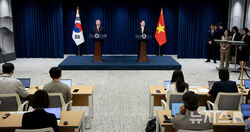
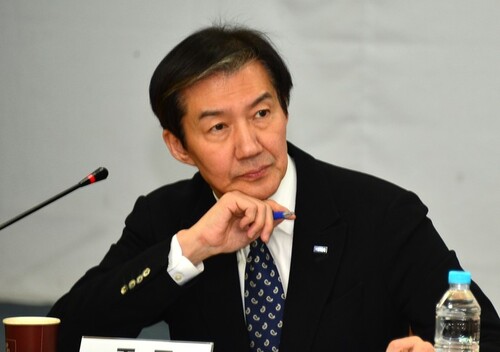
▲ ‘경남형 학교복합화 모델 개발 연구’ 용역 결과 보고회 모습 |
[브레이크뉴스=이성용기자] 2031년 경남의 초등학교 학령인구는 12만 명대로, 2021년 19만명보다 36%가량 감소할 것으로 추정된다. 지난해 경남의 전교생 60명 이하의 소규모 초등학교는 전국 5번째로 많았다. 앞으로 학교의 유휴공간과 교육자원의 활용 문제가 중요해졌다는 의미다.
경남도교육청은 이처럼 경남의 지역적 특성과 학령인구 감소에 대응하고, 교육 인프라에 기반한 학교(시설) 복합화 모델 개발의 필요성을 인식하고, 지난해 연구용역을 추진했다. 경남의 지역, 학교, 교육 특성을 다각적으로 분석하여 지역수요와 미래사회에 대응하기 위해서다.
경남교육청은 18일 오후 본청 공감홀에서 2021~2022년 그린스마트미래학교 대상교 관계자 등 50여 명을 대상으로 ‘경남형 학교복합화 모델 개발 연구’ 용역 결과 보고회를 열었다.
학교(시설) 복합화란 근린생활권의 중심이 되는 학교에 문화복지시설을 복합적으로 설치하여 학생과 지역주민이 공유하고, 폐쇄된 학교공간을 지역생활의 중심공간으로 활용하여 학교가 지역공동체 형성에 중추적 역할을 수행하는데 있다. 즉 학교부지나 건물에 문화센터, 스포츠센터, 도서관 등의 공간을 마련해 예산투자의 효율성을 확보하고, 교육시설의 효율적 이용을 도모하는 것이다.
기존 학교복합화 사업은 주로 수도권에 집중되어 왔으며, 그 종류도 한정적.물리적 활용에 그쳤다. 지역과 학교의 지속가능성 확보를 위한 복합화 상생 전략은 미미한 상태였다.
경남교육청은 이번 연구용역 결과를 학교, 지자체와 공유하고, 그린스마트 미래학교 사업추진에 적용할 계획이다.
권상태 미래학교추진단장은 “경남형 학교복합화 모델은 시설을 공유하는 단편적 접근에서 벗어나 지역 특성과 교육자원을 반영한 종합적 관점의 모델을 제시함에 큰 의의가 있다.”고 말했다.
아래는 위 기사를 '구글 번역'으로 번역한 영문 기사의 [전문]입니다. '구글번역'은 이해도를 높이기를 위해 노력하고 있습니다. 영문 번역에 오류가 있을 수 있음을 전제로 합니다.
<*The following is [the full text] of the English article translated by 'Google Translate'. 'Google Translate' is working hard to improve understanding. It is assumed that there may be errors in the English translation.>
Gyeongnam Office of Education develops a school complex model that coexists with the local community
Applied to Green Smart Future School
[Break News = Reporter Lee Seong-yong] Gyeongnam's elementary school-age population in 2031 is estimated to be 120,000, a decrease of 36% from 190,000 in 2021. Last year, Gyeongnam had the fifth largest number of small elementary schools with less than 60 students. This means that the problem of using idle spaces and educational resources in schools will become more important in the future.
Gyeongnam Provincial Office of Education, in response to the regional characteristics of Gyeongnam and the decrease in the school-age population, recognized the need to develop a school (facility) complex model based on educational infrastructure, and promoted research services last year. This is to respond to local demand and future society by analyzing the characteristics of Gyeongnam region, school, and education from various angles.
On the afternoon of the 18th, the Gyeongnam Office of Education held a report on the service results of the ‘Gyeongnam-type school complex model development study’ for 50 people, including officials from the 2021-2022 Green Smart Future School, at the Gonggong Hall of the main office.
School (facility) complexation is a complex installation of cultural welfare facilities in schools that are the center of the neighborhood living area to be shared by students and local residents, and the school plays a pivotal role in forming a local community by using the closed school space as a central space for local life. is to perform In other words, it is to secure the efficiency of budget investment and promote the efficient use of educational facilities by providing spaces such as cultural centers, sports centers, and libraries on school grounds or buildings.
Existing school complex projects have been mainly concentrated in the metropolitan area, and their types were limited and physically utilized. The complex and win-win strategy to secure the sustainability of the region and school was insignificant.
Gyeongnam Office of Education plans to share the results of this research service with schools and local governments and apply them to the green smart future school project.
Kwon Sang-tae, head of the Future School Promotion Team, said, “The Gyeongnam-type school complex model is of great significance in providing a comprehensive model that reflects regional characteristics and educational resources, away from a fragmentary approach to sharing facilities.”
원본 기사 보기:브레이크뉴스경남