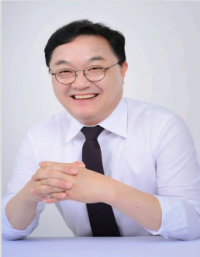
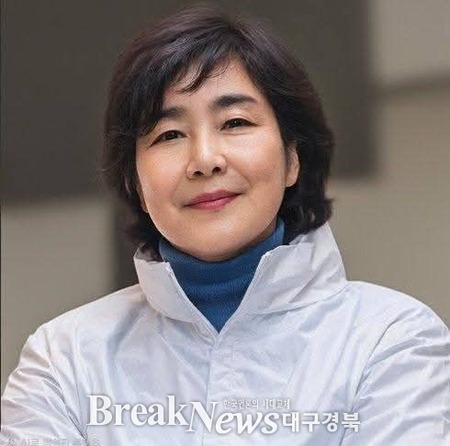
▲언론인 김경훈 씨(사진)가 “성공하는 대통령을 위한 편집국장의 비망록”이란 저서를 출간(도서출판 자유문고)했다. ©브레이크뉴스 |
언론인 김경훈 씨가 “성공하는 대통령을 위한 편집국장의 비망록”이란 저서를 출간(도서출판 자유문고)했다.
출판사측은 “역사를 돌이켜보는 것은 그것에서 교훈을 얻기 위해서이다. 천 년, 2천 년 전의 역사에서도 배울 게 있다. 하물며 우리 사회에 현재 진행형으로 영향을 끼치고 있는 전날의 일들을 돌이켜보는 것의 중요성은 말할 나위가 없을 것이다. 이 책은 저자가 언론사 편집국장으로 재직하면서 이명박 정부와 박근혜 정부를 톺아보며 발표한 칼럼을 모아 엮은 것으로 사회, 경제, 정치, 문화 등의 주요 이슈를 날카롭게 성찰하고 있다. 이 시기, 우리 사회에 어떤 일들이 있었고 그 맥락은 무엇이며 그 속에서 무엇을 배워야 하는지, 우리 사회가 한 발 더 앞으로 나아가기 위해서는 무엇을 어떻게 해야 하는지, 다시 새겨보는 계기가 되어줄 것”이라고 소개하고 “이 책은 저자가 꼽은 99편의 ‘이슈 픽’을 주제에 따라 크게 사회, 인물, 경제, 정치의 네 분야로 나누어 재편집하고, 현재의 시점에 맞춰 약간의 수정을 가한 것이다. 제1부에서는 세월호 사건을 비롯하여 디지털 치매, 사회 갈등, 한류에 이르기까지 각종 사회현상에 대한 분석을 통해 우리 사회가 나아가야 할 방향을 성찰하고 있다. 제2부에서는 짐 로저스, 류수노, 손정의, 이재용, 고산 등 각계각층 다양한 인물들의 철학을 통해 우리나라 경제 파이를 키울 수 있는 전망을 모색하고 있다. 제3부에서는 삼성전자나 현대자동차 등의 대기업은 물론이고 전통시장 강소상인에 이르기까지 우리 경제가 당면하고 풀어가야 할 여러 경제 문제들과 현상을 진단하고 있다. 제4부에서는 이 시기 논란이 되었던 국회의원 특권 문제를 비롯하여 노크귀순, 공천 문제, 대통령에게 드리는 고언 등 주로 정치 이슈에 얽힌 이야기를 통해 우리 사회의 품격과 국격을 논한다. 이런 일련의 사건들은 먼 옛일 같지만 절대 그렇지 않다. 당시의 사건과 정책들은 지금도 여전히 영향을 끼치고 있기 때문이다. 4대강이 그렇고, 원전이 그렇다. 정치권의 이전투구와 염치없음이 그렇고, 사회지도층의 부도덕성이 그렇다. 사회 양극화가 그렇고, 중산층의 몰락이 그렇다. 갈수록 치열해지는 경제 상황이 그렇고, 점차 격렬해지는 국제질서의 재편 상황이 그렇다. 법고창신(法古昌新)이 필요한 이유이다. 각각의 상황과 교훈에 맞는 다양한 사자성어의 활용은 이 책의 특징인데, 이는 책을 읽는 쏠쏠한, 또 다른 재밋거리로 다가온다”고 알렸다.
이어 “우리 사회에서 대통령의 중요성은 아무리 강조해도 지나치지 않다. 대통령의 관심, 철학 등에 따라 국정 전반의 방향과 정책이 결정되기 때문이다. 따라서 대통령의 결정은 국민 생활에, 국가 경제에, 국가 안보에 심대한 영향을 끼칠 수밖에 없고, 당연히 그의 일거수일투족은 관심의 대상이다. 결국 대통령의 성공은 개인의 성공일 뿐만 아니라 국가와 국민의 성공이고, 대통령의 실패와 불행은 우리 모두의 실패이자 불행이다. 대통령을 위해서가 아니라 국가와 국민을 위해서 성공하는 대통령이 나와야 한다”면서 “이런 문제의식을 담고 있는 이 책은 성공하는 대통령, 품격 있는 대통령을 위한 비망록이다. 저자의 시선은 일관된다. 국부창출과 부민강국이 첫째이고, 시대통섭과 공칠과삼이 두 번째이다. 따라서 이념은 그의 관심 사항이 아니다. 그리고 그는 대통령의 시선도 여기에 방점을 두어야 한다고 본다. 어느 것도 국민의 행복보다 우선일 수 없기 때문이다. 이 책이 여기에 일조할 수 있기를 기대한다”고 덧붙였다.
 ▲ 김경훈 씨 저서의 표지. ©브레이크뉴스 |
저자 김경훈(金敬勳)씨 소개
1962년 서울시 성북구 정릉동에서 나고 자랐고 살고 있다. 정릉을 품은 북한산 보현봉 기슭의 청덕초등학교와 고대부속중학교 그리고 서라벌고교와 고려대 농학과를 졸업했다. 한양대 언론정보대학원에서 「가짜뉴스와 사회적 신뢰에 대한 언론인과 독자의 인식 차이에 관한 연구」로 언론학 석사를 받았다. 인터넷신문 CNB뉴스와 시사주간지 문화경제(CNB저널에서 제호 변경) 편집국장과 논설주간을 거쳤고 임원으로 일하고 있다. CNB뉴스와 문화경제를 발행하는 CNB미디어는 국제 학술지에 등재된 최고(最古) 건축문화예술 월간지 SPACE(공간)를 함께 발행하고 있다. 대학 재학 중 고대신문과 교우회보에서 학생기자로 활동했다. 육군 학사장교 중위로 전역한 후 일반기업체와 언론사에서 일했다. 조양상선에서 한중항로 개설 요원으로 참여했으며, 일요시사와 일요서울, 민주신문 등 시사주간지에서는 탐사 보도 데스크와 편집국장을 맡았다. 좌우명은 음수사원(飮水思源), 물 마실 때 우물 판 사람을 기억하고 근원을 늘 귀중하게 여긴다는 의미이다. 고려대 교우회 상임이사와 교우회보 편집위원, 학사장교 동기회 부회장 및 한국식량안보연구재단 협력자문을 맡고 있다.
*아래는 위 기사를 '구글 번역'으로 번역한 영문 기사의 [전문]입니다. '구글번역'은 이해도 높이기를 위해 노력하고 있습니다. 영문 번역에 오류가 있을 수 있음을 전제로 합니다.<*The following is [the full text] of the English article translated by 'Google Translate'. 'Google Translate' is working hard to improve understanding. It is assumed that there may be errors in the English translation.>
Journalist Kyung-Hoon Kim published “Memorandum of Editor-in-Chief for a Successful President”
Discussing the dignity and dignity of our society through stories related to political issues
-Reporter Park Jeong-dae
Journalist Kim Kyung-hoon has published a book titled “Memorandum of the Editor-in-Chief for a Successful President” (Book Publishing Freedom Library). The publisher said, “Looking back on history is to learn lessons from it. There is something to be learned from the history of a thousand or two thousand years ago. It goes without saying how important it is to look back on the events of the past that are currently influencing our society in an ongoing way. This book is a compilation of columns published by the author while he served as the editor-in-chief of a media company while looking at the Lee Myung-bak and Park Geun-hye administrations. At this time, it will be an opportunity to reflect on what happened in our society, what the context is, what we need to learn from it, and what we need to do to move our society one step further.” “This book is a re-editing of the 99 'Issue Picks' selected by the author, divided into four major areas according to themes: society, people, economy, and politics, and slightly modified according to the current point of view. Part 1 reflects on the direction our society should take through analysis of various social phenomena ranging from the Sewol Ferry incident to digital dementia, social conflicts, and the Korean Wave. Part 2 explores the prospects for growing the Korean economy pie through the philosophies of various people from all walks of life, including Jim Rogers, Ryu Suno, Son Jeong-ui, Lee Jae-yong, and Kosan. Part 3 diagnoses various economic problems and phenomena that the Korean economy faces and needs to be solved, from large companies such as Samsung Electronics and Hyundai Motors as well as small and medium-sized merchants in traditional markets. Part 4 discusses the dignity and prestige of our society through stories mainly related to political issues, such as the controversial issue of parliamentary privilege during this period, knock-on, defection, nomination, and advice to the president. This sequence of events may sound like a distant past, but it is by no means the case. The events and policies of that time still have an impact today. The four major rivers are the same, and the nuclear power plant is the same. This is the case with the previous struggles and ignorance of politicians, as well as the immorality of the social leaders. So is social polarization, and so is the decline of the middle class. Such is the case with the increasingly fierce economic situation and the increasingly intense reorganization of the international order. This is the reason why a new law school is needed. The use of a variety of idioms suitable for each situation and lesson is a characteristic of this book, and it comes as another fun thing to read.”
He continued, “The importance of the president in our society cannot be overemphasized. This is because the general direction and policy of state affairs are determined according to the president's interests and philosophy. Therefore, the president's decisions are bound to have a profound impact on people's lives, on the national economy, and on national security, and of course his every move is a subject of interest. After all, the success of the president is not only an individual success, but also the success of the nation and the people, and the failure and misfortune of the president is a failure and misfortune for all of us. A successful president should come out not for the president, but for the country and the people.” He said, “This book, which contains a sense of such a problem, is a memorandum for successful and dignified presidents. The author's point of view is consistent. Creation of national wealth and a prosperous nation are the first, and the consilience of the times and Gongchil and Three are second. Therefore, ideology is not his concern. And he thinks the president's point of view should also be focused on this. Because nothing can take priority over the happiness of the people. We hope that this book can contribute to this.”
About the author Kyunghoon Kim (金敬勳)
Born and raised in Jeongneung-dong, Seongbuk-gu, Seoul in 1962. He embraced Jeongneung and graduated from Cheongdeok Elementary School at the foot of Bukhansan Bohyeonbong Peak, a junior high school affiliated with Korea University, Seorabeol High School, and the Department of Agriculture at Korea University. He received his master's degree in journalism from Hanyang University's Graduate School of Journalism and Information Science in "A Study on the Differences between Journalists and Readers' Perceptions of Fake News and Social Trust". He has served as editor-in-chief of the internet newspaper CNB News and current affairs weekly Cultural Economy (title changed from CNB Journal) and editorial week, and has served as an executive officer. CNB News and CNB Media, which publishes cultural economy, are also publishing SPACE, the oldest monthly architectural culture and art monthly magazine registered in international academic journals. During his college years, he worked as a student reporter for the ancient newspaper and for the Alumni Association. After he was discharged as a lieutenant with a bachelor's officer in the Army, he worked for general corporations and media outlets. He participated in the Korea-China route opening agent on the Chaoyang Merchant Marine, and served as an investigative news desk and editor in chief of the Sunday Sisa, Sunday Seoul, and Minju Shimbun newspapers. The motto is Yinsu Temple (飮水思源), meaning that when drinking water, remember the person who dug the well and always cherish the source. He is a standing director of the Korea University Alumni Association, a member of the editorial board of the Alumni Association, the vice-president of the Bachelor's Officers' Association, and a cooperative advisor to the Korea Food Security Research Foundation.