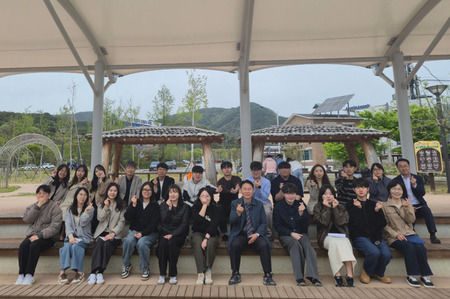
▲ 창녕함안보 전망대에서 녹조 발생 급증에 따른 점검을 하고 있다. 경남도 제공 (C) 이성용 기자 |
[브레이크뉴스=이성용 기자] 경상남도는 낙동강과 남강댐에서 녹조 발생이 급증함에 따라 대응 상황을 점검하고 저감 대책 등을 논의하기 위한 시?군 담당과장 회의를 3일 수자원공사 창녕함안보 사업소 회의실에서 개최했다.
지난 7월 30일부터 8월 2까지 태풍 ‘송다’와 ‘트라세’의 영향으로 내린 도내 평균 약 75mm의 비로 녹조 완화에 도움이 될 것으로 예측되나 현재 낙동강 칠서, 물금?매리 지점에는 여전히 조류경보 “경계” 단계가 남강댐에는 “관심” 단계가 발령 중이다.
향후 낙동강수계인 경상남?북도 전역에 많은 비가 내리지 않을 경우 녹조 발생 상황은 지속될 것으로 전망되는 등 수질관리에 많은 어려움이 예상된다.
특히, 낙동강 지역 대부분의 댐 저수율과 하천 유량이 예년 대비 매우 저조한 수준이어서 수질오염사고 또는 조류 대발생 등 비상상황 발생시 취수중단과 같은 대형 환경재난 사태가 발생할 우려마저 있는 실정이다.
이날 회의는 지난 7월 28일 창원 칠서정수장에서 열린 관계기관, 지역주민, 전문가 합동 회의에서 논의된 내용을 공유하고 보다 구체화하기 위한 것으로 낙동강 수계 15개 시?군 녹조 담당과장과 경남연구원 소속 전문가 등 20여 명이 참석했다.
회의는 수질오염물질 배출시설 특별 점검, 하수처리장 등 환경기초시설 방류수 총인(T-P) 농도 비상저감 조치, 취?정수장 관리 및 운영 강화 등 녹조 발생과 피해 예방을 위해 지자체에서 추진할 수 있는 사항의 실천 방법에 대한 논의가 진행됐다.
수질오염물질 배출시설에 대한 특별 점검은 조류 경보 해제 시까지 녹조 원인물질인 총질소(T-N)와 총인(T-P)을 하천으로 직접 다량 배출하는 공장과 대형 가축분뇨배출업소(재활용신고사업장 포함) 및 개인하수처리시설에 대해 규모별로 최대 매주 1회 집중 반복 점검하고 시?군별 녹조 및 오염 우심지역(하천)을 선정, 환경오염 감시 활동도 매일 1회 이상 집중적으로 실시한다.
하수처리장 방류수는 시설설치 상황 등 하수처리장 별 실정에 따라 평상시 총인(T-P) 배출농도 보다 추가 저감하여 배출해 줄 것을 권고했고, 도에서는 추가 감축에 필요한 약품비 지원 등 환경부에 건의하기로 했다.
원수 및 정수처리된 수돗물에 대한 조류독소와 냄새물질에 대한 모니터링도 강화키로 했으며, 시?군별 검사능력을 고려해 법적 기준보다 1회 이상 검사를 강화하고 그 결과는 시?군 누리집 등을 통해 즉시 공개하기로 했다.
또, 회의 시 시?군으로부터 건의받은 고도정수처리에 필요한 수처리제 중 CO2 수급 문제 해소를 위해 환경부에 중앙정부 차원의 대책 마련을 건의하기로 했다.
한편, 회의에 참석한 전문가는 녹조발생 예방과 저감을 위한 현 시점의 최우선 과제는 가축분뇨(액비)의 적정 처리와 관리 여부에 대한 확인이라고 강조했지만 도에서는 금번 특별점검 내용에 포함하고 민생사법경찰담당 등과 협조 체계를 구축하여 점검하는 등 조치하기로 했다.
아울러, 농경지, 산업단지 등 일정한 배출구 없이 하천으로 유입되는 오염물질을 저감하는 것도 녹조 예방을 위해 꼭 필요하다는 의견도 제안했으며, 도는 저탄소그린산업단지 조성사업 참여, 농업 최적관리기법 도입 확대 등 도정 시책에 반영하겠다고 밝히면서 시?군에서도 적극 동참해 줄 것을 당부했다.
이재기 경상남도 수질관리과장은 “사안의 심각성을 엄중히 인식하고 도와 시?군이 힘을 합쳐 위기 상황을 극복하자”면서 “도민에게 안전한 수돗물을 공급하는 것은 도와 시?군 공직자의 기본적인 책무로 회의 결과를 바탕으로 녹조 저감을 위한 조치와 취?정수장 운영에 최선을 다 해달라”고 말했다.
*아래는 위 기사를 '구글 번역'으로 번역한 영문 기사의 [전문]입니다. '구글번역'은 이해도 높이기를 위해 노력하고 있습니다. 영문 번역에 오류가 있을 수 있음을 전제로 합니다. *The following is [the full text] of the English article translated by 'Google Translate'. 'Google Translate' is working hard to improve understanding. It is assumed that there may be errors in the English translation.
Gyeongnam Province discusses inspection and reduction measures due to the rapid increase in algal blooms
Held an emergency inspection meeting to respond to algal blooms in 15 cities and counties in the Nakdong River system
Gyeongsangnam-do held a meeting with city and county heads of departments in charge of the Water Resources Corporation on the 3rd at the Changnyeong Hambo Security Office to check the response status and discuss mitigation measures as the occurrence of algae in the Nakdong River and Namgang Dam increased rapidly.
From July 30 to August 2, the average rainfall of about 75 mm in the province, which fell under the influence of typhoons 'Songda' and 'Trace', is expected to help alleviate algal blooms. Namgang Dam has been placed at the “warning” level and the “interest” level has been issued.
In the future, if it does not rain heavily throughout the Gyeongsangnam-do and North Gyeongsang Provinces, the Nakdong River system, the occurrence of algal blooms is expected to continue, leading to many difficulties in water quality management.
In particular, most dams in the Nakdong River region have very low water retention rates and flow rates compared to the previous year, so there is a risk of large-scale environmental disasters such as stopping water intake in case of emergency such as water pollution accidents or algae outbreaks.
This meeting was held on July 28 at the Chilseo Water Purification Plant in Changwon to share and make the content discussed at the joint meeting of related organizations, local residents, and experts more concrete. About 20 people attended.
The meeting was held to prevent algal blooms and damage, such as special inspection of water pollutant discharge facilities, emergency reduction measures for total phosphorus (T-P) concentration in effluent from basic environmental facilities such as sewage treatment plants, and strengthening management and operation of water purification plants. discussion took place.
Special inspections on water pollutant discharge facilities include factories that directly discharge large amounts of total nitrogen (T-N) and total phosphorus (T-P), the causative substances of algae, into rivers, large livestock excreta disposal businesses (including recycling reporting plants) and Individual sewage treatment facilities are intensively and repeatedly inspected up to once a week by size, selected algae and polluted areas (streams) by city and county, and environmental pollution monitoring activities are intensively conducted at least once a day.
It was recommended to discharge the effluent from the sewage treatment plant at a lower level than the normal total phosphorus (T-P) emission according to the situation of each sewage treatment plant, such as the installation status of the facility.
It is also decided to strengthen the monitoring of algal toxins and odor substances in raw water and purified tap water. Considering the inspection capacity of each city/gun, the inspection will be strengthened more than once than the legal standard, and the results will be immediately disclosed through the city/gun website, etc. decided to do
In addition, at the meeting, it was decided to propose measures at the central government level to the Ministry of Environment to solve the problem of supply and demand of CO2 among the water treatment agents required for advanced water purification recommended by the city and county.
Meanwhile, the experts who attended the meeting emphasized that the current top priority for preventing and reducing the occurrence of algae is to check the proper treatment and management of livestock manure (liquid manure), but the province included it in this special inspection and added it to the Public Livelihood and Judicial Police It was decided to take measures such as establishing a cooperative system with those in charge and inspecting them.
In addition, they also suggested that reducing pollutants flowing into rivers without specific outlets, such as agricultural land and industrial complexes, is essential for preventing algae. It announced that it would be reflected in the
Lee Jae-gi, head of Gyeongsangnam-do's water quality management department, said, "Let's take the seriousness of the matter seriously and let the provinces and counties work together to overcome the crisis situation." Based on this, I ask you to do your best to take measures to reduce algae and operate a water purification plant.”
원본 기사 보기:브레이크뉴스경남