광주 동학농민혁명 학술대회측은 보도자료에서 “광주지역의 동학농민군이 일본군의 침략에 맞서 서남방어의 중추적 역할을 수행하였다는 주장과 광주·전남의 동학농민혁명이 임란 의병을 계승하였다는 주장이 제기됐다. 이 같은 주장은 지난 10월 21일 광주광역시 광산구청 7층 윤상원홀에서 열린 ‘2022년 광주 동학농민혁명 학술대회’에서 제기됐다”고 밝혔다. 아래는 이 자료의 주요 내용이다.
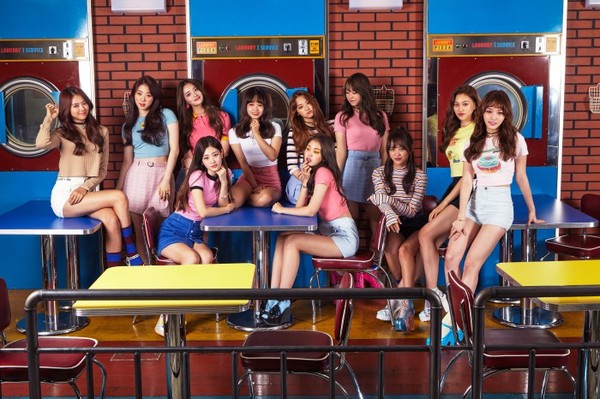
 ▲ 광주 동학농민혁명 학술대회 모습 ©브레이크뉴스 |
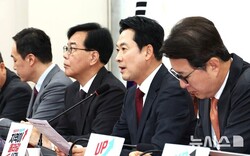
 ▲ 박병규 광산구청장 사진 ©브레이크뉴스 |
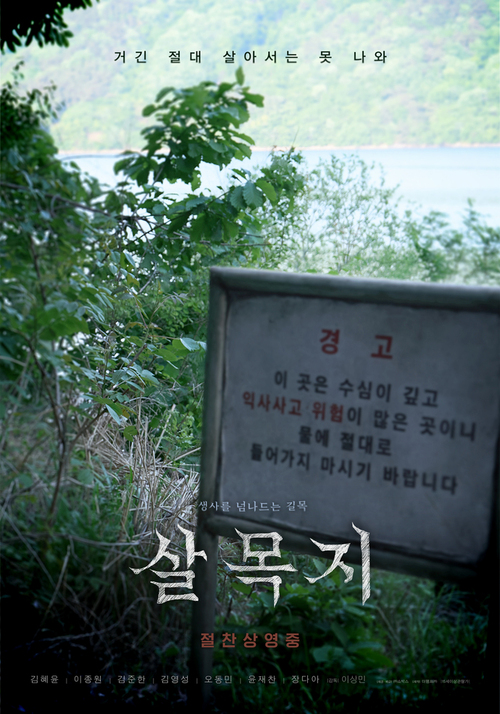
 ▲ 김봉곤 교수 강연 모습 ©브레이크뉴스 |
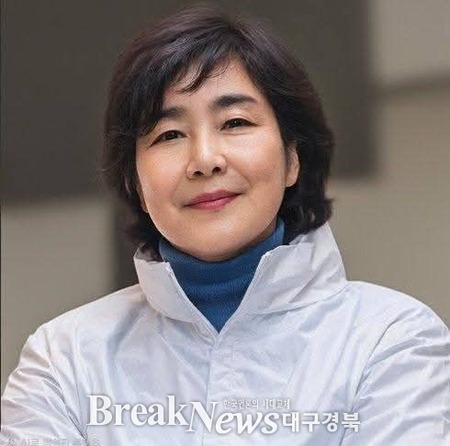
 ▲ 박용규 연구위원 발표하는 모습 ©브레이크뉴스 |
학술대회는 동학농민혁명 광주유족회(회장 강성진)와 동학농민혁명 광주기념사업회(회장 이상식)가 주최하였고, 광주광역시·광산구청·광산구의회가 후원했다. 학술대회에 박병규 광주 광산구청장, 무안 동학농민 기념사업회 박석면 이사장, 전 동학농민혁명 유족회 정남기 회장, 동학농민혁명유족회 김성황 상임고문, 동학농민혁명유족회 주영채 회장, 고경명 선생 기념사업회 고호석 사무처장을 포함하여, 광주·전남 동학농민혁명 참여자의 후손인 부안김씨·나주김씨 유족 분들 등 100여명이 참석했다.
김봉곤 원광대 연구교수는 “1894년 9월에 대접주 손화중에 의해 동학농민군 도회가 광주에서 개최되어 일본군의 침략에 맞서 서남방어의 중추적인 역할을 수행하였다.”고 밝혔다. 이와 관련하여 김 교수는 “광주 동학농민군이 장성·담양·정읍·고창·고부·부안 등 호남 북부지역의 동학농민군과 연합하고, 함평·무안·해남·진도 등의 호남 서남부지역의 동학농민군과 합세하여 나주성을 양면에서 공략하는 연합작전을 감행하였다.”고 주장했다.
박용규 민족문제연구소 연구위원은 “을미의병 참여자와 마찬가지로, 침략자 일본군을 몰아내다가 순국한 2차 동학농민혁명 참여자들에 대해서도 국가보훈처가 독립유공자 포상을 해야 한다.”고 주장했다. 그러면서 박 연구위원은 광주·전남의 동학농민혁명이 임란 의병을 계승하였다는 주장을 폈다. 박 연구위원은 “고경명 의병장의 12대 직계후손인 고광문 3형제가 광주 남구 이장동 출신으로 2차 동학농민혁명에 참여하였다. 임진왜란 때 일본군과 싸우다가 순절한 김충수, 김덕수 의병장의 11대 직계 후손인 김응문 동학농민혁명 지도자 3형제가 2차 동학농민혁명에 참여하였고, 모두 체포되어 효수되었다.”는 사실을 밝혔다.
지난 4월과 5월에 걸쳐 무안에서 동학농민혁명의 지도자였던 김응문·김자문 형제의 머리유골이 128년 만에 세상에 나와 이목을 끌었다. 지정 토론자로는 전남대 정치외교학과 김재기 교수와 광산시민연대 김종후 공동대표가 나섰다. 김재기 교수는 “임란 의병과 동학농민혁명의 관계는 역사적 맥락이 있다.”고 강조했다. 이어서 김재기 교수는 “2차 동학농민혁명 참여자에게 서훈이 이루어진다면, 어떤 기준으로 참여자의 서훈 등급이 정해질 것인지가 궁금하다. 아울러 참여자의 몇 명 정도에게 서훈이 주어지게 되는지가 일반에 알려지기를 바란다.”라고 말했다. 김종후 공동대표는 “앞으로도 계속해서 <나주명록>이 심층 분석되어 광주지역 동학농민혁명 참여자의 실상이 확연히 밝혀지기를 바란다.”고 말했다.
‘Gwangju Donghak Peasant Revolution Academic Conference’ held
Claims that the Donghak Peasant Revolution succeeds the Imran medical service
-Reporter Park Jeong-dae
In a press release from the Gwangju Donghak Peasant Revolution Academic Conference, “the claim that the Donghak Peasant Army in Gwangju played a pivotal role in the defense of the southwest against the Japanese military aggression and the assertion that the Donghak Peasant Revolution in Gwangju and Jeollanam-do succeeded Imran done. This claim was raised at the ‘2022 Gwangju Donghak Peasant Revolution Academic Conference’ held on the 21st of October at Yoon Sang-won Hall on the 7th floor of Gwangsan-gu Office in Gwangju.” Below are the main contents of the paper.
Gwangju Donghak Peasant Revolution Academic Conference
The conference was hosted by the Donghak Peasant Revolution Gwangju Bereaved Association (Chairman Kang Seong-jin) and the Donghak Peasant Revolution Gwangju Memorial Project Association (Chairman Lee Sang-sik), and was sponsored by the Gwangju Metropolitan City, Gwangsan-gu Office, and Gwangsan-gu Council. Gwangju Mayor Park Byeong-gyu, Muan Donghak Peasant Memorial Association Chairman Park Seok-myeon, former Donghak Peasant Revolution Bereaved Association Chairman Jeong Nam-ki, Donghak Peasant Revolution Bereaved Association Senior Advisor Kim Seong-hwang, Donghak Peasant Revolution Bereaved Association Chairman Joo Young-chae, and Koh Kyung-myeong commemorative project secretary general Hoseok Koh included. About 100 people attended, including the bereaved families of the Buan Kim clan and the Naju Kim clan, descendants of the participants in the Donghak Peasant Revolution in Gwangju and Jeollanam-do.
Park Byeong-gyu, Mayor of Gwangsan-gu, giving a congratulatory address
Kim Bong-gon, a research professor at Wonkwang University, said, “In September 1894, the Donghak Peasant Army City Association was held in Gwangju by Sohn Hwa-jung, the hostess, and played a pivotal role in the defense of the southwest against the Japanese aggression.” In this regard, Professor Kim said, “The Gwangju Donghak peasant army united with the Donghak peasant army in northern Honam such as Jangseong, Damyang, Jeongeup, Gochang, Gobu, and Buan, and joined with the Donghak peasant army in the southwestern region of Honam such as Hampyeong, Muan, Haenam and Jindo. Therefore, we carried out a combined operation to attack Naju Fortress from both sides.”
Bong-Gon Kim, Research Professor at Wonkwang University
Park Yong-gyu, a research fellow at the Institute for National Issues, argued, “Like the Eulmi Medical Soldiers, the Ministry of Patriots and Veterans Affairs should reward the independence fighters for the participants of the 2nd Donghak Peasant Revolution who died while driving out the invading Japanese army.” In the meantime, Research Fellow Park argued that the Donghak Peasant Revolution in Gwangju and Jeollanam-do succeeded Imran's military service. Research Fellow Park said, “Three brothers, Go Gwang-moon, who are the 12th direct descendants of Medical Sgt. Go Gyeong-myeong, were from Ijang-dong, Nam-gu, Gwangju, and participated in the 2nd Donghak Peasant Revolution. Kim Chung-soo and Kim Eung-moon, the 11th direct descendant of Kim Deok-soo, who died fighting the Japanese during the Japanese Invasion, took part in the 2nd Donghak Peasant Revolution, and all of them were arrested and served.”
Park Yong-gyu, Research Fellow, National Research Institute
In April and May, the heads of brothers Kim Eung-moon and Kim Ja-mun, who were the leaders of the Donghak Peasant Revolution in Muan, came out to the world after 128 years and drew attention. Chonnam National University's Department of Political Science and International Relations Professor Jae-gi Kim and Gwangsan Citizens' Solidarity Co-CEO Kim Jong-hoo were appointed as the designated debaters. Professor Kim Jae-gi emphasized, “The relationship between the Imran medic and the Donghak Peasant Revolution has a historical context.” Next, Professor Kim Jae-gi said, “If the swearing-in is given to the participants of the 2nd Donghak Peasant Revolution, I am curious as to what criteria the participants’ swearing-in grades will be determined. In addition, I hope that the general public will know how many participants will be given the swearing-in.” Co-CEO Kim Jong-hoo said, "I hope that <Naju Myung-nok> will continue to be analyzed in-depth to reveal the reality of the participants in the Donghak Peasant Revolution in Gwangju."