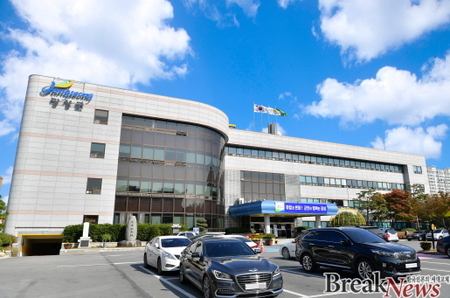
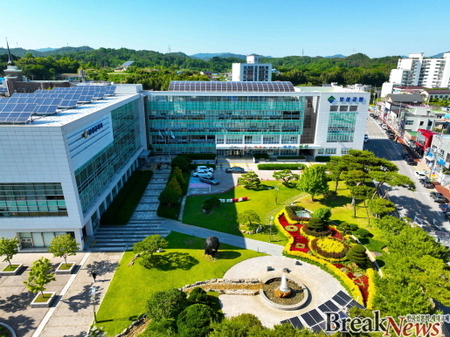
▲ 세종시 보건환경연구원[사진=세종시] (C) 김환일 |
세종지역에서 생산·유통되고 있는 축산물은 비교적 안전한 것으로 조사됐다.
세종시 보건환경연구원이 지난 한 해 동안 지역내 농장, 집유장, 축산물 가공·판매업체를 대상으로 축산물 안정성을 검사한 결과 대부분 ‘적합’판정을 받았다고 4일 밝혔다.
보건환경연구원은 이번 검사에서 동물용의약품, 농약 등 축산물 잔류물질, 미생물, 성분규격 등의 안전성 검사와 한우유전자, 개체 디엔에이(DNA) 동일성 등 쇠고기 이력 검사를 추진했다.
축산물 검사는 ▲원유(原乳), 식용란, 식육 중 잔류물질검사 505건 ▲ 식용란 살모넬라 검사 71건 ▲식육 중 미생물검사 100건 ▲가공품 규격 및 성분검사 264건 ▲공공급식 식재료 검사 249건 ▲로컬푸드 직매장 축산물검사 170건 ▲쇠고기 이력검사 98건 등 총 2만 1,725건을 실시했다.
또, 코로나19로 축산물 구매방법이 택배, 업체배송 등 비대면 거래가 증가하면서 온라인 수거검사를 강화하고 가정간편식, 유제품 검사를 30건 실시했다.
검사 결과 모두 적합 판정을 받았지만, 쇠고기 개체 디엔에이 동일성 검사에서 불일치 6건이 확인돼 해당업체에는 과태료부과 등 행정조치를 내리도록 관련부서에 통보했다.
쇠고기 개체 디엔에이 동일성 검사는 쇠고기가 유통될 때 개체식별번호가 제대로 관리되는지 여부를 디엔에이로 검증하는 검사다.
정찬희 원장은 “지난해 코로나19 발생 등 어려운 여건 속에서 축산물 사고 예방에 최선의 노력을 다했다”라며 “올해에도 로컬푸드 직매장 등을 포함해 축산물 안전성 검사를 지속적으로 실시하고 얼마 남지 않은 설을 앞두고 시민이 안심하고 축산물을 구매할 수 있도록 안전성 검사에 집중할 계획”이라고 말했다.
*아래는 위 기사를 '구글 번역'으로 번역한 영문 기사의 [전문]입니다. '구글번역'은 이해도를 높이기를 위해 노력하고 있습니다. 영문 번역에 오류가 있을 수 있음을 전제로 합니다.<*The following is [the full text] of the English article translated by 'Google Translate'. 'Google Translate' is working hard to improve understanding. It is assumed that there may be errors in the English translation.>
[Determination of suitability for livestock product stability test in Sejong area
Last year, 21,719 cases of livestock product safety inspection were judged to be suitable]
Livestock products produced and distributed in the Sejong area were found to be relatively safe.
The Sejong City Health and Environment Research Institute announced on the 4th that most of the livestock product safety tests for the past year for local farms, dairy farms, and livestock product processing and sales companies were judged to be “acceptable.”
In this inspection, the Health and Environment Research Institute promoted safety tests such as animal medicines, pesticides, and other livestock residues, microorganisms, and ingredient standards, as well as beef history tests, such as Korean cow genes and individual DNA identity.
Inspection of livestock products ▲ 505 tests for residues in raw milk, eggs, and meat ▲ 71 cases for Salmonella in edible eggs ▲ 100 cases of microbiological tests in meat ▲ 264 cases of standard and ingredient inspection of processed products ▲ 249 cases of inspection of public food ingredients ▲ Local food A total of 21,725 cases were conducted, including 170 livestock product inspections at direct stores and 98 beef history inspections.
In addition, as non-face-to-face transactions such as courier service and delivery to companies increased as a way to purchase livestock products due to COVID-19, online collection inspections were strengthened and 30 home meal and dairy product inspections were conducted.
All of the test results were judged to be suitable, but six discrepancies were confirmed in the DNA identity test of the beef object, and the relevant department was notified to take administrative measures such as fines for the company.
The beef object DNA identity test is a DNA test to verify whether the object identification number is properly managed when beef is distributed.
Director Jeong Chan-hee said, “Last year, we did our best to prevent livestock accidents in difficult conditions such as the outbreak of Corona 19.” “We plan to focus on safety inspections so that we can purchase livestock products with confidence.”
원본 기사 보기:브레이크뉴스대전충청