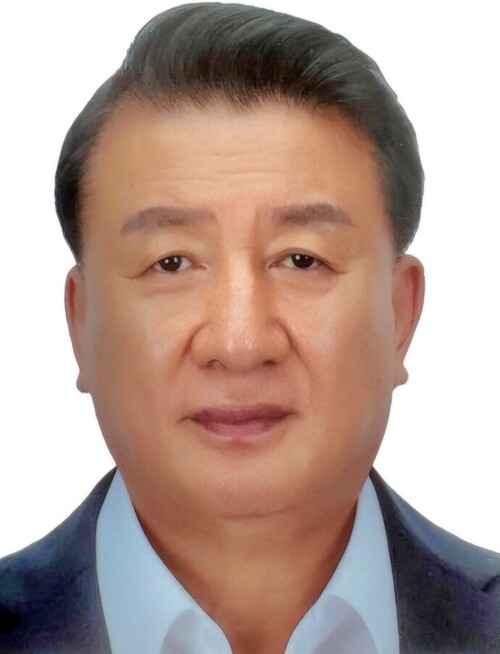
▲ 이래권 작가. ©브레이크뉴스 |
윤석열 행정부가 대차게 밀어붙이는 정책의 기조에는 자유시장주의에 있다. 수요와 공급을 생산자가 정하라는 지극히 텍스츄얼한 논리다. 이는 경쟁을 유발시켜 소비단가를 낮춘다는 야경 국가적 발상이다. 시장경제에서 과잉생산은 가격하락과 소비를 촉진하지만, 경쟁에서 실패한 생산 유닛들을 파괴 도태시킨다. 은행은 부실 되고, 실직자는 자살과 가정파괴라는 쓴잔을 받는다.
오는 대통령이 거부한 양곡법에 필요한 추가재정은 1조 정도다. 5,000만 국민 한 사람이 1년간 2만원 추가 부담하면 된다. 통닭 한 마리 값도 안 된다. 준대기업이 경영하는 브랜드 커피나 통닭 가게엔 독점권을 안겨주면서도, 수 천년 소울 푸드인 쌀을 ‘세금 탈취하는 하마’로 여기는 정부는 지뢰를 밟았다. 아울러, 겨우 오륙십 대 귀농 기계화로 견뎌온 청년(?)들의 미래를 빚더미에 빠뜨렸다.
거주 농민 80% 이상이 70대를 넘긴 고령이다. 평균 1,200평의 논을 내주어 대리 경작하면 년 120만원 정도 세경료를 받는다. 월 10만원 수입에다 노령연금 30만원을 합하면 월수입 40만원으로 생계를 잇는다.
유모차 끌고 전동차 타며 선산 밑의 작은 밭을 오가며 가꾼 푸성귀를 월 8회 장날에 내다 판다. 약 25만원 정도 장날 판매수익이 더 난다. 총 65만원 정도 수입을 창출한다. 200만 농민 중 가난한 소지주가 175만 정도고, 약 25만명이 오륙십 대 빚쟁이 젊은 농부가 폭삭 주저앉은 농촌을 지키고 있는 것이다.
오는 대통령의 양곡법 거부는, 175만 늙은 산업화 역군과 25만 가량의 빚쟁이 젊은 농부에게 사형선고를 내린 참사다. 대통령의 의지인지 참모들의 섣부른 조언인지는 모르겠지만, 돌부처도 돌아앉을 역사적 오판이자 반만년 농경문화를 스스로 걷어치우라는 국가 폭력임이 분명하다.
정책입안자들이 알아야 될 것 중, 그리도 흔들어대는 성조기의 나라 미국의 농업정책이다. 미국은 전체예산의 5% 정도를 농업보조금 금융지원 기술지원 유류비 등 직간접 지원을 아끼지 않고 있다.
유럽 중 프랑스와 스페인의 농업보조금 식감에 대한 트랙터 시위와 토마토 오렌지 도로에 깔고 짓밟는 광경을 보지 않았는가? 식량 대량수출국임에도 정부가 생산원가를 보장하고 각종 지원으로 농업인구 청년화를 유지하는 까닭을 왜 모르는가?
식량이 남는 것은 사일로와 통조림 가공식품으로 저장성을 강화하여 국방 다음으로 안보 차원에서 접근하는 것이다. 지금 피를 튀기는 우크라이나는 구소련 시절 연방의 곳간이었다. 가뭄으로 우크라이나 벌판의 곡물이 말라 죽자 굶주린 소련은 약 2천만 이상이 아사했다. 즉, 식량은 현재를 넘어 미래 작황과 국제시장 변동성에 전략적 계획을 단단히 세우고 대처해야 한다.
우크라이나 전쟁으로 국제 곡물가가 치솟고, 나아가 미국의 큰 벨트 등에 세기말적 기상이변이 덮쳐 국가가 수출을 통제하면 우리에겐 불벼락이다. 쌀은 우리에게 장독대의 된장 간장 다음으로 항시 부족하지 않게 준비해둬야 할 의무이자 생존의 마지막 수단이다.
인도차이나는 덥지만, 삼모작을 하는 천혜의 수도작 문화다. 닭 돼지 소도 쌀을 배부르게 먹고 큰다. 특히 최대 쌀 수출국인 태국에선 국가가 20% 정도 생산원가 보조금을 준다.
태국 대도시에 사는 인구의 90% 이상은 출퇴근 시 약 1,600원 정도 하는 카오(찐 쌀 스틱-한 개=200원)와 까이(닭꼬치), 약간의 국물 도시락을 사간다. 테이크아웃인데, 오토바이 뒤에 앉아 타거나 성태우(15인승 미니버스)에게 서서 쌀밥을 들고 다닌다.
아무리 항생제에 절여진 외국산 고기류와 해충 박멸제에 뒤섞여 들어오는 옥수수 밀가루에 밀려났다지만, 그래도 우리는 아침 압력밥솥 취사 완료 소리를 듣고 눈 비비며 일어나는 게 일상이다.
여하튼, 지난해 38조원 넘게 적자난 전기 가스비나 잡거나 취약계층 지원할 궁리를 서두를 일이다. 고작 한해 1조원 적자고, 그것도 농민에게 생산원가를 보장하는 ‘부의 재분배’를 국가 부도의 원흉인 양 밀어붙인 것은 큰 잘못이다.
평생 전문성 없이 농투성이로 살아온 우리의 부모님이 신 고려장으로 겨우 살고 있는 고향에 폭탄의 불벼락을 안긴 정부는 대오각성하고 양곡법 거부에 대한 후속 지원책을 강구해야 한다.
시골의 200만 농민을 희생시키면, 쌀값이 내려가 4,800만 도시빈민의 삶이 나아질 것이라며 ‘시장경제 원리’ 들먹이는 관료들의 천박한 편 가르기에 철퇴가 기다릴 뿐이다.
소비자가 양곡법으로 감당해야 할 비용은 1년에 2만원 정도다. 피자와 파스타 한 접시 값도 안 된다. 피자 한 조각으로 우리 늙은 부모의 헌 주머니를 털고, 가까스로 큰 용기를 내어 쓰러져가는 농촌으로 귀향한 청년 농부의 꿈마저 쓰러뜨렸다.
대통령은 글로벌 환경에 대응하는 대표자고 5년 짜리 단임이다. 쌀값을 떨어뜨려 서민경제를 살리겠다는 발상이 우습다. ‘가만히 있으면 중(中)이라도 간다.’라는 속담이 있다. 손볼 것이 천진데, 어디 ‘쌀 과잉생산이 망국의 지름길’이란 인식은 크게 잘못됐다.
잘못을 덮으려고 오기 부리기보다는, 길이 막히면 원점으로 돌아와 방향을 다시 잡을 일이다. 누구도 그런 시도를 비난하지 않는다.
또한 시골에서 한평생 뼈를 우려낸 우리 부모님들에 대한 최소한의 예우다. 아울러, 도시의 편안함을 버리고 빚을 넘어 땀과 희망으로 고군분투하는 영농후계자들에게도 청천벽력이다. 더 주지는 못할망정, 모질게 덜어내진 말일이다. samsohun@naver.com
*필자/이래권 작가.
*아래는 위 기사를 '구글 번역'으로 번역한 영문 기사의 [전문]입니다. '구글번역'은 이해도 높이기를 위해 노력하고 있습니다. 영문 번역에 오류가 있을 수 있음을 전제로 합니다.<*The following is [the full text] of the English article translated by 'Google Translate'. 'Google Translate' is working hard to improve understanding. It is assumed that there may be errors in the English translation.>
Resolving the electricity-gas deficit of 40 trillion won takes precedence over the grain law rejection of 1 trillion won?
“The idea of saving the economy by lowering the price of rice is ridiculous!”
-Writer Lee Rae-gwon
The basis of the policies that the Yoon Seok-yeol administration is pushing ahead with is free marketism. It is an extremely textural logic that requires producers to determine supply and demand. This is a national idea of night view that induces competition and lowers the unit price of consumption. In a market economy, overproduction promotes price reduction and consumption, but destroys and weeds out production units that fail in competition. Banks go bankrupt, and the unemployed suffer the bitter cup of suicide and family breakdown.
The additional finance required for the Grain Law, which President Oh rejected, is about 1 trillion won. Each of the 50 million people needs to pay an additional 20,000 won for one year. It's not even worth a whole chicken. While giving monopoly rights to branded coffee and whole chicken shops run by quasi-conglomerates, the government, which regards rice, a soul food for thousands of years, as a “tax-extorting hippo,” stepped on a mine. In addition, the future of young people (?) who had endured through mechanization in farming in their 50s and 60s was plunged into debt.
More than 80% of the resident farmers are over 70 years old. If you give away an average of 1,200 pyeong of rice paddy and cultivate it, you will receive a tax fee of about 1.2 million won a year. If you combine the monthly income of 100,000 won with the old-age pension of 300,000 won, you can live on a monthly income of 400,000 won.
The greens grown by pulling strollers and riding trains in the small field under the mountain are sold eight times a month on market days. About 250,000 won more on market day sales. It generates a total income of about 650,000 won. Out of 2 million farmers, 1.75 million are poor landlords, and about 250,000 young farmers in their 50s and 60s are protecting the collapsed rural areas.
The President's refusal of the Grain Law is a disaster that sentenced death to 1.75 million old industrial workers and 250,000 young farmers who owed money. I don't know if it's the president's will or hasty advice from his staff, but it's clear that it's a historical misjudgment that will cause even the stone Buddha to turn around, and state violence to get rid of the 5,000-year-old agricultural culture on its own.
Among the things that policy makers need to know is the agricultural policy of the United States, the nation of the Stars and Stripes that shakes so much. The U.S. spares no effort in providing direct or indirect support, such as agricultural subsidies, financial support, technical support, and fuel costs, for about 5% of the total budget.
Didn't you see tractor protests and tomato oranges trampled on roads in France and Spain in Europe? Even though it is a large-scale food exporter, why do you not know why the government guarantees the production cost and maintains the youth of the agricultural population through various supports?
What remains of food is to strengthen the storability with silos and canned processed food, approaching it from a security level next to national defense. Ukraine, which is now bleeding, was a federal warehouse during the former Soviet Union. More than 20 million people starved to death in the starving Soviet Union as grains in the fields of Ukraine dried up due to drought. In other words, food needs to go beyond the present and make a solid strategic plan to cope with future crop conditions and international market volatility.
If international grain prices skyrocket due to the war in Ukraine and end-of-the-century extreme weather strikes the U.S. belt, and the country controls exports, it will be a disaster for us. Rice is our duty and our last means of survival, second only to soybean paste and soy sauce in Jangdokdae.
It is hot in Indochina, but it is a natural culture of cultivation in three crops. Chickens, pigs, and cows also eat rice to their fullest and grow big. In particular, in Thailand, the largest rice exporter, the government subsidizes production costs by 20%.
More than 90% of the population living in big cities in Thailand buy khao (steamed rice sticks-one = 200 won), kai (chicken skewers), and some soup lunches for about 1,600 won when commuting to and from work. It's takeout, and I ride while sitting on the back of a motorcycle, or stand on Seong Tae-woo (a 15-seater minibus) and carry rice.
No matter how much we have been pushed out by foreign meat marinated in antibiotics and cornmeal mixed in with pesticides, it is still a daily routine for us to wake up rubbing our eyes after hearing the sound of the pressure cooker finishing cooking.
In any case, it is time to hurry up to catch electricity and gas bills, which suffered a deficit of more than 38 trillion won last year, or to find support for the vulnerable. It is a big mistake to push for a deficit of only 1 trillion won a year, and to push for “wealth redistribution,” which guarantees farmers the cost of production, as the culprit behind the country’s bankruptcy.
Our parents, who have lived without expertise all their lives, have been living in a new Goryeojang, and the government, which has been hit by a bomb, must wake up and devise follow-up support measures for the refusal of the Grain Act.
Sacrificing 2 million farmers in the countryside will lower the price of rice and improve the lives of 48 million urban poor, and the bureaucrats who insist on the “market economy principle” will only be forced to withdraw.
The cost that consumers have to bear with the grain method is about 20,000 won a year. It's not even worth a plate of pizza and pasta. A piece of pizza robbed my old parents' old pockets, and I even knocked down the dream of a young farmer who managed to gather great courage and return home to the collapsing countryside.
The president is a representative responding to the global environment and serves a single five-year term. The idea of revitalizing the economy by lowering the price of rice is ridiculous. There is a proverb that says, “If you stay still, you will go even in the middle.” Tianjin needs to be addressed, but the perception that 'overproduction of rice is a shortcut to ruin' is greatly mistaken.
Instead of trying to cover up mistakes, it is better to return to the starting point and reorient yourself when the road is blocked. No one condemns such an attempt.
It is also a minimal courtesy to our parents who have been brewing bones all their lives in the countryside. In addition, it is a thunderstorm for farming successors who abandon the comfort of the city and struggle with sweat and hope beyond debt. I can't give you more, but it's the end of the day that I've been able to take care of it. samsohun@naver.com
*The author/Writer Rae-gwon Lee.