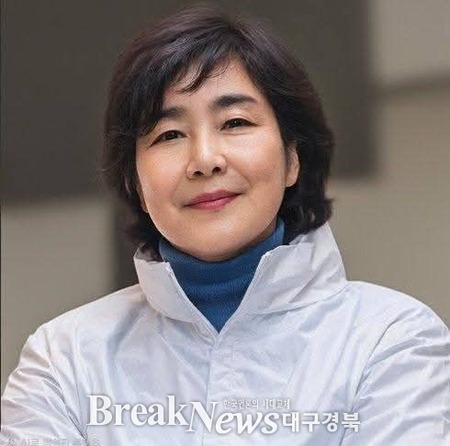
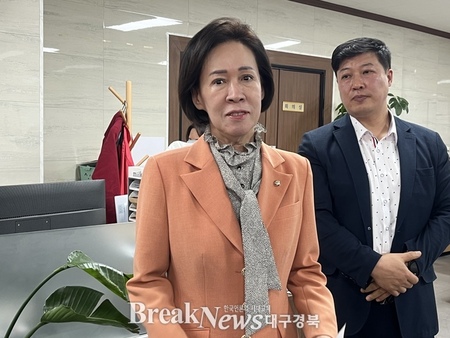
▲한자 원리를 발견한 박병탁(전 경찰공무원) 저술가. ©브레이크뉴스 |
한자 원리를 발견한 박병탁(전 경찰공무원) 저술가가 우리말 한자사전 “한글을 알면 한자를 안다”라는 사전을 출간(느티나무 풍경)했다. 출판사측은 이 책의 서평에서 “뜻밖의 사전이 나왔다. 우리말로 한자를 찾는 사전이다. 예를 들면 ‘집’이라는 한자를 알고 싶으면 옥편에서 무엇을 찾아야 할지 막막해진다. 집이라는 한자는 찾으면 생뚱맞은 한자가 나온다. 내가 알고 싶은 사람이 사는 집에 대한 정보를 얻을 수 없다. 그것을 해결해주는 책이 <우리말 한자사전-한글(우리말)로 한자를 공부한다>다. 집을 찾으면 이렇게 나온다. 놀랍다. 집이라는 한자가 이렇게 많았는가 싶다.”고 소개했다. 아래는 집을 찾으면 나오는 한자이다. 살펴보자.
“▲집
-집(堂) 당 : 虛堂習聽 (숭상할 尙 흙 土)
-집(宇) 우 : 宇宙洪荒 (집 宀 어조사 于)
-집(宙) 주 : 宇宙洪荒 (말미암을 由 집 宀)
-집(室) 실 : (이를 至 집 宀)
-집(宅) 택 : 奄宅曲阜 (부탁할 乇 집 宀)
-집(家) 가 : 家給千兵 (돼지 豕 집 宀)
-집(宮) 궁 : 宮殿盤鬱 (등 굽을 呂 집 宀)
-집(宸) 신 : (용 辰 집 宀)
-집(屋) 옥 : (이를 至 주검 尸)
-집(院) 원 : (완전할 完 언덕 阝)
-집(邸) 저 : (낮을 氐 저 阝)
-집(户) 호 : 户封八縣 (주검 尸 점 丶)
-집(房) 방 : 侍巾帷房 (방 方 집 戶)
-집(广) 엄 : (머리 亠 삐침 丿)
-집(館) 관 : (밥 食 벼슬 官)
-집(舍) 사 : 丙舍傍啓 (사람 人 혀 舌)
-집(巢) 소 : (퀑 甾 나무 木)
-집(閣) 각 : (각각 各 문 門)
-집(宀) 면 : (덮을 冖 점 丶)
-집(軒) 헌 : (수레 車 방패 干)
-집(闕) 궐 : (높을 欮 문 門)”
새로운 한자사전의 영역을 개척한 사람은 박병탁 저술가. 무안(務安) 박가 경북 봉화 출생이다. 또한 영천이씨의 외손 진성이씨 집을 출입하며 성장했다. 1979년 경찰 공채 54기 출신으로 현재 일반행정사를 하고 있다. 어릴 때 어머니의 영향으로 한학에 심취하여 한시를 평생 동안 즐기게 되었다고 한다.
박병탁 저술가는 “한자는 익히기 전에는 글자의 모양과 뜻이 너무 복잡하고 다양하여 접근하기에 두려운 학문이다. 어느 날 마법 천자(千字)에 빠진 여섯 살 손주가 “마귀 마(魔), 귀신 귀(鬼)를 써 봐”, 라는 말에 감동받았다. 공부는 놀이처럼 재미로 해야 지치지 않고 할 수 있고 빨리 깨우칠 수 있음을 보았다. 그래서 한자는 어린이 정서함양에 첩경임을 느끼게 되었고, 중앙대 신문방송학과 출신 아들도 관심이 깊었다. 한자가 가진 마술 같은 힘을 감동하여 혼자 연구하게 되었다. 아이들과 놀이처럼 하다보면 익히게 되는 원리를 발견했다“고 말했다.
그는 “한자는 우리나라와 중국-일본-인도 등의 고유한 언어문화이다. 한글이 생겨난 이유는 한자를 조선의 백성들이 정확하게 발음하기 위한 방안으로 만든 것이 훈민정음(訓民正音)이다. 훈민정음이란, 백성에게 한자의 음(音), 즉 바른 발음, 바른 소리를 가르친다는 뜻이다. 한글은 한자가 기본바탕이 되어 소리(韻)를 나열한 소리 문자”라고 지적하고 “운(韻)은 한자의 음절에서 성모(聲母)를 제외한 부분이다. 한자는 소리글자라고 할 수 있다. 한자에 음운학(音韻學)이 필요한 이유다. 한자에서 음운학은 한자의 음운, 사성(四聲), 반절 따위에 관하여 연구하는 학문. 언어학의 한 분야이다. 추상적이고 심리적인 말소리인 음운을 대상으로 음운 체계를 밝히고, 역사적 변천을 연구하는 학문. 언어학의 한 분야”라고 설명했다.
박병탁 저술가는 “우리 민족에게도 익숙한 책인 동국정운(東國正韻)이 대표적이다. 조선 세종 30년, 1448년에 신숙주, 최항, 성삼문, 박팽년, 이개 등의 집현전 학자들이 세종의 명에 따라 편찬한 운서(韻書)다. 중국의 운서인 <홍무정운> 등을 참고하여 우리나라의 한자음을 새로운 체계로 정리한 최초의 음운서로, <훈민정음>의 창제 원리 및 배경 연구에 매우 귀중한 자료”라면서 “한자는 세계 유일의 뜻글자다. 또한 앞서 설명한 바와 같이 소리글자다. 한자는 위대한 글자다. 천년의 세월이 지나도 의미를 그대로 전달할 수 있는 문자이기도 하다. 그리하여 한자와 한글은 우리 언어문자 문화에 깊이 자리 잡았다. 한자의 구성은, 부수(部首)라고 부르는 의미를 나타내는 의미부(意味部)와 소리를 나타내는 성부(聲部)로 구성되어 있는 것으로도 증명된다. 또한 한자는 획수(劃數)수와 부수(部首)로 구성된다. 기본 한(-) 획으로 한 글자가 구성될 수 있고, 구성된 글자가 결합하여 다른 뜻의 글자가 만들어지기도 한다”고 정의한다.
 ▲ 박병탁 저술가의 저서 표지. ©브레이크뉴스 |
아래는 사람의 몸이라는 뜻의 글자를 알아보고, 돼지를 알아본다.
“▲몸(己) 기 : (이미 已 뱀 巳)
-몸(身) 신 : (스스로 自 눈 目 귀 耳 삐침 丿)
-몸(躬) 궁 : (활 弓 몸 身)
-몸(體) 체 : (풍년 豊 뼈 骨)
-몸(軀) 구 : (나눌 區 몸 身)“
“-▲돼지(亥) 해 : (돼지 亠 다할 𠂈 사람 人)
-돼지(豕) 시 : (더위 잡을 𧰨 하나 一)
-돼지(豚) 돈 : (돼지 豕 살 月)
-돼지(猪) 저 : (개 犭 놈 者)
-돼지(逐) 축 : (갈 辶 돼지 豕)“
이러한 이유로 우리는 한글을 알게 되면 한자는 스스로 익혀지게 된다. 이 책의 엮은 순서를 설명한다. 한자 책은 한글의 발음기호에 따라 엮어놓았다. 어린이는 보고(볼 시視), 들은(들을 청문聽聞), 느낌을(느낄 감感), 바르게(바를 정正), 겉으로(표현表現)하여 나타낸다. 어린이는 사물의 이치를 처음 접하고 깨달을 때부터 발육과 성장이 동반된다. 마법 천자 동몽선습(魔法千字 童蒙先習)이다.
그리고 214자 부수와 천자문(千字文)을 포함하여 인명한자(人名漢字)에 사용하는 3,000자를 파자 (破子)하여 5,700자를 수록하였고, 끝으로 부수를 별도로 수록했다.
이 책은 읽는 이들이 사용하는 한자 이름을 대비시켜 볼 수 있고, 태어나는 후세들의 이름을 지을 때 뜻과 발음이 명쾌한지 가늠해서 지워볼 수 있다. 한글을 중심으로 한 한자는 일상생활의 유물이자 우리의 고유한 문화이고 언어이다. 그래서 한글을 터득 중인 어린 세대부터 한글을 알고 있는 다문화인까지 접근이 쉽도록 엮어놓았다.
지은이 박병탁은 어떤 인물?
무안 박가 정북 봉화 출생이다. 또한 영천 이씨의 외손 진성이씨 가문으로 출입하였다. 1979년 경찰 공채 54기 출신으로 현재 일반 행정사를 하고 있다. 어릴 때 어머니의 영향으로 한학에 심취하여 한시를 평생 동안 즐기게 되었다. 한자는 익히기 전에는 글자의 모양과 뜻이 너무 복잡하고 다양하여 접근하기에 두려운 학문이다. 어느 날 마법 천자(千字)에 빠진 여섯 살손주가 "마귀 마(魔), 귀신 귀(鬼)를 써 봐", 라는 말에 감동받았다. 공부는 놀이처럼 재미로 해야 지치지 않고 할 수 있고 빨리 깨우칠 수 있음을 보았다. 그래서 한자는 어린이 정서함양에 첩경임을 느끼게 되었고, 중앙대학 신문방송학과 출신 아들도 관심이 깊었다. 한자가 가진 마술 같은 힘을 감동하여 혼자 연구하게 되었다. 아이들과 놀이처럼 하다보면 익히게 되는 원리를 발견 했다.
*아래는 위 기사를 '구글 번역'으로 번역한 영문 기사의 [전문]입니다. '구글번역'은 이해도 높이기를 위해 노력하고 있습니다. 영문 번역에 오류가 있을 수 있음을 전제로 합니다.<*The following is [the full text] of the English article translated by 'Google Translate'. 'Google Translate' is working hard to improve understanding. It is assumed that there may be errors in the English translation.>
Pre-publishment of “If you know Hangeul, you know Chinese characters” author Park Byeong-tak, who discovered the principles of Chinese characters
“Chinese characters are the gateway to children’s emotional development”
-Reporter Park Jeong-dae
Author Park Byeong-tak (former police officer), who discovered the principles of Chinese characters, published a Korean Chinese character dictionary titled “If you know Hangeul, you know Chinese characters” (zelkova tree landscape). In a book review of this book, the publisher said, “An unexpected dictionary came out. This is a dictionary for finding Chinese characters in Korean. For example, if you want to know the Chinese character for “house,” you may be at a loss as to what to look for on the jade side. If you look for the Chinese character for house, you will find a strange Chinese character. I can't get information about the house where the person I want to know lives. The book that solves this problem is <Korean Chinese Character Dictionary-Studying Chinese Characters in Hangeul (Korean Language)>. When you find a house, it comes out like this. surprising. I wonder if there are so many Chinese characters for home.” Below are the Chinese characters that appear when you find a house. Let's take a look.
“▲ house
-Dang of the house: 虛堂習聽 (尙 soil to be respected)
-Home (宇) Right: 宇宙洪荒 (Home 宀 Eojojo 于)
-Home (宙) State: 宇宙洪荒 (malmiam 由 house 宀)
- House (室) room: (this is 至 house room)
-Home (宅): 奄宅曲阜 (乇 house to ask for)
-Home: 家給千兵 (Pig 豕 House 宀)
-House Palace: 宮殿盤鬱 (back heel 呂 house 宀)
-House God: (Yong 辰 House 宀)
-House (屋) Jade: (This is 至 Carcass 尸)
-Home (院) circle: (perfect 完 hill 阝)
- House (邸) me: (Daytime 氐 阝)
- House number: 户封八縣 (corpse 尸 point 丶)
-Home room: 侍巾帷房 (Room 方 House 戶)
-Home (广) Eom: (head 亠 pout 丿)
- House (館) Official: (Rice eater official)
- House (舍) four: 丙舍傍啓 (People 人 Tongue 舌)
- House (巢) cow: (Quan 甾 Tree Wood)
-Each house (door): (Each door)
-Home (宀) side: (冖 point 丶 to cover)
- House (軒) Heon: (cart, vehicle, shield)
-House (闕) Palace: (high gate gate)”
The person who pioneered a new field of Chinese character dictionary was Park Byeong-tak. Muan Park was born in Bonghwa, North Gyeongsang Province. He also grew up going in and out of the house of Jinseong, the grandson of the Yeongcheon Lee clan. He came from the 54th police bond in 1979 and is currently working as a general administrative officer. It is said that when he was young, he was immersed in Chinese studies under the influence of his mother and enjoyed Chinese poetry for the rest of his life.
Author Park Byeong-tak said, “Before learning Chinese characters, the shapes and meanings of Chinese characters are too complicated and diverse, so it is scary to approach. One day, my six-year-old grandson, who fell in love with the magic character, was moved by the words, “Try using a demon, a ghost ear.” I saw that studying should be fun like play so that you can do it without getting tired and quickly realize it. So, I felt that Chinese characters were a shortcut to fostering children's emotions, and my son, who graduated from the Department of Journalism and Broadcasting at Chung-Ang University, was also deeply interested. Impressed by the magical power of Chinese characters, I began to study them alone. He discovered a principle that can be learned by playing with children,” he said.
He said, “Hanja is a unique language culture of Korea, China, Japan, and India. The reason why Hangeul came into existence is Hunminjeongeum (訓民正音), which was created as a way for the people of Joseon to pronounce Chinese characters accurately. Hunminjeongeum means teaching the people the sound of Chinese characters, that is, the correct pronunciation and sound. He pointed out that Hangeul is a sound character in which Chinese characters are the basis and a list of sounds (韻). Chinese characters can be called phonetic characters. This is why phonology is necessary for Chinese characters. In Chinese characters, phonology is the study of phonology, four consonants, and half-half of Chinese characters. It is a branch of linguistics. The study of phonology, which is an abstract and psychological sound of speech, to clarify the phonological system and study historical changes. It is a branch of linguistics.”
Author Park Byung-tak said, “Donggukjeongun, a book that is familiar to our people, is representative. It is an unseo compiled in 1448, the 30th year of King Sejong of the Joseon Dynasty, by scholars such as Shin Sook-ju, Choi Hang, Seong Sam-mun, Park Paeng-nyeon, and Lee Gae under the order of King Sejong. It is the first phonetic book to arrange Korean Chinese characters in a new system by referring to Chinese rhyme <Hongmujeongun>, etc. Also, as described above, it is a sound letter. Chinese characters are great characters. It is also a character that can convey the meaning as it is even after a thousand years. Thus, Chinese characters and Hangeul have been deeply rooted in our language and character culture. The composition of Chinese characters is also proved by the fact that it consists of a semantic part representing meaning called radicals and a voice part representing sound. In addition, Chinese characters are composed of the number of strokes and radicals. A single character can be composed of a single (-) stroke, and a character with a different meaning can be created by combining the composed characters.”
Below, we recognize the letters that mean human body, and recognize pigs.
“▲ Body (己) Ki: (Already 已 Snake 巳)
- Body (body): (oneself, eyes, ears, ears, pouting 丿)
-Body arch: (bow 弓 body body)
-Body: (Pongnyeon 豊 Bone)
-Body (軀) Phrase: (Division 區 Body)“
“-▲ Pig (亥) Year: (Pig 亠 Dahal 𠂈 People 人)
-Pig Poetry: (Catch the heat 𧰨 One 一)
-Pig Money: (Pig 豕 year old month)
- Pig (猪): (Dog guy)
-Pig axis: (Go 辶 Pig 豕)“
For this reason, when we learn Hangeul, we learn Chinese characters on our own. Explain the order in which this book is compiled. Chinese character books are arranged according to the phonetic symbols of Hangeul. Children show what they see (see), hear (hear), feel (feel), correctly (correct), and outwardly (express). Children are accompanied by development and growth from the time they first encounter and realize the logic of things. It is Dongmong Seon-seup, the magic angel.
In addition, 3,000 characters used for human names and Chinese characters, including 214 radicals and 1,000 characters, were broken down and 5,700 characters were recorded, and lastly, radicals were separately recorded.
In this book, readers can compare the names of Chinese characters used, and when naming future generations, they can determine and erase whether the meaning and pronunciation are clear. Hanja, centered on Hangeul, is a relic of everyday life and our unique culture and language. So, from the younger generation who are learning Hangeul to multicultural people who know Hangeul, we have compiled it so that it is easy to access.
What kind of person is the author Park Byeong-tak?
Muan Park was born in Bonghwa, Jeongbuk. He also entered the family of Jinseong, the grandson of the Yeongcheon Lee clan. He came from the 54th police bond in 1979 and is currently working as a general administrative officer. When he was young, he fell in love with Chinese studies under the influence of his mother and enjoyed Chinese poetry for the rest of his life. Before learning Chinese characters, the shapes and meanings of the characters are too complicated and diverse, so it is a fearful study to approach. One day, my six-year-old grandson, who fell in love with the magic thousand character, was moved by the words, "Try using a demon, a ghost ear." I saw that studying should be fun like play so that you can do it without getting tired and quickly realize it. So, I felt that Chinese characters were a shortcut to fostering children's emotions, and my son, who graduated from the Department of Journalism and Broadcasting at Chung-Ang University, was also deeply interested. Impressed by the magical power of Chinese characters, I began to study them alone. I discovered a principle that can be learned when playing with children.