▲ 연세대 세브란스 병원의 암병동. ©브레이크뉴스 |
OECD 통계상 1천명 당 의사 수 평균은 3.4명이다. 우리나라 의사 수가 최하위 2.3명이므로 수치상으론 30% 의대 정원을 늘려야 한다. 그런데도, 제약회사-약국-병원과 밀착된 카르텔로 안정적이고 막대한 소득을 덜어내기 싫어 온갖 로비와 반대 집회로 의대 정원 확대는 철옹성이다.
홍준표 전 경남지사가 적자를 내세워 닫은 진주의료원과 김진태 강원도지사가 연봉 4억 보장 강원도립병원은 지원자 전무로 문을 닫았다. 그 피해는 지역 거주 영세민에게 고스란히 돌아가고 있다. 빚내고, 산 굽이굽이 돌아 KTX와 콜밴을 불러 부산으로 서울로 환자 보호자가 고비용 유랑민이 된다. 직장이 있어 병원 간병인을 부르면 하루 13만원을 지불해야 한다. 한 달 400만원 든다. 아픈 것도 서러운데, 국가가 의대 정원 눈치 보며 미루는 것은 환자 가족에 대한 경제적 테러이자 직무유기죄로 탄핵감이다.
의사가 되는 길은 상위 1.2% 안에 드는 내신과 수능점수를 받아야 한다. 의대 6년, 인턴 레지던트 5년, 군의관 38개월 복무 과정, 총 14년 2개월의 연단 과정을 거쳐야 한다. 즉, 33세 이후에 전공의로서 월 1500만원 전후의 월급의사를 시작한다. 대학병원이나 대형병원에 진출하지 못하면, 10년 이내에 모은 돈과 신용대출 주담대 등을 합하여 골목병원 개업을 하는 게 통례다.
이런 의사들은 투자 비용 회수와 환자의 대형병원으로의 이탈로 수익성이 악화되어 폐업하기도 한다고 주장한다. 상대적으로 열악한 개업의들의 수익구조가 빈익빈 부익부로 치닫는 현실에서 의대 정원을 반대하는 이유다. 만약 정부가 의대 정원 확대를 강행하면, 환자 나눠 먹기 하다가 골목병원은 공멸한다는 이유(?) 있는 주장도 있다. 보수화된 대한의협 지도부는 가끔 여의도에 떼로 뭉쳐 몰려나온다. 머리에 ‘의대 정원 확대 결사반대’ 두건을 두르고 황제 파업까지 서슴지 않는다.
대학병원에 월급의사가 받는 월급 외 수당 명목 성과급은 진찰료 수술 및 처치료다. 진찰료는 환자 1인당 25000원 정도고, 예약환자 기준 30명 정도 환산하면 하루 750000원 수입이 생긴다. 보통 제왕절개 수술하면 100여 만원이 주치 집도의에게 돌아간다. 골목병원 개업의의 진찰료는 1인당 12000원 정도다. 환자도 적고 수술이 사실상 없으므로, 대학병원 의사에 비해 50% 진찰료가 전부다.
다행히 의료보험 적용 수가가 법으로 정해져 있어 환자는 그나마 안심하지만, 개업의들은 임대료 직원급료 은행 원리금 상환 등을 들어 수가 인상을 주장한다. 대형병원은 수술 시 절개 복강경 로봇팔 등으로 3시간 수술로 1천여만원 넘게 수입을 챙긴다. 장비의 초기 수입단가가 너무 높아 어쩔 수 없다는 변명이 전부다. 수입 의료 장비 사용횟수를 AI(인공지능기)로 파악하여 수가를 점감(漸減)하여 환자들 고액 부담을 낮춰줘야 한다.
정치권에 의사 출신인, 안철수 김영환 신현영 신동진 등이 있다. 망하지도 파산하지도 않았고, 타 의원보다 고도의 전문성을 가진 우월한 존재들이다. ‘의대 정원 확대’로 발의로, 국민 빈 주머니를 지켜주고 의료 서비스 질을 높이는데 명운을 거는 것도 국민에 대한 의무다.
의사가 되기까지는 힘든 과정을 거쳐야 한다. 인턴 레지던트 때는 응급실에 상주하며 빵과 짜장면으로 때우기 일쑤다. 남자 전문의의 경우 대위 임관 38개월 군 복무도 감수해야 한다. 적절한 보상이 이뤄져야 마땅하다. 문제는 보상치곤 평생 주어지는 고소득이 너무 많다는 게 의료 소비자들의 원성이고 인술(仁術) 아닌 전술(錢術) 특권이라는데 문제가 있다. 응급실 뺑뺑이 돌다 죽는 환자가 허다하다. 찾아가는 인술은 못 베풀 망정, 급히 들이닥친 오는 환자도 외면한다면 과연 병원이요 의사인가?
다 그런 건 아니지만, 의약 업계 카르텔은 IMF 이후 심화되기 시작해서 중증(重症) 상태다. 대형 제약업계 영업사원은 병원 의사들에게 골프와 해외연수 보조금이란 명목으로 암묵적 금전 수수 향응을 주고받았다. 제약사는 식약처 등 관련 기관을 상대로 약값 수가를 올리려 로비한다. 오른 약값은 고스란히 환자 가족의 마른 주머니에서 나온다.
의사 못되면 약사가 만들기에 전국의 학부모와 자녀가 의기투합한 지 오래다. 안정적 고수익이 보장되는 의약 카르텔 클로스터 안에서 여유 있는 일상이 가능하기 때문이다.
‘1+3’ 세트, 즉 1층에 약국 하나 위층에 의원 세 개를 합하면 골목의 의약 공생구조가 성립한다. 처방이 많이 내려오는 요지(要地)에 터를 잡았다면, 1층 약사는 위층 의사들에게 알아서 상납금을 챙겨준다. 약국의 상황은 일종의 프레미엄이다. 3개 과 의원에서 내놓는 처방전의 약은 정해져 있다.
‘특권도 능력이다.’라는 주장에 대해서 패배자적 분노를 표출하는 것이 아니다. 의사는 생산자도 소비자도 아니다. 그저 고통을 덜어주는 솜씨 좋은 관리자일 뿐이다. 의사를 기름지게 먹여 살리는 환자는 평생 동반자이다.
질병과 사고는 부귀빈천(富貴貧賤)을 가리지 않지마는, 사회적 약자에게는 가족해체와 나아가선 동반자살로 귀결되기도 한다. 응급실 뺑뺑이나 지방 노인들의 상경 진료의 어려움이 어디서 출발했는지 되물을 필요가 있다.
OECD 기준 1천명당 의사 수 2.4명 최하위 지적에 대한 책임은 의료업계 눈치를 보는 그간 정부의 무능이자 입법 태만이다. 건강한 의사도 아픈 환자도 100세 안에 절명(絶命)하는 것은 자연계의 순리이자 이치다. 동반자이며, 약자인 환자 측면에서 볼 일이다. 그것이 인륜이고 천륜이다.
응급실 뺑뺑이 사망, 지방 의료기관 소멸로 지역민 의료기회 박탈, 산부인과 소아과 의사 수 절대 부족 등에 정치권이 나서야 한다. 100세 시대에 환자는 늘어가고 의사는 절대 부족하다. OECD 발표대로 하면 의사 수를 30% 늘려야 맞다.
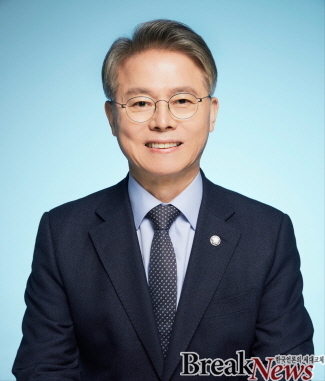
 ▲필자/이래권 작가. ©브레이크뉴스 |
대학병원 의사와 간호사는 업무가 줄어드니 찬성할 것이다. 골목 의원들은 투사인양 결사반대 여의도 집회로 맞설 것이다. 그래도 의대 정원은 확대되어야 한다. 교육부가 먼저 나서고, 여야가 입법하면 될 일이다. 복잡한 사안은 쾌도난마(快刀亂麻)의 결심이 필요하다. 그 권리와 의무의 선두에 윤석열 정부가 있다. 모처럼 밥값 할 절호의 기회다. 국민 대부분이 손뼉 칠 일이다. samsohun@naver.com
*필자/이래권 작가.
Korea, 2.3 doctors per 1,000 people...last in OECD, medical school quota must be increased by 30%!
“Expansion of medical school quota... This can be done if the Ministry of Education takes the lead and the ruling and opposition parties legislate.”
-Writer Raekwon Lee
According to OECD statistics, the average number of doctors per 1,000 people is 3.4. Since the number of doctors in Korea is the lowest at 2.3, numerically, the number of medical school seats should be increased by 30%. Nevertheless, the expansion of medical school admissions is unavoidable due to all kinds of lobbying and opposition rallies, as they do not want to lose a stable and enormous income to the cartel closely tied to pharmaceutical companies, pharmacies, and hospitals.
Jinju Medical Center, which former South Gyeongsang Governor Hong Joon-pyo closed due to losses, and Gangwon Provincial Hospital, which Gangwon-do Governor Kim Jin-tae guaranteed an annual salary of KRW 400 million, were closed with applicants as managing directors. The damage is being passed on to the poor people living in the area. They take on debt, take the KTX and call vans around the mountains, and take the patients from Busan to Seoul. The guardians become high-cost nomads. If you have a job and call a hospital caregiver, you have to pay 130,000 won per day. It costs 4 million won per month. It's sad to be sick, but the government's delay in taking care of medical school vacancies is an economic act of terrorism against patients' families and a sense of impeachment for dereliction of duty.
To become a doctor, you must have an academic record and college entrance exam score that is in the top 1.2%. You must go through 6 years of medical school, 5 years of intern residency, 38 months of service as a military doctor, and a total of 14 years and 2 months of training. In other words, after the age of 33, a resident begins working as a doctor with a salary of around 15 million won per month. If you are unable to enter a university hospital or a large hospital, it is common to open a small hospital using money saved within 10 years and credit loans.
These doctors claim that profitability deteriorates due to recovery of investment costs and patients leaving to large hospitals, leading to business closures. This is the reason why medical school quotas are opposed in a reality where the relatively poor profit structure of medical practitioners is leading to the rich getting richer. There is also a reason(?) argument that if the government pushes ahead with expanding the number of medical schools, alley hospitals will be destroyed while sharing patients. The conservative leadership of the Korean Medical Association sometimes comes together in droves to Yeouido. He wears a bandana on his head saying, “We are staunchly opposed to the expansion of medical school quota,” and does not hesitate to go on strike.
The nominal performance bonuses other than salary received by salaried doctors at university hospitals are consultation fees, surgery, and treatment. The consultation fee is about 25,000 won per patient, which translates into an income of 750,000 won per day for about 30 patients with reservations. Usually, when a cesarean section is performed, about 1 million won goes to the attending surgeon. The consultation fee for a doctor at an alley hospital is about 12,000 won per person. Because there are few patients and virtually no surgery, the consultation fee is only 50% of that of doctors at university hospitals.
Fortunately, patients feel reassured because the medical insurance coverage fee is set by law, but medical practitioners argue for an increase in the fee, citing rent, employee salaries, and repayment of bank principal and interest. Large hospitals earn over 10 million won for a 3-hour surgery using incisions, laparoscopy, and robotic arms. The only excuse is that the initial import price of the equipment is too high so there is nothing to be done. We need to use AI (artificial intelligence) to determine the number of times imported medical equipment is used and gradually reduce the cost, thereby lowering the burden on patients.
In the political world, there are Ahn Cheol-soo, Kim Young-hwan, Shin Hyeon-young, and Shin Dong-jin, all of whom were doctors. They are neither ruined nor bankrupt, and are superior beings with a high level of expertise compared to other lawmakers. With the initiative to ‘expand the number of medical school students,’ it is also a duty to the people to protect the people’s empty pockets and improve the quality of medical services.
You have to go through a difficult process to become a doctor. During my intern residency, I stayed in the emergency room and often stuffed myself with bread and black bean noodles. In the case of male specialists, they must also endure 38 months of military service with the rank of captain. Appropriate compensation should be provided. The problem is that medical consumers complain that the high income given for life is too much compared to compensation, and that it is a privilege for tactics rather than humanism. There are many patients who die while waiting in the emergency room. Is it really a hospital or a doctor if it can't provide on-site ninjutsu and ignores patients who arrive in a hurry?
Although this is not the case for all, the cartel in the pharmaceutical industry began to intensify after the IMF and is in a serious state. Salespeople from large pharmaceutical companies exchanged implicit financial favors with hospital doctors in the name of golf and overseas training subsidies. Pharmaceutical companies lobby the Ministry of Food and Drug Safety and other related organizations to raise drug prices. The increased drug prices come entirely from the dry pockets of the patient's family.
It's been a long time since parents and children across the country came together to become a pharmacist if they couldn't be a doctor. This is because it is possible to lead a leisurely daily life within the pharmaceutical cartel closter that guarantees stable high profits.
The ‘1+3’ set, that is, a pharmacy on the first floor and three clinics on the upper floor, creates a symbiotic structure for medicine in the alley. If the location is located in a location where many prescriptions are received, the pharmacist on the first floor will take care of reimbursing the doctors on the upper floor. The situation in pharmacies is a kind of premium. The number of prescription drugs dispensed by the three departments is limited.
I am not expressing defeatist anger at the claim that ‘privilege is also ability.’ Doctors are neither producers nor consumers. He's just a good manager who eases the pain. A patient who feeds a doctor well is his lifelong companion.
Diseases and accidents do not discriminate between rich and poor, but for the socially disadvantaged, they can result in family breakup and even double suicide. There is a need to ask where the emergency room rush and the difficulties in getting treatment for elderly people in rural areas originated.
Responsibility for the lowest number of doctors per 1,000 people (2.4 per 1,000 people according to OECD standards) lies with the government's inability to pay attention to the medical industry and its negligence in enacting legislation. It is the natural order and law of the natural world that both healthy doctors and sick patients die within 100 years. It is something to look at from the perspective of the patient, who is both a companion and a weak person. That is the law of humanity and heaven.
The political world must take action to address issues such as hit-and-run deaths in emergency rooms, deprivation of medical opportunities for local residents due to the disappearance of local medical institutions, and an absolute shortage of obstetricians, gynecologists, and pediatricians. In the age of 100, the number of patients is increasing and there is an absolute shortage of doctors. If we follow the OECD announcement, the number of doctors should be increased by 30%.
Doctors and nurses at university hospitals will agree because it will reduce their workload. Alley lawmakers will fight back with a deadly protest in Yeouido as if they were fighters. Still, the medical school quota must be expanded. All that needs to be done is if the Ministry of Education takes the lead and the ruling and opposition parties legislate. Complex issues require tough decisions. At the forefront of those rights and obligations is the Yoon Seok-yeol government. This is a golden opportunity to pay for a long-awaited meal. This is something that most people will applaud. samsohun@naver.com
*Writer/Writer Raekwon Lee.