▲ 이하배 교수의 저서 표지. ©브레이크뉴스 |
이하배(李昰培) 교수(성균관대학)가 '갑질 알기(5권 시리즈)'란 제목의 저서(종이책. e-book)를 출간(다사람더사람 출판사)했다.<1권. 그런 줄도 모르고><2권. 갑질/을질 혹은 ‘강질’/‘약질’>,<3권. 멋-있는 말, 맛-없는 삶>,<4권. ‘말할 힘’이 없어, ‘말할 앎’이 없어>,<5권. 출구는 있다>.
저자는 이 책에 대해 “<갑질 알기>는 무엇보다 사람/사물, 있음/없음, 앎/함, 다름/같음, 소통/ 불통, 분리/결합, 위/아래, 안/밖, 수직/수평 등의 개념 쌍들로 지금 여기의 절실한 ‘잘못 분리’, ‘잘못 함께’들 속에 생생한 ‘아닌 사람’, ‘아닌 삶’들을 구체적으로 물어, 밝혀, 풀어가는 노력이다”면서 “의미와 흥미의 두 ‘맛’(味)으로 접근해가므로, 쉽지만도 어렵지만도 않다는 <갑질 알기>는 ‘이건 아닌 것 같다!’고 회의하며 일정한 방식으로 ‘다 사람, 더 사람’을 찾고 있는 분들이라면, 자연스레 피부로 느끼고 가슴으로 공감하면서 같이, 달리 생각하며 물어가는 계기일 수 있다”고 강조했다.
이어 “<갑질 알기>는 피해자로서든 가해자로서든, 불통 문화, 갑질 문화에 직간접으로 당사자 되어, ‘아닌 세상 속에 아닌 사람’ 혹은 ‘아닌 사람 속에 아닌 세상’의 소외나 부조리를 회의하는 열린 분들이나 집단, 단체들과 나누고 싶은 열정”이라고 피력했다.3.4 저자
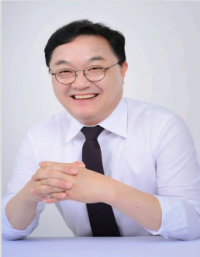
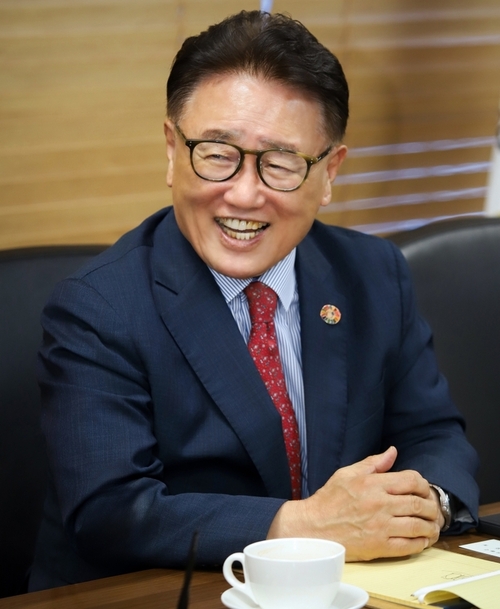
 ▲저자/ 이하배 교수. ©브레이크뉴스 |
저자 이하배 교수는 어떤 인물?
이하배(李昰培) 교수는 ‘국내 최대의 인문 지리서’ 『조선환여승람』을 펴내신 조부님 슬하에서 서당 공부를 하였다. 『천자문』, 『동몽선습』, 『격몽요결』, 『명심보감』, 『소학』 등을 배운 후, 뒤늦게 3학년 2학기로 주봉국민학교에 입학했다. 공주사대부고와 성균관대학교를 졸업한 후, 다르고 넓은 세상에서 보다 체계적으로 공부하고자 독일로 유학을 떠났다. 베를린 자유대학교(FU Berlin)에서 철학과 중국학을 전공하여 석사와 박사 학위를 받았다.
성균관대학교 등에서 연구하고 강의해왔다. 무엇보다, 실제 삶의 생생한 문제들을 ‘힘/앎/함’의 작용맥락으로 물어가고 풀어가는 ‘현실 철학’을 지향 하면서, ‘같이 살자, 사람같이 다같이!’를 기치로 ‘사람 크기’ 키워 ‘세상 크기’ 키우고 ‘세상 크기’ 키워 ‘사람 크기’ 키우는 이론과 실천의 공간 <한국소통문화연합>과 <열음학당>을 열어가고 있다.
*아래는 위 기사를 '구글 번역'으로 번역한 영문 기사의 [전문]입니다. '구글번역'은 이해도 높이기를 위해 노력하고 있습니다. 영문 번역에 오류가 있을 수 있음을 전제로 합니다.<*The following is [the full text] of the English article translated by 'Google Translate'. 'Google Translate' is working hard to improve understanding. It is assumed that there may be errors in the English translation.>
박사학위 논문은 Trennende Verbindung oder verbindende Trennung: ‘Li’-Verhältnisse in der konfuzianischen Vergesellschaftung (분리하는 결합인가 아니면 결합하는 분리인가: 유교 사회화에 있어서의 ‘禮’의 제 관계들)이다.
저서로는 『갑순이가 아니라,: 갑질 없는 수평 소통으로 더 사람, 더 세상』 외에 『유교적 사회화: 분리와 결합의 변증법』, 『소통 열음: 한국사회의 소통문화를 통틀어 묻는다』, 『갑질시대 소통인문학』, 『우리말로 학문하기의 고마움』(공저), 『동아시아 문명공동체』(공저)가 있고, 논문은「우리 속담에 나타난 성차별의 사회화」, 「현재 한국사회와 거듭나야 하는 유교 연구」, 「노자의 정치-윤리 철학」, 「나이의 일상 예문화」, 「소통 크기, 행복 크기」, 「‘갑질’의 소통문화」, 「나와의 싸움, 남과의 싸움」, 「‘따로함께’의 소통문화와 비움의 아스케제」 등이 있다.
Professor Lee Ha-bae (Sungkyunkwan University) publishes ‘Knowing Gapjil (5 volumes series)’
-Reporter Park Jeong-dae
Professor Lee Ha-bae (Sungkyunkwan University) published a book (paper book, e-book) titled ‘Knowing Gapjil (5 volumes series)’ (Dasaram the Saram Publishing). <Volume 1. I didn't even know it was like that><Volume 2. Gapjil/Euljil or ‘strong’/‘weakjil’>,<Volume 3. Stylish words, tasteless life>, <Volume 4. ‘I don’t have the power to speak’, I don’t have the ‘knowledge to speak’>,<Volume 5. There is an exit>.
About this book, the author said, “<Knowing Gapjil> is, above all, people/objects, presence/absence, knowing/being, different/same, communication/non-communication, separation/combination, up/down, inside/outside, vertical/horizontal, etc. “It is an effort to specifically ask, reveal, and solve the vivid ‘non-separation’ and ‘wrong togetherness’ of the ‘wrong separation’ and ‘wrong togetherness’ of the here and now through concept pairs,” he said. “The two ‘flavors of meaning and interest’ <Knowing Gapjil>, which is said to be neither easy nor difficult because it is approached through taste, is a natural fit for those who are skeptical and think, 'This doesn't seem right!' and are looking for 'more people, more people' in a certain way. “It can be an opportunity to feel and sympathize with your heart, think together and ask questions differently,” he emphasized.
He continued, “<Knowing Gapjil> is for open-minded people who are directly or indirectly involved in the culture of non-communication and Gapjil culture, whether as victims or perpetrators, and who doubt the alienation or absurdity of ‘a person who is not in a world that is not’ or ‘a world that is not in a person who is not’. “It is a passion that I want to share with groups and organizations,” he expressed. 3.4 Author
What kind of person is the author, Professor Lee Ha-bae?
Professor Lee Ha-bae (李昰培) studied at Seodang under his grandfather, who published ‘Joseon Hwanyeo Seungnam’, ‘the largest human geography book in Korea’. After studying 『Cheonjamun』, 『Dongmongseonseup』, 『Gyeokmongyogyeol』, 『Myeongsimbogam』, and 『Sohak』, he belatedly entered Jubong Elementary School in the second semester of his third year. After graduating from Gongju Teachers' High School and Sungkyunkwan University, he went to Germany to study more systematically in a different and wider world. He received his master's and doctoral degrees in philosophy and Chinese studies from the Free University of Berlin (FU Berlin).
He has researched and lectured at Sungkyunkwan University and other institutions. Above all, while pursuing a 'realistic philosophy' that asks and solves the vivid problems of real life in the context of the action of 'power/knowledge/ness', we increase the 'human size' under the banner of 'Let's live together, like people!' We are opening <Korea Communication Culture Association> and <Yeumhakdang>, a space for theory and practice to increase the ‘size of the world’, increase the ‘size of the world’, and increase the ‘size of people’.
His doctoral thesis is Trennende Verbindung oder verbindende Trennung: ‘Li’-Verhältnisse in der konfuzianischen Vergesellschaftung (Union that separates or separation that unites: The relations of ‘Ritual’ in Confucian socialization).
His books include 『Not Gap-soon: More People, More World through Horizontal Communication Without Gap-Jil』, 『Confucian Socialization: Dialectics of Separation and Combination』, 『Opening Communication: Questioning the Communication Culture of Korean Society as a Whole』, 『Gap-Jil There are “Communicating Humanities of the Times”, “Gratitude for Studying in Korean” (co-authored), and “East Asian Civilization Community” (co-authored), and the theses are “Socialization of Gender Discrimination in Our Proverbs” and “Confucianism that Needs to Be Born Again in Current Korean Society.” Research”, “Lao Tzu’s Political-Ethical Philosophy”, “Daily Example Culture of Age”, “Size of Communication, Size of Happiness”, “Communication Culture of ‘Gapjil’”, “Fight with Me, Fight with Others”, “’Separately ‘Together’ communication culture and ‘Askeje of emptiness’, etc.