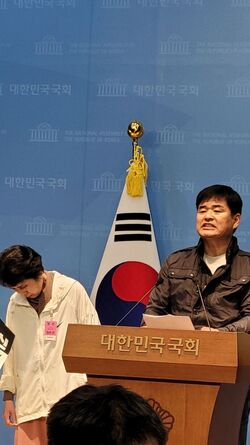
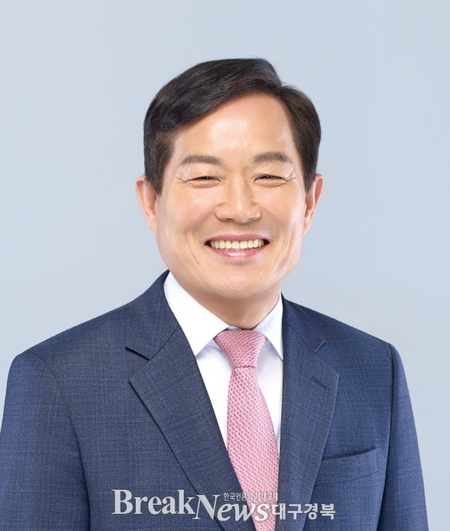
▲필자/유준상 '더 좋은 나라 전략포럼' 이사장(Chairman of the 'Better Country Strategy Forum': 전 국회의원. ©브레이크뉴스 |
1990년 가을, 차가운 노상에서 9일간의 단식투쟁을 이어가며 간절히 바랐던 것은 단 하나였다. 관치(官治)의 사슬을 끊고 주민이 자기 삶의 결정권을 갖는 ‘풀뿌리 민주주의’의 시대를 여는 것이었다. 목숨을 건 단식 끝에 부활한 지방자치제는 민주화를 향한 뜨거운 열망 속에 '민주주의의 훈련장'이 되리라는 기대를 한 몸에 받았다. 그것이 우리가 꿈꿨던 자치(自治)의 청사진이었다.
그러나 30여 년이 흐른 지금, 다가오는 지방선거를 앞둔 풍경은 참담하다. 지방자치는 중앙정치의 부속물로 전락했고, '민주주의의 보루'여야 할 지역 현장은 중앙당의 대리 전쟁터가 되어버렸다.
현재 각종 여론조사가 가리키는 지표는 일관되게 '야권의 전멸'을 예고하고 있다. 이는 단순히 특정 정당의 지지율 하락이라는 차원을 넘어 한국 지방자치 시스템의 붕괴를 의미한다. 야당이 궤멸 수준으로 몰락하여 여당을 견제할 최소한의 균형추마저 상실한 상태에서 치러지는 이번 선거는, 지방자치가 중앙정치의 부침에 얼마나 무력하게 종속되어 있는지를 여실히 보여준다.
지방의 이슈는 실종되었다. 지역의 미래를 고민해야 할 선거판은 중앙 권력의 지형도에 따라 일방적으로 휩쓸리고 있다. 주민의 삶을 돌보는 행정가가 필요한 자리에 중앙당의 눈치를 보는 정치 대리인들이 들어차는 현실은 지방자치의 본령을 뿌리째 흔들고 있다.
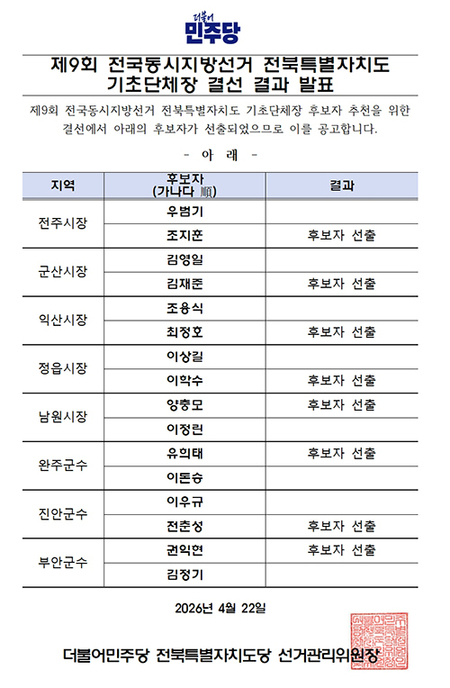
이러한 종속 관계의 핵심에는 '정당공천제'와 그 운영 방식인 '하향식 공천'이 자리 잡고 있다. 지역 일꾼을 뽑는 선거임에도 불구하고, 공천권을 쥔 중앙당 국회의원과 지도부의 입김이 절대적이다. 후보자들은 지역 주민의 목소리에 귀를 기울이기보다 공천권자의 비위를 맞추는 '줄서기'에 혈안이 된다.
중앙정치가 지방선거의 생사여탈권을 쥐고 흔드는 하향식 공천 구조가 지속되는 한, 지방자치는 '제왕적 단체장'과 '무기력한 의회'라는 고질병을 고칠 수 없다. 주민의 뜻이 아래에서 위로 반영되는 상향식 공천으로의 전면적인 전환 없이는, 지방의회는 중앙당의 지침을 수행하는 거수기로 남을 수밖에 없으며 그 피해는 고스란히 지역 주민의 몫으로 돌아간다.
야당의 존재감이 사라진 일당 독점의 지방정치는 필연적으로 부패와 독주를 낳는다. 견제와 균형이 작동하지 않는 행정은 주민의 복리보다 단체장의 선심성 사업과 전시행정에 치중하게 된다. 중앙정치의 논리에 매몰되어 지역의 고유한 특성과 자율성을 포기한 대가는 행정 서비스의 질 저하와 예산 낭비라는 부메랑이 되어 돌아올 것이다.
지방자치는 중앙정부의 하부 기관이 아니다. 대등한 파트너십을 바탕으로 지역 주민이 스스로의 운명을 결정할 때 비로소 민주주의는 완성된다. 이번 지방선거에서 나타나는 '야권 실종'과 '중앙 종속'의 위기를 우리는 뼈아프게 직시해야 한다.
이제라도 공천권을 주민에게 돌려주는 과감한 제도 개혁에 나서야 한다. 중앙정치의 예속에서 벗어나 자율과 책임이 살아 숨 쉬는 '진짜' 지방자치로 회귀하지 않는다면, 우리가 30년 전 단식으로 쟁취했던 지방자치의 꿈은 그저 허울 좋은 껍데기로 남게 될 것이다.
*필자/유준상 '더 좋은 나라 전략포럼' 이사장(Chairman of the 'Better Country Strategy Forum': 전 국회의원.
*아래는 위 기사를 '구글 번역'으로 번역한 영문 기사의 [전문]입니다. '구글번역'은 이해도 높이기를 위해 노력하고 있습니다. 영문 번역에 오류가 있을 수 있음을 전제로 합니다.<*The following is [the full text] of the English article translated by 'Google Translate'. 'Google Translate' is working hard to improve understanding. It is assumed that there may be errors in the English translation.>
Local Autonomy Becomes a Colony of Central Politics
- Yoo Jun-sang, Chairman of the 'Better Country Strategy Forum'
In the autumn of 1990, as I endured a nine-day hunger strike on the cold streets, I earnestly hoped for only one thing. It was to break the chains of bureaucratic control and usher in an era of 'grassroots democracy,' where residents hold the power to make decisions regarding their own lives. The local autonomy system, revived after a life-threatening hunger strike, was met with unanimous expectation that it would become a 'training ground for democracy' amidst a fervent desire for democratization. That was the blueprint for the self-governance we had dreamed of.
However, now that more than 30 years have passed, the landscape ahead of the upcoming local elections is bleak. Local autonomy has been reduced to an appendage of central politics, and the local sites, which should have been the 'bulwark of democracy,' have become proxy battlefields for the central party. Current indicators from various public opinion polls consistently forecast the "annihilation of the opposition." This signifies more than just a decline in the approval ratings of specific political parties; it represents the collapse of Korea's local government system. Held in a state where the opposition has fallen to the brink of annihilation, having lost even the minimal counterweight to check the ruling party, this election clearly demonstrates just how helplessly local autonomy is subordinated to the fluctuations of central politics.
Local issues have vanished. The election landscape, which should be contemplating the future of the region, is being unilaterally swept along by the landscape of central power. The reality in which positions requiring administrators to care for residents' lives are filled by political agents who pander to the central party is shaking the very foundations of local autonomy.
At the core of this subordinate relationship lie the "party nomination system" and its operational method, the "top-down nomination." Despite the fact that this is an election to choose local representatives, the influence of the central party's lawmakers and leadership, who hold the power of nomination, remains absolute. Candidates become obsessed with currying favor with those holding the power of nomination rather than listening to the voices of local residents.
As long as the top-down nomination structure persists, in which central politics holds the power of life and death over local elections, local autonomy cannot cure the chronic diseases of "imperial heads of local governments" and "powerless councils." Without a complete transition to a bottom-up nomination system where the will of the residents is reflected from the bottom up, local councils will inevitably remain mere rubber stamps carrying out the central party's directives, and the damage will fall entirely on the local residents.
Local politics dominated by a single party, where the presence of the opposition party has vanished, inevitably breeds corruption and unchecked power. An administration where checks and balances do not function becomes focused on the head of local government's populist projects and showpiece administration rather than the welfare of the residents. The price of abandoning the region's unique characteristics and autonomy while being buried in the logic of central politics will return as a boomerang in the form of a decline in the quality of administrative services and budget waste. Local autonomy is not a subordinate organ of the central government. Democracy is only truly complete when local residents determine their own destiny based on an equal partnership. We must painfully confront the crisis of the "disappearance of the opposition" and "central subordination" emerging in this local election.
Even now, we must embark on bold institutional reforms to return the power of nomination to the residents. Unless we break free from the subjugation of central politics and return to "real" local autonomy where autonomy and responsibility thrive, the dream of local autonomy that we won through a hunger strike 30 years ago will remain nothing more than an empty shell.
*Author: Yoo Jun-sang, Chairman of the 'Better Country Strategy Forum' (Former Member of the National Assembly)