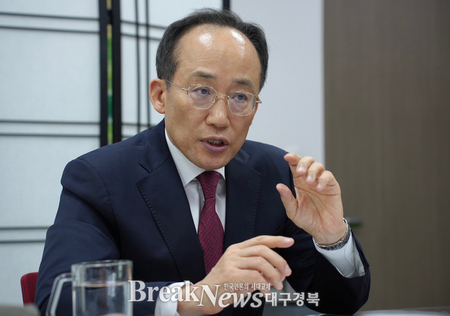
▲ 필자/정길선 러시아 과학아카데미 유라시아 고고인류학연구소 연구교수. ©브레이크뉴스 |
세계는 지금 주요 곡물 생산국인 러시아와 우크라이나의 전쟁으로 인해 세계 식량 가격이 급등하고 있고 각국이 자국의 식량을 보호하는 금수조치도 강화되고 있는 실정이다. 전쟁으로 인해 원자재 가격이 급등하고 있고 이에 맞서 여러 국가들은 각종 인플레에 따른 국민들의 악화된 여론을 달래기 시작했다. 우선 국내에서 식량 공급의 확대와 수용을 위해 식품 수출 제한에 나서는 국가들이 늘어나고 있다. 그러나 WTO 사무총장을 비롯한 전문가들은 미국과 중국의 무역 전쟁과 코로나 팬데믹 당시 각국의 백신과 의료장비 등 수출 제한 조치로 인해 이미 금이 간 자유무역 기조가 농산물 수출 제한으로 인해 더욱 흔들리고 있다고 진단했다. 이처럼 각국이 상품의 원활한 이동을 막으면 결국 물가가 더 오를 수밖에 없다는 경고도 내놓았다.
응고지 오콘조이웨알라 세계무역기구(WTO) 사무총장은 지난 다보스 포럼에서 현재 러시아가 봉쇄하고 있는 우크라이나 식량 재고를 이동시킬 수 있는 안전한 통로가 만들어지지 않으면 세계 식량 위기가 오는 2024년까지 계속될 수 있다고 경고했다. 그는 전쟁의 영향을 받은 우크라이나의 다음 달 농업 수확이 매우 어려울 것이라며 비관적인 전망을 내놓았다. 오콘조이웨알라는 다년 간의 식량 위기가 있을 것이라고 지적했다. 러시아-우크라이나 전쟁 이후 비료 가격이 급등하는 가운데 다보스 포럼에 참석한 글로벌 거대 비료 기업인 야라도 이에 대해 우려를 표했다. 야라의 CEO 스베인 토레 홀스더는 “과거 2007~2008년 식품 가격 인상의 절반은 정책 조치 때문이었고 수출 금지는 상황을 증폭시켰다”며 “우리는 당시 사회적 불안과 불안정으로 인해 무슨 일이 일어났는지 알고 있다”고 말했다.
크리스탈리나 게오르기에바 IMF 총재는 “식품 가격이 오르고, 오르고, 또 오르고 있다”고 우려했고, 아힘 슈타이너 국제연합개발계획(UNDP) 사무총장도 개발도상국들이 식량 위기, 연료 위기, 금융 위기라는 삼중고에 직면했다면서 올해 들어 26개국이 식품이나 비료에 대해 전면 수출 금지 또는 특별 인허가 절차 신설 등의 수출 제한 조치를 내놓았다고 언급했다. 이는 세계적으로 식량 위기가 극심했던 2008년 한 해 동안의 33개국에 버금가는 숫자이며, 이 중 23개국이 올해에도 수출규제에 나서고 있는 실정이다. 글로벌 식료품 가격은 코로나 팬데믹 이후 상승세를 이어왔으나 올해 들 국제 곡물 시장 가격 변동성이 심화한 것은 러시아와 우크라이나의 전쟁 영향이 크다. 러시아와 우크라이나는 밀(소맥), 옥수수 등 주요 전략작물뿐만 아니라 수수, 해바라기씨, 채유, 콩류 등의 주요 수출국이며, 국제 곡물 시장에서 차지하는 비중이 큰 편이다.
러시아의 2015~2019년 연평균 기준 밀 생산량은 7,300만 톤 수준으로 중국과 인도에 이어 세 번째지만, 밀 수출 규모는 3,173만 톤으로 세계 최대 수준이다. 러시아에 이은 주요 밀 수출국은 미국(2,590만 톤), 캐나다(2,352만 톤), 프랑스(2,001만 톤), 우크라이나(1,759만 톤) 순이다. 러시아와 우크라이나가 전 세계 밀 수출시장에서 차지하는 비중은 약 21.5%에 달하고 있다. 옥수수의 경우 연간 생산 규모는 미국, 중국, 브라질, 아르헨티나 순이지만 수출 물량으로 볼 때는 우크라이나가 미국, 브라질, 아르헨티나에 이어 네 번째로 많은 연간 2,201만 톤을 수출하고 있다. 이는 세계 옥수수 시장의 12.9%에 해당한다. 그리고 농산물 외에도 러시아는 비료 수출을 2022년 2월 4일부로 사실상 금지했는데 규모로 치자면 세계 질소비료 시장의 10%, 칼륨비료 시장의 18.7%, 그리고 인산비료 시장의 8.6% 수준이다.
따라서 이들 국가가 전쟁으로 인해 생산성이 감소하고 자국 밀, 귀리, 수수 등 전략작물의 수출규제를 시행하면서 이는 국제 곡물 시장 가격 변동성에 큰 영향을 주고 있는 실정이다. 인도가 밀에 이어 설탕 수출까지 제한하고, 말레이시아가 닭고기 해외 판매를 금지하겠다고 통보했다. 그래서 세계는 주요 수입처인 동남아시아와 남아시아 쪽의 수출 규제 동향에 귀추를 주목하고 있다. 그 이유는 곡물 생산량이 높은 동남아시아 국가들이 글로벌 식량 위기를 겪고 있는 현재, 식량을 수입할 수 있는 최후의 보루라 판단하고 있기 때문이다. 현재까지는 북아프리카, 서아시아, 중앙아시아, 동유럽, 남미 등에서도 수출규제를 시행하고 있으나, 수출규제 시행에 관해 WTO에 사전 통보를 한 것은 우크라이나와 키르기스스탄 뿐이기 때문이다. 인도네시아는 한 때 팜유 수출을 금지한 바 있다. 세계 최대 식용유 수출국인 인도네시아는 지난달 자국 내 식용유 가격을 안정시키겠다고 팜유 수출을 전면 중단했다가 25일 만에 재개했다.
한국도 여기에 자유롭지 못하다. 한국에서 소비되는 밀 가운데 99% 이상을 해외에 의존하고 있다. 박근혜 대통령 때는 2017년까지 식량자급률 70%, 곡물자급률 32%를 이루겠다고 밝히긴 했지만 그다지 의미 있는 상승률을 보이지 못했다. 현재 정부의 공공비축 대상 품목은 쌀과 콩, 밀에 그치고 있고 공공비축 계획 자체도 미흡한 상황이다. 전체 쌀 소비의 17~18%를 유지한다고 정했으며 밀과 콩은 지난 2021년에 2025년까지 각각 3만 톤, 6만 톤을 비축한다는 개략적인 목표만 세웠지 자급률이 올라가지 않아 답답한 실정이다. 더구나 공공비축 품목을 옥수수, 보리, 감자, 고구마 등 다양한 식량 작물들로 넓히고 장기적인 수급 계획을 세워야 한다. 그런데 아직까지 공공비축은 저장량 20%를 밑돌고 있다. 우리나라에서 도대체 대책이란 뭘까?
한편 동남아시아 국가들은 자국 품종을 보호하며 가격을 높이고 한편으로는 잉여 곡물들을 수출하여 코로나 펜데믹으로 무너진 자국 경제를 회생시키려 할 가능성이 높다. 이러한 부분을 대비하여 우리는 동남아시아에서 식량 수입을 통해 부족한 공공비축량의 최소 절반 가량을 채워야 한다. 중동이 석유로 경제가 급상승했듯이 동남아시아의 곡물 생산 및 수출국들도 돈방석에 앉을 가능성이 있다. 게다가 현재 그 어느 국가도 식량 문제에 대해서는 여유로운 입장이 못 된다. 결국 다음으로 주목할 곳은 동남아시아 한 군데 밖에 없다는 결론이 선다. 그래서 지금 동남아시아를 주목해야 하는 이유가 여기에 있다. lukybaby7@gmail.com
*필자/ 정길선.
노바토포스 회원, 역사학자, 고고인류학자, 칼럼니스트, 러시아 과학아카데미 유라시아 고고인류학연구소 연구교수
*아래는 위 기사를 '구글 번역'으로 번역한 영문 기사의 [전문]입니다. '구글번역'은 이해도 높이기를 위해 노력하고 있습니다. 영문 번역에 오류가 있을 수 있음을 전제로 합니다.<*The following is [the full text] of the English article translated by 'Google Translate'. 'Google Translate' is working hard to improve understanding. It is assumed that there may be errors in the English translation.>
War between Russia and Ukraine, major grain producers... 'World food problem rapidly increases'
Why we should look to Southeast Asia as a model for food production
-Jeong Gil-seon, columnist
In the world, global food prices are soaring due to the war between Russia and Ukraine, major grain producers, and embargoes by each country to protect their own food are being strengthened. Due to the war, raw material prices are soaring, and in response to this, many countries have begun to appease the worsening public opinion caused by various types of inflation. First of all, an increasing number of countries are restricting food exports to expand and accommodate domestic food supply. However, experts, including the WTO Secretary-General, diagnosed that the free trade stance, which was already cracked due to the trade war between the United States and China and each country's export restrictions on vaccines and medical equipment during the coronavirus pandemic, is being further shaken by restrictions on exports of agricultural products. They also issued a warning that if countries block the smooth movement of goods, prices will inevitably rise further.
Ngozi Okonjo-Iweala, Secretary-General of the World Trade Organization (WTO), said at the Davos Forum that the global food crisis will continue until 2024 if a safe channel is not created to move Ukrainian food stocks currently blocked by Russia. He warned that it could happen. He gave a pessimistic outlook, saying next month's agricultural harvest in Ukraine, which has been affected by the war, will be very difficult. Okonjo-Iweala said there would be a multi-year food crisis. With fertilizer prices soaring after the Russia-Ukraine war, Yara, a global fertilizer company that attended the Davos Forum, also expressed concern about this. “In the past, half of the food price increases in 2007-2008 were due to policy measures, and the export ban amplified the situation,” said Yara CEO Svein Torre Holder. “We knew what was happening due to social unrest and instability at the time. “There is,” he said.
IMF Managing Director Kristalina Georgieva expressed concern that “food prices are rising, rising, rising again,” and Achim Steiner, Secretary-General of the United Nations Development Program (UNDP), also said that developing countries are facing the triple whammy of a food crisis, a fuel crisis, and a financial crisis. He mentioned that this year, 26 countries have introduced export restrictions such as a complete export ban or the establishment of special licensing procedures for food or fertilizer. This number is comparable to the number of 33 countries in 2008, when the global food crisis was severe, and 23 of these countries are still imposing export restrictions this year. Global food prices have continued to rise since the coronavirus pandemic, but the deepening volatility of international grain market prices this year is largely due to the war between Russia and Ukraine. Russia and Ukraine are major exporters of major strategic crops such as wheat and corn, as well as sorghum, sunflower seeds, rapeseed oil, and soybeans, and they account for a large portion of the international grain market.
Russia's average annual wheat production from 2015 to 2019 was around 73 million tons, ranking third after China and India, but its wheat export volume was the world's largest at 31.73 million tons. The major wheat exporting countries following Russia are the United States (25.9 million tons), Canada (23.52 million tons), France (20.01 million tons), and Ukraine (17.59 million tons). Russia and Ukraine account for about 21.5% of the global wheat export market. In the case of corn, the annual production scale is the United States, China, Brazil, and Argentina, but in terms of export volume, Ukraine exports 22.01 million tons per year, the fourth largest after the United States, Brazil, and Argentina. This corresponds to 12.9% of the global corn market. And in addition to agricultural products, Russia has effectively banned the export of fertilizers as of February 4, 2022. In terms of size, it accounts for 10% of the global nitrogen fertilizer market, 18.7% of the potassium fertilizer market, and 8.6% of the phosphate fertilizer market.
Therefore, as these countries reduce productivity due to war and implement export restrictions on strategic crops such as wheat, oats, and sorghum, this is having a significant impact on price volatility in the international grain market. India has restricted exports of sugar as well as wheat, and Malaysia has announced that it will ban overseas sales of chicken. Therefore, the world is paying close attention to the trends in export regulations in Southeast Asia and South Asia, which are major importers. The reason is that Southeast Asian countries with high grain production are judged to be the last bastion for importing food at a time when they are experiencing a global food crisis. To date, export restrictions have been implemented in North Africa, West Asia, Central Asia, Eastern Europe, and South America, but only Ukraine and Kyrgyzstan have notified the WTO in advance of the implementation of export restrictions. Indonesia once banned palm oil exports. Indonesia, the world's largest exporter of cooking oil, suspended palm oil exports last month to stabilize domestic cooking oil prices, but resumed them 25 days later.
Korea is not free from this either. More than 99% of the wheat consumed in Korea is dependent on foreign sources. Although President Park Geun-hye announced that she would achieve 70% food self-sufficiency and 32% grain self-sufficiency by 2017, the rate of increase was not very meaningful. Currently, the items subject to the government's public stockpile are limited to rice, soybeans, and wheat, and the public stockpile plan itself is inadequate. It was decided to maintain 17-18% of total rice consumption, and only a rough goal of stockpiling 30,000 tons and 60,000 tons of wheat and soybeans in 2021 and 60,000 tons, respectively, by 2025 was set, but the self-sufficiency rate has not increased, which is frustrating. Moreover, public stockpiles must be expanded to include various food crops such as corn, barley, potatoes, and sweet potatoes, and a long-term supply and demand plan must be established. However, public reserves are still below 20% of storage capacity. What exactly are the measures in our country?
Meanwhile, Southeast Asian countries are likely to try to revive their economies collapsed by the coronavirus pandemic by protecting their own varieties, raising prices, and exporting surplus grains. To prepare for this, we must fill at least half of the shortfall in public reserves through food imports from Southeast Asia. Just as the Middle East's economy soared thanks to oil, grain producing and exporting countries in Southeast Asia are also likely to be sitting on a cash cushion. Moreover, currently, no country can take a relaxed stance on the food issue. In the end, the conclusion is that there is only one place to pay attention to next: Southeast Asia. So here is why we need to pay attention to Southeast Asia now. lukybaby7@gmail.com
*Writer/ Jeong Gil-seon.
Novatopos member, historian, archaeological anthropologist, columnist, research professor at the Eurasian Institute of Archeology and Anthropology of the Russian Academy of Sciences