▲ 정길선, 러시아 과학아카데미 유라시아 고고인류학연구소 연구교수. ©브레이크뉴스 |
지난 2023년 9월 7일 중국이 요소 수출을 중단했다. 이로 인해 한국 요소수 시장이 혼란스러워졌다. 2021년 사태 끝에 타국에서도 요소수를 수입해 중국 의존도를 97%에서 60%대까지 끌어내렸지만, 중국과의 가격 경쟁에 있어 타국이 밀리게 되자 2022년까진 베트남이나 인도네시아의 비중이 있었지만 2023년에 들어 두 국가에서 수입하는 양이 없어졌다. 실제로 지난 6일부터 12일까지 판매된 요소수의 거래액과 판매량은 지난 주 대비 각각 1700%, 1322%나 증가했다. 이 때문에 중간 유통 업체들이 물량을 갖고 있어 물류 회사들이나 운송 기사들이 요소수를 구하기 어렵다는 의혹이 제기되었다. 요소수는 많이 분들이 아는 것과 같이 주로 농업용, 산업용, 경유(디젤) 차량용으로 쓰이는 요소는 경제성 때문에 2010년대 초부터 중국 내의 석탄으로부터 주로 생산되어 왔다. 그런데 2021년 중국 내 석탄이 부족해지자, 중국 정부가 석탄과 더불어 요소 등 석탄으로부터 만들어지는 물질의 생산과 수출을 통제하기 시작했다.
이에 세계적으로 요소 부족 현상이 발생했으며 지난 2021년 요소 수입량의 97%를 중국에 의존하던 우리 한국에서도 요소수 품귀 현상으로 인한 대란이 발생하게 된다. 2008년 유럽 배출가스 기준의 유로4 등급부터 일부 대형 화물차 등 고출력 디젤 엔진에 SCR이 적용되면서 요소수가 요구되기 시작하여, 점진적으로 강화되는 환경규제에 따라 중, 소형 화물차에까지 확대되어 적용되었기 때문에 사실상 현재 출고되는 대부분의 경유(디젤)차량에 있어서 필수화 되었다. 요소수는 요소와 정제수의 혼합으로 이는 만들기 쉽고 한국도 생산 설비가 있는데 문제는 그 원료인 요소에 있다. 요소는 이산화탄소와 암모니아의 화합물로 암모니아는 수소와 질소의 화합물이다. 이산화탄소는 세계 모든 분야에서 나오기 때문에 이를 포집해 쓰면 된다. 특히 실제로는 천연가스를 태워 얻는 경우가 많다. 질소는 공기를 활성탄에 불어주면 생산되는데 활성탄의 재료는 무궁무진하게 많다. 이산화탄소와 암모니아의 화합법과 수소와 질소의 화합법은 거의 정해져 있다. 따라서 문제는 수소 생산의 경제성에 있다.
중국의 석탄은 풍부하고 매우 저렴하고 중국 석탄을 이용한 수소 생산에 전 세계가 의존하고 있다. 수소를 생산하는 방법은 두 가지가 있는데 전기분해로 수소를 생산하는 방법(그린 수소)과 화석연료로 수소를 생산하는 방법(그레이 수소)이 있다. 또 하나의 방법으로는 탄소를 포집하는 경우인데 이를 블루 수소라고 부르기도 했다. 현재는 그레이 수소가 수소 생산량의 99%에 달한다. 이로 인해 수소 경제가 아직은 비환경적이란 비판이 나오고 있는 실정이다. 석탄을 통한 수소 생산으로 보면 중국이 세계 석탄 생산량의 절반을 차지하고 있어 가장 저렴하기 때문에 전 세계가 의존하게 되었다. 한국의 경우 2010년을 마지막으로 전라남도 화순 탄광이 폐쇄되었고, 석탄 생산이 중단되었다. 천연가스를 통한 수소 생산으로 보자면 이는 유럽이 주로 하는 방식이었고, 유전이나 가스전에 남아 있는 가스를 태워 버리는 유증기(플레어 가스)를 포집해 수소 생산에 활용하자는 방안이 연구 중이지만 천연가스는 주로 러시아에게서 사오기 때문에 제재하고 있는 입장에서는 중국에 대한 의존도가 심해질 수밖에 없다.
석유를 통한 수소 생산으로 볼 때 한국에서 정유 산업이 발달했기 때문에 해왔던 방식이다. 이는 나프타 생산 과정에서 수소가 부산물로 나오는데, 이를 이용하는 것이다. 1964년에 삼성이 세웠으나 사카린 밀수 사건 이후 국유화된 한국비료공업이 주로 요소를 생산해 왔으며, 1994년 김영삼 정부 시기에는 한국비료공업을 민영화하기로 결정되자 삼성은 창업주인 이병철이 세운 회사이기에 시가의 3배를 주고 사와서 삼성정밀화학으로 사명을 변경했다. 2000년 대 들어 중국산에 비해 가격 경쟁력이 떨어져 분기 적자 10억 원이 나오는 상황에서 창업주 이병철이 중시했던 사업이라는 이유 때문에 요소 생산을 포기하지 않고 버텼다. 그러나 결국 2011년에 사업을 접었고 이후 삼성정밀화학은 2015년 롯데에 매각되어 롯데정밀화학으로 회사 명칭이 변경된다. 이 회사는 여전히 한국 최고의 암모니아 수입 및 요소수 생산 기업으로 알려져 있다.
중국은 2018년 7월, 2022년 베이징 동계올림픽에 녹색성장의 선도국임을 알리기 위해 푸른 하늘 계획(청천계획)을 시작하면서 석탄 생산을 줄이게 되었다. 2020년 5월, 호주와 중국 무역 분쟁으로 중국에 호주산 석탄이 들어오지 않게 되면서 2019년을 기준으로 중국은 석탄을 자국에서 38억 톤을 생산했다. 그리고 외국에서 2억톤 수입을 했는데 상당수가 몽골과 러시아이다. 이 중 호주는 3~4천만 톤 가량이며, 다소 비싸지고 있지만 인도네시아와 러시아산 석탄으로 물량이 대체되었다. 그래서 2020년 9월, 유엔 총회에서 시진핑 주석이 2030년까지 탄소 배출 감소로 전환하여 2060년 탄소 중립을 약속하게 된다. 그러면서 중국의 각 성마다 수천만 톤의 생산량을 줄이게 된다. 2021년 여름에는 전 세계가 위드 코로나로 전환함에 따라 제조업 전력이 많이 필요해졌으며 지구 온난화로 인해 냉방 전력도 많이 필요해져 예상보다 석탄을 많이 사용하게 되었다. 2021년 9월, 중국의 석탄 수입 차선책이었던 아프리카 기니에서 쿠데타가 발생하여 중국은 석탄을 수급하지 못했으며 10월에는 산서성에서 대홍수가 발생해 중국 내의 석탄 채굴장들이 침수당해 제 역할을 수행하지 못하게 된다.
중국 내에서의 석탄 부족은 전기 생산과 겨울철 가정 난방, 화학 산업 등에 큰 차질을 불러왔다. 게다가 국제 요소 비료 가격이 계속 오르자 중국 업체들이 전년 대비 2배 가까이 요소 비료를 수출하면서 요소 재고량도 역대 최저치로 떨어지게 된다. 그 때문에 중국 정부는 수출입 통관 업무를 총괄하는 해관총서(海关总署)를 통해 2021년 10월 11일, 요소를 포함해 29개 화학 비료 관련 원료 품목들에 대해 검사 절차를 추가하는 규제를 신설했으며 2021년 10월 15일부터 수출을 통제하기 시작했다. 그 중에서 앞서 언급한 것처럼 한국은 중국에게서 97%를 수입한다. 한국이 요소 대란 피해가 큰 것은 SCR 장착 경유(디젤) 차량의 비중이 높아졌기 때문이다. 대형 화물차에서 주로 적용됐던 SCR 방식이 점진적으로 현대 마이티 등의 중형급, 심지어 2020년식부터 현대 포터, 기아 봉고, 현대 스타렉스(현대 스타리아) 등 소형급 차량에까지 적용되고 있다.
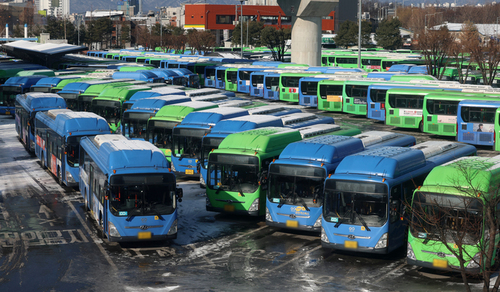
화물운송, 여객운송, 건설, 소방차 등 특수활동 등을 할 경우, 요소수 완충 후 다음 요소수 보충시기가 짧아 화물 운영중단 또는 감소에 따른 물류대란, 여객수송 문제, 각종 산업현장에서의 차량가동 중단 등으로 이어진다. 요소수는 SCR 장착 차량, 특히 산업 현장에서의 대형 상용 차량에 있어서는 경유를 주유할 때 마다 매번 같이 상당량을 넣어줘야 한다. 따라서 기름과 같은 국가적 핵심 필수재에 가까운 존재이다. 한국 기업들은 시장원리에 따라 2011년 요소의 국내 생산을 중단했고, 이후 요소의 원료가 되는 암모니아도 국내 생산을 중단한 뒤 전량 수입으로 공급 방침을 전환했기 때문에 벌어지는 2021년의 대참사였다. 정부는 중국이 요소 수출을 제한한 직후 요소 공급에 문제가 생길 수 있음을 인지했으나, 안일한 대응으로 일관하여 적절한 조치를 취하지 않았기에 피해는 더 컸다. 그리고 관세청에 따르면 2022년 중국 요소 수입액을 67%까지 낮췄으나, 다른 국가에서 수입하는 요소보다 중국산 요소의 가격이 더 저렴한 이유로 다시 중국에 의존하게 되었다.
중국에서 요소 수출을 내년 1분기까지 제한시키자 우리는 비축하고 있을지 주목된다. 다원화적인 입장으로 러시아와의 관계가 좋았다면 러시아로부터 받을 수 있을 것이다. 그러나 러시아를 적대한 이상, 베트남 등 동남아시아로부터 수입을 늘리는 수밖에 없는데 동남아시아 국가들도 여의치 않다고 한다. 정부에 따르면 중국 외 일본이나 베트남에서 수입될 물량을 포함해 현재 국내 차량용 요소와 요소수의 재고는 3개월치라고 하는데 요즘 정부가 하는 일들은 신뢰할 수가 없다. 말이 3개월치라 하지만 실제로는 한 달 분 밖에 없어 여기저기 구걸하고 다녀야 할 수도 있다. 윤석열 정부의 말을 믿을 수도 없고, 역대 정권에서 이렇게 신뢰가 바닥인 정권이 있었나 싶다. lukybaby7@gmail.com
*필자/ 정길선.
노바토포스 회원, 역사학자, 고고인류학자, 칼럼니스트, 러시아 과학아카데미 유라시아 고고인류학연구소 연구교수
*아래는 위 기사를 '구글 번역'으로 번역한 영문 기사의 [전문]입니다. '구글번역'은 이해도 높이기를 위해 노력하고 있습니다. 영문 번역에 오류가 있을 수 있음을 전제로 합니다.<*The following is [the full text] of the English article translated by 'Google Translate'. 'Google Translate' is working hard to improve understanding. It is assumed that there may be errors in the English translation.>
The upcoming urea number problem in Korea
-Jeong Gil-seon, columnist
On September 7, 2023, China stopped exporting urea. This caused confusion in the Korean urea water market. At the end of the 2021 crisis, other countries also imported urea, lowering dependence on China from 97% to 60%. However, as other countries fell behind in price competition with China, Vietnam and Indonesia had a share until 2022, but by 2023. Since then, the amount of imports from both countries has disappeared. In fact, the transaction amount and sales volume of urea water sold from the 6th to the 12th increased by 1700% and 1322%, respectively, compared to the previous week. For this reason, suspicions have been raised that it is difficult for logistics companies or transportation drivers to obtain the number of elements because intermediate distribution companies have a large volume. As many people know, urea, which is mainly used for agricultural, industrial, and diesel vehicles, has been mainly produced from coal in China since the early 2010s due to economic feasibility. However, as coal became scarce in China in 2021, the Chinese government began controlling the production and export of coal and materials made from coal, such as urea.
As a result, a global shortage of urea has occurred, and in Korea, which depended on China for 97% of urea imports in 2021, a crisis will occur due to a shortage of urea. As SCR was applied to high-output diesel engines such as some large trucks starting from the Euro 4 level of the European emission standard in 2008, urea water began to be required, and as environmental regulations were gradually strengthened, it was expanded to include medium and small trucks, so in fact, it is currently used. It has become essential for most diesel vehicles being shipped. Urea water is a mixture of urea and purified water. It is easy to make and Korea also has production facilities, but the problem lies in the raw material, urea. Urea is a compound of carbon dioxide and ammonia, and ammonia is a compound of hydrogen and nitrogen. Since carbon dioxide comes from all areas of the world, we can capture it and use it. In particular, in reality, it is often obtained by burning natural gas. Nitrogen is produced by blowing air into activated carbon, and the materials for activated carbon are endless. The method of combining carbon dioxide and ammonia and the method of combining hydrogen and nitrogen are almost fixed. Therefore, the problem lies in the economics of hydrogen production.
China's coal is abundant and very cheap, and the world relies on hydrogen production from Chinese coal. There are two ways to produce hydrogen: producing hydrogen through electrolysis (green hydrogen) and producing hydrogen using fossil fuels (gray hydrogen). Another method is to capture carbon, which is also called blue hydrogen. Currently, gray hydrogen accounts for 99% of hydrogen production. As a result, there is criticism that the hydrogen economy is still unenvironmental. In terms of hydrogen production through coal, China accounts for half of the world's coal production and is the cheapest, so the whole world has come to rely on it. In Korea, the Hwasun Coal Mine in South Jeolla Province was closed in 2010, and coal production was halted. In terms of hydrogen production through natural gas, this was the method mainly used in Europe, and a plan to capture oil vapor (flare gas) that burns gas remaining in oil or gas fields and use it for hydrogen production is being studied, but natural gas is mainly used in Russia. For those who are imposing sanctions on China, their dependence on China will inevitably increase.
In terms of hydrogen production through oil, this is the method that has been done in Korea because the oil refining industry has developed. This uses hydrogen, which is produced as a by-product during the naphtha production process. Korea Fertilizer Industry, which was established by Samsung in 1964 but was nationalized after the saccharin smuggling incident, mainly produced urea. In 1994, during the Kim Young-sam administration, when it was decided to privatize Korea Fertilizer Industry, Samsung was founded by founder Lee Byeong-cheol, so its market value was 3%. They bought the ship and changed the name to Samsung Fine Chemicals. In the 2000s, when price competitiveness was low compared to Chinese products, resulting in a quarterly loss of 1 billion won, the company did not give up on element production because it was a business that founder Lee Byeong-cheol valued. However, the business eventually closed in 2011, and Samsung Fine Chemicals was sold to Lotte in 2015 and the company name was changed to Lotte Fine Chemicals. The company is still known as Korea's leading ammonia importer and urea producer.
In July 2018, China began reducing coal production by launching the Blue Sky Plan to promote itself as a leading country in green growth for the 2022 Beijing Winter Olympics. In May 2020, due to the trade dispute between Australia and China, Australian coal stopped entering China, and as of 2019, China produced 3.8 billion tons of coal domestically. And 200 million tons were imported from foreign countries, most of which came from Mongolia and Russia. Of these, Australia accounts for about 30 to 40 million tons, and although it is becoming somewhat more expensive, it has been replaced by Indonesian and Russian coal. So, in September 2020, at the United Nations General Assembly, President Xi Jinping promised to transition to reducing carbon emissions by 2030 and become carbon neutral by 2060. At the same time, each province in China will reduce production by tens of millions of tons. In the summer of 2021, as the world transitioned to COVID-19, a lot of electricity was needed for manufacturing, and a lot of cooling power was needed due to global warming, leading to the use of more coal than expected. In September 2021, a coup occurred in Guinea, Africa, which was China's next best source of coal imports, leaving China unable to supply coal, and in October, a major flood occurred in Shanxi Province, flooding coal mines in China and rendering them unable to perform their functions.
Coal shortages in China have caused major disruptions in electricity production, winter home heating, and the chemical industry. In addition, as the international price of urea fertilizer continues to rise, Chinese companies export nearly twice as much urea fertilizer compared to the previous year, causing urea inventory to drop to an all-time low. For this reason, the Chinese government, through the General Administration of Customs, which oversees import and export customs clearance, established new regulations on October 11, 2021 to add inspection procedures for 29 chemical fertilizer-related raw material items, including urea. Export controls began on October 15, 2021. Among them, as mentioned earlier, Korea imports 97% from China. The reason Korea suffered so much damage from the urea crisis is because the proportion of diesel vehicles equipped with SCR has increased. The SCR method, which was mainly applied to large trucks, is gradually being applied to mid-sized vehicles such as Hyundai Mighty and even small-sized vehicles such as Hyundai Porter, Kia Bongo, and Hyundai Starex (Hyundai Staria) from the 2020 model year.
When carrying out special activities such as cargo transport, passenger transport, construction, fire trucks, etc., the period for replenishing the next urea solution after buffering the urea solution is short, resulting in logistics disruption due to the suspension or reduction of cargo operation, problems with passenger transport, and vehicle operation interruption at various industrial sites. It leads to etc. In SCR-equipped vehicles, especially large commercial vehicles in industrial sites, a significant amount of urea must be added every time the diesel fuel is refueled. Therefore, it is close to a key national necessity like oil. Korean companies stopped domestic production of urea in 2011 in accordance with market principles, and later stopped domestic production of ammonia, a raw material for urea, and changed their supply policy to import all of it, resulting in a catastrophe in 2021. The government recognized that problems with urea supply could arise immediately after China restricted urea exports, but the damage was greater because it consistently responded complacently and did not take appropriate measures. And according to the Korea Customs Service, the amount of Chinese urea imports was lowered by 67% in 2022, but the price of Chinese urea is cheaper than that of urea imported from other countries, so we have to rely on China again.
With China restricting urea exports until the first quarter of next year, attention is being paid to whether we are stockpiling. If the relationship with Russia was good with a pluralistic stance, you would be able to receive it from Russia. However, since Russia is hostile, we have no choice but to increase imports from Southeast Asia, such as Vietnam, but even Southeast Asian countries say this is not feasible. According to the government, the current inventory of urea and urea water for domestic vehicles, including those to be imported from Japan and Vietnam other than China, is 3 months' worth, but what the government is doing these days cannot be trusted. They say it's a three-month supply, but in reality, there's only one month's supply, so you may have to go begging here and there. I can't trust the words of the Yoon Seok-yeol government, and I wonder if there has ever been a government in the past where trust was so low. lukybaby7@gmail.com
*Writer/ Jeong Gil-seon.
Novatopos member, historian, archaeological anthropologist, columnist, research professor at the Eurasian Institute of Archeology and Anthropology of the Russian Academy of Sciences