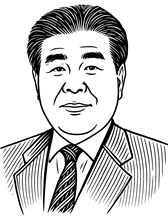
▲ 정길선 칼럼니스트 ©브레이크뉴스 |
1996년 핵을 완전히 제거한 우크라이나는 1998년 당시 러시아의 주도로 이란 부셰르(Bushehr) 지방에 핵 발전소를 건설하는 프로젝트에 참여하고 있었다. 이는 이란이 미국의 적국이었음을 생각하면 이는 미국의 심기를 심하게 거스르는 일이었다. 게다가 이란의 핵실험에 대해 우크라이나가 프로젝트에 참여해 큰 도움을 주었다는 것은 미국의 적국을 돕는 것이니 우크라이나에 경제 원조를 중단한다는 초유의 발표를 하게 된다. 원래 미국은 우크라이나가 핵을 포기한 이후에도 우크라이나의 행동을 크게 신뢰하지 않았었다. 이는 우크라이나에 여전히 핵 기술자들이 남아있고 발전소 설계도에 대한 복사본이 존재할 수 있다는 의심 때문이었다. 게다가 앞서 포스팅했던 유즈마쉬(Южмаш)와 유즈노예(Южное)는 여전히 정상적으로 돌아가고 있었고 저렴한 전기 공급을 위해 드네프르 강의 수력발전과 테르노필과 지토미르에 설치한 풍력발전에 대한 의존도를 줄였다. 결국 당시 레오니드 쿠치마 우크라이나 대통령은 2000년 빌 클린턴 미국 대통령에게 핵 발전소 건축을 허가해달라 요청했고 결국 클린턴과 미 행정부의 허가를 받게 된다.
핵 발전소를 허가해주고도 미국은 우크라이나가 이를 군사적인 방향으로 전용할 것을 우려하여 미국과 우크라이간 핵 에너지의 평화적 사용에 대한 협정 (Agreement for Cooperation between the United States of America and Ukraine Concerning Peaceful Uses of Nuclear Energy)까지 맺으며 우크라이나를 적극적으로 견제했다. 또한 폴란드 등 옛 소련의 위성국가들이 러시아의 위협에 대응하기 위하여 독립 직후 나토에 서둘러 가입했던 것에 비하여 우크라이나에 나토가 사무소를 차리던 당시인 1997년에는 혹시나 모를 우크라이나의 핵확산 및 유즈마쉬의 기술로 러시아와 연대해 크림반도에 미사일 기지를 만들어 실험할 것을 우려하여 나토 가입을 반대하기도 했다. 게다가 우크라이나내 나토 가입 여론은 찬성 37%, 반대 28%, 미결정 34%로서 그다지 환영받는 입장은 아니었다. 이와 같이 당시 우크라이나에는 러시아계 주민들이 많이 거주했기에 친러성향이 높았던데다 당시 우크라이나는 러시아에 대한 경제의존도가 압도적으로 높았다.
게다가 세바스토폴에는 러시아 해군까지 상시 주둔하는 상황이었기 때문에 우크라이나가 공공연히 반러 정책을 실행하는 것은 오히려 불가능한 일이었다. 그리고 미국도 우크라이나가 이란 부셰르(Bushehr) 지방에 핵 발전소를 건립하는 프로젝트에 대한 문제로 인해 그다지 가깝게 지내지는 않았다. 당시 미국과 우크라이나가 체결한 유의미한 공식 외교관계는 1996년에 양국이 체결한 전략적 파트너쉽(Strategic Partnership) 하나가 전부였을 정도였다. 당시에는 러시아가 경제적 공황을 심각하게 겪고 있던 암혹기였기에 그다지 큰 위협을 받으리라고 생각하지 않았기에 별로 관심을 가지지 않았던 것이다. 물론 이러한 미국-우크라이나의 상황이 바뀌게 된 것은 미국의 43대 대통령 조지 W. 부시가 취임하고서 부터였다. 군사행동을 통해서라도 독재국가에 미국적 민주주의를 전파해야 한다는 사명을 가지고 있었던 네오콘이 장악한 미국 행정부는 지금까지의 좋지 않았던 우크라이나와의 관계에 대해서도 적극적으로 행동하기 시작한다.
그리고 당시 우크라이나의 대통령인 레오니드 쿠치마도 역시 미국과 러시아 사이에서 줄타기 외교를 했는데 레오니드 쿠치마는 미국의 이라크 전쟁을 지지하고 이라크에 파병까지 결행하면서 미국의 환심을 사려했다. 그러나 다른 한편으로는 자국의 언론인들을 옛 KGB의 방식처럼 무자비하게 탄압하고 미국의 적이었던 사담 후세인에게 군사장비까지 팔아 먹으며 돈을 챙기는 이중적인 면모도 함께 가지고 있었다. 미국의 적극적인 요청에 결국 우크라이나는 2002년 나토에 대한 가입 의사에 처음으로 공식적인 입장을 밝혔고 오렌지 혁명으로 인해 대통령으로 집권한 친서방파 정치인 빅토르 유센코는 NATO 가입 의지를 피력하게 된다. 하지만 당시 우크라이나의 국내 여론은 나토 가입에 대해 점점 더 부정적인 상태였고 반미와 친러 성향이 짙어졌었는데 이는 당시 조지 W. 부시의 이라크 침공 및 전쟁과 더불어 금융위기와 같은 실정으로 인해 미국에 대한 대외적인 이미지가 매우 낮았다는 점과 빅토르 유센코로 대변되는 친서방파가 매우 무능했기 때문에 결국 민심을 잃어 나토 가입의 길은 점점 더 멀어지게 되었다.
미국은 나름대로 우크라이나와의 관계 개선을 시도하게 되지만 2006년 우크라이나와 공동으로 수행하기로 했던 최초의 합동 해상 훈련이 현지 주민들의 거센 반발로 취소되는 등 민심은 여전히 반미 여론이 강했다. 실제로 2012년 부시 대통령 임기 종료 직후 여론 조사기관인 갤럽이 실시한 바에 따르면, 당시 우크라이나 국민들의 미국 리더쉽에 대한 신뢰도는 33%로서 유럽 국가들 중 중하위권에 속하는 수준이었으며 2008~2009년 당시 옛 소비에트 연방에 속해 있던 국가들의 국민들을 대상으로 러시아와 미국 중 양자택일의 상황이 오면 어느 국가를 선택하겠냐고 문의한 설문조사들에 의하면, 러시아를 버리고 미국을 택하겠다는 우크라이나 국민은 겨우 12%에 불과했으며 미국을 버리고 러시아를 선택하겠다는 응답은 44%로 엄청난 차이를 기록하였다. 우크라이나 함께 나토 가입을 오랜 기간 동안 요구했던 조지아만 하더라도 같은 조사에서 미국을 택하겠다는 응답이 24%, 러시아를 선택하겠다는 응답이 28%로 비등한 수준이었음을 감안했을 때 우크라이나의 당시 대미 성향이 우호적이지 않았음을 알 수 있다.
우크라이나는 러시아인 인구가 상당히 많은데다 우크라이나인들 중에서 과거 같은 소련인이자 동슬라브 계통인 러시아인, 벨라루스인과 결혼한 사람이 많아서 이들을 배신할 수 없다고 생각했던 점 역시 간과할 수 없다. 게다가 지리적인 이유로 인해 상당부분 국경을 마주하고 있는 상황이 겹쳐서 반러 정권이 안정적으로 유지되는 것도 어렵다 판단했다. 나토에 가입하겠다며 의사만 표명했을 뿐 적극적인 행동에 있어 상당히 많은 제약 상황이 있었고 국민들의 여론이 좋지 않음으로 인해 최대한 회피했다. 바로 이런 부분 때문에 우크라이나 친서방파 입장에서는 나토에 가입할 수 있는 기회를 여러차례 놓치게 된 것이다. 그러던 중 우크라이나 역사에서 결정적인 순간으로 손꼽히는 <부쿠레슈티의 나토 정상선언문>이 2008년에 발표되었다. 이 선언문 23조에서 NATO는 조지아, 우크라이나 두 나라의 나토 가입의 염원을 환영하며, 나토의 외무장관들이 가입 절차의 다음 순서인 멤버쉽 행동 플랜(MAP) 적용 시기를 결정한다고 명시하게 된다.
당시 임기가 끝물에 있었던 미국 대통령 부시는 조지아와 우크라이나를 빨리 나토에 가입시키려고 보다 구체적이며 즉각적인 플렌을 요구했으나 이번에는 러시아에 에너지 교역 및 지원을 받고 있던 프랑스와 독일이 러시아의 반발을 우려해 반대하는 바람에 최종본과 더불어 가입 만을 약속하는 형태로 수정되고 두 나라의 나토 가입은 허용되지 않게 된다. 그러나 이 선언문의 파급 효과는 생각보다 크게 작용했다. 자국과 국경을 마주하는 우크라이나가 언제든지 나토로 넘어갈 수 있다는 불안감이 러시아에 심어진 것이다. 이후 러시아는 우크라이나 내부 친러 세력을 적극적으로 지원하여 나토 가입을 최대한 막고자 했고 친서방파의 무능에 지쳐 있는 우크라이나 국민들은 친러파인 빅토르 야누코비치를 대통령으로 2010년 선출하여 친러로 선택함에 따라 우크라이나의 나토 가입은 다시 한 번 멀어지게 된다. 이것이 우크라이나가 나토에 가입하지 못한 이유이다.
대한민국 20대 대통령에 당선된 윤석열 대통령은 대통령 후보로써 러시아-우크라이나 전쟁에 대해 글을 남긴 바 있다. "우크라이나는 핵을 포기하는 대신에 신속히 나토(NATO)에 가입해야 했다"고 말이다. 그러나 우크라이나가 나토에 신속히 가입할 수 없었던 원인들을 알아보지도 않고 신속히 가입했어야 한다는 말은 현재 판단해서 내린 "결과론"에 불과하다. 역사라는 것은 당시의 시대적 현황을 보고 당시의 기준으로 판단해야 한다. 그것을 10~15년이 지난 지금에야 "그랬어야 했다" 라는 식으로 생각한다면 이는 윤 대통령이 가지고 있는 국제관계학적 역사관이 문제가 있지 않나 생각된다. 그러나 이런 부분은 윤 대통령이 역사학자가 아니기에 주위에 보좌관들이 코칭을 했었어야 하는 것이 맞다. 이런 오류와 사관이 그대로 표명이 된다는 것은 보좌관들이 대단한 문제가 있다고 본다. 윤 대통령이 모든 것을 다 알수는 없기에 주위에 뛰어난 보좌관들이 윤 대통령을 보필해야 하는데 그런 부분이 참 아쉬운 부분이다. 결론적으로 우크라이나의 나토 가입은 안 한게 아니라 하고 싶어도 못한 것이다.
*필자/ 정길선.
노바토포스 회원, 역사학자, 고고인류학자, 칼럼니스트, 러시아 과학아카데미 유라시아 고고인류학연구소 연구교수.
*아래는 위 기사를 '구글 번역'으로 번역한 영문 기사의 [전문]입니다. '구글번역'은 이해도 높이기를 위해 노력하고 있습니다. 영문 번역에 오류가 있을 수 있음을 전제로 합니다.<*The following is [the full text] of the English article translated by 'Google Translate'. 'Google Translate' is working hard to improve understanding. It is assumed that there may be errors in the English translation.>
Ukraine, which completely eliminated its nuclear weapons in 1996, was participating in a project in 1998 to build a nuclear power plant in Bushehr, Iran, led by Russia. This was against the U.S. sentiment, considering that Iran was an enemy of the United States. Moreover, Ukraine's participation in the project and great help in Iran's nuclear test was to help the U.S. adversary, making an unprecedented announcement to Ukraine that it would stop providing economic aid. Originally, the U.S. did not trust Ukraine's behavior much even after it gave up its nuclear weapons. This was due to suspicions that there were still nuclear engineers left in Ukraine and that copies of the plant design might exist. In addition, the previous posts of Южм а ш and н노줄였다 were still operating normally, and for low electricity supply, they reduced their dependence on hydroelectric power on the Dnieper River and wind power installed in Ternopil and Zhytomir. Eventually, then-Ukrainian President Leonid Kuchma asked U.S. President Bill Clinton in 2000 to grant permission to build a nuclear power plant, and eventually received permission from Clinton and the U.S. administration.
Despite the approval of the nuclear power plant, the United States even signed an Agreement for Cooperation between the United States and Ukraine on the Peaceful Use of Nuclear Energy, fearing that Ukraine would use it in a military direction, to actively check Ukraine. In addition, compared to the fact that former Soviet satellite states such as Poland hastily joined NATO immediately after independence, in 1997, when NATO opened its office in Ukraine, they opposed joining NATO out of fear of building and testing a missile base in Crimea with Ukraine's possible nuclear proliferation and Yuzmarsh technology. Furthermore, the public opinion of joining NATO in Ukraine was not very welcome, with 37% in favor, 28% against, and 34% undecided. As such, Ukraine had a large number of Russian residents at the time, so it was highly pro-Russian, and Ukraine was overwhelmingly economically dependent on Russia.
Furthermore, it was rather impossible for Ukraine to openly implement its anti-Russian policy because even the Russian Navy was constantly stationed in Sevastopol. Additionally, the United States was not very close to Ukraine due to the issue with the project to build a nuclear power plant in Bushehr, Iran. The only significant official diplomatic relationship between the United States and Ukraine at the time was the Strategic Partnership signed between the two countries in 1996. At the time, Russia was in a dark period of serious economic panic, so they did not pay much attention because they did not think it would be under much threat. Of course, it was only after the 43rd President of the United States, George W. Bush, took office that this situation in the United States-Ukraine. With a mission to spread American democracy to dictatorships, even through military action, the Neocon-controlled US administration begins to act aggressively on relations with Ukraine, which have so far been poor.
Ukraine's then-president, Leonid Kuchma, also engaged in tightrope diplomacy between the United States and Russia. Leonid Kuchma supported the American war in Iraq and even sent troops to Iraq to curry favor with the United States. However, he also had a dual aspect of ruthlessly suppressing his country's journalists like the old KGB method and earning money by selling military equipment to Saddam Hussein, an American enemy. Ukraine, at the end of the US' active request, made its first official intention to join NATO in 2002, and Viktor Yusenko, a pro-Western politician who took power as president due to the Orange Revolution, expressed his willingness to join NATO. However, Ukraine's domestic public opinion at the time was increasingly negative about NATO membership, and anti-American and pro-Russian tendencies grew stronger. Due to the low public image of the United States due to circumstances such as George W. Bush's invasion of Iraq and the financial crisis at the time, as well as the incompetence of the pro-Western faction represented by Viktor Yusenko, they eventually lost public sentiment and moved farther and farther.
The U.S. attempts to improve relations with Ukraine in its own way, but public sentiment remained strong against the U.S., with the first joint maritime exercise scheduled to be conducted jointly with Ukraine canceled in 2006 due to strong opposition from local residents. In fact, according to Gallup, a pollster, shortly after the end of Bush's presidency in 2012, the Ukrainian people's confidence in U.S. leadership was 33%, which was the lowest among European countries. According to a survey of people from countries belonging to the former Soviet Union between 2008 and 2009, only 12% of Ukrainians said they would abandon Russia and choose the U.S., while 44% said they would abandon the U.S. and choose Russia. Considering that Georgia, which had long demanded NATO membership with Ukraine, was on par with 24% saying it would choose the U.S. and 28% saying it would choose Russia, it shows that Ukraine's tendency toward the U.S. at the time was not favorable.
It cannot be overlooked that Ukraine has a sizable Russian population and that many of the Ukrainians married the same Soviet, East Slavic Russians, and Belarusians in the past, making it impossible to betray them. Furthermore, due to geographical reasons, it was difficult for the anti-Russian regime to remain stable due to the overlapping border situation.
He only expressed his intention to join NATO, but there were quite a few restrictions on his active behavior and avoided it as much as possible due to the poor public opinion. This is why pro-Western Ukrainian people have missed several opportunities to join NATO. Meanwhile, the "Bukureshti NATO Summit Declaration", which is considered a decisive moment in Ukrainian history, was published in 2008. In Article 23 of this declaration, NATO welcomes the aspirations of both Georgia and Ukraine to join NATO, and states that NATO's foreign ministers decide when to apply the Membership Action Plan (MAP), which is the next step in the accession process.
U.S. President Bush, whose term was nearing the end of his term, requested a more specific and immediate plan to quickly join NATO, but this time, France and Germany, which had received energy trade and support from Russia, objected out of fear of a Russian backlash, so they would be revised to a form that promises only membership in the final version and will not be allowed. However, the declaration's ripple effect was more significant than expected. Insecurity has been instilled in Russia that Ukraine, which faces a border with its country, could move to NATO at any time. Since then, Russia has actively supported pro-Russian forces inside Ukraine to prevent them from joining NATO as much as possible, and the Ukrainians, who are tired of the pro-Western faction's incompetence, elected pro-Russian Viktor Yanukovych as their president in 2010 and chose him as pro-Russia, which once again distanced them from joining NATO. This is why Ukraine did not join NATO.
Yoon Suk Yeol, who was elected as the 20th president of the Republic of Korea, had written about the Russia-Ukraine war as a presidential candidate. "Ukraine should have quickly joined NATO instead of giving up its nuclear weapons." However, the statement that Ukraine should have quickly joined NATO without recognizing the causes behind its inability to quickly join NATO is nothing more than a "consequential theory" made by the current judgment. History should be judged based on the current state of the times and based on the standards of the time. Considering that 10 to 15 years later, "It should have been," it seems that President Yoon's view of history on international relations is problematic. However, it is right that his aides should have coached him in this regard, as he is not a historian. The fact that such errors and views can be expressed as they are suggests that aides have a big problem. As President Yoon cannot know everything, outstanding aides around him should have assisted him, which is regrettable. In conclusion, Ukraine's joining NATO is not something it didn't do, but it couldn't do even if it wanted to.