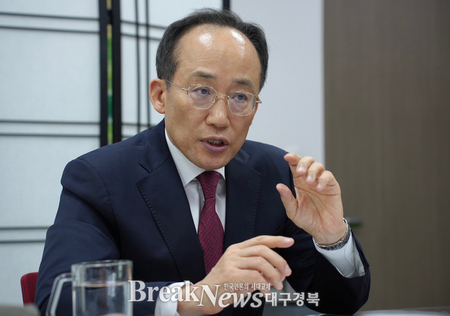
▲ 정길선 박사 ©브레이크뉴스 |
세르비아와 중국의 경제 협력 동기는 더욱 분명하다. 첫 번째 세르비아와 같이 소규모 개방경제에는 경제발전 속도를 높이고 미래 성장을 촉진하기 위해서는 투자 확 영향을 미치는 고속도로, 철도, 교량 등 인프라 프로젝트가 필수적이다. 두 번째 세르비아의 스메데레보(Smederevo) 같은 대형 국영기업의 구조조정이 필요하기 때문이다. 국영기업들은 수천 명의 근로자를 고용하고 있지만 막대한 적자를 국가 예산으로 메워야 하는 실질적인 ‘폭탄’이나 다름 없었다.
수 년간 자국 국영기업에 투자하려는 전략적 파트너를 찾게 된 세르비아 정부는 중국 기업들의 관심을 좋아하면서 우선 세르비아 내에 자리 잡고 있는 구조적인 문제 해결을 기대했다. 그 동안 세르비아 경제는 최대 투자국이자 세르비아 상품의 최대 수입국인 EU에 대한 의존도가 상당히 높았었다. EU는 세르비아 수출품의 3분의 2를 수입했다. 따라서 중국 기업들과의 협력은 세르비아의 수출 시장을 다변화하고, EU와 발칸지역에 대한 과도한 노출 위험을 다소 완화하는 데 도움이 될 것으로 전망하고 중국 기업을 끌어들이려 했던 것이다.
이는 EU 가입에 대한 절차가 매우 더디게 진행되고 있고, EU 내 정치적인 문제로 인해 사실상 가입이 중단되고 있는 현 상황에서 특히 중요한 입장이다. 그리고 세르비아가 고부가가치 투자 유치에 주력할 필요가 있어서 그렇다. 그러한 현상이 지식과 수출 기반 경제를 구축하고 국민들의 생활 수준을 향상시키는 유일한 방법이기 때문이다. 세르비아가 지난 20년간 유치한 투자는 대부분 섬유나 케이블과 같은 저부가가치 산업이었다. 그러나 중국은 투자 당시 자국의 노동력과 공급자들에 크게 의존하고 있다. 이러한 관행으로 인해 세르비아 국내 건설사들은 중국 투자의 긍정적인 파급 효과를 누리지 못함에 따라, 세르비아 경제에 미치는 영향도 줄어들고 있다.
최근 중국은 세르비아의 국영기업인 스메데레보 철강공장과 보르(Bor)에 있는 구리 생산업체를 인수했다. 양사 인수 금액은 총 3억 6,000만 달러(약 4,300억 원) 정도로 기대에 미치지 못했다. 다만, 양사 모두 심각한 재정난에 직면해 있었기 때문에 세르비아 정부에게 있어서 민영화만이 유일한 탈출 전략이었기에 이는 중국이 원하는 조건과 맞아 떨어진 상황이라 생각된다. 그러나 세르비아의 부치치 대통령은 세르비아가 유럽에서 중국의 유일한 파트너가 아니라는 점을 강조헸다. 중국은 헝가리, 루마니아, 슬로바키아에도 대규모 투자를 하고 있는데 중국이 동유럽 시장을 확대함에 따라 세르비아에 대한 투자는 조금씩 줄어들 수밖에 없다. 따라서 부치치 대통령은 다변화의 전략의 형제 국가인 러시아의 기업들을 유치할 계획을 세우고 있다.
한편 중국은 몬테네그로(Montenegro)에서 대규모 인프라 프로젝트인 바르-볼랴레(Bar-Boljare) 간 고속도로를 건설하고 있는 상황이다. 마찬가지로 이곳 크로아티아에서도 몇몇 프로젝트에 깊숙이 관여하고 있으며 크로아티아 남부에 있는 펠예사츠(Peljesac) 대교를 건설했다. 펠예사츠 대교는 길이 2.4㎞로 보스니아 헤르체고비나 일부 지역을 지나 크로아티아 본토와 최남단 두브로브니크 네레트바주 펠예사츠 반도를 연결한다. 이전에는 보스니아 헤르체고비나의 네움 지역을 지나가야 해서 두보르브니크는 크로아티아의 역외 영토로 분류됐었는데 펠예사츠 대교가 건설되면서 스플리트에서 두보르브니크를 보스니아 헤르체고비나 영토를 거치지 않고 바로 연결하여 지나갈 수 있게 되었다. 이어 EU 국가 중에서 지난 몇 년 동안 헝가리와 이탈리아 같은 다른 EU 회원국들도 중국 기업과의 협력에 큰 관심을 보여왔고 중국은 유럽에서 크게 투자를 늘리고 있는 상황이다.
하지만 중국 기업과의 협력 및 확대 시 몇 가지 위험을 감수해야 한다. 우선, 중국 기업들은 EU 시장 진출을 위해 서구 금융기관들보다 종종 더 융통성을 보이고 있다. 이는 장점이 될 수 있지만 원칙없는 융통성은 양날의 검이나 마찬가지다. 특히 몬테네그로의 바르-볼랴레 고속도로 프로젝트의 경우도 국제 개발 은행들로부터는 실현 가능성이 없다는 평가를 받았지만 중국 수출입 은행(CHEXIM)은 이를 수용하여 불가능을 가능으로 만들고 있다. 중국 파트너들은 투자에 유연할 뿐만 아니라 프로젝트 추진과 관련된 다른 위험에 대해서도 더 유연한데 중국 파트너들은프로젝트가 공공부채 증가나 지속적으로 가능한 개발 목표 달성에 미치는 영향은 그다지 고려하지 않고 있다.
실제로 세르비아에서 스메데레보와 보르 투자는 반대로 해당 지역에 심각한 환경 파괴 문제를 낳았다. 세르비아 정부가 환경에 미칠 잠재적 영향을 무시한 채 중국 파트너들과 어느 정도 타협을 했기 때문에 여기에 어떠한 뒷거래가 성사되었는지에 여전히 의문에 있다. 세르비아는 중국과 관계를 조율할 수 있는 방법이 EU 가입이라는 견해를 버리지 않고 있다. 따라서 세르비아가 EU 가입 속도를 내기 위해서는 지속적으로 가능한 개발 목표를 존중하고 EU의 기준을 충족하는 게 더욱 중요할 수 있다. 그러나 세르비아가 EU 가입을 계속 희망하는 이상 중국과 계속 긴밀한 경제 협력을 유지할 수 있을 지는 의문일 수 있지만 중국과 관계가 불안해질 때를 고려하여 이는 하나의 보험적인 성격을 띄고 있다.
*필자/ 정길선.
노바토포스 회원, 역사학자, 고고인류학자, 칼럼니스트, 러시아 과학아카데미 유라시아 고고인류학연구소 연구교수.
*아래는 위 기사를 '구글 번역'으로 번역한 영문 기사의 [전문]입니다. '구글번역'은 이해도 높이기를 위해 노력하고 있습니다. 영문 번역에 오류가 있을 수 있음을 전제로 합니다.<*The following is [the full text] of the English article translated by 'Google Translate'. 'Google Translate' is working hard to improve understanding. It is assumed that there may be errors in the English translation.>
Economic cooperation between President Xi Jinping and Serbia and China due to visit Serbia on May 7
columnist Jeong Gil-sun
The motivation for economic cooperation between Serbia and China is all the more clear. In order to speed up economic development and promote future growth, infrastructure projects such as highways, railroads, and bridges are essential for a small open economy like Serbia. Second, large state-owned enterprises like Smederevo need to be restructured. Although state-owned enterprises employ thousands of workers, they have been nothing short of a "bomb" that has to be made up for with state budgets.
After looking for a strategic partner to invest in its own state-owned enterprises for several years, the Serbian government enjoyed the interest of Chinese companies and anticipated solving the structural problems that lie in Serbia. Until now, the Serbian economy has become significantly more dependent on the EU, the largest investor and importer of Serbian goods. The EU imported two-thirds of Serbia's exports. As a result, he anticipated that collaboration with Chinese companies would help diversify Serbia's export market and alleviate the risk of excessive exposure to the EU and the Balkans, in order to attract Chinese companies.
This is a particularly important position in the current situation where the process of joining the EU is very slow and political issues within the EU are virtually interrupted. This is because Serbia needs to focus on attracting high value-added investments. This is because such a phenomenon is the only way to build a knowledge and export-based economy and improve people's living standards. Most of the investments Serbia has attracted over the past 20 years have been in low-value-added industries such as textiles and cables. However, China is heavily dependent on its labor and suppliers at the time of its investment. As a result of this practice, domestic Serbian construction companies are unable to enjoy the positive ripple effect of Chinese investment, their impact on the Serbian economy is also being reduced.
Recently, China acquired the Smedelevo steel plant, a state-run Serbian company, and a copper producer in Bor. The two companies' acquisitions totaled $360 million (about 430 billion won), falling short of expectations. However, since both faced severe financial difficulties, privatization was the only way out for the Serbian government, which is believed to have met the conditions China wanted. However, Serbian President Vucic stressed that Serbia is not China's only partner in Europe. China is also making large investments in Hungary, Romania, and Slovakia, but as China expands its Eastern European market, its investment in Serbia will inevitably decrease slightly. Therefore, Vucic is planning to attract Russian companies, which are brothers in the diversification strategy.
Meanwhile, China is building a highway between Bar-Boljare, a large-scale infrastructure project, in Montenegro. Similarly, here in Croatia, they are deeply involved in several projects and have built the Peljesac Bridge in southern Croatia. The Peljesac Bridge is 2.4 kilometers long, passing through parts of Bosnia and Herzegovina, and connecting mainland Croatia with the Peljesats Peninsula in the southernmost province of Dubrovnik Neretba. Previously, Dubrovnik was classified as an offshore territory of Croatia because it had to pass through the Neum region of Bosnia and Herzegovina, but the construction of the Peljesats Bridge allowed them to directly connect Dubrovnik from Split without passing through Bosnia and Herzegovina's territory. Other EU member states, such as Hungary and Italy, have also shown great interest in cooperation with Chinese companies over the past few years, and China is greatly increasing investment in Europe.
However, you have to take some risks when cooperating and expanding with Chinese companies. First of all, Chinese companies are often more flexible than Western financial institutions to enter the EU market. This can be an advantage, but flexibility without principles is a double-edged sword. In particular, the Bar-Bolyaré highway project in Montenegro was evaluated as impracticable by international development banks, but the Export-Import Bank of China (CHEXIM) has accepted it, making it impossible. Chinese partners are not only flexible in investment but also more flexible in other risks related to project implementation, but they are not considering the impact of the project on increasing public debt or achieving sustainable development goals.
In fact, investments in Smedelevo and Bor in Serbia have caused serious environmental destruction in the region. It is still questionable what kind of backdoor deal has been made here because the Serbian government has made some compromises with Chinese partners while ignoring the potential environmental impact. Serbia has not abandoned its view that joining the EU is the way to coordinate relations with China. Therefore, it may be more important for Serbia to continue to respect its sustainable development goals and meet EU standards in order to speed up its membership in the EU. However, it may be questionable whether Serbia will be able to maintain close economic cooperation with China as long as it wishes to join the EU, but this is an insurance policy given that relations with China become unstable.