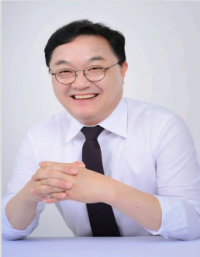
▲ 정길선 박사 ©브레이크뉴스 |
코사크는 15세기 말 부터 20세기 초까지 우크라이나와 러시아 남부, 동유럽에는 발트 3국과 폴란드에까지 분포했던 군사 집단이다. 그러한 연유로 인하여 코사크의 구성원 출신 국가는 다양하게 분포하고 있었다. 15세기 말 우크라이나의 중앙 지역을 가로지르는 드네프로 강을 중심으로 한 자포리자 지역에서 자포리자 코사크가 처음으로 결성되었다.
16세기에는 돈 강 유역을 중심으로 돈 카자크가 결성되었다. 15세기 폴란드-리투아니아 연방 시대에 처음으로 등장한 자포리자 코사크는 폴란드-리투아니아의 봉신으로서 출발하였다. 16세기, 17세기, 18세기에 정치적, 군사적 역량을 강화해 나가면서 폴란드-리투아니아 연방, 모스크바 대공국, 크림 칸국의 세력에 저항해 나갔다.
특히 1648년부터 1657년까지 보흐단 흐멜니츠키가 폴란드-리투아니아 연방의 지배에 저항하면서 일으킨 흐멜니츠키 봉기는 자포리자 코사크의 군사적 영향력을 입증했다. 초대 헤트만(Hetman)이었던 보흐단 흐멜니츠키 봉기의 성공으로 잠시 동안 카자크 헤트마네트(Hetmanet)라는 이름으로 독립하기도 하였으나 얼마 지나지 않아 붕괴되었다.
1654년 페레야슬라프 조약으로 우크라이나의 대부분 지역이 모스크바 대공국의 지배를 받게 되면서 이 때부터 코사크는 러시아의 통치를 받았다. 1649년부터 1764년까지 존재했던 자포리자 카자크 출신 지도자가 카자크 수장국의 수장을 역임했을 정도로 정치적 영향력을 입증했다. 18세기 말에 러시아 로마노프 제국에 의해 해산된 뒤에는 쿠반 강 유역에 정착했다.
한편 당시 쿠반 강과 돈 강 지역에 널리 분포하던 민족들은 투르크-슬라브의 혼혈 민족인 브로드니크(Brodnick) 인들이 존재했다. 비록 이들 브로드니크 인들이 언제 생성되었는지는 알 수 없으나, 최소 12세기에 돈 강 하류 지역으로 대규모 부락을 이루면서 살았던 것으로 생각된다. 물론 그 당시 브로드니크 인들은 키예프 루스와 국경을 마주하고 있었다.
그러나 몽골인들 침공하여 카프카스에서 쿠반 강에 이르기까지 정복하자 이에 카소그 인들은 북쪽으로 피난을 가게 되고, 돈 강 유역의 브로드니크 민족과 융합되었다. 그리고 그러한 자신들의 민족 명칭들을 계승하여 카자크(Kазак), 혹은 코사크라고 불렀다.
흐멜니츠키 반란의 결과로 우크라이나는 드네프르 강을 경계로 서쪽은 폴란드-리투아니아, 동쪽은 러시아가 지배하게 되었다. 우크라이나의 키예프는 처음 협상과는 달리 결국 러시아로 넘어가 러시아 로마노프 제국의 영토가 된다. 폴란드-리투아니아는 우크라이나 흑토 지대를 상실하고 동시에 곡물을 수출하던 비스와 강 수운 체계가 파괴되면서 국가 재정의 대부분을 상실하면서 약소국으로 전락했다.
이 때부터 현재까지 폴란드와 리투아니아는 러시아의 철천지 원수가 된다. 우크라이나의 완전 장악 및 흑해 진출을 노린 러시아는 이후 크림반도를 비롯한 우크라이나의 남부 지방을 노리고 크림 칸국, 그리고 그 종주국인 오스만투르크 제국과 10여 차례에 걸쳐 전쟁을 벌이게 된다. 러시아는 1783년 크림 칸국을 합병하는 것에 성공하였다. 이로써 동부 및 남부 우크라이나는 완전히 러시아의 영향권에 들어왔고, 카톨릭과 기독교와의 이교도인 타타르족의 지배에서 해방시켜 준 러시아를 동부 우크라이나 사람들은 열렬히 환영했다.
동부 우크라이나를 장악하게 된 러시아 로마노프 제국의 지도자들은 이미 정착해 있던 코사크족들의 기대와는 다른 행보를 보이게 된다. 이들은 코사크족들의 평등한 공동체 문화가 모스크바 귀족들의 농노제에 대해 크게 위협이 될 것이라는 판단 하에 우크라이나어 사용을 억압하였으며 코사크족의 공동체에 농노제를 순차적으로 도입시키게 된다.
이러한 조치에서 끝나지 않고, 표트르 대제는 코사크족을 징발하여 상트페테르부르크 건설을 비롯한 여러가지 위험한 노역과 군역을 강제 동원했는데, 요새 건설 등에 동원되었던 코사크족들은 노역을 수행하는 동안 모스크바에서 온 관리들이 식사도 제대로 주지 않으며 폭행 및 폭언도 있었기 때문에 대개 2/3에서 1/6 정도가 노역 장소에서 목숨을 잃었다고 한다.
현재도 우크라이나의 독립 영웅으로 추앙받는 이반 마제파가 스웨덴 국왕 칼 12세를 믿고 대북방전쟁 당시에 스웨덴 왕국의 편으로 참전해 러시아 로마노프 제국에 대해서 반란을 일으킨 것에는 이와 같은 학정의 배경이 있었다.
러시아 로마노프 제국의 통치 아래에 키예프루스의 후손들이 하나로 모였지만, 이미 러시아인과 우크라이나인들의 문화는 언어부터 많이 달라져 있었다. 동부 우크라이나의 코사크족들은 러시아어를 사용했으며 크림 칸국의 침략과 폴란드의 압제로부터 러시아가 해방시켜 주었다는 생각으로 자신을 러시아의 한 부분으로 인식했다.
반면에 서부 우크라이나는 폴란드-리투아니아와 오스트리아 합스부르크 제국의 지배를 받는 동안 당연히 러시아어를 쓸 일이 없었으며 서구식 민족주의를 배우며 러시아를 완전히 이질적으로 보게 되었다. 가장 러시아의 지배를 덜 받은 갈리치아 지방은 우크라이나의 주류 교파인 정교회가 아니라 우크라이나 그리스 카톨릭 교회라는 동방 카톨릭 교회의 일파가 다수를 차지하고 있어 이미 이 때부터 우크라이나는 러시아와 전혀 다른 길을 걷고 있었던 것이다.
*필자/ 정길선.
노바토포스 회원, 역사학자, 고고인류학자, 칼럼니스트, 러시아 과학아카데미 유라시아 고고인류학연구소 연구교수.
*아래는 위 기사를 '구글 번역'으로 번역한 영문 기사의 [전문]입니다. '구글번역'은 이해도 높이기를 위해 노력하고 있습니다. 영문 번역에 오류가 있을 수 있음을 전제로 합니다.<*The following is [the full text] of the English article translated by 'Google Translate'. 'Google Translate' is working hard to improve understanding. It is assumed that there may be errors in the English translation.>
History of Russian-Ukrainian conflict
Gil-seon Jeong, columnist
The Cossacks were a military group distributed from the late 15th century to the early 20th century in Ukraine, southern Russia, Eastern Europe, the Baltic States, and Poland. For this reason, the countries of origin of the Cossack members were distributed in various countries. The Zaporizh Cossacks were first formed in the Zaporizh region in the late 15th century, centered on the Dnepro River that runs through central Ukraine.
In the 16th century, the Don Cossacks were formed around the Don River basin. The Zaporizh Cossacks, who first appeared during the Polish-Lithuanian Commonwealth in the 15th century, started out as vassals of Poland and Lithuania. In the 16th, 17th, and 18th centuries, it strengthened its political and military capabilities and resisted the power of the Polish-Lithuanian Commonwealth, the Grand Duchy of Moscow, and the Crimean Khanate.
In particular, the Khmelnytsky Uprising, which Bohdan Khmelnytsky led from 1648 to 1657 to resist the rule of the Polish-Lithuanian Commonwealth, demonstrated the military influence of the Zaporizh Cossacks. Due to the success of the uprising of Bohdan Khmelnytsky, the first Hetman, the country gained independence for a while under the name of the Cossack Hetmanet, but soon collapsed.
With the Treaty of Pereyaslav in 1654, most of Ukraine came under the control of the Grand Duchy of Moscow, and from then on the Cossacks came under Russian rule. The Zaporizh Cossack leader, who existed from 1649 to 1764, proved his political influence to the extent that he served as the head of the Cossack chiefdom. After being dissolved by the Russian Romanov Empire at the end of the 18th century, they settled in the Kuban River basin.
Meanwhile, the ethnic groups widely distributed in the Kuban and Don river regions at the time were the Brodnick people, a mixed Turkic-Slavic people. Although it is unknown when these Brodnik people were created, they are thought to have lived in large villages in the lower Don River area at least in the 12th century. Of course, at that time the Brodniks were on the border with Kievan Rus.
However, when the Mongols invaded and conquered from the Caucasus to the Kuban River, the Kasog people fled north and merged with the Brodnik people of the Don River basin. And they inherited their ethnic names and called themselves Cossacks or Cossacks.
As a result of the Khmelnitsky Rebellion, Ukraine was ruled by Poland-Lithuania to the west and Russia to the east, bordered by the Dnieper River. Contrary to the initial negotiations, Kiev in Ukraine was eventually transferred to Russia and became a territory of the Russian Romanov Empire. Poland-Lithuania lost the Ukrainian black soil zone and at the same time, the water transportation system of the Vistula River, which exported grains, was destroyed, losing most of its national finances and falling into a weak country.
From this time to the present, Poland and Lithuania became Russia's bitter enemies. Russia, which aimed to completely dominate Ukraine and advance into the Black Sea, later targeted the southern regions of Ukraine, including the Crimea Peninsula, and fought about 10 wars with the Crimean Khanate and its suzerain, the Ottoman Empire. Russia succeeded in annexing the Crimean Khanate in 1783. As a result, eastern and southern Ukraine came completely under Russian influence, and the people of eastern Ukraine warmly welcomed Russia, which had liberated them from the domination of the Tatars, who were pagans with Catholics and Christians.
The leaders of the Russian Romanov Empire, who took control of eastern Ukraine, showed actions that were different from the expectations of the Cossacks who had already settled there. They judged that the Cossacks' egalitarian community culture would pose a great threat to the serfdom of the Moscow nobles, so they suppressed the use of the Ukrainian language and sequentially introduced the serfdom system into the Cossack community.
In addition to these measures, Peter the Great conscripted the Cossacks and forcibly mobilized them for various dangerous labor and military service, including the construction of St. Petersburg. The Cossacks who were mobilized for the construction of fortresses were provided with proper meals by officials from Moscow while they were performing the labor. It is said that about 2/3 to 1/6 of the workers died at the labor site because they were not provided with food and there were assaults and verbal abuse.
Ivan Mazepa, who is still revered as Ukraine's independence hero, believed in the Swedish King Karl
Although the descendants of Kievan Rus came together under the rule of the Russian Romanov Empire, the cultures of Russians and Ukrainians were already very different, starting with their languages. The Cossacks of eastern Ukraine spoke Russian and saw themselves as part of Russia, believing that Russia had liberated them from the invasion of the Crimean Khanate and the oppression of Poland.
On the other hand, while Western Ukraine was under the rule of Poland-Lithuania and the Austrian Habsburg Empire, it had no need to speak Russian, and as it learned Western-style nationalism, it came to view Russia as completely foreign. The Galicia region, which was least under Russian control, was not dominated by the Orthodox Church, the main denomination in Ukraine, but by a branch of the Eastern Catholic Church called the Ukrainian Greek Catholic Church, so Ukraine was already following a completely different path from Russia at this point.