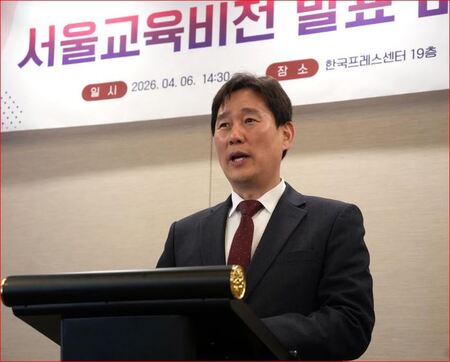
▲ 정길선 박사 ©브레이크뉴스 |
70년대 터키에서는 좌익의 지적, 문화적 영향력이 급속히 성장하고 있었다. 터키에서의 좌파는 다른 많은 곳들과 마찬가지로 1960년대 제3세계에서 급성장한 마오주의 혁명론과 게릴라 투쟁에 자극 받으면서 점차 급진화되었다. 동시에 좌파적 대의에 공감하지 않는 도시 엘리트들의 불안감은 계속 커져나갔다.
터키는 북쪽으로 전통적 안보 위협이었던 소련과 마주하고 있었기 때문에 아마 안팎으로 포위된 느낌이 들었을 것이다. 1970년, 일군의 정계와 재계, 대학가의 보수적 인사들이 모여 바로 그 불안감을 해소하고자 조직 하나를 창립했다. 바로 ‘계몽의 화덕(Aydınlar Ocagı)’이었다. 이 조직은 좌익 지식인들이 갖고 있던 사회적, 정치적, 문화적 영향력 독점을 깨고 보수적 가치를 사회에 확산시키는 것을 그 목표로 하였다.
관련 인사들을 모은 세미나가 조직되었으며, 다양한 출판물을 통해 주장을 알리려고 했고 문화, 교육, 사회, 경제 등 전방위적인 분야에서 정책을 제시하여 영향력을 키워나갔다. 하지만 터키 사회의 모순을 파고들어 계급투쟁과 마르크스주의를 내건 좌파를 따돌리기에 기존의 지배적 사상인 케말리즘은 미흡한 점이 많았다.
케말리즘 정당인 공화인민당부터가 이미 좌익의 영향력에 잠식되어 가고 있던 상황이기도 했다. 이 경쟁에서 이기기 위해서는 사람들이 마르크시즘과 케말리즘에서는 찾지 못하는 매력적인 대안이 필요했다. ‘계몽의 화덕’ 위원장이었던 이브라힘 카페소을루가 택한 대안은 바로 이슬람이었다. 물론 종교의 사회적 참여를 극도로 경계했던 군부의 입맛에 이슬람을 맞추기란 쉬운 일이 아니었다.
카페소을루는 군부가 좋아하는 투르크 민족주의와 이슬람을 결합하여 이 문제점을 해결할 수 있었다. ‘투르크-이슬람 종합(Turk-islam Sentezı)’이라는 이데올로기가 바로 그 결과물이었다. 그 내용은 이슬람을 받아들이기 이전 고대 돌궐에서부터 이미 투르크인들은 이슬람의 핵심적 가치를 받아들이고 있었으며, 투르크 민족이야말로 순니파 이슬람과 가장 적합하며, 강력한 무력으로 이슬람을 수호하고 전파하는 역할을 부여받은 민족이라는 것이었다.
예컨대 고대 돌궐 문화와 이슬람 문화 모두 정의 관념이 강했으며, 일신론을 믿었고(돌궐인들의 천신 텡그리와 이슬람의 알라), 전통 가족의 가치를 믿었다는 식의 이야기였다. 1970년대 후반이 되자 민족주의행동당과 민족구원당을 비롯한 우익 진영은 ‘투르크-이슬람 종합’에 완전히 매료되어 버렸다. 아타튀르크는 투르크 민족과 이슬람 종교 중에서 하나만을 선택하기를 강요했었다.
하지만 최소 600년 간 터키인의 정신세계의 근간이었던 이슬람을 버리는 것은 결코 쉬운 일이 아니었으며, 서구화된 엘리트들에게나 환영 받던 일이었다. 그런데 이제 아타튀르크가 공화국의 근간으로 삼은 투르크 민족주의를 버리지 않으면서도 이슬람을 전면에 내세울 수 있게 된 것이었다.
*필자/ 정길선.
노바토포스 회원, 역사학자, 고고인류학자, 칼럼니스트, 러시아 과학아카데미 유라시아 고고인류학연구소 연구교수.
*아래는 위 기사를 '구글 번역'으로 번역한 영문 기사의 [전문]입니다. '구글번역'은 이해도 높이기를 위해 노력하고 있습니다. 영문 번역에 오류가 있을 수 있음을 전제로 합니다.<*The following is [the full text] of the English article translated by 'Google Translate'. 'Google Translate' is working hard to improve understanding. It is assumed that there may be errors in the English translation.>
Turkey is a battleground of three major ideological clashes: Kemalism, socialism, and Islamic fundamentalism
Columnist Jeong Gil-seon
In the 1970s, the intellectual and cultural influence of the left was growing rapidly in Turkey. Like many other places, the left in Turkey gradually became more radicalized, stimulated by the Maoist revolution and guerrilla struggles that had grown rapidly in the Third World in the 1960s. At the same time, the anxiety of urban elites who did not sympathize with the leftist cause continued to grow.
Since Turkey faced the Soviet Union, a traditional security threat to the north, it probably felt surrounded from within and without. In 1970, a group of conservative figures from politics, business, and universities came together to establish an organization to relieve this anxiety. It was the ‘Aydınlar Ocagı’ (Kiln of Enlightenment). This organization aimed to break the monopoly of social, political, and cultural influence held by leftist intellectuals and to spread conservative values in society.
Seminars were organized to gather relevant people, and various publications were used to publicize their arguments, and policies were proposed in all areas including culture, education, society, and economy to increase their influence. However, Kemalism, the existing dominant ideology, was insufficient in digging into the contradictions of Turkish society and outpacing the left wing that advocated class struggle and Marxism.
The Republican People’s Party, the Kemalist party, was already being eroded by the left wing’s influence. In order to win this competition, an attractive alternative that people could not find in Marxism and Kemalism was needed. The alternative chosen by Ibrahim Kafesoğlu, the chairman of the ‘Kiln of Enlightenment’, was Islam. Of course, it was not easy to make Islam fit the tastes of the military, which was extremely wary of religious participation in society.
Kafesoğlu was able to solve this problem by combining Turkic nationalism, which the military favored, with Islam. The ideology called ‘Turk-Islam Sentezı’ was the result. The content was that the Turks had already accepted the core values of Islam since the ancient Gokturks before accepting Islam, and that the Turkic people were the most suitable for Sunni Islam and were given the role of protecting and spreading Islam with strong military force.
For example, both the ancient Gokturk culture and the Islamic culture had a strong sense of justice, believed in monotheism (Tengri, the god of the Gokturks, and Allah of Islam), and believed in traditional family values. By the late 1970s, the right-wing camp, including the Nationalist Action Party and the National Salvation Party, had become completely fascinated by the ‘Turkish-Islamic synthesis.’ Ataturk forced them to choose between the Turkic people and the Islamic religion.
However, abandoning Islam, which had been the foundation of the Turkish people’s spiritual world for at least 600 years, was by no means an easy task, and was something that was welcomed only by the Westernized elite. Now, however, Ataturk was able to bring Islam to the forefront without abandoning the Turkish nationalism that had been the foundation of the Republic.