▲ 정길선 박사 ©브레이크뉴스 |
메디나 포위가 있었을 때부터 무함마드는 이미 메카 인들을 타도한다는 생각을 버렸기 때문에 그들과의 적대관계를 그 이상 피하고 그들의 마음을 얻기 위해 노력하게 되었다. 그리고 다른 부족들과 동맹을 맺음으로써 메디나의 무슬림들을 더욱 강하게 만들었다. 포위가 있었던 다음 해 628년 봄 무함마드는 메카 인들에게 자신의 힘과 선의를 보여주고 그들의 감정을 시험하기 위해 우므라(Umra, 소순례)를 시행하기로 작정했다.
1,400명가량의 추종자를 거느리고 메카에 들어서려고 했을 때 메디나의 포위에 실패하여 굴욕적인 처지가 된 상태에서 무함마드가 신성한 메카 땅에 들어오는 것은 허락할 수 없었던 메카 인들은 메카에서 14.5km 떨어진 후다이비야(Al-hudaybiyah)에서 이들을 저지했다. 후다이비야에서의 며칠 간 교섭 끝에 무함마드와 메카 지도자들 사이에서 합의가 이루어졌다. 이 합의를 통해 메카 인들이 메디나의 성장하는 무슬림 공동체를 정치적, 종교적으로 인정했다. 그리고 그 해에는 허락되지 않지만 이듬해부터는 무슬림들이 3일 간의 우므라에 자유롭게 참여할 수 있도록 허용되었다.
이것을 ‘후다이비야 조약(Pact of al-Hudaybiyah)’이라 한다. 그 조약으로 무함마드와 그의 민족 쿠라이시와의 갈등이 실질적으로 종식되었다. 그 해 말에는 무슬림들은 대부분 유대인들이 거주하던 비옥한 카이바르 오아시스를 정복하면서 한층 부강해졌다. 629년 봄 무함마드는 순례를 위해 수천의 무슬림을 메카로 인솔했는데 수많은 메카 인들이 이에 동참했다. 그들 중에는 아므르 이븐 알 아스(Amr ibn al-‘As)와 할리드 이븐 알 왈리드(Khalid ibn al-Walid) 같은 탁월한 군사적 인물들도 있었다.
결국 무슬림들이 말하는 예언자로서의 무함마드가 이끄는 이슬람 체제는 지속된 투쟁 끝에 630년 비로소 메카를 점령하였는데 박해를 피해 메카를 떠난 지 8년 만이었다. 무함마드는 메카에 입성하자마자 수많은 우상을 파괴하여 그 동안 대립하던 이교도들 간의 대립과 분쟁을 종식시켰다. 그리하여 종교가 사회적 윤리이며 법이 될 수 있는 이슬람 공동체가 역사적으로 발전할 수 있는 기초를 닦았다. 그리고 신 앞에서의 자유, 평등, 박애 정신을 바탕으로 한 정교일치의 이슬람 사회의 토대를 구축하게 되었다.
이슬람교 전파는 쉽지 않았다. 하지만 정작 중요한 메카의 입성은 이처럼 평화롭게 이루어졌다. 무함마드는 쿠라이시 부족을 멸망시키려 하지 않았다. 명문 쿠라이시 가문에는 많은 인재들이 있었고 이들을 이슬람 전도자로 만들어야 했다. 630년 메카로 무혈 입성한 무함마드는 카바 신전에 있는 수많은 우상들을 파괴했다. 그리고 카바 신전에서 다신교의 시대는 끝났음을 선언하고 다시 메카를 떠났다.
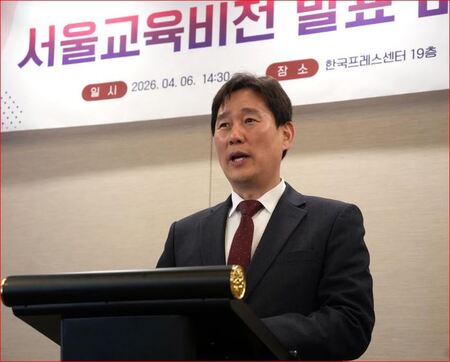
*필자/ 정길선.
노바토포스 회원, 역사학자, 고고인류학자, 칼럼니스트, 러시아 과학아카데미 유라시아 고고인류학연구소 연구교수.
*아래는 위 기사를 '구글 번역'으로 번역한 영문 기사의 [전문]입니다. '구글번역'은 이해도 높이기를 위해 노력하고 있습니다. 영문 번역에 오류가 있을 수 있음을 전제로 합니다.<*The following is [the full text] of the English article translated by 'Google Translate'. 'Google Translate' is working hard to improve understanding. It is assumed that there may be errors in the English translation.>
Muhammad's Entry into Mecca and the Treaty of Hudaybiyah
Columnist Gil-seon Jeong
Since the siege of Medina, Muhammad had already given up the idea of overthrowing the Meccans, so he tried to avoid further hostilities with them and win their hearts. He also made alliances with other tribes, making the Muslims of Medina stronger. In the spring of 628, the year after the siege, Muhammad decided to perform the Umra (lesser pilgrimage) to show the Meccans his power and goodwill and to test their feelings.
When he tried to enter Mecca with about 1,400 followers, the Meccans, who had failed to siege Medina and were in a humiliating situation, could not allow Muhammad to enter the sacred land of Mecca, stopped him at Hudaybiyah, 14.5 km from Mecca. After several days of negotiations in Hudaybiyah, an agreement was reached between Muhammad and the Meccan leaders. This agreement gave the Meccans political and religious recognition of the growing Muslim community in Medina. It also allowed Muslims to participate freely in the three-day Umrah, although they were not allowed to do so that year.
This is known as the Pact of al-Hudaybiyah. It effectively ended the conflict between Muhammad and his own people, the Quraysh. By the end of that year, the Muslims had become even more powerful, having conquered the fertile Khaybar oasis, which was largely inhabited by Jews. In the spring of 629, Muhammad led thousands of Muslims to Mecca for the pilgrimage, and many Meccans joined them. Among them were prominent military figures such as Amr ibn al-‘As and Khalid ibn al-Walid.
In the end, the Islamic system led by Muhammad, who Muslims call a prophet, finally occupied Mecca in 630 after a sustained struggle, eight years after leaving Mecca to escape persecution. As soon as Muhammad entered Mecca, he destroyed numerous idols, ending the conflict and disputes between the pagans that had been opposing each other. In this way, he laid the foundation for the historical development of the Islamic community, where religion can become social ethics and law. He also established the foundation of an Islamic society based on the spirit of freedom, equality, and fraternity before God.
The spread of Islam was not easy. However, the important entry into Mecca was achieved peacefully. Muhammad did not try to destroy the Quraysh tribe. The prestigious Quraysh family had many talented people, and he had to make them into Islamic evangelists. Muhammad, who entered Mecca without bloodshed in 630, destroyed numerous idols in the Kaaba. He declared the end of the era of polytheism at the Kaaba and left Mecca again.