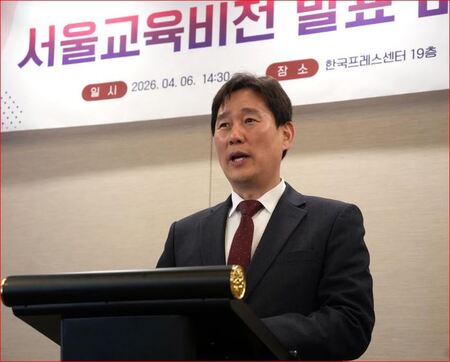
▲ 정길선 박사 ©브레이크뉴스 |
보통 매우 악명이 높은 독재자들은 후세의 평가로 볼 때 매우 부정적인 평가 일색인 경우가 많지만, 스탈린은 그 악명이 높음에도 불구하고 의외로 긍정적인 평가와 부정적인 평가가 병존하는 매우 특이한 사례의 독재자이다. 스탈린은 아직까지도 인류 역사상 가장 악랄한 독재자 중 한 명으로 그 악명이 자자한 인물이고 무수히 많은 악행을 저지른 것은 분명한 사실이지만, 객관적으로 볼 때 소련이라는 국가의 최고 지도자로서 큰 업적을 여러 가지 남긴 것 또한 분명한 사실이다. 우선 객관적으로 스탈린의 업적을 본다면 소련의 전쟁 지도자로서 제2차 세계 대전에서 추축국을 패퇴시키고 소련과 연합국을 승리로 이끌었다는 것이다. 집권기에 소련을 기존의 2류 강대국이 아닌 명실공히 미국과 세계를 양분하는 초강대국으로 올라서게 했다는 것이다. 이는 유사 이래 최강의 라이벌 관계로 나타난 아돌프 히틀러와 공산 독재자로써 스탈린과 자주 비교되는 모택동과의 결정적인 차이점이 여기에 있다.
히틀러 총통은 독일을 패망으로 몰아넣음으로 인해 완전히 최악의 상황을 만들어냈고 모택동은 주석으로써 엄청난 인명을 희생시키고도 자국의 공업화에 실패하고 중공을 퇴보시켰다. 반면, 스탈린은 피의 숙청을 자행하고 약 1,500~2,000만에 이르는 사람들을 희생시켰지만 결과야 어쨌든 그 대가로 소련을 초강대국의 지위에 올려놓아 미국과 맞선 것은 역사를 냉철히 바라봤을 때 스탈린의 공이다. 스탈린을 부정적으로 평가하는 이들조차 스탈린이 소련이라는 나라를 크게 발전시켰다는 사실 자체는 부정하지 않고 있다. 그렇기 때문에 부정적인 평가 일색으로 도배된 히틀러와 공산주의 혁명가로서 긍정적인 평이 어느 정도 존재하나 자국을 제외하면 부정적인 평가가 압도적으로 우세한 모택동과 달리 스탈린은 아직까지도 평가가 완전히 한 쪽으로 결부되지 않고 긍정적인 평가와 부정적인 평가가 혼재하고 있다.
공산주의 국가들 특유의 서류 통계상으로만 나타나는 발전과 그에 대한 선전 선동 및 사실 왜곡 및 은폐 등의 문제점 등을 고려하면 스탈린 치하의 소련에서도 비슷한 성과 조작이 벌어진 것이 아닐지에 대해 의심할 수 있는 부분이 존재하지만 당시 소련의 발전은 미국에서도 어느 정도 인정했던 엄연히 실제 벌어진 일이었다. 물론 소련 측의 통계에서도 이런 문제가 없었던 것은 아니었지만 소련에서는 주로 주민들의 대우나 식량 부족 등에서 이런 문제가 발생하였지 모택동의 중국처럼 성과를 의도적으로 외부적 선전 활동을 벌이지 않았다.
만약 소련의 발전이 서류상에서만 벌어진 일이었다면 미국이
당시 소련을 초강대국 취급하고 여러 면에서 견제하지는 않았을 것이다. 그러나 그러한 업적을 덮을 정도의 악행 또한 상당했다. 익히 알려진 대숙청은 무려 2,000만에 가까운 희생자를 양산해냈고 굴락, 카틴 숲 학살, 우크라이나 대기근으로 인한 엄청난 수의 아사자 발생 등은 굳이 설명할 필요가 없을 것이다.
물론 직접적인 학살 말고도 인민들을 감시하고 억압하는 각종 제도화된 수단을 보편화하면서 소련 뿐 아니라 소련의 영향을 받은 바르샤바 조약기구에 속해 있는 공산 정권 모두 이러한 수단들을 보편화 하도록 강요했다. 물론 그러한 탄압은 스탈린이 먼저 시작한 것이 아니다. 레닌이나 트로츠키 등 전임 지도자들이 그와 같은 수단들을 먼저 개발하고 사용한 전례가 있었으며 이들도 스탈린 못지 않은 무지막지한 통제를 강화했기 때문이다. 그러나 KGB와 같은 정보기관이나 국가감찰기구, 수용소 등을 확실하게 제도화시키고 심지어 전 세계의 공산주의 정권에 이러한 탄압을 보편화 한 것은 스탈린의 책임인 것은 확실하다. 참고로 트로츠키주의 계열에서도 그런 통제 수단들이 필요하다고 주장했다. 그러나 트로츠키와는 달리 스탈린은 그러한 통제 수단을 정도 이상으로 엄청나게 오남용했기 때문에 비판을 받는다. 여기에 슬로베니아 철학자인 슬라보예 지젝이 언급하기를, 제도적인 감시와 억압, 탄압, 정치적 테러리즘은 레닌과 트로츠키의 시대부터 줄곧 존재해왔지만, 그러한 폭력이 공공연하면서도 공식적으로 은밀하게 자행된 것은 스탈린 시대에 이미 정점을 찍었다고 주장했다.
이는 레닌 시대에 이와 같은 탄압이 공개적으로 발생하고 따라서 이에 대한 논의 역시 공개적으로 이루어졌지만 스탈린 시대에는 모든 것이 통제와 기밀적인 상황이 잦았다는 것이다. 결국, 이런 극도로 잔인한 감시 체제를 이용해 권력을 자신에게 집중시키는 1인 독재정치를 감행한다는 것은 공산주의 특유의 인민 독재를 변질시킨 부분이 스탈린의 가시적인 악행 이상으로 가장 큰 과오로 평가되고 있기도 하다. 이와 같은 스탈린의 악행은 정신의학계 일각에서 재기되고 있는 스탈린이 뇌 질환을 앓고 있었고 구체적으로 뇌동맥 경화를 앓았을 것이 제기되고 있다. 1927년 당시 레닌그라드의 정신신경연구소 소장이자 소련에서 저명한 신경병학자, 정신과학 의사였던 블라디미르 베흐테레프(Владимир Бехтерев, 1857~1927)는 스탈린의 정신병을 치료하기 위해 모스크바에 정중하게 초빙되었다. 베흐테레프는 스탈린이 우울증 이 외에도 극심한 편집증을 가지고 있다는 것을 발견하게 된다.
베흐테레프는 의사의 양심에 따라 스탈린에게 중증의 편집증(Paranoia)을 갖고 있다는 진단을 내리게 된다. 베흐테레프가 지켜본 결과, 스탈린은 아주 세세한 일까지 본인이 다 처리해야 만족했다고 한다. 그런데 주로 밤까지 일하고 새벽에 잠을 자고는 다음날 오전 중에 늦게 일어나는 것이 스탈린의 업무 스타일이었다. 게다가 스탈린은 아랫 사람들의 일 처리에 조금이라도 실수가 발견되면 바로 숙청해 버리고 새 인물을 들였다. 지독하리만큼 완벽주의자에 대단한 결벽증까지 갖고 있었다. 보통 이러한 증세는 심리적으로 매우 불안할 때 발생하는 증세다. 어떤 일을 하든 반드시 자기의 맘에 들어야 통과되고 맘에 들지 않으면 정해진 기간 동안 자신의 스타일에 맞추라고 강요했다. 만약 정해진 기간을 채우지 못하고 넘겨버렸을 경우, 담당자는 그대로 숙청되었다.
*필자/ 정길선.
노바토포스 회원, 역사학자, 고고인류학자, 칼럼니스트, 러시아 과학아카데미 유라시아 고고인류학연구소 연구교수.
*아래는 위 기사를 '구글 번역'으로 번역한 영문 기사의 [전문]입니다. '구글번역'은 이해도 높이기를 위해 노력하고 있습니다. 영문 번역에 오류가 있을 수 있음을 전제로 합니다.<*The following is [the full text] of the English article translated by 'Google Translate'. 'Google Translate' is working hard to improve understanding. It is assumed that there may be errors in the English translation.>
The World-Famous Paranoia of Stalin
Columnist Jeong Gil-seon
Usually, dictators with a high level of notoriety are often evaluated very negatively by later generations, but Stalin is a very special case of a dictator who, despite his notoriety, surprisingly has both positive and negative evaluations. Stalin is still one of the most vicious dictators in human history, and it is clear that he committed countless evil deeds, but it is also clear that he left behind many great achievements as the top leader of the Soviet Union. First, if we look at Stalin's achievements objectively, as a war leader of the Soviet Union, he defeated the Axis powers in World War II and led the Soviet Union and the Allies to victory. During his time in power, he transformed the Soviet Union from a second-rate power to a true superpower that divided the world with the United States. This is the crucial difference between Adolf Hitler, who appeared as the strongest rival since the beginning of time, and Mao Zedong, who is often compared to Stalin as a communist dictator.
Hitler, the leader, created the worst situation by driving Germany to ruin, and Mao Zedong, as the chairman, sacrificed a huge number of lives but failed to industrialize his country and caused the regress of the Chinese Communist Party. On the other hand, Stalin carried out bloody purges and sacrificed approximately 15 to 20 million people, but regardless of the result, in return, he raised the Soviet Union to the status of a superpower and stood up to the United States. When looking at history objectively, it is Stalin's achievement. Even those who evaluate Stalin negatively do not deny the fact that Stalin greatly developed the Soviet Union. That is why, unlike Hitler, who was covered in negative evaluations, and Mao Zedong, who had some positive evaluations as a communist revolutionary, but whose negative evaluations were overwhelmingly dominant outside of his own country, Stalin’s evaluations are still not completely one-sided, and positive and negative evaluations are mixed.
Considering the problems of development that is only shown in document statistics, propaganda, distortion and concealment of facts, which are unique to communist countries, there are some parts that can be suspected of similar manipulation of achievements in the Soviet Union under Stalin, but the development of the Soviet Union at that time was a clear and real event that was acknowledged to some extent by the United States. Of course, there were also such problems in the Soviet statistics, but in the Soviet Union, such problems mainly arose from the treatment of residents and food shortages, and they did not intentionally promote external achievements like China under Mao Zedong.
If the development of the Soviet Union had only occurred on paper, the United States would not have treated the Soviet Union as a superpower and restrained it in many ways. However, the evil deeds that covered up such achievements were also considerable. The well-known Great Purge produced a whopping 20 million victims, and there is no need to explain the gulag, the Katyn Forest Massacre, and the massive starvation caused by the Ukrainian famine.
Of course, in addition to direct massacres, he universalized various institutionalized means of monitoring and suppressing the people, and forced not only the Soviet Union but also the communist regimes that were part of the Warsaw Pact under the influence of the Soviet Union to universalize these means. Of course, such oppression was not initiated by Stalin. Lenin, Trotsky, and other predecessors had precedents of developing and using such means, and they also strengthened their control to the same level as Stalin. However, it is certain that Stalin was responsible for firmly institutionalizing intelligence agencies such as the KGB, state surveillance agencies, and concentration camps, and even universalizing such oppression in communist regimes around the world. Incidentally, Trotskyists also argued that such control means were necessary. However, unlike Trotsky, Stalin was criticized for abusing such control means to an extreme degree. Here, Slovenian philosopher Slavoj Žižek argues that while institutional surveillance, repression, suppression, and political terrorism have existed since the era of Lenin and Trotsky, such violence reached its peak during the Stalin era, both overt and officially covert.
This means that during Lenin’s era, such repression occurred openly and therefore discussions about it were also open, but during Stalin’s era, everything was often controlled and secret. Ultimately, using this extremely brutal surveillance system to centralize power into one person’s dictatorship is evaluated as the greatest mistake of Stalin, beyond his visible evil deeds, as it distorted the people’s dictatorship unique to communism. Some in the psychiatric community are suggesting that Stalin suffered from a brain disease, specifically cerebral arteriosclerosis. In 1927, Vladimir Bekhterev (1857-1927), the director of the Leningrad Psychiatric Institute and a prominent neurologist and psychiatrist in the Soviet Union, was politely invited to Moscow to treat Stalin's mental illness. Bekhterev discovered that Stalin suffered from severe paranoia in addition to depression.
As a doctor, Bekhterev diagnosed Stalin with severe paranoia. According to Bekhterev's observation, Stalin was satisfied only when he handled even the smallest details himself. However, Stalin's work style was to work until night, sleep until dawn, and wake up late the next morning. Furthermore, if Stalin found even the slightest mistake in the work of his subordinates, he would immediately purge them and bring in a new person. He was a perfectionist to the point of being extremely obsessive about cleanliness. Usually, these symptoms occur when one is very psychologically unstable. No matter what they do, they have to like it to pass, and if they don't like it, they are forced to conform to their style for a set period of time. If they fail to meet the set period and pass, the person in charge is purged.