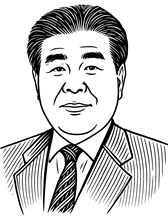
▲ 정길선 박사 ©브레이크뉴스 |
베트남은 중국 서남부 지역과 인접한 이웃 국가로 양국이 서로 중요하게 여기고 있다. 그런 베트남에 대해 중국이 이전까지 적대(Hostility)와 공존(Coexistence)을 양면화 하는 관계에 있었다면 최근에는 공존(Coexistence)을 베트남과 더욱 가까이하려 하고 있다. 여기에는 미국이 그동안 과도하게 중국을 견제하려 했던 트럼프가 재선에 성공하면서 이전 1기 때처럼 고립을 중점으로 하는 제재가 쓸모 없게 됐지만 어찌됐든 다른 방식으로 중국에 타격을 주고자 하는 부분이 있을 것으로 예상돼 주변국과 관계 개선을 통해 언제 있을지 모를 위기를 타파해 가려 시도하고 있다. 대표적인 것이 한국과 일본에 대한 관광 무비자 정책이고 코로나 팬데믹 등으로 인해 그동안 느슨해진 동남아시아 일대일로 사업을 강화하여 중국의 텃밭이나 마찬가지인 동남아시아를 단속하려는 모양새를 보이고 있다.
우선 라오스에 중국과 연결된 고속철도 및 고속도로를 놓고 라오스 내 인프라 건설을 확대하고 있으며 캄보디아에는 리조트들을 중심으로 한 카지노 등의 이권 사업을 통해 입지를 강화하고 있다. 그 외에도 태국, 미얀마, 말레이시아에도 상당한 영향력을 구축했으며 혹시라도 모를 베트남의 반중적인 스탠스를 약화시키기 위해 베트남 주변을 둘러싼 라오스와 캄보디아에 대해 입지를 강화하여 베트남을 포위하는 전략으로 다가가고 있다. 그러면서 베트남에 대해서도 투자 전략을 늦추지 않고 있다. 그 대표적인 것이 하노이의 교통 인프라를 개선시키는 것이다. 현재 베트남의 수도 하노이는 중국산 전기 버스로 시내버스 차량의 상당수를 교체시켰다. 그리고 하노이 지상철의 열차와 지상철로도 모두 중국제로 만들었다.
그러면서 베트남의 부동산도 계속 사들여 그동안 한국 기업들이 공들여 정착한 박닌 지역에 한국 사업체 및 기업들을 막대한 자금력과 사들인 부동산 등으로 마구 밀어내 현재 박닌의 분위기는 삼성전자가 있던 한국의 분위기가 아닌 중국의 분위기로 완전히 바뀌었다고 한다. 현재 비야디 등 중국 기업들이 미국의 규제를 피하기 위해 베트남에 생산기지를 구축하면서 경제적으로도 관계가 더욱 밀접해지고 있다. 베트남 입장에서는 나쁠 것이 없다. 트럼프의 대중국 관세 강화 등의 압박은 중국의 라오스-캄보디아에 대한 영향력 강화로 포위되어 있음에도 한국과 일본, 러시아, 미국과의 관계를 강화해 이들의 투자를 유도하고 있으며 트럼프의 대중국이 압박이 다급한 중국의 베트남에 대한 대대적인 투자로 이어졌다. 따라서 중국의 베트남 직접 투자액은 83억 달러로 전체 베트남 해외직접투자(FDI)의 29%를 차지했으며 이는 압도적인 1위 투자국이다. 2024년 양국 간의 무역액도 2,349억 달러나 된다.
더불어 양국은 이번에도 중국 운남성 곤명에서 베트남 하이퐁 간의 철도 개설을 추진하고 있으며 이 외에도 약 37건의 각종 협약을 체결했다. 베트남에 대한 중국의 전략은 베트남에 자국 기업의 생산기지를 대거 구축하여 중국의 공급망에 편입하겠다는 것에 있다. 현대적 산업국가로 바뀌려는 베트남 입장에서도 중국 기업의 대규모 투자는 좋은 일이고, 중국 입장에서도 태평양 일대와 미국 국내로 베트남 원산지로 라벨 갈이를 한 다음 출항해 관세를 피할 수 있어서 좋은 부분이기도 하다. 베트남의 외교 노선을 두고 흔히 ‘대나무 외교(Bamboo diplomacy)’라고 부른다. 물론 이런 대나무 외교의 원조는 태국이고 태국과 함께 현재 베트남도 대나무 외교를 하고 있다. 특히 미국, 중국, 러시아, 일본 등 강대국들과 두루 좋은 관계를 유지하는 유연한 실리 외교를 펼치면서, 국가의 독립과 주권에 관한 문제는 대나무의 뿌리 및 줄기와 같이 어디에든 휘지 않고 꼿꼿하게 하늘을 향해 자라는 것처럼 치우치지 않는 원칙을 지킨다는 뜻이다.
하지만 경제적으로 밀접하다고 하여 남중국해 영유권 분쟁 등 주권과 안보 이익이 걸린 문제는 전혀 다른 얘기다. 따라서 이런 부분은 절대 양보가 있을 수 없는 일이다. 그래서 베트남의 현 또 람 총서기장은 베트남이 속한 통킹만과 남중국해 일대의 해안 경비 및 국방력 강화를 명령했다. 특히 중국과 가까워지면서 국방과 영해, 영토에 관한 문제는 다른 문제로 인식하여 중국의 침공에 단호하게 맞서겠다는 의지이다. 베트남의 또 람 총서기는 양국 관계와 관련하여 동지 및 형제 등 각종 미사여구를 동원했지만, 남중국해 문제에 대해서만큼은 정확히 선을 그었다. 또 람 총서기는 남중국해와 동중국해 문제는 상호 간의 합법적인 이익을 존중하고 상황을 복잡하게 해서는 안 될 것이라 주장했다. 그리고 1982년 UN 해양법협약 등 국제법에 따라 평화적인 방법으로 문제를 해결해야 한다고 했다. 이는 중국이 국제법을 무시하고 무리하게 확장하는 것에 대한 확실한 경고다.
베트남 공산당 관련 매체들은 이 발언을 자세히 보도했는데, 중국 관영 매체의 보도에는 이와 같은 발언에 대한 대목이 아예 사라지고 없었다. 이는 중국 공산당 정부가 베트남의 또 람 총서기의 경고 따위는 마음에 두지 않는다는 얘기다. 중국은 남중국해에 9단선이라는 선을 긋고 자국 영해라는 주장을 펴고 있다. 즉, 베트남, 필리핀 등 주변 국가의 앞바다를 모두 자국 영해라고 주장하는 것이다. 그러나 국제상설중재재판소(PCA)는 2016년 필리핀이 제기한 소송에서 중국의 남중국해 영유권 주장이 국제법적 근거가 없다는 판결을 내렸다. 따라서 베트남은 중국 측 구단선을 묘사한 장면이 들어가 있다는 이유로 할리우드 영화인 ‘바비’의 자국 내 상영을 금지하는 등 이 문제에 대해서도 매우 강경하게 대응하고 있다. 그러나 중국의 입장에서는 베트남과의 영토, 영해에 대한 갈등문제를 시간적인 여유와 함께 느긋하게 접근하고 있는 입장이다. 이미 라오스와 캄보디아라는 든든한 경제적 배경이 있고, 베트남에 대한 경제적 투자는 계속되고 있기 때문이다.
반면, 국토의 핵심지역이 모두 중국과의 갈등 및 이들의 영향을 받는 국가들과 연계된 베트남의 입장은 갈등 문제에 대해 단호하고 강한 집중을 할 수 밖에 없다. 그 동안 중국의 인도차이나 반도 전략은 육상에서는 베트남의 이웃 국가인 캄보디아, 라오스, 미얀마, 태국 등과 육상 인프라 협력을 강화하는 것이었으며, 남중국해의 해양 진출로 확보를 위하여, 해상에서는 동남아시아 해양도서 국가들인 남중국해 분쟁국들과 해양 경제협력을 강화하는 것이었다. 베트남을 놓고 보자면, 베트남을 둘러싼 이웃 국가들과 중국은 상대적으로 관계가 강화된 반면, 베트남은 한국, 일본, 미국, 러시아와의 관계가 강화된 형국이다. 이렇게 변화하는 국제관계의 지형으로 볼 때, 베트남의 국가 안보적인 측면과 국가 경제 발전 측면에서 철저히 양면성을 가질 수밖에 없다. 이러한 베트남의 상황에서 밀고 내려오는 중국의 투자에 맞서기 위해 한국과 일본, 러시아, 미국의 투자가 절실한데 현재 베트남은 다시 한국에 손을 내밀고 있다.
한국은 중국을 견제하기 위해서라도 베트남은 반드시 전략적 파트너가 되어야 하는 상대이다. 국제질서가 세계 최강의 미국이라는 단극 체제에서 미국, 중국, 러시아 3극의 다극 체제로 변화하고 있다. 그 중에서 한국은 미국은 거리상으로 멀고 중국, 러시아와는 가깝다. 일본은 한국을 방패막이로 두고 중국과는 거리가 있으며 러시아, 미국이 오히려 가깝다. 그리고 한국의 가장 큰 위협적인 상대는 중국이다. 이러한 다극 체제 최전선에 위치한 한국은 가장 위험한 상태에 놓여 있지만 반대로 어떻게 이용하느냐에 따라서 다극 을 상대로 이득을 챙길 수 있다. 일극인 미국을 견제하기 위해 중국과 러시아가 손을 잡긴 했지만 3극 다극이 되면 어차피 경쟁 상대가 될 수밖에 없다. 그래서 한국은 북쪽에서 러시아를 이용해 중국을 견제하고 남쪽에서는 베트남을 이용해 중국을 견제하는 카드를 써야 한다. 게다가 베트남에서 불고 있는 특유의 반중감정을 잘 이용해야 할 필요가 있다.
완벽한 동남아시아의 지역 패권을 장악하기 위한 중국의 입장에서는 미국 세력의 영향권 안에 있는 동남아시아 국가들을 포섭해야 하는 지정학적 전략 과제를 안고 있다. 중국이 해양으로 나아가기 위해 반드시 해결해야 하는 부분이 남중국해 영해 및 영토 분쟁을 어떻게 종식시키느냐에 따라 달려 있다. 분쟁 중인 남중국해 문제에서 베트남은 이 문제에서만큼은 중국에게 매우 단호하다. 베트남은 한국, 일본, 미국, 러시아로 향하고 있으며 중국 입장에서는 베트남이 한국, 일본, 미국, 러시아 4개국에 의존할수록 매우 까다롭고 껄끄러울 수 밖에 없다. 국제 관계는 "오늘의 친구가 내일의 적이 될 수 있고, 오늘의 적이 내일의 친구"가 될 수 있다. 이에 가장 대표적인 예가 현재 미국과 러시아의 관계다. 그러니 영원한 적도, 영원한 친구도 없다. 베트남과 러시아를 전략적 파트너로 잡고 중국의 야욕을 견제하면서 경제적으로 중국을 상대로 어떻게 이득을 취해야 하는지 거기에 골몰하고 있어야 하는 것이 현재 대한민국이 필요한 부분이다.
*필자/ 정길선.
노바토포스 회원, 역사학자, 고고인류학자, 칼럼니스트, 러시아 과학아카데미 유라시아 고고인류학연구소 연구교수.
*아래는 위 기사를 '구글 번역'으로 번역한 영문 기사의 [전문]입니다. '구글번역'은 이해도 높이기를 위해 노력하고 있습니다. 영문 번역에 오류가 있을 수 있음을 전제로 합니다.<*The following is [the full text] of the English article translated by 'Google Translate'. 'Google Translate' is working hard to improve understanding. It is assumed that there may be errors in the English translation.>
Vietnam and China, Hostility-Coexistence Duality Relationship Until 2025: Focus for South Korea
Columnist Gil-seon Jeong
Vietnam is a neighboring country adjacent to China's southwestern region, and both countries consider it important. While China had previously maintained a dual relationship of hostility and coexistence with Vietnam, it has recently been trying to coexist more closely with Vietnam. This is because the US, which had been trying to excessively check China, has been re-elected, and the sanctions that focused on isolation, as in the first term, have become useless, but it is expected that there will be some areas where it wants to strike China in other ways, so it is trying to overcome the crisis that may come at any time by improving relations with neighboring countries. Representative examples include the visa-free tourist policy for Korea and Japan, and the strengthening of the Belt and Road Initiative in Southeast Asia, which has been lax due to the COVID-19 pandemic, in an attempt to crack down on Southeast Asia, which is like China's home turf.
First, it is expanding infrastructure construction in Laos by building high-speed railways and highways connected to China in Laos, and is strengthening its position in Cambodia through concession businesses such as casinos centered on resorts. In addition, it has built considerable influence in Thailand, Myanmar, and Malaysia, and is approaching Vietnam with a strategy of encircling Vietnam by strengthening its position in Laos and Cambodia, which surround Vietnam, in order to weaken Vietnam’s possible anti-Chinese stance. At the same time, it is not slowing down its investment strategy in Vietnam. A representative example is improving Hanoi’s transportation infrastructure. Currently, Hanoi, the capital of Vietnam, has replaced a significant number of its city buses with Chinese-made electric buses. In addition, all trains and subways in Hanoi’s skytrain are made in China.
At the same time, it is continuously purchasing real estate in Vietnam, and is said to have completely changed the atmosphere in Bac Ninh, where Korean companies have worked hard to settle, to a Chinese atmosphere rather than a Korean atmosphere where Samsung Electronics used to be. Currently, Chinese companies such as BYD are building production bases in Vietnam to avoid US regulations, and economic relations are becoming closer. Vietnam has no problem. Despite being surrounded by China's growing influence over Laos and Cambodia, Trump's pressure on China, including increased tariffs, has strengthened relations with South Korea, Japan, Russia, and the United States, thereby inducing their investment. China, which is in dire straits due to Trump's pressure on China, has made massive investments in Vietnam. As a result, China's direct investment in Vietnam has reached $8.3 billion, accounting for 29% of Vietnam's total foreign direct investment (FDI), making it the overwhelming number one investor. The trade volume between the two countries in 2024 will also reach $234.9 billion.
In addition, the two countries are pushing forward with the construction of a railway between Kunming, Yunnan Province, China and Haiphong, Vietnam, and have signed about 37 other agreements. China's strategy for Vietnam is to build a large number of production bases for its own companies in Vietnam and incorporate them into the Chinese supply chain. From Vietnam’s perspective of transforming into a modern industrial nation, large-scale investment by Chinese companies is a good thing, and from China’s perspective, it is also a good thing because it can avoid tariffs by relabeling itself as a Vietnamese country and sailing to the Pacific and the United States. Vietnam’s diplomatic policy is often called “bamboo diplomacy.” Of course, the origin of this bamboo diplomacy is Thailand, and Vietnam is currently practicing bamboo diplomacy along with Thailand. In particular, it means that while maintaining good relations with major powers such as the United States, China, Russia, and Japan, it is also carrying out flexible and practical diplomacy, and that issues related to national independence and sovereignty are like the roots and stems of bamboo that do not bend anywhere and grow upright toward the sky, and that they are not biased.
However, even if it is economically close, issues such as the territorial dispute in the South China Sea, where sovereignty and security interests are at stake, are completely different stories. Therefore, there can be absolutely no concessions in this area. Therefore, the current General Secretary of Vietnam, To Lam, has ordered the strengthening of coastal defense and national defense in the Gulf of Tonkin and the South China Sea, where Vietnam belongs. In particular, as it approaches China, it is its will to firmly confront China's invasion by recognizing issues related to national defense, territorial waters, and territory as different issues. General Secretary Lam of Vietnam has used various rhetoric such as comrades and brothers in relation to bilateral relations, but has drawn a clear line only on the South China Sea issue. General Secretary Lam asserted that the South China Sea and East China Sea issues should respect each other's legitimate interests and not complicate the situation. He also said that the issues should be resolved peacefully in accordance with international law such as the 1982 UN Convention on the Law of the Sea. This is a clear warning to China that it is ignoring international law and expanding recklessly.
Media related to the Vietnamese Communist Party reported this statement in detail, but the Chinese state-run media completely omitted the part about this statement. This means that the Chinese Communist Party government does not take to heart the warnings of General Secretary Lam of Vietnam. China is drawing a line called the nine-dash line in the South China Sea and is claiming that it is its territorial waters. In other words, they claim all the waters off the coast of neighboring countries such as Vietnam and the Philippines as their territorial waters. However, in 2016, the Permanent Court of Arbitration (PCA) ruled in a lawsuit filed by the Philippines that China’s claim to sovereignty over the South China Sea had no basis in international law. Accordingly, Vietnam is responding very strongly to this issue, such as by banning the domestic screening of the Hollywood film “Barbie” because it contained scenes depicting the nine-dash line on the Chinese side. However, China is taking a leisurely approach to the issue of territorial and territorial conflicts with Vietnam, with time to spare. This is because it already has a solid economic background in Laos and Cambodia, and economic investment in Vietnam is continuing.
On the other hand, Vietnam, whose core regions are all linked to conflicts with China and countries affected by them, cannot help but focus firmly and strongly on the issue of conflicts. Meanwhile, China’s strategy for the Indochina Peninsula has been to strengthen land infrastructure cooperation with Vietnam’s neighboring countries, such as Cambodia, Laos, Myanmar, and Thailand, on land, and to secure maritime access to the South China Sea, to strengthen maritime economic cooperation with Southeast Asian island countries in the South China Sea dispute. In terms of Vietnam, while the neighboring countries surrounding Vietnam have strengthened their relations with China, Vietnam has strengthened its relations with Korea, Japan, the United States, and Russia. Given this changing landscape of international relations, Vietnam cannot help but have a thorough duality in terms of national security and national economic development. In this situation, Vietnam desperately needs investment from Korea, Japan, Russia, and the United States to counter China’s incoming investment, and Vietnam is currently reaching out to Korea again.
Korea must become a strategic partner with Vietnam, if only to check China. The international order is changing from a unipolar system with the United States as the world’s strongest power to a multipolar system with the United States, China, and Russia. Among them, Korea is far from the United States and close to China and Russia. Japan uses Korea as a shield and is distant from China, while Russia and the United States are rather close. And the biggest threat to Korea is China. Korea, which is located at the forefront of this multipolar system, is in the most dangerous state, but on the contrary, it can gain an advantage against the multipolar system depending on how it is used. Although China and Russia joined hands to check the unipolar United States, they will inevitably become competitors if the three-polar system becomes multipolar. Therefore, Korea must use Russia to check China in the north and Vietnam to check China in the south. In addition, it is necessary to make good use of the unique anti-Chinese sentiment that is blowing in Vietnam.
China, which is trying to completely seize regional hegemony in Southeast Asia, has a geopolitical strategic task of winning over Southeast Asian countries that are within the sphere of influence of the United States. The part that China must solve in order to advance into the sea depends on how to end the territorial and maritime disputes in the South China Sea. In the disputed South China Sea issue, Vietnam is very firm toward China on this issue alone. Vietnam is heading towards Korea, Japan, the United States, and Russia, and from China's perspective, the more Vietnam depends on the four countries, Korea, Japan, the United States, and Russia, the more difficult and thorny it will be. International relations can be "today's friend can become tomorrow's enemy, and today's enemy can become tomorrow's friend." The most representative example of this is the current relationship between the United States and Russia. So there are no eternal enemies or eternal friends. South Korea needs to focus on how to gain economic benefits from China while keeping Vietnam and Russia as strategic partners and restraining China's ambitions.