▲ 세계서예전북비엔날레 송하진(앞줄 가운데) 조직위원장이 24일 올 1월 국가무형유산 신규 종목으로 지정된 '한글서예' 2030년 유네스코 무형문화유산 등재를 목표로 추진단을 발족한 뒤 주요 참석자들과 기념촬영을 하고 있다. / 사진제공 = 세계서예전북비엔날레조직위 (C) 김현종 기자 |
'한글서예'가 올 1월 국가무형유산 신규 종목으로 지정된 가운데 유네스코 무형문화유산 등재를 위한 추진단이 발족됐다.
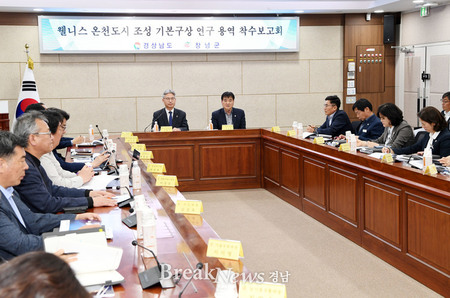
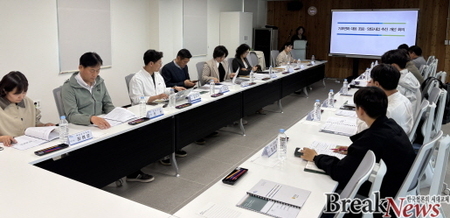
세계서예전북비엔날레는 한글서예 유네스코 등재 추진단 첫 회의를 개최하는 것으로 등재 전략 수립에 착수했다고 24일 밝혔다.
이날 회의는 서예인들이 한마음 한뜻으로 힘을 모아 '한글서예'의 가치를 널리 알리고 세계적인 문화유산으로 자리매김 할 수 있도록 뜻을 모으는 등 유네스코 등재를 위한 구체적인 로드맵을 논의하는 형식으로 진행됐다.
세계서예전북비엔날레 송하진 조직위원장은 이 자리에서 "추진단 발족으로 '한글서예'의 새로운 미래를 여는 첫 단추를 여는 발판을 마련했다"며 "유네스코 무형문화유산 등재를 통해 전 세계에 가치를 널리 알릴 수 있도록 최선을 다하겠다"고 밝혔다.
김관영 전북지사는 "한글서예의 유네스코 등재는 전북특별자치도 뿐만 아니라 대한민국 전체의 문화적 위상을 높이는 중요한 사업"이라며 "추진단과 적극 협력해 체계적인 등재 준비를 진행하겠다"고 강조했다.
추진단은 자문위원회와 전문위원회로 나뉘 총 23명으로 구성됐으며 세계서예전북비엔날레 조직위원장과 전북특별자치도지사가 공동 위원장을 맡아 운영하고 학계ㆍ서예계 전문가들이 협력해 등재 추진을 위한 실질적인 논의를 진행할 예정이다.
'한글서예'의 역사적ㆍ문화적 가치를 체계적으로 정리하고 국제적 인지도 제고 및 공감대 형성을 위해 다각적인 전략도 마련한다.
한편 '한글서예'는 단순히 글자를 쓰는 것이 아닌, 우리 민족의 혼이 담긴 한글의 아름다움을 담아내고 정서를 표현하는 예술이다.
훈민정음이 반포된 15세기부터 현대에 이르기까지 한지뿐 아니라 금석(金石)ㆍ섬유 등 다양한 재질에 구현돼 왔다.
조선 왕실에서 민간에 이르기까지 한글로 쓴 문학작품의 필사본이나 일상적으로 주고받는 편지글에서도 사용됐으며 한글 특유의 곡선과 형태가 지닌 미적 가치를 다양한 서체와 표현기법으로 발전시켜 왔다.
이는 다른 언어 문화권에서는 쉽게 찾아볼 수 없는 독특한 문화적 자산이다.
궁체 등 다양한 서체와 필법으로 오늘날까지 이어져오고 있으며 최근에는 캘리그래피 등 한글의 독자적인 조형성이 예술로 승화되고 있다.
☞ 아래는 위 기사를 구글 번역이 번역한 영문 기사의 '전문' 입니다.
구글 번역은 이해도를 높이기 위해 노력하고 있으며 영문 번역에 오류가 있음을 전제로 합니다.
【Below is the 'full text' of the English article translated by Google Translate.
Google Translate is working hard to improve understanding, and assumes that there are errors in the English translation】
Korean Calligraphy 'UNESCO Registration Promotion Team' Launched
2030 listing goal… Calligraphers unite their minds and wills
Reporter Kim Hyeon-jong
With 'Hangul Calligraphy' being designated as a new national intangible cultural heritage item in January, a task force for UNESCO's intangible cultural heritage registration has been launched.
The Jeonbuk World Calligraphy Biennale announced on the 24th that it has begun establishing a strategy for registration by holding the first meeting of the Hangul Calligraphy UNESCO Registration Task Force.
The meeting that day was held in the form of discussing a specific roadmap for UNESCO registration, such as having calligraphers work together with one mind and one purpose to widely publicize the value of 'Hangul Calligraphy' and gather their will to establish it as a global cultural heritage.
Jeonbuk Biennale of World Calligraphy Organizing Committee Chairperson Song Ha-jin said at the event, "With the launch of the promotion committee, we have laid the foundation for a new future for 'Korean calligraphy'," and added, "We will do our best to make its value widely known around the world through UNESCO Intangible Cultural Heritage registration." Jeonbuk Governor Kim Kwan-young emphasized, "The UNESCO registration of Korean calligraphy is an important project that will elevate the cultural status of not only Jeonbuk Special Self-Governing Province but also the entire Republic of Korea," and "We will actively cooperate with the promotion committee to systematically prepare for registration."
The promotion committee consists of 23 members divided into an advisory committee and an expert committee, and the organizing committee chairman of the World Calligraphy Jeonbuk Biennale and the governor of Jeonbuk Special Self-Governing Province will serve as co-chairs and conduct practical discussions for the registration promotion with cooperation of experts from academia and calligraphy.
They will also prepare a multifaceted strategy to systematically organize the historical and cultural value of 'Hangul calligraphy' and raise international awareness and form a consensus.
Meanwhile, 'Hangul calligraphy' is not simply writing letters, but an art that captures the beauty of Hangul, which contains the soul of our people, and expresses emotions.
From the 15th century when Hunminjeongeum was promulgated to the present, it has been implemented on various materials such as Korean paper, gold and stone, and textiles.
It was used in manuscripts of literary works written in Hangeul and in letters exchanged on a daily basis from the Joseon royal family to the common people, and the aesthetic value of Hangeul's unique curves and shapes has been developed into various fonts and expression techniques.
This is a unique cultural asset that cannot be easily found in other language cultures.
It has continued to this day in various fonts and writing methods such as Gungche, and recently, the unique formativeness of Hangeul has been sublimated into art such as calligraphy.
원본 기사 보기:브레이크뉴스 전북판