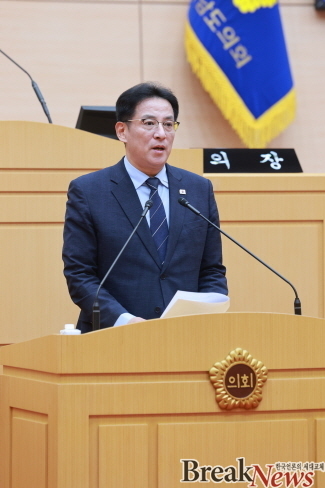
▲ 세종시의회 산업건설위원회, 2024 회계 결산 예비심사 실시=세종시의회 제공 © 김환일 기자 |
세종시의회 산업건설위원회(위원장 김재형)는 20일과 21일 이틀에 걸쳐 2024 회계연도 세입·세출 및 기금 결산 예비심사를 실시했다. 이번 예비 심사는 제98회 정례회의 첫 번째 회의 일정으로, 예산집행의 효율성을 점검하고 예산의 실효성을 높이기 위한 중요한 과정으로 진행됐다.
이번 심사에서는 예산 성과지표 목표 설정의 적절성 ,이월 사업 및 불용액 발생 사유 ,지방세 체납액 징수 대책 등 여러 예산 집행 항목에 대해 심도 있는 질의가 이루어졌다.
위원들은 예산 성과지표의 목표 설정이 실제 행정 성과를 제대로 반영하는지 철저히 검토했다. 일부 사업에서는 성과지표 설정이 모호하거나 현실과 동떨어져 있다는 지적이 나왔으며, 성과지표 달성률이 낮은 사업에 대한 원인 분석과 개선 방안 마련을 요구했다.
이월 사업 및 불용액 발생 사유에 대해서도 강력히 질의하며, 그 원인으로는 관계기관 협의 지연, 사업대상지 변경, 지장물 저촉, 공기 부족 등이 지적되었다. 불용액의 주요 원인으로는 사업 규모 예측 미흡과 집행 준비 부족이 꼽혔다. 이에 대해 위원들은 예산편성 초기 단계에서부터 철저한 계획 수립이 필요하다는 점을 강조했다.
또한, 지방세 체납액 징수 대책에 대해서도 실효성 있는 방안을 마련할 것을 강력히 촉구했다. 위원회는 “체납액 증가세가 지속되고 있으며, 체납 원인 분석과 체납자 맞춤형 징수 전략을 마련해 징수율을 높여야 한다”고 관계 부서에 강하게 요구했다.
김재형 위원장은 "예산의 집행은 단순한 사용 여부를 넘어 실제 효과와 시민들이 체감하는 기준을 바탕으로 평가해야 한다"고 강조하며, "이번 예비심사는 내년도 예산편성에 중요한 기초 자료가 될 것"이라고 밝혔다. 또한, “시민들의 소중한 세금이 낭비되지 않도록 철저히 감시하고, 불용 및 이월의 반복 방지와 예산 효율성을 높이기 위해 최선을 다할 것”이라고 덧붙였다.
이번 예비 심사 결과는 향후 예산 성과지표 및 예산편성에 반영되어, 더욱 책임감 있고 건전한 지방 재정 운영을 위한 기초가 될 예정이다. 또한 산업건설위원회는 지속적인 예산 집행 점검과 투명한 재정 운영 체계 확립을 목표로 더욱 철저한 재정 관리에 나설 계획이다.
‘2024회계연도 세입·세출 및 기금 결산, 예비비 지출 승인안’은 26일 예산결산특별위원회의 심사를 거쳐 6월 23일 제2차 본회의에서 최종 확정될 예정이다.
*아래는 위 기사를 '구글 번역'으로 번역한 영문 기사의 [전문]입니다. '구글번역'은 이해도를 높이기를 위해 노력하고 있습니다. 영문 번역에 오류가 있을 수 있음을 전제로 합니다.<*The following is [the full text] of the English article translated by 'Google Translate'. 'Google Translate' is working hard to improve understanding. It is assumed that there may be errors in the English translation.>
Sejong City Council Industry and Construction Committee Conducts Preliminary Review of 2024 Accounting Settlement
The Sejong City Council Industry and Construction Committee (Chairman Kim Jae-hyung) conducted a preliminary review of the 2024 accounting year revenue, expenditure, and fund settlement on the 20th and 21st. This preliminary review was the first meeting of the 98th regular session, and was conducted as an important process to check the efficiency of budget execution and increase the effectiveness of the budget.
During this review, in-depth questions were asked about various budget execution items, such as the appropriateness of budget performance indicator target setting, reasons for carryover projects and unused amounts, and measures to collect local tax arrears.
The committee members thoroughly reviewed whether the budget performance indicator target setting properly reflected actual administrative performance. It was pointed out that the performance indicator setting for some projects was ambiguous or far from reality, and they requested cause analysis and improvement measures for projects with low performance indicator achievement rates.
They also strongly questioned the reasons for the carryover projects and unused funds, and the reasons pointed out were delays in consultations with related organizations, changes in project sites, interference with obstacles, and lack of air. The main reasons for unused funds were inadequate predictions of the project scale and lack of preparation for execution. In response, the committee members emphasized the need for thorough planning from the early stages of budget preparation.
They also strongly urged that effective measures be prepared for the collection of local tax arrears. The committee strongly requested the relevant departments to “increase the rate of collection by analyzing the causes of arrears and developing customized collection strategies for tax arrears.”
Chairman Kim Jae-hyung emphasized that “budget execution should be evaluated based on actual effects and criteria that citizens can feel, beyond simply whether or not it is being used,” and stated that “this preliminary review will serve as important basic data for next year’s budget preparation.” In addition, he added, “We will thoroughly monitor so that citizens’ precious taxes are not wasted, and do our best to prevent repetition of unused and carried over, and increase budget efficiency.”
The results of this preliminary review will be reflected in future budget performance indicators and budget formation, and will serve as the foundation for more responsible and sound local financial management. In addition, the Industrial Construction Committee plans to engage in more thorough financial management with the goal of continuously inspecting budget execution and establishing a transparent financial management system.
The ‘2024 Fiscal Year Revenue, Expenditure, and Fund Settlement, Reserve Fund Expenditure Approval Plan’ will be reviewed by the Budget and Settlement Special Committee on the 26th and finalized at the 2nd plenary session on June 23rd.
원본 기사 보기:브레이크뉴스대전세종충청