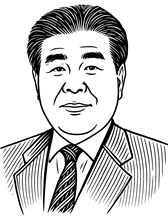
▲ 필자/정길선 박사 ©브레이크뉴스 |
지난 해 내가 코소보에 있을 때 분쟁의 현장인 미트로비차 알바니아계 지구와 세르비아계 지구를 다녀온 바 있다. 프리슈티나에서 탄 버스가 도착한 곳은 알바니아계 지구이다. 어차피 세르비아-코소보는 국경이 폐쇄되어 세르비아계 지구로 가지도 못한다. 미트로비차에서 세르비아-몬테네그로와 자치주들 간에 균열이 발생했다. 내전은 나토와 서방의 개입으로 1999년에 중단됐으나 세르비아는 코소보 자치주에 대한 통치권을 상실하게 되었다. 끝내 2006년에는 세르비아-몬테네그로마저 완전히 붕괴하고,몬테네그로가 독립했다. 그리고 2008년 이곳에서 코소보는 공화국을 선포했으나 세르비아는 여전히 코소보를 자국의 자치주로 보며 독립국으로 인정하지 않고 있다.
이에 국제사회의 대다수 국가들도 독립을 인정하는 국가와 독립을 인정하지 않는 국가들로 분열되어 UN에도 가입하지 못한 미승인국으로 남아 있는 실정이다. 이처럼 그 비극의 모든 것은 이곳 미트로비차에서 시작되었다. 미트로비차에 도착하자마자 무슬림 무덤들이 나오고 유고슬라비아 때부터 지어진 오래된 아파트들이 있는 것으로 보아 확실하게 이 도시가 세르비아 정교와 알바니아 무슬림이 대치하고 있는 최전선임을 말해주고 있다. 알바니아계가 다수를 이루고 있던 이곳은 당시 밀로셰비치 유고슬라비아 대통령이 세르비아 민족의 성지(聖地)라는 이유로 알바니아계의 권리를 박탈하자 알바니아계는 이에 반발하였으나 당국은 언론, 교육을 통제하여 자치주 내의 알바니아인들을 차별했다. 그리고 이는 당연히 수많은 자치주 내 알바니아계들의 저항을 불러왔다.
이후 1992년 유고슬라비아 내전으로 유고 연방이 붕괴하고 신(新) 유고슬라비아 연방공화국이 수립되어 세르비아 공화국 관할 자치주가 되었다. 몇 년 동안 신 유고 연방의 일원이었다가, 신 유고 연방의 차별에 더 이상 견디지 못한 자치주 내의 알바니아계들과 세르비아계가 미트로비차에서 정면 충돌하여 1998년 코소보 내전이 발발했다. 이 내전을 주도했던 코소보인은 아뎀 야샤리(Adem Jashari, 1955~1998)를 필두로 아김 하이리지(Agim Hajrizi, 1961~1999), 메헤 우카(Mehë Uka, 1962~1996)가 주축이 되어 세르비아에 항쟁했다. 특히 아뎀 야샤리는 1990년대 유고슬라비아 연방 공화국에서 코소보를 분리하기 위해 싸웠던 코소보 알바니아 분리주의 민병대인 코소보 해방군(KLA)의 창립자 중 한 명으로 알려져 있는 인물로 그는 당시 미국에게 많은 지원을 받았다.
1991년부터 야샤리는 군사 훈련을 받기 위해 알바니아로 가기 전, 세르비아 경찰에 대한 공격에 가담하면서 대놓고 적대감을 보였다. 그러다가 1993년에 체포된 야샤리는 알바니아 군대의 구출 작전으로 인해 석방되었다가 나중에 코소보로 돌아와서 유고슬라비아 정권에 대한 공격을 계속했는데 대부분이 자살폭탄테러로 인한 유고 시민들에게 공포감을 안겨주는 것이었다. 이후 1997년 7월, 야샤리는 유고슬라비아 법원에서 궐석 테러 혐의로 유죄판결을 받았다. 그러나 재판은 이후 휴먼 라이츠 워치(Human Rights Watch)에 의해 비판을 받았다. 이는 세르비아의 압제에 저항한 합법적?인 투쟁이라는 것이다. 세르비아가 이를 탄압했으니 이것이야말로 인권 침해이자 탄압이라는 것이다. 그러나 세르비아 정부는 야샤리를 테러리스트로 보고 그를 체포하거나 죽이려고 했지만 실패했다.
그러나 세르비아 경찰은 1998년 3월 프레카즈에 있는 야샤리의 집에 그가 있음을 파악하고 제거 작전에 나섰다. 결국 총격전이 이어졌고 야샤리와 그의 아내, 형제, 아들을 포함하여 야샤리의 가족 57명이 전사했다. KLA의 아버지이자 國父 중 하나로 여겨지는 야샤리(Jashari)는 공동 지도자이자 동료인 하심 타치에 의해 추앙되었고 그는 후일 알바니아 민족에 의해 코소보 독립의 상징으로 간주되었다. 물론 그는 온건파인 이브라힘 루고바(Ibrahim Rugova, 1944~2006)와 전혀 극과 극의 성향의 인물이었다. 그렇지만 야샤리는 2008년, 코소보가 독립을 선언 이후에 "코소보의 영웅"이라는 칭호를 받았다. 프리슈티나 국립극장, 프리슈티나 국제공항 아뎀 야샤리(Adem Jashari) 및 아뎀 야샤리(Adem Jashari) 올림픽 경기장은 그의 이름을 따서 명명되었다.
이후로 코소보 북부도시 미트로비차는 이바르 강을 경계로 모든 것이 갈라지게 된다. 이바르 강의 강북에는 세르비아인들이 거주했고 강남에는 알바니아인들이 거주하고 있다. 북쪽은 세르비아 정부가, 남쪽은 UN이 관할하기에 관할 기관도 다르다. 남북간에 사람들의 왕래가 없는 것은 물론, 자신들의 운명에 대해서도 서로 다른 목소리를 내고 있다. 이바르 강의 다리는 두 곳이 존재하지만 무장한 병사들이 지키고 있는 실정이다. 이바르 강은 정확히 민족, 인종 간의 경계선이 됐다. 종전 이후, 세르비아군이 철수하자 그간 세르비아에 박해를 받아 온 알바니아인들이 세르비아인들에 대해 보복 공격을 자행했다. 미트로비차의 참극은 코소보 전쟁의 시작점인 곳이었지만 종전 이후에도 두고 두고 유혈사태가 이어졌다. 참고로 미트로비차는 현재도 대한민국 외교부에서 지정한 "철수 권고" 지역이다.
미트로비차는 이바르 강을 경계선으로 코소보 인종 분리의 상징이 됐다. 미트로비차 문제의 본질은 양측의 공존공생 모색에 있고 이 공존공생에 대한 해결 대안은 ‘자치 도시’를 만드는 것에 있다. 두 개의 자치도시를 만들면서 코소보 내에서 국제 관할 아래 두자는 것이 알바니아인들의 생각인 데 비해 세르비아인은 완전히 두 개의 자치도시로 분리해 북쪽은 세르비아에 귀속시키자는 입장에 있다. 세르비아인들의 요구 사항은 자치 도시 설립의 주요 목적으로 난민들의 고향 복귀와 안전 및 이동의 자유를 보장하는 것에 있다. 세르비아군의 철수 이후 25년 가까이 알바니아인들의 핍박과 박해 속에서 살아온 세르비아인들의 정상 생활을 회복하는 것이 최우선이다. 그러나 알바니아 측은 자족적이며 지속 가능한 자치 도시 방안을 고수하고 있다.
코소보 내 세르비아인은 이바르 강을 북미트로비차의 코소보 편입을 막는 최후의 방어선으로 삼고 있다. 이에 독일 시사주간 슈피겔지의 최근 보도에 따르면 알렉산데르 부치치 세르비아 대통령도 다른 것은 모두 양보할지언정 미트로비차 알바니아계 민간인들의 자체 군사력 보유와 북미트로비차 합병 만은 양보할 수 없다는 단호한 입장에 있다고 한다. 이에 집단서방을 중심으로 한 국제 접촉 그룹은 세르비아에 대한 압박과 회유로 해법 찾기에 몰두하고 있지만 양측 모두 만족할만한 해결책을 찾기란 쉽지 않을 전망에 있다. 필자가 방문하기 얼마 전에 알바니아계 주민들이 세르비아 거주 지역을 침공해 세르비아 국기를 걸레로 만들고 몇몇 상점들에 화염병을 던져 방화를 했다. 이 때 총 4명이 부상을 입고 1명이 사망했다고 한다. 그리고 몇 일 동안 화염병 투척 당한 건물은 복구조차도 안 되고 있다.
이는 알바니아계 코소보 정부가 의도적으로 방치하고 있기 때문이다. 그리고 걸려 있는 도로의 세르비아 국기마다 걸레처럼 변했다. 전쟁 전 코소보 전역에 흩어져 살던 많은 세르비아인들은 나토의 폭격 이후, 이바르 강 다리를 건너 피난해야 했다. 25만 명의 코소보 세르비아 사람들 대부분이 세르비아의 큰 도시들로 피난했지만 고향을 가까이 두고 싶어했던 사람들은 미트로비차 강북에 자리를 잡았다. 현재 미토로비차의 강북과 강남은 완전히 다른 세상이 되어 버렸다. 사용하는 돈도 달라졌고 전화번호의 지역 번호조차 달라졌다. 지금은 물론 똑같은 유로를 내지만 미트로비차 북쪽 세르비아계 거주 지역에는 세르비아 디나르 화폐도 통용된다. 세르비아인들의 거주 지역인 미트로비차 강북에는 중무장한 코소보 평화유지군들의 장갑차나 지프들의 순찰이 계속되고 있어 언제나 무거운 긴장감이 감돌고 있다.
무장군인들이 치안유지를 위해 하는 순찰 외에는 정상적인 납세나 행정이 완전히 마비되어 무법상태와 마찬가지다. 강남의 알바니아 쪽에서는 강북의 세르비아까지 완전히 점령하기 위해 수시로 시위를 벌이며 침공해 언제나 살벌한 분위기가 연출되고 있는 것이 현실이다. 이 두 계통 시민들 충돌의 현장, 필자는 이 비극의 현대사 위에 서 있는 셈이다. 역사학자는 이러한 현상들을 보며 끊임없이 기록해야 한다.
*필자/ 정길선.
노바토포스 회원, 역사학자, 고고인류학자, 칼럼니스트, 러시아 과학아카데미 유라시아 고고인류학연구소 연구교수.
*아래는 위 기사를 '구글 번역'으로 번역한 영문 기사의 [전문]입니다. '구글번역'은 이해도 높이기를 위해 노력하고 있습니다. 영문 번역에 오류가 있을 수 있음을 전제로 합니다.<*The following is [the full text] of the English article translated by 'Google Translate'. 'Google Translate' is working hard to improve understanding. It is assumed that there may be errors in the English translation.>
"The Powder Keg of the Balkans" Kosovo Report: The Tragedy of Mitrovica is Currently In Progress
- Columnist Gil-seon Jeong
Last year, when I was in Kosovo, I visited the Albanian and Serbian districts of Mitrovica, the sites of conflict. The bus I took from Pristina arrived at the Albanian district. In any case, the Serbia-Kosovo border was closed, so I couldn't go to the Serbian district. In Mitrovica, a rift arose between Serbia-Montenegro and the autonomous provinces. The civil war was stopped in 1999 with the intervention of NATO and the West, but Serbia lost control of the autonomous province of Kosovo. In the end, Serbia-Montenegro completely collapsed in 2006, and Montenegro became independent. And in 2008, Kosovo declared itself a republic, but Serbia still regards Kosovo as its autonomous province and does not recognize it as an independent country.
As a result, most countries in the international community are divided into countries that recognize independence and countries that do not, and it remains an unrecognized state that has not joined the UN. In this way, all of this tragedy began here in Mitrovica. As soon as you arrive in Mitrovica, you can see Muslim graves and old apartments built during the Yugoslav era, which clearly shows that this city is the front line where the Serbian Orthodox Church and Albanian Muslims are facing off. When the then Yugoslav President Milosevic deprived Albanians of their rights on the grounds that this was a sacred place for the Serbian people, the Albanians protested, but the authorities controlled the media and education and discriminated against Albanians in the autonomous region. Naturally, this led to resistance from numerous Albanians in the autonomous region.
After that, in 1992, the Yugoslav Federation collapsed due to the Yugoslav Civil War, and the new Federal Republic of Yugoslavia was established, which became an autonomous region under the jurisdiction of the Republic of Serbia. After being part of the new Yugoslavia for several years, the Albanians and Serbs in the autonomous province, who could no longer tolerate discrimination by the new Yugoslavia, clashed head-on in Mitrovica, starting the Kosovo Civil War in 1998. The Kosovars who led the civil war were led by Adem Jashari (1955–1998), Agim Hajrizi (1961–1999), and Mehë Uka (1962–1996), who fought against Serbia. In particular, Adem Jashari is known as one of the founders of the Kosovo Liberation Army (KLA), a Kosovo Albanian separatist militia that fought to separate Kosovo from the Federal Republic of Yugoslavia in the 1990s, and he received a lot of support from the United States at the time. From 1991, Yashari showed open hostility by participating in attacks on Serbian police before going to Albania for military training. He was arrested in 1993, released by the Albanian army, and later returned to Kosovo to continue his attacks on the Yugoslav regime, mostly through suicide bombings, which instilled fear in the Yugoslav population. In July 1997, Yashari was convicted in absentia by a Yugoslav court of terrorism. However, the trial was later criticized by Human Rights Watch, which said that it was a legitimate struggle against Serbian oppression. Since Serbia suppressed it, it was a violation of human rights and oppression. However, the Serbian government viewed Yashari as a terrorist and tried to arrest or kill him, but failed.
However, in March 1998, Serbian police discovered Yashari at his home in Prekaz and launched an operation to eliminate him. Eventually, a shootout ensued, and 57 of Jashari's family members, including his wife, brother, and son, were killed. Considered the father of the KLA and one of its national fathers, Jashari was revered by his co-leader and comrade Hashim Thaci, and he was later seen by ethnic Albanians as a symbol of Kosovo's independence. Of course, he was the polar opposite of the moderate Ibrahim Rugova (1944–2006). Nevertheless, in 2008, after Kosovo declared independence, Jashari was given the title of "Hero of Kosovo". The National Theatre in Pristina, the Pristina International Airport Adem Jashari, and the Adem Jashari Olympic Stadium were named after him. Since then, everything in the northern Kosovo city of Mitrovica has been divided by the Ibar River. Serbs live north of the Ivar River, and Albanians live south of the river. The north is under the Serbian government, and the south is under the UN, so the governing agencies are different. Not only is there no movement of people between the north and the south, but they also have different voices about their own fate. There are two bridges on the Ivar River, but they are guarded by armed soldiers. The Ivar River has become the exact border between ethnicities and races. After the end of the war, when the Serbian army withdrew, Albanians who had been persecuted by Serbia carried out retaliatory attacks on Serbs. The Mitrovica tragedy was the starting point of the Kosovo War, but bloodshed continued even after the end of the war. As a side note, Mitrovica is currently a “recommended withdrawal” area designated by the South Korean Ministry of Foreign Affairs.
Mitrovica has become a symbol of ethnic division in Kosovo, with the Ivar River as the border. The essence of the Mitrovica problem lies in the search for coexistence and symbiosis between the two sides, and the solution to this coexistence and symbiosis lies in creating an “autonomous city.” While Albanians want to create two autonomous cities and place them under international jurisdiction within Kosovo, Serbs want to completely separate them into two autonomous cities and keep the northern part under Serbia. The Serbs’ demands are that the main purpose of establishing an autonomous city is to ensure the return of refugees to their homeland and their safety and freedom of movement. The top priority is to restore the normal life of Serbs who have lived under the persecution and oppression of Albanians for nearly 25 years since the withdrawal of Serbian troops. However, Albania is sticking to the idea of a self-sufficient and sustainable autonomous city. Serbs in Kosovo are using the Ibar River as the last line of defense to prevent Mitrovica from being incorporated into Kosovo. According to a recent report by the German weekly Der Spiegel, Serbian President Aleksander Vučić is also adamant that he will not compromise on anything else but the possession of the Albanian civilians in Mitrovica’s own military force and the annexation of Mitrovica. The international contact group centered around the West is trying to find a solution through pressure and persuasion on Serbia, but it is unlikely that a solution that satisfies both sides will be easy to find. Not long before my visit, Albanian residents invaded Serbian residential areas, turned Serbian flags into rags, threw Molotov cocktails at several stores, and set them on fire. It is said that a total of four people were injured and one died. And for several days, the buildings that were hit by Molotov cocktails have not even been restored. This is because the Albanian Kosovo government has intentionally neglected them. And every Serbian flag hanging on the road has turned into a rag. Many Serbs who were scattered throughout Kosovo before the war had to flee across the Ivar River Bridge after NATO bombing. Most of the 250,000 Kosovo Serbs fled to large Serbian cities, but those who wanted to stay close to their hometown settled in the northern part of Mitrovica. Now, the northern and southern parts of Mitrovica have become completely different worlds. The money we use has changed, and even the area codes for our phone numbers have changed. Now, of course, we pay the same euro, but in the Serbian-populated area north of Mitrovica, Serbian dinars are also used. In the northern part of Mitrovica, where Serbs live, heavily armed Kosovo peacekeeping forces are constantly patrolling in armored vehicles and jeeps, creating a heavy sense of tension.
Except for the patrols by armed soldiers to maintain order, normal taxation and administration are completely paralyzed, and it is like a lawless state. Albania in the southern part of the river constantly protests and invades in order to completely occupy Serbia in the northern part of the river, creating a tense atmosphere at all times. The author stands on the scene of the conflict between these two groups of citizens, and this is the modern history of this tragedy. Historians must constantly observe and record these phenomena.
lukybaby7@gmail.com
*Author/ Jeong Gil-seon.
Member of Novatopos, historian, paleoanthropologist, columnist, research professor at the Institute of Eurasian Paleoanthropology of the Russian Academy of Sciences.