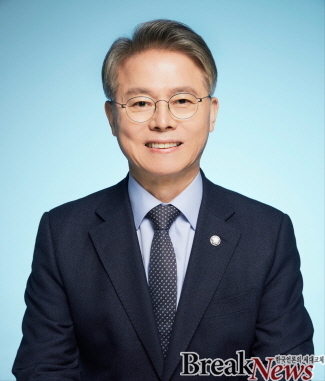
▲ 필자/김정기 <한국형 협상의 법칙> 저자. ©브레이크뉴스. |
다가오는 대선 정국에서 ‘이재명 더불어민주당 대통령 후보’라는 이름은 지지와 반대의 양극단을 오가며 정치적 중심에 자리하고 있다. 그러나 국민은 단순한 정치인이 아닌, 국가를 이끌어갈 대통령을 선택해야 한다. 과연 이재명이 그에 합당한 자질과 역량을 갖춘 인물인가? 결론부터 말하자면, 이재명의 대통령직 수행은 우리 헌정 질서와 민주주의, 그리고 국민 통합에 중대한 위협이 될 수도 있다.
이재명 후보는 지도자라기보다는 투사(鬪士)형 정치인이다. 갈등과 대결의 정치를 통해 지지층을 결집시키는 데는 능하지만, 국정을 운영하는 데 필수적인 통합과 조율의 리더십에는 분명한 한계를 드러내 왔다. 고성과 감정적 대응, 형수에게 퍼부은 욕설, 상대 진영을 향한 공격적 화법은 지도자로서의 품격을 의심케 한다. 정치인은 감정을 표출할 수 있지만, 대통령은 국가를 대표하고 통합해야 하는 존재다. 개인의 기질이 국정 운영의 리스크가 되어선 안 된다.
그를 둘러싼 다수의 재판과 수사는 정치적 공방의 대상이 아니라, 공적 권한의 사적 활용 가능성이라는 본질적 문제를 안고 있다. 미국의 트럼프 사례와 비교하는 시각도 있지만, 이는 제도적 견제 장치가 탄탄한 연방제 국가의 특수성을 간과한 오류다. 대통령에게 막대한 권력이 집중되는 한국의 정치 시스템에서, 사법 리스크를 안고 있는 지도자의 집권은 권력의 남용과 민주주의의 파행을 초래할 수 있다.
이재명은 형사소송법 개정 시도, 공직선거법 개정 논란, 사법부 인사에 대한 공개적 압박 등 다수의 입법 시도와 발언을 통해 권력 분립에 대한 무시 또는 경시 태도를 드러냈다. 이는 행정부가 입법과 사법을 잠식하려는 시도이자, 삼권분립이라는 민주주의의 핵심 원칙을 훼손할 수 있는 중대한 위험이다. 대통령이 되면 그 권한은 더욱 강화될 것이며, 이는 자칫 제왕적 대통령제를 더욱 심화시키는 결과로 이어질 수 있다.
정당 내부에서조차 ‘친명-비명’ 갈등을 해결하지 못한 리더십이, 과연 국정을 통합적으로 이끌 수 있을까. 감성 정치와 진영 결집을 통해 지지층을 결속시키는 전략은 단기적 효과는 있을지언정, 장기적으로는 국민 간 불신과 대립을 심화시킨다. 대통령은 특정 진영의 대표가 아니라, 온 국민의 대표자여야 한다. 그러나 이재명은 아직 그 상징성과 도덕적 권위를 갖추지 못했다.
이재명의 집권은 통합의 정치보다는 보복의 정치를, 국정 운영보다는 진영 투쟁의 프레임을 강화할 가능성이 높다. 입법부와 행정부를 넘어 사법부까지 영향력을 행사하려는 시도는 견제 시스템을 무력화시키고, 권력의 독점 구조를 심화시킬 것이다.
이재명은 외교 경험이 없으며 국제적 감각도 검증된 바 없다. 글로벌 거버넌스가 점점 복잡해지는 지금, 외교적 무게감이 결여된 지도자는 국가의 대외 신뢰도를 떨어뜨리고, 외국 자본과 기업의 투자 회피를 부를 수 있다. 이는 경제적 불확실성으로 직결될 것이다.
이재명이 ‘민생’이라는 명분 아래 추진할 수 있는 포퓰리즘 정책은 재정건전성과 중산층 기반을 무너뜨리고, 장기적으로 경제 생태계의 활력을 저해할 수 있다. 대기업과 자산가에 대한 정서적 반감을 자극하는 정책이 반복된다면, 투자 위축과 고용 악화는 불가피하다.
오늘의 대한민국은 통합을 이끌 수 있는 품격 있는 리더, 위기를 조율할 수 있는 안정된 국정 운영자, 그리고 세계를 이해하는 외교력을 갖춘 대통령을 필요로 한다. 이재명은 강한 정치인은 될 수 있을지 몰라도, 품격 있는 국가원수의 자질과 도덕성을 입증하지 못했다. 그의 집권은 정치를 정쟁의 소용돌이로 빠뜨리고, 국민을 또 한 번의 분열과 피로 속으로 몰아넣을 것이다. 민주주의의 형식은 남겠지만, 그 본질은 후퇴할 수 있다.
이재명이 대통령이 되어선 안 되는 이유는 결코 정파적 비토에서 비롯된 것이 아니다. 이는 우리 헌정 질서와 민주주의의 건강성, 그리고 국민 통합의 미래를 위한 절박한 판단이자 경고이다. jeongkeekim@naver.com
*필자/김정기
● 학력
- 뉴욕주립대학교(Stony Brook) 정치학과 수석졸업
- 마케트대학교(Marquette) 로스쿨 법학박사
- 하버드대학교(Harvard) 케네디스쿨 최고위과정
- 베이징대학교(Peking) 북한학 연구학자
● 경력
- 세계스마트시티기구(WeGO) 사무총장(현)
- 아시아태평양지방정부네트워크(CityNet) 대표
- 제8대 주상하이 대한민국 총영사(13등급 대사)
- 2010 상하이엑스포 대한민국관 정부대표
- 한나라당 이명박 대통령후보 국제위원장
- 국민의힘 윤석열 대통령후보 정치개혁 공약 총괄
-자유한국당 오세훈 당대표후보 조직총괄본부장
- 자유한국당 서울시장 예비후보
- 법무법인 대륙아주 중국 총괄 미국변호사
- 난징대학교 국제경제연구소 객좌교수
- 동국대학교 경영전문대학원 석좌교수
- 숭실사이버대학교 총장
● 저서
1. 대학생을 위한 거로영어연구[전 10권](거로출판사)
2. 나는 1%의 가능성에 도전한다(조선일보사)
3.<한국형 협상의 법칙> 저자.
*아래는 위 기사를 '구글 번역'으로 번역한 영문 기사의 [전문]입니다. '구글번역'은 이해도 높이기를 위해 노력하고 있습니다. 영문 번역에 오류가 있을 수 있음을 전제로 합니다.<*The following is [the full text] of the English article translated by 'Google Translate'. 'Google Translate' is working hard to improve understanding. It is assumed that there may be errors in the English translation.>
Lee Jae-myung may be a strong politician, but fails to prove his qualifications and morality as a head of state
- Columnist Kim Jeong-gi
In the upcoming presidential election, the name ‘Lee Jae-myung, the Democratic Party of Korea presidential candidate’ is at the center of politics, going back and forth between support and opposition. However, the people must choose a president who will lead the country, not a simple politician. Does Lee Jae-myung have the qualifications and capabilities to do so? To conclude, Lee Jae-myung’s performance of the presidency could pose a significant threat to our constitutional order, democracy, and national unity.
Lee Jae-myung is a fighter-type politician rather than a leader. He is good at uniting his supporters through politics of conflict and confrontation, but he has clearly shown limitations in the leadership of integration and coordination that is essential for running the country. His loud voice, emotional responses, swearing at his sister-in-law, and aggressive speech toward the opposing camp raise doubts about his character as a leader. Politicians can express their emotions, but the president is a being who must represent and unite the country. Personal temperament should not become a risk to state administration.
The numerous trials and investigations surrounding him are not the subject of political battles, but rather have the fundamental problem of the possibility of private use of public authority. Some compare it to the Trump case in the United States, but this is an error that overlooks the special nature of a federal state with a strong institutional check and balance system. In Korea’s political system where enormous power is concentrated in the president, the coming to power of a leader with judicial risks could lead to abuse of power and the collapse of democracy.
Lee Jae-myung has revealed his disregard or disdain for the separation of powers through numerous legislative attempts and statements, such as attempts to revise the Criminal Procedure Act, the controversy over the revision of the Public Official Election Act, and public pressure on judicial personnel. This is an attempt by the executive branch to encroach on the legislative and judicial branches, and is a serious risk that could undermine the core principle of democracy, the separation of powers. If he becomes president, his power will be further strengthened, which could potentially lead to the further deepening of the imperial presidency.
Even within the party, can a leadership that has failed to resolve the ‘pro-Myeong-Sang’ conflict really lead the state affairs in an integrated manner? The strategy of uniting the support base through emotional politics and camp consolidation may have a short-term effect, but in the long term, it will deepen distrust and conflict among the people. The president should be the representative of the entire nation, not a specific camp. However, Lee Jae-myung has not yet acquired that symbolism and moral authority.
Lee Jae-myung’s presidency is likely to strengthen the politics of revenge rather than the politics of integration, and the framework of camp struggle rather than state affairs. Attempts to exert influence beyond the legislative and executive branches to the judiciary will neutralize the checks and balances system and deepen the monopoly structure of power.
Lee Jae-myung has no diplomatic experience and has no proven international sense. As global governance becomes increasingly complex, a leader who lacks diplomatic weight can lower the country’s external credibility and lead to foreign capital and companies avoiding investment. This will directly lead to economic uncertainty.
The populist policies that Lee Jae-myung can pursue under the pretext of “people’s livelihood” can destroy fiscal soundness and the middle class base, and in the long term, hinder the vitality of the economic ecosystem. If policies that stimulate emotional resentment against large corporations and the wealthy are repeated, investment decline and employment deterioration are inevitable.
Today’s Republic of Korea needs a dignified leader who can lead unification, a stable state administrator who can manage crises, and a president with diplomatic skills who understands the world. Lee Jae-myung may be a strong politician, but he has not proven the qualities and morality of a dignified head of state. His presidency will plunge politics into a whirlpool of partisan strife and drive the people into another period of division and exhaustion. The form of democracy will remain, but its essence may regress.
The reason Lee Jae-myung should not become president is by no means due to partisan vetoes. This is an urgent judgment and warning for the health of our constitutional order, democracy, and the future of national unity. jeongkeekim@naver.com
▲ Author/Kim Jeong-gi, author of <The Laws of Korean Negotiation>. ©Break News
*Author/Kim Jeong-gi
● Education
- Graduated from Stony Brook University, Department of Political Science, at the top of his class
- Doctor of Law, Marquette University School of Law
- Harvard Kennedy School, Executive Program
- North Korean Studies Research Scholar, Peking University
● Career
- Secretary General of World Smart Cities Organization (WeGO) (current)
- Representative of Asia-Pacific Local Government Network (CityNet)
- 8th Consul General of the Republic of Korea in Shanghai (13th Ambassador)
- Government Representative of the Republic of Korea Pavilion at the 2010 Shanghai Expo
- Chairman of the International Affairs Committee of Grand National Party Presidential Candidate Lee Myung-bak
- General Manager of Political Reform Pledges of People Power Party Presidential Candidate Yoon Seok-yeol
- Head of Organization Headquarters of Liberty Korea Party Party Representative Candidate Oh Se-hoon
- Preliminary Candidate for Seoul Mayor of Liberty Korea Party
- General Manager of China, Law Firm Continental Aju Law Firm, US Attorney
- Nanjing University International Economic Research Institute Guest Professor
- Dongguk University Graduate School of Business, Professor
- Soongsil Cyber University President
● Books
1. Georo English Studies for College Students [10 Volumes] (Georo Publishing)
2. I Challenge the 1% Possibility (Chosun Ilbo)
3. Author of <Korean-Style Negotiation Laws>