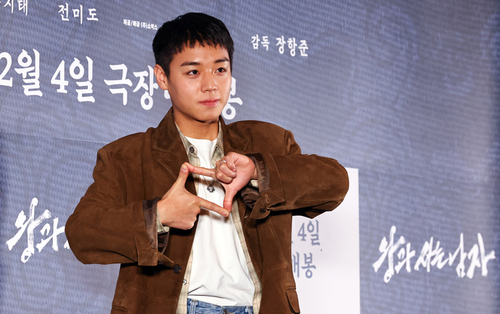
▲ 국내 블록체인 기업 두나무가 새 대표이사로 오경석 팬코 대표(사진)를 내정했다. |
국내 블록체인 기업 두나무가 새 대표이사로 오경석 팬코 대표를 내정했다. 이사회와 주주총회를 거쳐 정식 선임을 앞둔 이번 인사는 단순한 CEO 교체 이상의 함의를 내포하고 있다는 분석이 나온.
두나무의 새 수장은 회계사, 판사, 대형 로펌 변호사, 패션 기업 CEO를 거친 이력의 소유자다. 겉보기엔 ‘핀테크’와는 다소 이질적인 인물이다. 하지만 바로 그 점에서, 지금 한국 블록체인 산업의 현실과 향후 방향성이 오롯이 드러난다.
법조·회계·경영까지 섭렵… 파격 아닌 전략
오경석 대표이사 내정자는 고려대 경영학과를 졸업하고 공인회계사로 사회에 첫발을 내디뎠다. 이후 사법연수원을 수료하고 수원지법 판사와 대법원 재판연구관, 김앤장 변호사로 활약했으며, 이후 패션 기업 ‘팬코’의 대표로 경영 전선에 나섰다. 그간 이력만 봐도 단단한 규제 이해력과 복합적 리스크 관리 능력이 두나무가 직면한 ‘다층적 전환기’에 어울리는 리더라는 평가가 나온다.
그가 이끄는 두나무는 단순한 암호화폐 거래소 이상을 지향하고 있다. 실제로 두나무는 ‘업비트’라는 거래소 외에도 NFT, STO(증권형 토큰), 메타버스 플랫폼, 투자 리서치, API 핀테크 서비스 등으로 사업 영역을 확장해왔다. 문제는, 이 모든 산업이 ‘규제’라는 외줄타기 위에 있다는 것이다.
이번 인사는 ‘혁신과 규제의 충돌’이라는 국내 디지털 자산 산업의 구조적 한계에 대한 두나무의 전략적 응답으로 읽힌다. 특히 한국 정부가 2024년 말부터 본격 시행한 ‘가상자산 이용자 보호법’과 이후 단계적으로 도입될 증권형 토큰(STO) 관련 제도는 사업 확장의 걸림돌이자 기회이기도 하다.
STO가 대표적이다. 블록체인 기술을 활용한 증권형 자산 발행은 전통 금융과 가상자산의 경계를 허물 수 있는 차세대 모델로 꼽힌다. 두나무는 이를 미래 성장동력으로 보고 있으나, 동시에 금융위원회, 금융감독원, 자본시장법 등과 얽힌 고난도의 법적 해석과 규제 적응이 필수다. 이 시점에서 법조와 회계를 모두 아우른 오경석 대표이사의 리더십은, 단순한 변화가 아니라 ‘규제 친화적 혁신’을 구현하려는 청사진의 일환이다.
블록체인 기업, 이젠 ‘디지털 법치’ 대응
국내외 블록체인 기업의 흐름을 보면, 이 같은 흐름은 점점 일반화되고 있다. 미국의 코인베이스는 금융권과 법조계 인사를 영입해 증권거래위원회(SEC)와의 갈등에 대응하고 있으며, 유럽의 블록체인 기업들도 MiCA(가상자산 시장 규제법) 대응 TF를 중심으로 변호사·규제 전문가 출신 CEO를 영입하는 움직임이 확산되고 있다.
두나무의 새로운 리더 기용은 이런 흐름과 맞닿아 있다. 이제 블록체인 산업에서 ‘기술력’과 ‘혁신성’만큼 중요한 역량은 ‘제도 이해’와 ‘신뢰 구축’이기 때문이다. 오 대표이사의 공식 취임이 확정될 경우, 두나무는 그간의 ‘테크 중심 기업’에서 ‘디지털 거버넌스 기업’으로 진화하는 신호탄을 쏘아 올리게 된다.
핀테크 산업 세대교체는 이미 시작됐다
이번 인사를 한국 핀테크 산업 전반의 흐름 속에서 읽어야 한다는 분석도 나온다. 최근 몇 년간 핀테크 기업들은 초창기 스타트업 스타일의 공격적 성장 대신, 금융기관 수준의 내부 통제와 외부 감시, 리스크 관리 체계를 갖추는 쪽으로 진화하고 있다. 이는 토스를 포함한 일부 유니콘 기업들의 리더십 구조 개편, 감사·준법 조직의 강화 흐름에서도 확인된다.
두나무는 이 같은 흐름을 선도적으로 반영한 첫 ‘1세대 블록체인 기업’ 중 하나로 평가받는다. 더 이상 기술력만으로 승부할 수 없는 시대. 거버넌스, ESG, 리스크 대응이 기업 가치의 핵심 지표가 되는 환경 속에서 ‘복합형 CEO’는 새로운 산업의 성공 방정식이 되어가고 있다.
이석우 체제 마무리와 연속성
지난 8년간 두나무를 8년간 이석우 대표는 경영 고문으로 남게 된다. 이 대표는 언론인 출신으로 카카오를 거쳐 두나무를 이끌며 업비트를 글로벌 거래소 반열에 올려놓았고, 블록체인 산업 대중화에 기여했다는 평가를 받는다. 그의 퇴장은 한 시대의 마감이자, 새로운 단계로의 진입을 알리는 상징이기도 하다.
Dunamu Signals Change with 'Oh Kyung-seok Card'
-Breaking Regulatory Barriers with a 'Legal Expert CEO' in an Industry Transition Period… Korea's Fintech at a New Turning Point for Blockchain and Fintech 2.0 Era-
Dunamu, a leading South Korean blockchain company, has named Oh Kyung-seok, current CEO of Fanco, as its new CEO. This appointment, pending formal confirmation by the board of directors and shareholders' meeting, is being analyzed as carrying implications far beyond a simple CEO change.
Dunamu's new leader boasts a diverse background, having served as an accountant, a judge, a lawyer at a major law firm, and the CEO of a fashion company. On the surface, he might seem somewhat incongruous with 'fintech.' However, it's precisely this background that fully reveals the current reality and future direction of Korea's blockchain industry.
A Strategic Move, Not Just an Unconventional Pick: Spanning Law, Accounting, and Management
Oh Kyung-seok, the new CEO nominee, began his career as a certified public accountant after graduating from Korea University with a degree in Business Administration. He then completed judicial training, serving as a judge at the Suwon District Court and a judicial researcher at the Supreme Court, before practicing as a lawyer at Kim & Chang. Subsequently, he took on the role of CEO at the fashion company 'Fanco.' His extensive career history suggests he possesses a deep understanding of regulations and complex risk management skills, making him a suitable leader for the 'multi-layered transitional period' that Dunamu is currently facing.
Under his leadership, Dunamu aims to be more than just a cryptocurrency exchange. The company has already expanded its business into NFTs, STOs (Security Token Offerings), metaverse platforms, investment research, and API fintech services, in addition to its Upbit exchange. The challenge is that all these industries operate on a tightrope of 'regulation.'
This appointment is seen as Dunamu's strategic response to the structural limitations of Korea's digital asset industry, characterized by the 'clash between innovation and regulation.' Notably, the 'Virtual Asset User Protection Act,' which the Korean government fully implemented at the end of 2024, and the subsequent phased introduction of security token (STO)-related regulations, are both hurdles and opportunities for business expansion.
STO is a prime example. The issuance of security-backed assets using blockchain technology is considered a next-generation model that can blur the lines between traditional finance and virtual assets. Dunamu views this as a future growth engine, but it simultaneously requires highly complex legal interpretation and regulatory adaptation intertwined with the Financial Services Commission, Financial Supervisory Service, and the Capital Markets Act. At this juncture, the leadership of Oh Kyung-seok, who encompasses both legal and accounting expertise, is not just a change, but part of a blueprint to realize 'regulation-friendly innovation.'
Blockchain Companies Now Facing 'Digital Rule of Law'
Looking at trends among blockchain companies domestically and internationally, this kind of shift is becoming increasingly common. Coinbase in the U.S. has brought in financial and legal professionals to address conflicts with the Securities and Exchange Commission (SEC), and European blockchain companies are increasingly recruiting CEOs with backgrounds as lawyers or regulatory experts, especially through MiCA (Markets in Crypto-Assets Regulation) response task forces.
Dunamu's appointment of a new leader aligns with this trend. In the blockchain industry, 'understanding regulations' and 'building trust' are now as crucial as 'technological prowess' and 'innovative spirit.' If Oh's official appointment is confirmed, Dunamu will signal its evolution from a 'tech-centric company' to a 'digital governance company.'
Fintech Industry's Generational Shift Has Already Begun
Some analyses suggest that this appointment should be viewed within the broader context of the entire Korean fintech industry's evolution. In recent years, fintech companies have been moving away from the aggressive growth models of early-stage startups towards establishing internal controls, external oversight, and risk management systems akin to financial institutions. This trend is also evident in the leadership restructuring and the strengthening of audit and compliance organizations within some unicorn companies, including Toss.
Dunamu is considered one of the first 'first-generation blockchain companies' to proactively reflect this trend. It's an era where technological prowess alone is no longer enough to compete. In an environment where governance, ESG, and risk response are core indicators of corporate value, a 'complex CEO' is becoming the new formula for success in emerging industries.
Wrapping Up and Ensuring Continuity for the Lee Seok-woo Era
Lee Seok-woo, who led Dunamu for the past eight years, will remain as a management advisor. Lee, a former journalist who moved to Dunamu via Kakao, is credited with elevating Upbit to the ranks of global exchanges and contributing to the popularization of the blockchain industry. His departure marks the end of an era and symbolizes the entry into a new phase.