이시바 시게루 일본 총리는 말수가 적다. 그러나 말의 무게는 결코 가볍지 않다. 자위대 장교 출신의 이시바는 동북아 외교의 지형을 실용주의로 밀어붙이고 있다. 반면, 이재명 대통령은 실용 외교를 선언했지만, 외교 무대에서 그의 첫 카드는 아직 그 실체를 드러내지 않았다. 감정이 아닌 국익 중심 외교를 말하면서도, 최선의 대안(BATNA) 없이 선언만 앞섰다는 비판이 나온다.
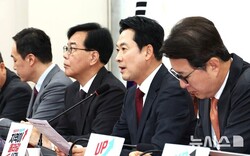
 ▲ 이재명 대통령(오른쪽)과 이시바 시게루 일본 총리(왼쪽)가 지난 6월17일(현지시간) 캐나다 앨버타주 캐내내스키스에서 한·일 정상회담을 하고 있다. ©뉴시스 |
외교는 결국 협상이다. 그리고 협상은 감정이 아니라 구조다. 문제는 이재명 정부가 그 구조를 짜는 데 충분한 시간과 정보를 쌓았느냐는 것이다. 한일 정상 간의 첫 통화에서 이재명 대통령은 과거사와 미래를 함께 풀자고 했지만, 그것이 어떻게 가능한지에 대한 설계도는 아직 없다. 명분과 실리가 충돌하는 외교의 장에서 실용은 원칙이 아니라 전략이다.
○ 이시바는 계산했고, 우리는 낙관했다
이시바는 실용적이다. 하지만 결코 가볍지 않다. 그는 과거 한일 위안부 합의를 인정하면서도, 한국과의 경제·안보 협력에 필요한 새로운 진전을 요구하고 있다. 그의 말에는 정당한 기준(Legitimacy)이 있다. 과거는 과거, 미래는 미래라는 구호만으로는 일본의 움직임을 이끌어낼 수 없다. 일본 내 보수 세력, 관료 조직, 미국과의 간격까지 조율한 뒤 꺼낸 카드가 바로 그의 실용 외교다.
반면, 이재명 대통령은 실용을 선언했지만, 정보 수집도, 시나리오별 대응 설계도 부족해 보인다. 일본이 역사 문제를 다시 들고 나올 경우 우리는 어떤 기준과 언어로 응수할 것인가. 언제 협상을 멈추고 언제 결단을 내릴지를 가를 우리만의 협상 대안은 준비돼 있는가. 시간이 흘러도 이야기만 있고 준비가 없다면, 그 외교는 감정의 확장판일 뿐이다.
○ 외교는 말이 아니라 설득이다
외교는 명분 싸움이 아니다. 정보를 얼마나 파악했는지, 시간을 어떻게 주도했는지, 그리고 상대가 수용 가능한 객관적 기준을 얼마나 제시했는지가 승부를 결정짓는다. 지금 이재명 정부가 내놓은 대일 메시지에는 이 셋이 모두 결여돼 있다. 감정적 대결은 피했지만, 설계 없는 실용은 공허하다. 과거 윤석열 정부가 강제징용 문제에서 택한 'ㅣ불완전한 해법조차, 최소한의 현실적 대안이라는 점에선 외교적 계산 위에 있었다.
이재명 대통령의 실용 외교는 이제 진짜 시험대에 올랐다. 외교는 국내 정치용 언어로 포장할 수 없다. 일본이 독도 문제나 역사 왜곡을 다시 들고나올 경우, 그에 맞설 명확한 기준을 준비하되, 공급망·기술·안보 협력은 따로 챙기는 선택적 접근이 필요하다. 국익 중심 실용주의 외교란 그런 것이다. 감정과 전략을 구분할 줄 아는 외교, 협상의 기술이 요구되는 자리다.
○ 국익 앞에 감정은 사치다
한일 외교는 더 이상 과거사만의 문제가 아니다. 반도체, AI, 원전, 해양안보까지 국가 생존이 걸린 미래 산업의 교차점에서 일본은 경쟁자이자 불가피한 파트너다. 무조건적인 협력도, 일방적 대결도 대안이 될 수 없다. 이럴 때 필요한 것이 협상의 프레이밍(Framing)이고, 앵커링(Anchoring)이며, 정서적 외교가 아닌 정보(Information) 중심의 설계다.
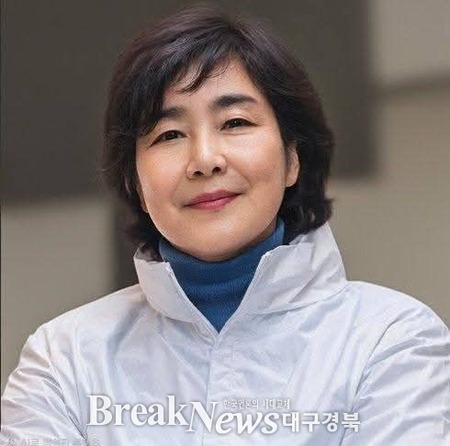
 ▲필자/ 김정기 칼럼니스트. <대한민국과 세계 이야기>의 저자. ©브레이크뉴스 |
이시바의 일본은 지금 한국에 묻고 있다. '당신들은 외교를 감정으로 할 것인가, 국익으로 할 것인가.' 이재명 대통령의 실용 외교가 단지 수사에 그치지 않으려면 지금이라도 협상 테이블 위에 실질적인 카드들을 올려놓아야 한다. 전략, 대안, 기준이 빠진 실용은 결국 외교의 공백으로 돌아올 뿐이다. jeongkeekim@naver.com
*필자/김정기
● 학력
- 뉴욕주립대학교(Stony Brook) 정치학과 수석 졸업
- 마케트대학교(Marquette) 로스쿨 법학박사
- 하버드대학교(Harvard) 케네디스쿨 최고위 과정
- 베이징대학교(Peking) 북한학 연구학자
● 경력
- 세계스마트시티기구(WeGO) 사무총장 (현)
- 유엔 국제전기통신연합 (UN ITU) 가상세계 및 AI 글로벌 이니셔티브 집행위원(현)
- 아시아태평양지방정부네트워크(CityNet) 대표
- 제8대 주상하이 대한민국 총영사(13등급 대사)
- 2010 상하이엑스포 대한민국관 정부대표
- 제17대 대선 한나라당 이명박 대통령 후보 국제위원장
- 제20대 대선 국민의힘 윤석열 대통령 후보 정치개혁 공약 총괄
- 제21대 대선 국민의힘 김문수 대통령 후보 외교고문
- 자유한국당 오세훈 당대표 후보 SH전략회의 총괄 및 조직본부 총괄본부장
- 자유한국당 서울시장 예비후보
- 법무법인 대륙아주 중국 총괄 미국변호사
- 난징대학교 국제경제연구소 객좌교수
- 동국대학교 경영전문대학원 석좌교수
- 숭실사이버대학교 총장
● 저서
1. 대학생을 위한 거로영어연구[전 10권](거로출판사)
2. 나는 1%의 가능성에 도전한다(조선일보사)
3.<한국형 협상의 법칙> 저자.
4.<대한민국과 세계 이야기>의 저자.
*아래는 위 기사를 '구글 번역'으로 번역한 영문 기사의 [전문]입니다. '구글번역'은 이해도 높이기를 위해 노력하고 있습니다. 영문 번역에 오류가 있을 수 있음을 전제로 합니다.<*The following is [the full text] of the English article translated by 'Google Translate'. 'Google Translate' is working hard to improve understanding. It is assumed that there may be errors in the English translation.>
President Lee Jae-myung, diplomacy is also a negotiation technique... “Ishiba’s Japan, let’s confront with national interests instead of emotions!”
- Columnist Kim Jeong-gi
Japanese Prime Minister Shigeru Ishiba is a man of few words. However, the weight of his words is by no means light. Ishiba, a former Self-Defense Forces officer, is pushing the terrain of Northeast Asian diplomacy with pragmatism. On the other hand, President Lee Jae-myung has declared pragmatic diplomacy, but his first card on the diplomatic stage has not yet revealed its true nature. While he talks about diplomacy centered on national interests rather than emotions, there is criticism that he has only made the declaration without a best alternative (BATNA).
Diplomacy is ultimately negotiation. And negotiation is not about emotions, but about structure. The question is whether the Lee Jae-myung government has accumulated enough time and information to create that structure. In the first phone call between the leaders of Korea and Japan, President Lee Jae-myung suggested that they resolve the past and the future together, but there is still no blueprint for how that is possible. In the arena of diplomacy where justification and practicality collide, pragmatism is not a principle but a strategy.
○ Ishiba calculated, and we were optimistic
Ishiba is pragmatic. But he is by no means frivolous. While he acknowledges the past Japan-Korea comfort women agreement, he is demanding new progress in economic and security cooperation with Korea. There is legitimacy in his words. Japan cannot be moved by the slogan that the past is the past and the future is the future. The card he pulled out after adjusting the gap between conservative forces, bureaucracy, and the United States within Japan is his pragmatic diplomacy.
On the other hand, President Lee Jae-myung declared pragmatism, but it seems that he lacks information collection and response plans for each scenario. If Japan brings up the historical issue again, what standards and language will we use to respond? Do we have our own negotiation alternatives ready to decide when to stop negotiations and when to make a decision? If time passes and there is only talk but no preparation, then that diplomacy is nothing more than an extension of emotions.
○ Diplomacy is not about words, but persuasion
Diplomacy is not a battle of justifications. How much information is grasped, how much time is managed, and how much objective criteria are presented that the other party can accept are what determine the outcome. The current Lee Jae-myung government’s message to Japan lacks all three of these. It avoided emotional confrontation, but pragmatism without design is empty. Even the “imperfect solution” chosen by the former Yoon Seok-yeol government on the issue of forced labor was based on diplomatic calculations in that it was the minimum realistic alternative.
President Lee Jae-myung’s pragmatic diplomacy is now being put to the test. Diplomacy cannot be wrapped in domestic political language. If Japan brings up the Dokdo issue or historical distortion again, a selective approach is needed that prepares clear standards to counter it, but separately takes care of supply chain, technology, and security cooperation. That is what pragmatic diplomacy centered on national interests is all about. It is a position that requires diplomacy that knows how to distinguish between emotions and strategies, and negotiation skills.
○ Emotions are a luxury in the face of national interests
Korea-Japan diplomacy is no longer just a matter of the past. At the intersection of future industries where national survival depends, including semiconductors, AI, nuclear power plants, and maritime security, Japan is both a competitor and an inevitable partner. Neither unconditional cooperation nor unilateral confrontation can be an alternative. What is needed at this time is framing of negotiations, anchoring, and design centered on information rather than emotional diplomacy.
Ishiba’s Japan is now asking Korea, “Are you going to conduct diplomacy with emotion or with national interest?” If President Lee Jae-myung’s pragmatic diplomacy is not to end up as mere rhetoric, he must put real cards on the negotiating table even now. Pragmatism without strategy, alternatives, and standards will only end up as a vacuum in diplomacy. jeongkeekim@naver.com
*Author/Kim Jeong-gi
● Education
- Graduated from Stony Brook University, Department of Political Science with honors
- Doctor of Law, Marquette University School of Law
- Harvard Kennedy School, Senior Program
- Peking University, North Korean Studies Research Scholar
● Career
- Secretary General of the World Smart Cities Organization (WeGO) (current)
- Executive Committee Member of the Virtual World and AI Global Initiative of the United Nations International Telecommunication Union (UN ITU) (current)
- Representative of the Asia-Pacific Local Government Network (CityNet)
- 8th Consul General of the Republic of Korea in Shanghai (13th Ambassador)
- Government Representative of the Republic of Korea Pavilion at the 2010 Shanghai Expo
- Chairman of the International Affairs Committee of the 17th Presidential Election, Grand National Party, Lee Myung-bak
- General Manager of the 20th Presidential Election, People Power Party, Yoon Seok-yeol
- Foreign Affairs Advisor of the 21st Presidential Election, People Power Party, Kim Moon-soo
- Liberty Korea Party Oh Se-hoon, candidate for party leader, SH Strategy Conference, General Manager and Organization Headquarters General Manager
- Liberty Korea Party Seoul Mayor Candidate
- Law Firm Continental Aju, General Manager of China, American Lawyer
- Visiting Professor, Nanjing University International Economic Research Institute
- Dongguk University Graduate School of Business, Distinguished Professor
- President, Soongsil Cyber University
● Books
1. Georo English Studies for College Students [10 Volumes] (Georo Publishing)
2. I Challenge the 1% Possibility (Chosun Ilbo)
3. Author of <The Laws of Korean Negotiation>.
4. Author of <The Story of the Republic of Korea and the World>.