그리스는 막대한 빚을 갚기 위해 IMF와 EU에게 빌린 돈의 규모가 수백조 원 수준에 이르고 있다. IMF와 EU는 그리스의 국채를 가지고 있는 민간은행의 국채를 상환 의무가 있는 그리스 정부 대신 인수하는 방식으로 그리스 정부에 대한 구제 금융을 지원했다. 즉 2015년에 와서는 대부분 그리스의 국채를 민간이 아니라 IMF와 EU, 그 중에서도 독일과 프랑스 정부가 가지고 있는 것이 현실이었던 것이다. 당연히 그리스 정부는 이들 IMF와 EU, 독일 및 프랑스에 끌려갈 수밖에 없었다. IMF와 EU에게 있어서 이 구제 금융 채권 상환은 일종의 구상권 청구인 것과 같다. 그냥 그리스의 부채를 탕감해주었다가는 비슷한 처지에 놓인 스페인이나 포르투갈, 이탈리아, 아일랜드도 같은 요구를 할 가능성이 높았기에 돈줄을 쥐고 있는 독일 등 북유럽 국가들이 엄청나게 손해를 볼 수 있었던 것이다. 따라서 협상은 순탄치 않게 진행되었다. 벌써부터 앙겔라 메르켈 독일 수상은 견제에 나서게 되었으며 심지어 그렉시트라 불리는, 그리스가 디폴트를 선언하고 유로존을 탈퇴하는 것 자체도 용인할 수 있다는 식으로 돈 갚을 것을 압박하는 중이라 할 수 있다.
물론 급진좌파인 시리자 정권의 집권 이후 기존의 그리스 신민주주의 당 내각에서 추진하던 긴축 정책를 철회하는 일환으로 공기업이나 국유 자산의 민영화 및 매각 작업을 속속 철회했다. 사실 이를 덮어씌우게 된 나라가 바로 중국인데 중국은 많은 그리스 자산을 인수하려고 계약까지 한 상황이었다. 계약 직후, 중국의 계약 자체가 무효화되어 번복당하게 된 것이다. 이미 그리스의 경제 위기로 인해 그리스의 주식 시장은 붕괴 상태였지만 그나마도 시리자 당의 집권 이후 연일 폭락의 향연이 벌어졌다. 당시 매일 6~7%, 심하면 9% 이상씩 떨어졌다. 특히 2015년 1월 26일~1월 28일 3일간만 해도 무려 20% 넘게 폭락했다. 주식의 어마어마한 대폭락은 그리스 시장에 진출한 외국 기업들의 자산 이탈이 심해졌고 2011년 이후 그 빈도수는 높아졌다. 시리자의 급격한 반(反)긴축 성향이 IMF, EU등 채권자와의 갈등을 일으켜 자칫하면 그리스가 디폴트를 맞는 상황이 될 가능성이 커졌기 때문이다. 당시 수상 알렉시스 치프라스가 평소에 뉴욕타임즈와 파이낸셜 타임즈를 챙겨보았던 것이 주효한 것인지, 아니면 채무탕감의 명분을 쌓을려고 한 것인지 알 수 없지만 당시 그리스에 대한 최대 채권국 중 하나인 러시아는 기존 제재의 연장 자체는 크게 반대하지 않았다.
물론 그와 같이 반대하지 않았다 해도 EU 내에서 러시아에 대한 대응에 균열이 생겼다는 것으로 상징성이 매우 컸다. 하지만 그래도 러시아에 대해서 추가제재에 대한 반대 의견을 표출한 것이 효력을 발휘했는지 러시아에서 그리스에서 요청만 해준다면 재정지원을 해줄수 있다고 밝히게 된다. 이에 대해 그리스의 증시는 다시 반등세를 탔고 러시아도 유가하락과 경제제재로 인해 자국 경제 사정이 썩 좋지 않았다. 그런데 아직도 돈이 남아 돌았던 탓인지 러시아의 외환보유고가 1998년 모라토리엄 선언 때와는 다르게 3700억 달러 수준에 달할 정도였다. 이는 러시아가 몇 년 정도를 어렵게 나마 버틸 수 있는 수준이 되기는 했다. 외환보유고가 떨어져 나가는 속도가 빠른 것이 문제이긴 하지만. 그러나 러시아가 이미 경제 제재가 걸려 있는 상황에서 할 수 있는 것이 제한적이라는 것을 아는 EU 입장에서는 그저 그리스의 경제를 공략할 명분만 추가될 뿐. 시리자도 이와 같이 알고 있었기 때문에 제재 연장에는 찬성했다. 그리스 금융위기 이후 IMF, EU, ECB (European Central Bank)가 구제금융을 하면서 언론에서 이 세 기관을 한 집단으로 묶은 것을 트로이카라라고 불리고 있다. 이러한 트로이카와의 협상이 지지부진하다보니까 국가부도까지 우려되는 상황이라는 예측이 있었다.
그런데 때마침 프랑스에서 부채 관련하여 재협상을 할 수 있다는 용의를 밝히게 되었고, 당시 미국 대통령이었던 버락 오바마도 그리스의 구제 금융 재협상을 지지했다. 그리스 정부로서도 일단 조금 온건하게 의견을 발표하여 일단 자금 융통에 대해 조금 트여 있는 상황에 있다. 물론 프랑스도 재협상에 응할수 있다고 했지만 그리스 정부에서 요구하는 채무 탕감은 어렵다는 입장을 표했기 때문에 어디까지나 자금 융통이 조금 트였다는 얘기일 뿐이다. 프랑스도 그리스 지역에 투자한게 많긴 하지만 2012년 이후 부채 정리가 있었기에 큰 타격을 입는 것은 아니다. 하지만 트로이카와 독일이 요지 부동인 상황이기 때문에 파국은 시간 문제로 평가되고 있다. 그리스에서도 결국 채무탕감 요구는 포기하게 되었다. 하지만, 결국 ECB와 독일이 그리스 시리자 정부에서 내놓은 국채 담보 안을 승인하지 않게 되면서 그리스 정부는 2015년 3월 디폴트를 피할 수가 없게 되었다. 3월 이전까지 시리자 정부가 ECB, 독일 정부한테 항복하지 않으면 그대로 디폴트를 선언할 가능성이 높아졌다. 여기에서 그리스 정부는 미국, 러시아 뿐만 아니라 중국까지 거론하면서 중국에서 돈을 빌려올 수도 있다고 주장하고 있다.
차프라스 총리가 리커창 중국 총리에게 초청 받았다는 것도 공개했다. 그리고 리커창 중국 총리는 차프라스와의 통화에서 시리자에 집권하자 마자 민영화를 취소한다는 식으로 발표하며 뒤엎으려 했고 피레우스 항 프로젝트를 복구하라 요구했다. 그래서 차프라스는 이를 보장하는 답변을 했다. 2015년 2월 12일~13일에 실시한 여론조사에서 45.4%를 얻어 2위인 그리스 신민주주의 당을 크게 앞서게 되었다. 아마도 당연히 귀결될 수밖에 없는 상황인 듯 싶다. 재협상을 앞두고 그리스 곳곳에서 친(親) 정부 시위 또한 발생했고 프랑스 파리에서도 그리스를 지지하는 시위가 열렸다. 2015년 6월 5일로 예정된 만기까지 3억 700만 유로, 한화 약 3700억 원을 상환해야하는데, 이조차도 없다고 그리스 정부에서 나오고 있다. EU와 IMF가 제시한 긴축 재정은 여전히 실시하지 않으면서, 빚 갚을 생각을 전혀 안한다는 것이 무엇을 의미할지는 아주 잘 알고 있었다. 현재 EU와 IMF는 그리스의 디폴트를 기정사실화하고 있으며, 시리자가 몰락한 다음 이후 선거를 기대하는 실정에 있다. 물론 그리스가 디폴트를 선언한 뒤, 할 수 있는 선거가 있을지에 대해서는 별개의 문제로 나타나고 있는 것이 현실이다.
결국 2015년 7월 5일, 치프라스는 구제금융에 대한 국민투표로 진퇴를 결정하기로 했다. 그러자 그리스의 여론조사 결과, 지난달 말 카파 리서치의 여론 조사에서는 찬성 47.2%, 반대 33.0%로 나타났지만 자본 통제 이후에는 반대의 세력들이 시리자에 결집하면서 반대 54% 찬성 33%로 대역전을 일구었다. 알렉시스 치프라스 수상은 더욱 더 가열차게 반대표 결집에 열을 올리게 된다. 그러나 여론조사기관 GPO가 이날 발표한 결과에서는 다시 찬성 47.1%, 반대 43.2%로 뒤집하게 된다. 이는 여러모로 팽팽한 접전이었고 반대의 숫자도 만만치 않아 그리스 의회는 여러모로 고민하게 된다. 결국 7월 5일 국민투표가 시리자 내각의 진퇴를 결정하게 되었다. 그런데 기어이 2015년 7월 5일 2015년 그리스 구제 금융 국민투표에서 구제 금융 반대 61% 찬성 39%라는 엄청난 득표율 및 일방적인 득표차로 구제 금융을 부결시킴은 물론 시리자 정권의 연장에도 가볍게 성공하게 된다. 출구조사 때까지만 해도 52:48의 근소 우세로 점쳐졌던 것이 순식간에 뒤집히게 되었던 것이다. 하지만 이는 시리자 정권이 크게 실책을 한 것이나 다름 없었는데 EU 입장에서는 그리스를 자기들에게서 축출할 수 있는 가장 확실한 근거가 생겼기 때문이다. 물론 오랜 긴축에도 견디지 못했다. 이는 그리스 정부의 공무원으로부터 시작해서 소위 기득권층의 복지는 거의 손을 대지 않았고, 상류층 역시 마찬가지였다.
이 부분은 유럽과 IMF 간에 이해 관계가 조금씩 다르기는 하다. EU측은 부자들이 탈세를 하면 뒤엎어 버리라는 식이지만 IMF는 부자에 대한 대대적인 증세가 투자를 위축시킨다고 반대하는 입장에 있기 때문이다. 그렇다고 그리스는 재산업화를 추진한 것도 아니다. 부패와 기형적 형태의 정치문화도 여전히 자리잡고 있다. 이 모든 것을 시리자 정권의 잘못이라고만 할 수 없지만 시리자가 그 일부에 기여했으며 시리자가 정권을 잡고 집권을 거듭하고도 개혁을 그 동안의 공약과 다르게 급진적으로 추진하지 않았다는 것도 분명하다. 일각에서는 중국과 러시아의 문제로 보기도 하는데, 중국은 주식이 폭락했었기에 한국 입장에서는 더욱 큰 문제로 여겨지고 있다. 자국 시장에 돈을 엄청나게 풀고 있기 때문에 중국은 여력이 없고, 러시아는 저유가 및 낮은 천연가스 가격으로 인해 재정 압박에 시달리고 있었다. 게다가 우크라이나 크림 및 돈바스 지역에 개입했다가 서방 제재로 인해 GDP가 절반으로 폭락할 정도로 허약한 상황에 있었다. 다들 그와 같이 어려운 상황인데 그리스를 도울 수 있는 처지가 못 되었다. 게다가 그리스가 기본적으로 신용이 없는 상황이었기 때문에 겉으로만 그리스를 지원하겠다 말하고 실제로는 아무것도 해주지 않았다.
당시 집권 정당인 시리자는 세 가지 중 하나를 선택할 수밖에 없게 되었다. 첫 번째, 국민들의 반대 요구를 무시하고 긴축을 계속하는 것은 EU가 그리스 정부에게 재국민투표를 요구할 공산이 클 것으로 보았다. 아일랜드도 처음에는 EU 리스본 협약에 사인할 때 국민투표로 부결되었지만, 2009년에 다시 투표를 하여 민주적인 정당성을 얻어내기도 했다. 두 번째, 정권이 퇴진한 뒤 악역을 중도파에게 넘겨 혼란을 주는 것, 세 번째, 그냥 나라가 망하는 길로 종합하여 세 가지 중 하나만 선택해야 했다. 결국 7월 중순, 시리자는 정당의 보존을 위해 고강도 긴축 정책을 시행할 수밖에 없게 되었다. 물론 그렉시트를 하면 문제가 해결되겠으나 그랬다가는 서드 임팩트가 시작되기도 전에 알아서 붕괴 될 것이니 별 수 없는 현실에 있었던 것이다. 2015년 8월 20일 시리자가 구제 금융 찬반으로 인해 분당되자 그리스 국회의 의회를 해산하고 알렉시스 치프라스가 총리직에서 사퇴하게 된다. 2015년 9월 20일 조기 총선을 시행할 것을 정했으며 당시 여론조사에 의하면 시리자의 지지율은 급락했던 것으로 나타난다. 당장의 과반보다 못한 1당도 매우 어려운 상황에 있었다. 그나마 제1 야당인 신민주주의 당이 부진하여 1당이라도 바라볼 수 있는 상황이다. 야당이 올곧게 건재했다면 이와 같은 경제 위기는 없었을 것이다. lukybaby7@gmail.com
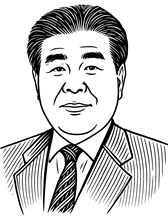
*필자/ 정길선.
노바토포스 회원, 역사학자, 고고인류학자, 칼럼니스트, 러시아 과학아카데미 유라시아 고고인류학연구소 연구교수.
*아래는 위 기사를 '구글 번역'으로 번역한 영문 기사의 [전문]입니다. '구글번역'은 이해도 높이기를 위해 노력하고 있습니다. 영문 번역에 오류가 있을 수 있음을 전제로 합니다.<*The following is [the full text] of the English article translated by 'Google Translate'. 'Google Translate' is working hard to improve understanding. It is assumed that there may be errors in the English translation.>
The economic crisis caused by the incompetence of the Greek government and political parties in the 2010s
- Columnist Jeong Gil-seon
The amount of money Greece borrowed from the IMF and the EU to repay its massive debt amounts to hundreds of trillions of won. The IMF and the EU supported the Greek government with bailout funds by taking over the government bonds of private banks that held Greek government bonds instead of the Greek government, which had the obligation to repay them. In other words, by 2015, most of Greece’s government bonds were held by the IMF, the EU, and especially the German and French governments, not by the private sector. Naturally, the Greek government had no choice but to be dragged along by the IMF, the EU, Germany, and France. For the IMF and the EU, repaying these bailout bonds was a kind of claim to subrogation. If Greece’s debt had simply been forgiven, Spain, Portugal, Italy, and Ireland, which were in similar situations, were likely to make the same demands, so the Nordic countries, including Germany, which held the purse strings, could have suffered enormous losses. Therefore, the negotiations did not proceed smoothly. Already, German Chancellor Angela Merkel has begun to check and even pressure Greece to pay back the money by saying that she would tolerate a default and withdrawal from the eurozone, which is called Grexit.
Of course, after the radical left Syriza government came to power, it gradually withdrew the austerity policies pursued by the previous Greek New Democracy party cabinet, and privatized and sold off public enterprises and state-owned assets. In fact, the country that covered this up was China, which had even signed a contract to acquire many Greek assets. Immediately after the contract, the contract itself was invalidated and overturned. The Greek stock market had already collapsed due to the Greek economic crisis, but even that fell every day after the Syriza party came to power. At that time, it fell 6-7% every day, and in severe cases, more than 9%. In particular, it fell by a whopping 20% in just three days from January 26 to January 28, 2015. The massive plunge in stock prices was due to the severe asset outflows by foreign companies that had entered the Greek market, and the frequency of such outflows has increased since 2011. This is because Syriza’s sharp anti-austerity stance caused conflicts with creditors such as the IMF and the EU, which increased the possibility that Greece would default. It is unclear whether the fact that then-Prime Minister Alexis Tsipras usually read the New York Times and the Financial Times was effective, or whether he was trying to build up a case for debt relief, but Russia, one of Greece’s largest creditors at the time, did not strongly oppose the extension of existing sanctions.
Of course, even if they had not opposed it, it was very symbolic in that it created a rift in the EU’s response to Russia. However, it seems that the fact that Russia expressed its opposition to additional sanctions was effective, as Russia announced that it would provide financial support if Greece requested it. In response, the Greek stock market rebounded again, and Russia’s own economy was also not doing well due to falling oil prices and economic sanctions. However, perhaps because there was still money left over, Russia's foreign exchange reserves were at the level of $370 billion, different from when the moratorium was declared in 1998. This was enough for Russia to endure for a few years, albeit with difficulty. The problem is that the foreign exchange reserves are rapidly depleting. However, for the EU, which knows that Russia is already under economic sanctions and that there is only a limited amount of room for action, this only adds to the justification for attacking the Greek economy. Syriza also knew this, which is why it agreed to extend the sanctions. After the Greek financial crisis, the IMF, EU, and ECB (European Central Bank) provided bailout funds, and the media called these three organizations the Troika. As negotiations with the Troika were not going well, there were predictions that the country would face national bankruptcy.
However, at that time, France expressed its willingness to renegotiate the debt, and then-US President Barack Obama also supported renegotiating Greece's bailout funds. The Greek government has also expressed a somewhat moderate opinion, so the situation is somewhat open for funding. Of course, France said it would agree to renegotiation, but since it has expressed its position that debt relief requested by the Greek government is difficult, this is only a story of a slight opening in funding. France has also invested a lot in the Greek region, but since debt consolidation has been done since 2012, it will not be a big blow. However, since the Troika and Germany are in a fixed position, the catastrophe is assessed as a matter of time. Greece eventually gave up on demanding debt relief. However, since the ECB and Germany eventually refused to approve the national bond collateral plan presented by the Greek Syriza government, the Greek government could not avoid default in March 2015. If the Syriza government does not surrender to the ECB and the German government by March, the possibility of default has increased. Here, the Greek government is mentioning not only the United States and Russia, but also China, and is claiming that it may borrow money from China. It was also revealed that Prime Minister Tsapras had been invited by Chinese Premier Li Keqiang. And in a phone call with Tsapras, Chinese Premier Li Keqiang tried to overturn the privatization by announcing that Syriza would cancel it as soon as it took power and demanded that the Piraeus Port project be restored. So Tsapras gave a response guaranteeing this. In an opinion poll conducted on February 12-13, 2015, Syriza received 45.4%, far ahead of the second-place Greek New Democracy Party. Perhaps it was an inevitable outcome. Pro-government protests also took place throughout Greece ahead of the renegotiation, and protests supporting Greece were held in Paris, France. The Greek government is claiming that it does not even have 370 million euros (about 370 billion won) to repay by the maturity date of June 5, 2015. They knew very well what it meant to not implement the austerity measures suggested by the EU and IMF and not even think about repaying the debt. Currently, the EU and the IMF are taking Greece's default as a given and are expecting elections after Syriza collapses. Of course, whether there will be an election after Greece declares default is a separate issue.
In the end, on July 5, 2015, Tsipras decided to decide whether to step down through a referendum on the bailout. Then, according to the Greek public opinion poll results, the Kappa Research poll at the end of last month showed 47.2% in favor and 33.0% against, but after the capital controls, the opposition forces rallied behind Syriza, making a great comeback with 54% against and 33% in favor. Prime Minister Alexis Tsipras became even more heated in his efforts to gather votes against. However, the results announced by the polling agency GPO that day showed a reversal with 47.1% in favor and 43.2% against. This was a close race in many ways, and the opposition numbers were not small, so the Greek parliament was left to ponder many things. In the end, the referendum on July 5th decided the fate of the Syriza government. However, on July 5th, 2015, in the 2015 Greek bailout referendum, the bailout was rejected by a huge margin of 61% against the bailout and 39% in favor, and the Syriza government was easily extended. The narrow lead of 52:48 that had been predicted until the exit polls was overturned in an instant. However, this was no different from a major blunder by the Syriza government, because from the EU's perspective, it gave them the most certain grounds to expel Greece from their country. Of course, they could not endure the long-term austerity measures. Starting with the Greek government's civil servants, the welfare of the so-called vested interests was barely touched, and the upper class was the same.
The interests of Europe and the IMF differ slightly in this regard. The EU wants to overturn the rich if they evade taxes, but the IMF opposes it, saying that large-scale tax increases on the rich discourage investment. However, Greece did not pursue reindustrialization. Corruption and a distorted political culture still exist. We cannot say that all of this is the fault of the Syriza government, but it is clear that Syriza contributed to some of it, and that even after taking power and continuing to rule, it did not pursue reforms as radically as it had promised. Some see it as a problem of China and Russia, but China is considered a bigger problem from Korea’s perspective because its stock market has plummeted. China has no room to spare because it is pouring a huge amount of money into its own market, and Russia is suffering from financial pressure due to low oil and natural gas prices. Furthermore, it was in a weak position to the point that its GDP plummeted by half due to Western sanctions after intervening in the Crimea and Donbas regions of Ukraine. Everyone else is in a difficult situation, and it was not in a position to help Greece. Moreover, since Greece was basically in a state of lack of trust, they only said they would support Greece on the surface and did nothing in reality.
The then ruling party, Syriza, was forced to choose one of three options. First, ignoring the people's opposition and continuing austerity measures would likely lead to the EU demanding a referendum on the Greek government. Ireland initially rejected the EU Lisbon Agreement in a referendum, but it voted again in 2009 and gained democratic legitimacy. Second, handing over the role of the villain to the centrists after the government resigned and causing chaos, and third, simply letting the country fall apart. In the end, in mid-July, Syriza had no choice but to implement a high-intensity austerity policy in order to preserve the party. Of course, a Grexit would solve the problem, but if it did, it would collapse before the Third Impact could even begin, so it was an unavoidable reality. On August 20, 2015, Syriza was divided over the pros and cons of a bailout, so the Greek parliament was dissolved and Alexis Tsipras resigned as prime minister. On September 20, 2015, it was decided to hold an early general election, and according to opinion polls at the time, Syriza's approval ratings plummeted. Even the party that had less than a majority was in a very difficult situation. The only thing that could be hoped for was the party that was the main opposition party, New Democracy, which was doing poorly. If the opposition party had been upright and healthy, this economic crisis would not have occurred. lukybaby7@gmail.com
*Author/ Jeong Gil-seon.
Novatopos member, historian, paleoanthropologist, columnist, research professor at the Institute of Eurasian Paleoanthropology, Russian Academy of Sciences.