|
브레이크뉴스 문홍철 기자= 올해 하반기 반도체·제약바이오 등 업종은 ‘대체로 맑음’, 자동차·건설 분야 등은 ‘흐림’으로 예보됐다.
대한상공회의소가 최근 11개 주요 업종별 협·단체와 함께 ‘2025년 하반기 산업기상도 전망 조사’를 실시한 결과에 따르면, 하반기 △반도체 △디스플레이 △조선 △바이오 산업은 대체로 맑을 것으로, △철강 △자동차 △석유화학 △배터리 △섬유 △기계 △건설 산업은 어려울 것으로 예상되는 ‘흐림’으로 전망됐다.
먼저, 반도체 산업은 국가별 AI 인프라 구축경쟁과 빅테크 중심의 AI 서버 투자 지속에 따라 HBM 등의 견조한 수출이 예상된다. 메모리 가격 상승 및 신규 IT기기 출시도 반도체 수요 증가의 호재로 작용할 전망이다. 단, 미국 반도체 관세 부과 예고에 따른 시장의 불확실성, 국가 간 반도체 첨단기술 확보 경쟁 등은 위협요인으로 보인다.
디스플레이 산업은 AI용 저전력 디스플레이(LTPO: 저온다결정산화물) 기술이 적용된 스마트폰 출시로 하반기 수출은 지난해 동기대비 6.5% 증가하는 105억 달러로 전망된다. LTPO는 일반 OLED 패널보다 단가가 약 2.5~3배 가량 높아 수출 실적에 크게 기여할 것으로 보인다. 단, LCD는 중국발 공급과잉으로 하반기 생산은 같은 기간 대비 1.5% 감소할 것으로예측됐다.
조선업의 경우, 미국 LNG프로젝트를 통한 LNG선 추가 발주 기대감과 새정부 공약인 조선업 미래발전 5대 전략(스마트 미래선박 시장 선점 등)에 따른 글로벌 경쟁력 확보 가능성을 호재요인으로 꼽았다. 현재 트럼프발 화석연료 개발 활성화 정책에 따라 다수의 LNG프로젝트가 검토 중으로, 향후 프로젝트 개발로 105척의 LNG선이 추가 발주될 것으로 예상하고 있다. 트럼프 대통령의 미국 조선업 재건 의지 표명, 미 의회의 존스법 폐지법안 발의 등 타국과의 협력 여건이 조성되고 있는 점도 긍정요인이다.
제약·바이오산업은 상반기 대규모 수주계약체결 등으로 바이오의약품 수출이 전년동기대비 28.6% 증가한데 이어, 하반기에도 미국 약가인하 정책 및 미국·EU·캐나다의 바이오시밀러 허가완화 정책 추진 등으로 바이오시밀러의 수요가 증가할 것으로 예상된다. 미국 생물보안법(특정 중국 바이오 기업과의 거래를 제한) 재추진도 위탁생산 분야에 호재요인이 될 것으로 보인다. 새정부 공약인 ‘바이오 특화 펀드’에 대한 기대감도 드러냈다. 불안요인으로는 ‘의약품에 대한 품목별 관세 조치 가능성’이 꼽혔다.
철강업종은 대미 수출 여건 악화, 중국발 저가공세, 전방산업의 침체 장기화 등으로 수출, 내수 시장 모두 부진을 겪으며 ‘흐림’으로 전망됐다. 6월 미국의 철강제품 50% 관세 부과에 따라 대미 수출 여건이 악화된 가운데, 대체 시장인 아세안 시장에서도 중국발 저가공세로 인해 고전중이다. 실제, 코로나 팬데믹 이후 철강재 생산은 매년 하락하여 2025년 상반기에는 2009년 글로벌 금융위기 당시 수준까지 하락했다.
자동차업종은 하반기 관세영향 본격화로 미국 신차가격이 상승하면서 수요가 감소하고, 현지 신공장 가동에 따른 영향도 더해져 하반기 수출은 전년동기대비 5.5% 감소한 124.3만대로 전망됐다. 반면, 하반기 내수는 개별소비세 인하 연장, 금리 인하 및 신차출시 효과에 따라 소폭 증가할 것으로 보인다.
석유화학업종은 글로벌 공급과잉으로 인한 경쟁 심화로 수출 규모가 4.1% 감소할 것으로 전망된다. 수익성 지표인 2025년 1~5월의 에틸렌 스프레드는 톤당 219달러를 기록하는 등 2022년 이후 계속해서 손익분기점(250~300$/t)을 하회하고 있다. 단, 신정부 경기부양책과 함께 전방산업 여건이 개선돼 하반기 내수 시장은 474만5000톤으로 전년동기대비 6.3% 증가할 것으로 전망된다.
배터리산업은 중국발 저가 배터리 공급 과잉에 따른 글로벌 점유율 하락을 가장 큰 하방 리스크로 꼽았다. 특히, 올해 EU시장에서는 중국 배터리 점유율이 60%를 넘기며 한국을 앞지를 것으로 예상된다. 단, 미국 시장에서는 정부예산 조정법안(OBBB, One Big Beautiful Bill)이 발효될 경우 중국기업의 미국 수출, 투자 및 기술이전 계약 등이 어렵게 되어 기회요인을 얻게 될 것으로 전망된다.
섬유패션산업 역시 중국산 덤핑에 따른 국산 범용소재의 글로벌 점유율 하락으로 ‘흐림’으로 예보됐다. 중소 원단 생산업체는 수익성 저하에 따른 생산여건 악화로 수출 회복에 제약이 따를 것으로 우려된다. 단. 아라미드 등 고부가가치 산업용 섬유의 생산 확대와 한한령 해제에 따른 대중국 K-패션 수요 회복 가능성은 업황 개선의 긍정적 요인으로 평가된다.
일반기계산업은 미국, 유럽 등 주요 수출국의 경기회복세 둔화 및 관세정책 등 대외환경 불확실성 증대에 따른 투자수요 위축으로 하반기 수출은 전년동기대비 5.8% 하락할 것으로 보인다. 단, 중동발 대형 플랜트 수요 확대 및 새정부 경기부양 정책으로 인한 건설경기 회복 시 기계 투자 수요가 소폭 증가할 것으로 예상된다.
하반기 건설업은 상반기보다 양호한 흐름을 보일 것으로 예상되나, 여전히 ‘흐림’으로 전망됐다. 경기 선행지표인 건설수주액이 올 4월 누계기준 53조2000억원으로 전년동기대비 8.1% 감소했다. 상반기 정치적 불확실성으로 대형 토목공사가 지연되면서 토목부분은 전년동기대비 42.2% 하락했다. 단, 신정부의 출범과 함께 남부내륙철도 사업 등 미뤄졌던 공사의 본격 착수, 주택공급 및 SOC 투자 확대 등 대통령 공약은 긍정요인으로 보인다.
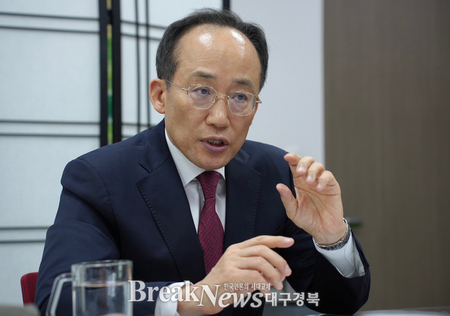
이종명 대한상의 산업혁신본부장은 “미국의 관세정책, 중국의 저가공세 등 국내 주요산업의 대내외 여건이 어렵지만, 새 정부의 경기부양 노력에 거는 기대도 큰 하반기”라며 “파격적인 규제개혁을 통해 여러 가지 시도를 하고 이를 통해 한국사회의 해묵은 숙제도 해결하는 지혜가 필요한 때다”고 말했다.
break9874@naver.com
*아래는 위 기사를 '구글 번역'으로 번역한 영문 기사의 [전문]입니다. 구글번역'은 이해도 높이기를 위해 노력하고 있습니다. 영문 번역에 오류가 있을 수 있음을 전제로 합니다.<*The following is [the full text] of the English article translated by 'Google Translate'. 'Google Translate' is working hard to improve understanding. It is assumed that there may be errors in the English translation.>
Industrial weather forecast for the second half of this year: ‘Sunny’ for semiconductors, shipbuilding, and pharmaceutical/biotech; ‘Cloudy’ for automobiles and construction
The semiconductor, pharmaceutical, and bio industries are forecast to be ‘generally clear’ in the second half of this year, while the automobile and construction industries are forecast to be ‘cloudy.’
According to the results of the ‘2025 Second Half Industrial Weather Forecast Survey’ conducted by the Korea Chamber of Commerce and Industry with 11 major industry associations and organizations, the semiconductor, display, shipbuilding, and bio industries in the second half are expected to be generally clear, while the steel, automobile, petrochemical, battery, textile, machinery, and construction industries are expected to be ‘cloudy,’ which means they will face difficulties.
First, the semiconductor industry is expected to see solid exports of HBM and other products due to competition in building AI infrastructure by country and continued investment in AI servers centered on big tech. The rise in memory prices and the release of new IT devices are also expected to act as positive factors for increased semiconductor demand. However, market uncertainty due to the US’s announcement of semiconductor tariffs and competition between countries to secure advanced semiconductor technologies are seen as threats.
The display industry is expected to see exports increase by 6.5% year-on-year to $10.5 billion in the second half of the year due to the launch of smartphones that use low-power display (LTPO: low-temperature polycrystalline oxide) technology for AI. LTPO is expected to contribute significantly to export performance as its unit price is about 2.5 to 3 times higher than that of general OLED panels. However, LCD production in the second half of the year is expected to decrease by 1.5% compared to the same period due to oversupply from China.
In the case of the shipbuilding industry, expectations of additional LNG ship orders through the US LNG project and the possibility of securing global competitiveness according to the new government's pledge of five strategies for future development of the shipbuilding industry (including preempting the smart future ship market) were cited as positive factors. Currently, a number of LNG projects are under review in accordance with Trump's policy of activating fossil fuel development, and it is expected that 105 LNG ships will be additionally ordered through future project development. The fact that conditions for cooperation with other countries are being created, such as President Trump's declaration of his will to rebuild the US shipbuilding industry and the US Congress's proposal of a bill to repeal the Jones Act, are also positive factors.
The pharmaceutical and biotech industries are expected to see a 28.6% increase in biopharmaceutical exports in the first half of the year compared to the same period last year due to large-scale contracts signed, and demand for biosimilars is expected to increase in the second half due to the US drug price reduction policy and the US, EU, and Canada’s policy of easing biosimilar approval. The US Biosecurity Act (restricting transactions with certain Chinese biotech companies) is also expected to be a positive factor for the consignment manufacturing sector. Expectations were also expressed for the new government’s pledge, the ‘Bio-Specialized Fund’. The ‘possibility of item-specific tariff measures on pharmaceuticals’ was cited as a factor of uncertainty.
The steel industry is expected to be ‘cloudy’ due to the worsening export conditions to the US, low-price offensive from China, and prolonged stagnation in the upstream industry, leading to sluggish exports and domestic demand. While export conditions to the US have worsened due to the US imposition of a 50% tariff on steel products in June, the alternative market, the ASEAN market, is also struggling due to low-price offensive from China. In fact, steel production has been declining every year since the COVID pandemic, and by the first half of 2025, it will have fallen to the level of the 2009 global financial crisis.
In the automobile industry, exports are expected to decrease by 5.5% year-on-year to 1.243 million units in the second half due to a decrease in demand as new car prices in the US rise due to the full-scale impact of tariffs in the second half, and the impact of new local plants. On the other hand, domestic demand in the second half is expected to increase slightly due to the extension of the individual consumption tax cut, interest rate cuts, and the launch of new cars.
In the petrochemical industry, exports are expected to decrease by 4.1% due to intensified competition caused by global oversupply. The ethylene spread, a profitability indicator, has been below the break-even point (250-300$/t) since 2022, recording $219 per ton for January-May 2025. However, with the new government's economic stimulus measures and the improvement of the conditions of the forward industry, the domestic market in the second half of the year is expected to increase by 6.3% year-on-year to 4,745,000 tons.
The battery industry cited the decline in global market share due to the oversupply of low-cost batteries from China as the biggest downside risk. In particular, in the EU market this year, China's battery market share is expected to exceed 60%, surpassing Korea. However, in the US market, if the government budget adjustment bill (OBBB, One Big Beautiful Bill) is enacted, it is expected that Chinese companies will have difficulty in exporting to the US, investing, and transferring technology, creating opportunities.
The textile and fashion industry is also expected to be 'cloudy' due to the decline in the global market share of domestic general-purpose materials caused by dumping from China. Small and medium-sized fabric manufacturers are concerned that their export recovery will be limited due to the deterioration of production conditions caused by decreased profitability. However. The expansion of production of high value-added industrial fibers such as aramid and the possibility of recovery in demand for K-fashion in China due to the lifting of the THAAD ban are evaluated as positive factors for the improvement of business conditions.
The general machinery industry is expected to see a 5.8% decrease in exports in the second half of the year compared to the same period last year due to a slowdown in economic recovery in major exporting countries such as the US and Europe and increased uncertainty in the external environment such as tariff policies, which will lead to a decrease in investment demand. However, it is expected that investment demand for machinery will increase slightly due to the expansion of demand for large-scale plants from the Middle East and the recovery of the construction industry due to the new government’s economic stimulus policy.
The construction industry in the second half of the year is expected to show a better trend than the first half of the year, but it is still forecast as ‘cloudy.’ Construction orders, a leading indicator of the economy, decreased by 8.1% year-on-year to KRW 53.2 trillion as of April. The civil engineering sector fell by 42.2% year-on-year as large-scale civil engineering projects were delayed due to political uncertainty in the first half of the year. However, with the launch of the new government, the full-scale commencement of construction projects that had been postponed, such as the Southern Inland Railway project, and the president’s pledges to expand housing supply and SOC investment are seen as positive factors.
Lee Jong-myeong, head of the Industrial Innovation Headquarters of the Korea Chamber of Commerce and Industry, said, “Although domestic and international conditions for major domestic industries are difficult due to the US tariff policy and China’s low-price offensive, there are also high expectations for the new government’s efforts to stimulate the economy in the second half of the year,” adding, “It is a time when we need the wisdom to try various things through drastic regulatory reform and solve long-standing problems