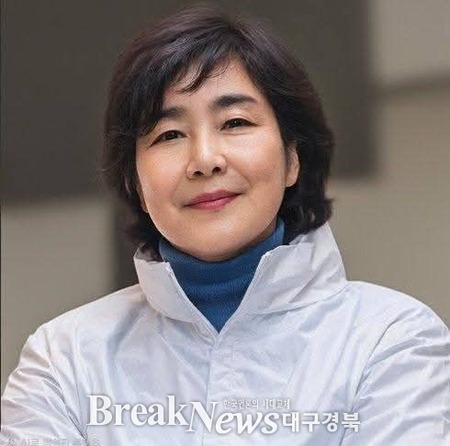
▲ 정길선 박사 ©브레이크뉴스 |
태국은 군부 쿠데타가 발생할 때마다 군부가 장악한 정치는 민주정치가 아닌 군부의 독재정치에 가까울 정도로 험악했다. 그러나 그런 험악한 분위기 속에서도 과도한 정적 제거나 시민들이 피해를 입지 않았던 것은 국왕의 역할이 매우 컸다. 왕의 중재로 인해 태국이 군부 독재의 최악의 국가가 되는 것을 차단할 수 있었던 것이다. 태국 헌법 제6조에 의하면 "국왕은 존엄한 지위에 있으며 어떠한 사람도 모독할 수 없다. 그 어떠한 사람도 어떠한 방법으로도 국왕을 비난하거나 고발할 수 없다. (พระมหากษัตริย์ทรงอยู่ในตำแหน่งอันทรงเกียรติ ไม่มีใครจะดูหมิ่นพระองค์ได้ ไม่มีใครจะวิพากษ์วิจารณ์หรือประณามพระมหากษัตริย์ในทางใดทางหนึ่งได้).", 그리고 제8조에는 "국왕은 존경받는 신성한 지위에 있으며, 누구도 이것을 침범할 수 없다. (พระมหากษัตริย์ทรงมีตำแหน่งอันศักดิ์สิทธิ์และเป็นที่เคารพนับถือ ไม่มีใครสามารถละเมิดตำแหน่งนี้ได้)."로 되어 있기에 국왕은 그 누구에게나 신성한 존재다. 따라서 태국에서 쿠데타가 성공하려면 누구든 왕에게 인정받아야 성공할 수 있다. 국왕에게 인정받지 않은 쿠데타는 국가반역죄에 해당되어 처벌받을 수 있다.
태국에서의 정권 교체는 군부와 민간 정권 내에서의 권력 다툼으로 벌어지는 경우가 많았다. 그러나 태국 군대는 명분상 태국의 발전과 안전을 명분으로 하기 때문에 지나친 유혈 사태가 벌어지면 수뇌부의 지지를 철회할 수 있다. 지금까지 태국에서 19차례의 쿠데타가 발생했지만 태국에서 쿠데타의 성패는 앞서 언급한 것처럼 국왕의 결정에 따라 달려 있다. 이들은 서로 간에 정권 교체를 벌이기도 했고, 시기에 따라서 민간 정권의 민주정이 들어설 때도 있었지만 대개 몇 년 못가서 군부에 의해 의회가 해산되고 군정이 들어서 민간 정권을 차단하는 경우가 많았다. 처음부터 군부는 국가와 민족을 위해 봉사한다는 이유로 집권의 명분을 내세웠기 때문에 정권 문제가 민족 분열까지 가지는 않고 있다는 것이 중요하다. 이에 군인들 역시 국방의 의무 이상을 철저히 교육 받았고, 태국의 민족성도 존재하고 있기에 특이하게도 다른 군부 독재 국가와 달리 잔인한 철권 통치는 존재하지 않았다. 또한 나라의 발전을 위해 우수한 엘리트 인재를 적극 등용했고 이들은 물러설 때조차도 잘 알았던 자들이다.
하지만 아무리 군인 정신이 훌륭한다 해도 우선 정치 권력을 잡게 되면 결국에는 부정부패에 심화되고 갈수록 무능해지기 마련이다. 정치가 무엇인지 모르는 군인들은 전쟁은 알아도 통치에 있어서는 문외한이기 때문이다. 그래서 "말 위에서 전쟁은 지휘할 수 있어도 통치는 말 위에서 할 수 없다"는 말이 있는 것이다. 정치에 무능한 군부 정권은 부패를 저지르고 각종 실정들을 저지르기 시작한다. 그로 인해 국민들 사이에선 점차 반발이 일어나는 것은 당연한 일이고, 1973년 학생 항쟁이 발생해 타놈 끼띠카쫀 군사 정권이 축출되었고 1975년 인도차이나 지역이 공산화 된 것을 계기로 1976년에 반공을 내세우는 군부에 의해 쿠데타가 일어났다. 그러자 탐마삿 대학에서 이에 대항하는 수십명의 학생들이 경찰과 우익 단체 등에게 살해되는 참사가 벌어져 이같은 살상을 막기 위해 쿠데타는 국왕에 의해 승인되었다. 이에 체포를 면한 학생들이 공산 반군에 가담하면서 군부와의 내전 위기로 치달았었다. 그러자 군부가 유화책을 내놓으면서 일단 이들에게 고개를 숙였고 그에 따라 공산반군의 세력도 다시 약화되었다.
1988년에 다시 민간인 출신의 총리가 나타나며 태국은 다시 민주주의 국가가 되어 정권교체도 이루어졌다. 하지만 1991년에 쑤쩐다 장군이 집권 내각의 비리를 근거로 들어 군사 쿠데타를 일으켰고, 민간정부는 다시 전복되면서 다시 군부 독재 국가가 되었다. 특히 수쩐다 장군은 쿠데타 이후, 군대로 돌아가겠다는 약속과 다르게 수상직에 취임하며 독재 정치를 펼치자, 방콕 시민들은 잠롱 스리무앙 전 방콕 시장의 지휘 하에 강경한 시민혁명에 나섰다. 수쩐다는 이를 무자비하게 탄압했지만 사태가 심각해지자 그의 쿠데타를 묵인해준 국왕이 시민들의 편을 들어 군부의 비민주적인 행위를 용납하지 않겠다고 선언하자 수쩐다도 이에 사퇴를 선언하여 1991년의 쿠데타는 실패했다. 1990년대에 이르러 토지 개혁 비리 사건이 터지면서 사회적인 문제가 되었던데다 1997~98년에는 한국과 마찬가지로 태국도 외환 위기 등의 상황이 겹치게 되었다. 그러한 상황에 등장했던 인물이 기업인이었던 탁신 친나왓이다. 2001년 총선에서 화교이자 기업인 출신이었던 탁신 친나왓은 총리에 취임한 이후 30밧 의료 보험 등을 제정하여 하층민을 위한 포퓰리즘 정책을 펼치기 시작한다.
물론 탁신도 부패한 정치인인 것은 맞다. 그리고 정책 자체가 포퓰리즘 일변도였고, 그와 같은 포퓰리즘 정책은 태국 내 기업들의 반발을 사게 된다. 그러나 이 정책으로 하층민들이 많은 혜택을 받게 되면서 매우 경제적으로 열악한 태국 북부 지역은 탁신과 친나왓 가문을 절대적으로 지지하는 일명 성지(聖地) 같은 곳이 된다. 그래서 태국 내 탁신 지지자들 대부분은 하층민들이었고, 절대 빈곤의 하층민들이 태국에서 가장 많은 인구수를 차지함에 따라 이들은 탁신과 친나왓 가문의 콘크이트 지지층이 되었다. 무엇보다 탁신 반대파들도 잠롱 스리무앙 전 방콕 시장과 같이 매우 청렴한 인물들을 제외한 나머지 거물급 인사들도 탁신보다 부패 면에서 낫다고 할 수 있는 인물이 아니고 탁신과 같이 빈민층들에게 많은 혜택을 주는 정책을 생각할 정도로 하층민들에게 베푸는 스타일도 아니기 때문에 북부 지역에서 지지를 거의 얻지 못했다. 하지만 탁신도 기본적으로 기업에 대한 규제를 완화하거나 철폐하는 정책을 기조로 삼고 여러 공기업들을 민영화시켰으며, FTA도 적극적으로 추진할 정도로 상당히 보수적으로 경제 정책을 펼쳤다.
그런데 문제는 이런 정책들이 왕가나 군부 등 보수주의자들한테는 엄청난 반발을 불러오게 만들었다는 것이다. 하층민들에게 주는 이 포퓰리즘에 군 예산도 털게 되면서 군부의 불만은 쌓여만 갔다. 당시 탁신 집권기 때, 무려 6개월 동안 봉급을 받지 못했다는 군인이 있었을 정도였으니 군부의 반발은 엄청날 수밖에 없었다. 그리고 이런 포퓰리즘은 왕이나 왕가에게 바치는 세액도 줄어드는 결과를 갖게 되니 태국 왕가 내 로얄 패밀리들은 친나왓 가문을 그다지 좋아하지 않았다. 결국 탁신이 해외 순방을 하던 도중에 군부가 쿠데타를 일으켜 탁신을 축출했고 군부 정권이 다시 태국을 장악하게 된다. 이에 탁신 지지파들은 이러한 군부의 행위에 대해 반발해 시위를 벌였으며 2010년에는 결국 방콕에서 시가전이 벌어지기도 했다.
탁신은 그 동안의 경제 개발 과정에서 소외되었던 북부 지역을 적극적으로 개발하는 정책을 폈었다. 그로 인해 북부 지역은 태국이 산업화 되어 발전한 이후에도 농민 비율이 높게 나타나고 있다. 탁신은 농가 부채 탕감 정책 등을 적극적으로 추진하면서 북부 지역에서 엄청나게 인기를 얻으며 거의 신급으로 추앙받는 인물이 되었다.
그러나 남부 지역에서는 탁신에 대한 지지율이 낮았는데 이는 탁신이 최남단 말레이 반도 지역에서 이슬람의 저항에 대해 강경하게 진압을 나섰기 때문이다. 게다가 경제적으로 말레이시아나 싱가포르와 가까운 지역이라 핫야이 일대는 부유층들이 꽤 존재했다. 게다가 태국 군부 지도자들, 장교들의 출신지의 상당수가 남부 지역이다. 미군 또한 주로 남부에 주둔하고 있기 때문에 군부의 상당수가 친미파라 볼 수 있다. 따라서 남부 지역은 친나왓 가문의 지지율이 높을 수가 없고, 방콕도 처음에는 탁신의 지지세가 강했지만 탁신의 부정부패가 이어지고 탁신이 자신에개 매우 비판적인 언론사를 매입하여 언론을 왜곡시키는 등의 사건까지 발생하면서 2000년대 중반을 기점으로 방콕 또한 반 탁신 지역으로 돌아서게 된다. 이후 태국은 2~3년마다 쿠데타 및 대규모 시위가 발생하는 것은 완전히 관례처럼 자리 잡았다. 특히 2013년 잉락 친나왓 총리가 정치범에 대한 사면령을 발표했을 때 자신의 오빠인 탁신 전 총리가 명단에 올라가자 군부와 민주당이 크게 반발하였고, 반탁신 세력들이 방콕 도심지에서 대규모 시위를 벌였다.
사실 탁신은 단순히 권력 다툼에서 군부에게 밀려난 비운의 총리가 아니었다. 포퓰리즘적인 정책으로 빈민층의 지지를 받았지만 기득권 층의 반발을 받고 있는 극단적인 인물이면서 동시에 자신의 사익을 추구하기 위해 권력을 남용한 인물이기도 했다. 반 탁신 세력에서는 심지어 그가 정적이나 부정축재에 방해되는 사람들을 암살했다고 까지 주장하고 있다. 그러나 탁신 지지세력도 맞불 시위를 했다. 빈부격차가 심각한 태국 전체 국민 수로 따지면 탁신 지지파, 일명 "붉은 셔츠"라 불리는 집단이 훨씬 많을 수밖에 없다. "붉은 셔츠"단은 탁신의 부패는 별로 중요하지 않다며 가난한 사람들을 도와 준 정치인은 탁신이 처음이자 유일하다고 주장했다. 실제로 탁신 이전에는 대부분의 총리들이 기득권과 군부부터 먼저 챙겨주었기 때문에 빈부격차가 심한 태국에서는 이러한 편향적인 자본주의 체제가 큰 문제였다고 한다. 따라서 탁신이 추방된 이후에도 그의 여동생인 잉락이 총리가 된 것과, 그의 딸인 패통탄이 총리가 된 것은 우연이 아니다.
패통탄이 총리가 되었지만 탁신의 정계 복귀에 대해 그가 행정부에서 어떤 역할도 맡지 않을 것이라고 말했지만 정치 권력 경력도 짧고 아버지의 후광으로 인해 당선된 패통탄에게 있어 탁신의 조언에 의지할 수 밖에 없는 것은 당연한 일이다. 패통탄은 태국에서 군부의 힘을 줄이고, 통제가 가능하도록 확실한 군부 개혁을 추진했다. 그렇지 않으면 쿠데타가 또 일어날 수 있기에 그 가능성을 차단하는 것이다. 이에 보수적인 군 장성들의 반발은 엄청났다. 그렇다고 해도 탁신과 패통탄의 지지율이 높은데다 이전과 같은 군부 쿠데타에 관련해 방콕 시민들의 민주 의식이 매우 높아졌다. 시대가 흐르면서 태국 또한 인터넷이 발달하고 전 세계가 어떻게 돌아가는지 요즘 태국 젊은이들도 스스로 판단할 정도로 수준이 높아졌다. 여기에 예전 같이 쿠데타를 하기에 쉽지 않다는 것을 군부 또한 고민하고 있을 것이다. 군부와 친나왓 가문의 악연은 현재진행형이며 미래에도 이들의 악연은 꾸준히 이어질 것이다.
만약 친나왓 가문이 축출되기라도 한다면 태국 북부 지역 주민들로부터 심각한 반발에 직면하게 될 것이고, 해당 지역 또한 미얀마 카렌족 무장세력 반군과 연결되어 있는 곳이라 친(親) 친나왓 세력들이 자체 무장을 하여 북부 지역의 친(親) 친나왓 세력들을 결집해 방콕 및 남부 지역의 주민들과 대립할 가능성도 무시 못한다. 그렇게 되면 태국 남북 내전으로 치달을 가능성도 염두해 두어야 할 정도다. 필자의 소식통으로 듣기로는 패통탄 전 총리가 직무 정지되자 북부 지역의 움직임이 심상치 않다는 정보가 들어오고 있다. 게다가 북부 지역은 중국과의 실질적인 이권이 걸려 있고, 남부 지역은 미국의 인도-태평양 전략과 연결되어 있다. 따라서 미, 중 간의 대리전 형식의 내전 또한 무시할 수 없게 된 것이다. 태국의 친나왓 가문과 군부의 대립은 여러모로 동남아시아 지정학적 패권 전쟁과도 맞물려 있을 수 있어 반드시 주목해야 할 요소라고 생각된다.
*필자/ 정길선.
노바토포스 회원, 역사학자, 고고인류학자, 칼럼니스트, 러시아 과학아카데미 유라시아 고고인류학연구소 연구교수.
*아래는 위 기사를 '구글 번역'으로 번역한 영문 기사의 [전문]입니다. '구글번역'은 이해도 높이기를 위해 노력하고 있습니다. 영문 번역에 오류가 있을 수 있음을 전제로 합니다.<*The following is [the full text] of the English article translated by 'Google Translate'. 'Google Translate' is working hard to improve understanding. It is assumed that there may be errors in the English translation.>
How long will the political strife between the Shinawatra family and the military, Thailand's political rivals and political enemies, continue?
Columnist Gil-seon Jeong
Whenever a military coup occurs in Thailand, the politics controlled by the military are so violent that they are closer to a military dictatorship than a democratic one. However, even in such a violent atmosphere, the king's role was very important in preventing excessive political opponents from being eliminated or citizens from being harmed. The king's mediation prevented Thailand from becoming the worst country under a military dictatorship. According to Article 6 of the Constitution of Thailand, "The King is of a dignified and holy position and no one may insult or denounce the King. No one may criticize or denounce the King in any way." ไม่มีใครจะวิพากษ์วิจารณ์หรือประณามพ ", And Article 8 states, “The King is in a revered and sacred position, and no one can violate this.” (The King is a sacred being to everyone. "The King is a sacred being to everyone. Therefore, in order for a coup to succeed in Thailand, anyone must be recognized by the King. A coup that is not recognized by the King is punishable as treason.
In Thailand, regime changes have often occurred due to power struggles between the military and civilian governments. However, since the Thai military claims to be for the development and safety of Thailand, it can withdraw its support from the leadership if excessive bloodshed occurs. There have been 19 coups in Thailand so far, but the success or failure of a coup in Thailand depends on the king’s decision, as mentioned above. They sometimes changed the government among themselves, and sometimes a civilian government came into power, but usually after a few years, the parliament was dissolved by the military and a military government took over, blocking the civilian government. It is important to note that the military has claimed from the beginning that it is serving the country and the people, so the issue of power has not led to national division. Accordingly, soldiers have also been thoroughly educated beyond their national defense duties, and Thai nationality exists, so unlike other military dictatorships, there has been no brutal iron fist rule. In addition, they actively recruited excellent elite talents for the development of the country, and they were well aware of this even when they were stepping down. However, no matter how great the military spirit is, once they gain political power, they will eventually become more corrupt and incompetent. Soldiers who do not know what politics are are ignorant of governance, even though they know war. That is why there is a saying, "You can command war on horseback, but you cannot govern on horseback." The military regime, which is incompetent in politics, begins to commit corruption and various misdeeds. As a result, it is natural that there will be gradual backlash among the people, and in 1973, a student uprising occurred, ousting the Thanom Kittikachon military regime, and in 1975, the Indochina region became communist, leading to a coup d'état by the military, which advocated anti-communism, in 1976. Then, dozens of students who opposed this at Thammasat University were killed by the police and right-wing groups, and the coup was approved by the king to prevent such killings. As a result, students who avoided arrest joined the communist rebels, leading to a crisis of civil war with the military. Then, the military introduced a conciliatory policy and bowed to them for a time, and as a result, the power of the communist rebels weakened again. In 1988, a civilian prime minister appeared again, and Thailand became a democratic country again, and a change of government took place. However, in 1991, General Su Tran Da staged a military coup d'état based on corruption in the ruling cabinet, and the civilian government was overthrown again, returning the country to a military dictatorship. In particular, after the coup, General Su Tran Da, contrary to his promise to return to the military, took office as prime minister and carried out dictatorial politics, and the citizens of Bangkok rose up in a strong civil revolution under the leadership of former Bangkok mayor Jamrong Srimuang. Su Tran Da mercilessly suppressed this, but as the situation became more serious, the king, who had tolerated his coup, took the citizens' side and declared that he would not tolerate the military's undemocratic actions, and Su Tran Da also declared his resignation, and the 1991 coup failed. In the 1990s, the land reform corruption scandal became a social problem, and in 1997-98, Thailand, like Korea, also experienced a foreign exchange crisis. The person who emerged in that situation was the businessman Thaksin Shinawatra. After Thaksin Shinawatra, who was of Chinese descent and a businessman, took office as prime minister in the 2001 general election, he began implementing populist policies for the lower classes, such as enacting the 30-baht medical insurance. Of course, Thaksin was also a corrupt politician. And the policies themselves were all populist, and such populist policies drew opposition from Thai businesses. However, as the lower classes benefited greatly from these policies, the economically poor northern region of Thailand became a so-called holy place that absolutely supported Thaksin and the Shinawatra family. Therefore, most of Thaksin’s supporters in Thailand were from the lower classes, and since the lower classes in absolute poverty account for the largest population in Thailand, they became the support base for Thaksin and the Shinawatra family. Above all, the opposition to Thaksin, except for the very honest figures like former Bangkok Mayor Jamrong Srimuang, did not have much corruption compared to Thaksin, and they did not have the style of giving to the lower classes to the extent of considering policies that benefit the poor like Thaksin, so they did not gain much support in the northern region. However, Thaksin also implemented a conservative economic policy, such as easing or abolishing regulations on companies, privatizing several public enterprises, and actively promoting FTAs. The problem is that these policies caused a huge backlash from conservatives such as the royal family and the military. As this populism for the lower classes also drained the military budget, the military's discontent grew. At the time, during Thaksin's rule, there was a soldier who did not receive his salary for six months, so the military's backlash was bound to be huge. And this populism also resulted in a decrease in taxes paid to the king and royal family, so the royal family within the Thai royal family did not like the Shinawatra family very much. Eventually, while Thaksin was on an overseas trip, the military staged a coup d'état and ousted Thaksin, and the military regime regained control of Thailand. In response, Thaksin supporters staged protests against the military's actions, and in 2010, street fighting broke out in Bangkok.
Thaksin actively pursued policies to develop the northern region, which had been neglected during the economic development process. As a result, the northern region has a high proportion of farmers even after Thailand industrialized and developed. Thaksin actively promoted policies such as debt relief for farm households, and became a figure who was revered as almost a god.
However, support for Thaksin was low in the southern region because he took a hard line against Islamic resistance in the southernmost Malay Peninsula region. In addition, because it is an area close to Malaysia and Singapore economically, there were quite a few wealthy people in the Hat Yai area. In addition, many of the Thai military leaders and officers are from the southern region. Since the US military is also mainly stationed in the southern region, many of the military can be seen as pro-American. Therefore, the southern region cannot have a high support rate for the Shinawatra family, and Bangkok was also strong in support of Thaksin at first, but as Thaksin's corruption continued and Thaksin distorted the media by purchasing media outlets that were very critical of him, Bangkok also turned into an anti-Thaksin region in the mid-2000s. Since then, it has become completely customary for Thailand to have a coup d'état and large-scale protests every two to three years. In particular, when Prime Minister Yingluck Shinawatra announced an amnesty for political prisoners in 2013, when her brother, former Prime Minister Thaksin, was included on the list, the military and the Democratic Party strongly protested, and anti-Thaksin forces staged large-scale protests in downtown Bangkok. In fact, Thaksin was not simply an unfortunate prime minister who was pushed out by the military in a power struggle. He was an extreme figure who enjoyed the support of the poor with his populist policies, but was also opposed by the privileged class, and at the same time, he was a figure who abused his power to pursue his own selfish interests. Anti-Thaksin forces even claimed that he assassinated his political enemies or those who interfered with his illicit wealth accumulation. However, Thaksin supporters also staged counter-protests. Given the large population of Thailand, where the gap between the rich and the poor is severe, the number of Thaksin supporters, also known as the "Red Shirts," is bound to be much larger. The "Red Shirts" claimed that Thaksin's corruption was not very important and that Thaksin was the first and only politician who helped the poor. In fact, most prime ministers before Thaksin took care of the privileged class and the military first, so this biased capitalist system was a big problem in Thailand, where the gap between the rich and the poor was severe. Therefore, it is no coincidence that his sister Yingluck became prime minister after Thaksin was expelled, and his daughter, Phathongtan, became prime minister. Although Phatthongtan became the prime minister, he said he would not take any role in the administration regarding Thaksin's return to politics, but it was natural for Phatthongtan, who had only a short career in politics and was elected due to his father's influence, to rely on Thaksin's advice. Phatthongtan pushed for a clear military reform to reduce the power of the military in Thailand and make it controllable. Otherwise, another coup could occur, so he blocked the possibility. There was a huge backlash from conservative military generals. However, the approval ratings for Thaksin and Phatthongtan were high, and the democratic awareness of Bangkok citizens was very high in relation to previous military coups. As time passed, Thailand also became more connected to the Internet. The development and how the world works have advanced to the point where even young Thais can judge for themselves. The military must also be concerned that it will not be easy to stage a coup like before. The ill-fated relationship between the military and the Shinawatra family is ongoing and will continue in the future.
If the Shinawatra family is ousted, it will face serious opposition from the residents of northern Thailand, and since the region is also connected to the Karen armed rebels in Myanmar, it is possible that the pro-Chinawatra forces will arm themselves and unite the pro-Chinawatra forces in the northern region to confront the residents of Bangkok and the southern region. If that happens, we must also keep in mind the possibility that it could lead to a civil war between the north and the south of Thailand. According to my sources, there is information coming in that the northern region is moving in an unusual direction after former Prime Minister Patong Thanh was suspended from office. In addition, the northern region has substantial interests with China, and the southern region is connected to the US Indo-Pacific strategy. Therefore, the civil war in the form of a proxy war between the US and China cannot be ignored. The conflict between Thailand's Shinawatra family and the military is an element that must be paid attention to as it may be intertwined with the war for geopolitical hegemony in Southeast Asia in many ways.