▲필자/ 정길선 박사 ©브레이크뉴스 |
BRICS는 브라질(Brazil), 러시아(Russia), 인도(India), 중국(China), 남아프리카 공화국(South Africa) 5개 국의 앞 글자를 따서 부르는 명칭으로 서방의 G7에 대응하고, 면적과 인구 규모가 큰 5개 국이 상호 경제적으로 협력하기 위해 만든 단체이다. BRICS라는 단어는 2001년 당시 골드만삭스 운용 회장이던 짐 오닐(Jim O'Neill)이 브라질, 러시아, 인도, 중국 등 4개 신흥국이 2050년 세계 경제를 이끌 것으로 전망하여 만들었다. 골드만삭스가 나서니 2001년에 창설된 이후, 10년 동안 세계 투자금이 이들 4개국으로 흘러 들어갔다. 특히 2010년이 정점에 있었지만 이후, 경제 위기와 아랍에서 발생한 "아랍의 봄", 시리아 내전, 유로마이단 및 러시아의 크림합병 등으로 인해 서방의 제재가 이어졌고 그로 인해 원자재 값이 떨어지자 원자재 수출 비중이 높은 러시아와 브라질 경제는 큰 수렁에 빠지게 되었다.
게다가 중국조차도 성장이 둔화될 것을 우려하는 등, 위기감이 감돌았다. 이러한 BRICS가 활력을 되찾게 된 것은 코로나 팬데믹 이후부터였다. 팬데믹으로 인해 원자재 수입에 차질이 생기고 그로 인해 제조업이 쇠락하면서 경기 침체가 이어지자 원자재를 갖고 있던 5개국이 크게 부상하면서 BRICS가 갑자기 주목을 받기 시작했다. 이후 러시아-우크라이나 전쟁이 벌어지고 러시아가 점차 유리해지자 BRICS는 서방의 제재를 받고 있는 러시아를 필두로 경제적으로 견제하려는 중국, 인도, 브라질, 남아공을 중심으로 G7에 대항해 다시 부상을 시작했다. 현재 중국과 러시아는 그나마 미국과 어느 정도 겨룰 수 있을 정도의 초강대국이다. 인도는 전통적인 강대국이자 최소 이탈리아마저 뛰어 넘은 신흥 강대국이며, 브라질은 순수 국력으로 선진국인 대한민국, 전통적인 강대국의 최소인 이탈리아에 버금가는 순수 국력과 남미 지역의 패권국이라는 입지를 바탕으로 UN의 상임이사국 진출을 노리는 최상위권 지역 강국이라 볼 수 있다.
하지만 서구 선진국처럼 경제를 제외하고 다른 부분에서 상위권으로 진입할 수 있는 가능성에 있어서, 긍정적으로 보는 시각은 그리 많지 않다. 심지어는 브릭스 내 자국에서도 국민들 대부분은 물론 주류 정치 및 경제계에서까지 단기간 내 선진국으로 진입할 가능성 또한 거의 고려하고 있지 않다. 서구의 입장에서는 오히려 부정적인 시각이 많은 편으로 중국은 2050년에도 선진국 어려울 것이라 전망하고 있으며 인도는 중하위권 소득국가로써 상황이 더 나빠지고 있다고 전망했다. 그러나 BRICS 국가들의 가능성이 반드시 어두운 것은 아니다. BRICS 국가들 모두가 투자 가능성과 수익률에 있어서 평가가 매우 높다. 더불어 BRICS 국가들간의 정치, 경제 교류와 협력도 매우 활발하게 이루어지고 있고, 전 세계적인 영향력 또한 크게 나타나며 세부적인 지표로 볼 때는 BRICS가 G7을 뛰어넘는 품목이 반 이상 된다. 더불어 중국이 제3 세계 아프리카와 중앙아시아, 동남아시아 일대에 막대한 경제적 투자를 하고 있고, 실제로도 아프리카 국가들의 중국에 대한 호감도는 제국주의로 인해 수탈을 거듭한 서방 선진국들을 뛰어 넘은 상태이다.
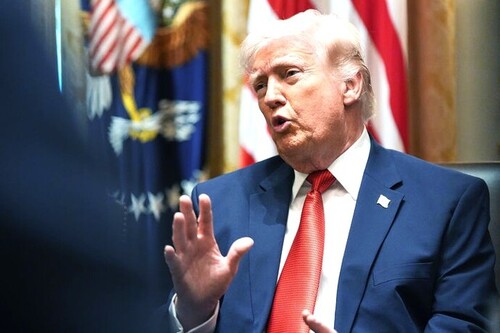
BRICS 국가들은 미국의 독주를 견제하는 역할을 해낼 수 있을 정도의 수준까지 올라왔으며 G7은 저물어 가는 해와 같다면 BRICS는 이제 서서히 뜨고 있는 해와 같다는 평가가 지배적이다. 그리고 선진국으로의 진입 가능성은 중장기적인 시각에서 보면 긍정적인 견해 또한 없지 않으며, 브라질이 2011년에 20년 내로 선진국 진입이 가능하다고 골드만삭스 예측한 적도 있었다. 이처럼 미래에 희망적인 부분이 존재하는 BRICS이지만, 이 국가들은 넓은 영토와 많은 생산 활동이 가능한 인구, 풍부한 자원, 상당한 기반이 갖춰진 사회 간접 자본 등에 따른 경제 자생력이 다른 개발 도상국들보다 훨씬 우월하며 정치적으로도 인근 국가들은 물론 제1 세계 국가들에게까지 어느 정도 영향력을 행사할 수 있을 정도로 국력이 매우 큰 편이다. 최근 트럼프는 BRICS 회원국에 추가 10% 관세를 부과하겠다고 위협했다. 이에 BRICS 회원국들은 트럼프를 “황제”로 세계 위에 군림하려 한다고 비판하며 대립각을 세웠다. 지난 7일 제17 BRICS 정상회의에서는 트럼프의 관세 폭탄에 관한 안건도 의제로 등장했다.
올해 BRICS 의장국인 브라질의 룰라 대통령은 정상회의 기자회견에서 미국과 같이 거대한 국가의 대통령이 SNS를 통해 세계를 겁박하는 것은 매우 잘못된 선택이라 비판했다. 그리고 BRICS는 세계 위에 군림하는 황제를 더 이상 원하지 않는다며 관세를 무기로 패권국에 군림하려는 트럼프에 맹비난했다. 룰라 대통령은 트럼프가 세상이 변했다는 것을스스로 인식해야 하며 우리 BRICS는 어느 패권도 인정하지 않는 주권 국가라고 언급했다. BRICS 정상회의 참석 당시 브라질을 방문한 시릴 라마포사(Cyril Ramaphosa) 남아공 대통령도 같은 날, BRICS와 같이 매우 긍정적이고 함께 참여한 경제 연합체가 움직일 때 이를 부정적으로 보고 참여 국가들을 벌 주려는 듯한 모습이 있다는 것은 정말로 실망스러운 일이라고 했다. 그러면서 힘이 곧 옳음과 정의가 될 수는 없다고 잘라 말했다. 두 정상의 이와 같은 발언은 전날 BRICS에 대해 10% 관세 위협을 가한 트럼프를 겨냥해 직접 발언한 것이다.
룰라 대통령은 이전에 트럼프가 브라질을 겨냥해 50%의 관세를 부과한 사실에 격분하고 있었으며 이러한 관세 조치로 인해 현재 미국과 브라질의 관계는 그리 좋지 않다.
트럼프는 트루스소셜을 통해 BRICS의 반미 정책에 동조하는 모든 국가에게 추가로 10%의 관세를 부과할 것이라 경고했다. 이에 BRICS가 미국 이익을 훼손하려 한다고 보고 있는 것이다. 이에 BRICS 정상들은 공동 성명에서 무역 및 금융과 관련한 일방적 조치, 특히 관세 및 비관세 장벽을 세워 무역의 의미를 왜곡하고 WTO의 규범에 어긋나기 때문에 이는 강한 힘으로 억누르려는 처사로 보이며 이에 대한 심각한 우려를 표명한다고 했다. 그리고 이날 BRICS 연사들은 트럼프 정부의 관세 정책을 신랄하게 비판했다. BRICS 회원국은 이번 정상 회의에서 탈 달러화 등 미국 주도의 세계 경제 체제에 맞설 방안을 논의하면서 트럼프의 관세 폭탄에 맞서는 것으로 중론을 모았다. 일단 BRICS는 현재 상황으로 볼 때 트럼프와 협상을 거부할 것으로 보인다.
이와 같은 BRICS에 대한 관세 부과는 예측된 일이기도 했다. 트럼프는 G7을 뒤엎을 정도로 BRICS가 성장하면서 BRICS의 예봉을 꺾을 필요가 있었던 것이다. 사실 실제로 트럼프의 관세 정책은 실제로 그렇게 시행한다기보다는 이를 이용한 상대의 기선제압에 가깝다. 분위기를 자신에게 몰고 오면서 좀 더 유리한 상태로 협상하여 이를 조율하여 미국의 이익에 초점을 맞추도록 하는 것이다. 따라서 미국과 협상을 하는 국가들은 제각기 일정 부분 손해를 감수할 수밖에 없는 구조다. 전 세계 모두의 이익이 아니라 미국만의 이익을 강조하며 이를 끌고 가려는 것이다. 여기에서 미국은 초강대국과 함께하는 공동체라는 인식을 깨고, 미국만의 이익을 점하려는 형태로 전환함으로써 스스로가 단극이 아닌 다극화로 끌고 가고 있는 셈이 되었다. 그런 상황에서 BRICS에 대한 관세 부과는 트럼프가 당선되면서부터 예견된 일이기도 했다. 관세 부과로 통하지 않으면 트럼프는 BRICS 국가들에 대한 경제 제재를 운운할 가능성이 높다.
미국이 경제 제재를 운운할 경우, 중국은 미국에 희토류에 대한 엄청난 관세 폭탄으로 보복할 가능성이 높고, 이미 경제 제재에 대해 애초부터 개의치 않았던 러시아는 이를 대놓고 무시할 가능성이 크다. 문제는 인도와 남아공, 브라질일 수 있다. 이들은 서방으로부터 경제 제재를 당한 전례가 없기 때문에 미국의 제재가 언급된다면 마음이 바뀔 가능성도 없지 않아 있다. 그러나 러시아와 중국이 대표격으로 끌고 나가는 BRICS로 볼 때, 미국보다는 러시아와 중국의 입장을 따라, 행동에 나설 가능성이 크다고 본다. 결국 BRICS에 대한 트럼프의 도박, 성공할 수 있을지는 지켜봐야 한다. 인도와 남아공, 브라질이 러시아, 중국과 같은 초강대국에게 언제 마음이 변할지 알 수 없기 때문이다. lukybaby7@gmail.com
*필자/ 정길선.
노바토포스 회원, 역사학자, 고고인류학자, 칼럼니스트, 러시아 과학아카데미 유라시아 고고인류학연구소 연구교수.
*아래는 위 기사를 '구글 번역'으로 번역한 영문 기사의 [전문]입니다. '구글번역'은 이해도 높이기를 위해 노력하고 있습니다. 영문 번역에 오류가 있을 수 있음을 전제로 합니다.<*The following is [the full text] of the English article translated by 'Google Translate'. 'Google Translate' is working hard to improve understanding. It is assumed that there may be errors in the English translation.>
BRICS's Prospects for the Era of Multipolarity - Responding to Tariff Threats against Member Countries
- Jeong Gil-seon, Columnist
BRICS is an acronym for the five countries of Brazil, Russia, India, China, and South Africa, and is an organization created to respond to the G7 in the West and to promote economic cooperation among five countries with large areas and populations. The term BRICS was coined in 2001 by Jim O'Neill, then the chairman of Goldman Sachs, who predicted that the four emerging countries of Brazil, Russia, India, and China would lead the world economy in 2050. Since Goldman Sachs stepped in, global investment funds have flowed into these four countries for the past 10 years since their establishment in 2001. In particular, 2010 was the peak, but after that, due to the economic crisis and the "Arab Spring" that occurred in the Arab countries, the Syrian civil war, Euromaidan, and Russia's annexation of Crimea, Western sanctions continued, and as a result, the prices of raw materials fell, and the Russian and Brazilian economies, which had a high proportion of raw material exports, fell into a deep slump.
In addition, there was a sense of crisis, as even China was concerned that growth would slow down. It was after the COVID pandemic that the BRICS regained its vitality. As the pandemic caused disruptions in raw material imports and the resulting decline in manufacturing led to a recession, the five countries that had raw materials suddenly began to gain attention, and the BRICS began to receive attention. After that, the Russia-Ukraine War broke out and Russia gradually gained an advantage, and the BRICS began to rise again against the G7, led by Russia, which was under Western sanctions, and centered around China, India, Brazil, and South Africa, which were trying to economically restrain Russia. Currently, China and Russia are superpowers that can compete with the United States to some extent. India is a traditional power and an emerging power that has surpassed even Italy, and Brazil is a top-tier regional power that aims to become a permanent member of the UN Security Council based on its pure national power that is comparable to South Korea, a developed country, and Italy, the smallest of the traditional powers, and its position as a hegemon in South America.
However, there are not many positive views on the possibility of entering the upper ranks in areas other than the economy like Western developed countries. Even in their own countries within BRICS, most of the people, as well as the mainstream political and economic circles, are hardly considering the possibility of entering the ranks of developed countries in the short term. In the West, there are many negative views, with China predicting that it will have difficulty becoming a developed country even in 2050, and India predicting that the situation will worsen as a lower-middle income country. However, the possibilities of BRICS countries are not necessarily bleak. All BRICS countries are highly evaluated in terms of investment potential and profitability. In addition, political and economic exchanges and cooperation between BRICS countries are also very active, and their global influence is also significant. When looking at detailed indicators, BRICS surpasses G7 in more than half of the items. In addition, China is making massive economic investments in third world Africa, Central Asia, and Southeast Asia, and in fact, African countries’ favorability toward China has surpassed that of Western advanced countries that have repeatedly exploited them due to imperialism.
BRICS countries have risen to a level where they can play a role in restraining the United States’ dominance, and if G7 is like a setting sun, BRICS is now like a slowly rising sun. In addition, there are also positive views on the possibility of entering the ranks of advanced countries from a mid- to long-term perspective, and in 2011, Goldman Sachs predicted that Brazil would be able to enter the ranks of advanced countries within 20 years. Although BRICS has a promising future, these countries have much more economic self-sufficiency than other developing countries due to their large territory, large population with productive activities, abundant resources, and substantial infrastructure, and their national power is so great that they can exert some influence on neighboring countries as well as first-world countries. Recently, Trump threatened to impose an additional 10% tariff on BRICS member countries. In response, BRICS member countries criticized Trump for trying to reign over the world as an “emperor.” At the 17th BRICS Summit on the 7th, the issue of Trump’s tariff bomb was also brought up as an agenda.
At the summit press conference, Brazil’s President Lula, who is the BRICS chair this year, criticized that it was a very wrong choice for the president of a huge country like the United States to threaten the world through social media. And BRICS strongly criticized Trump for trying to reign over the hegemon by using tariffs as a weapon, saying that they no longer want an emperor reigning over the world. President Lula said that Trump should recognize that the world has changed and that our BRICS is a sovereign nation that does not recognize any hegemony. South African President Cyril Ramaphosa, who visited Brazil during the BRICS summit, also said on the same day that it was truly disappointing that there were negative views on the movements of a very positive and participating economic bloc like BRICS and that they seemed to be trying to punish the participating countries. He also said that power cannot always equal righteousness and justice. These remarks by the two leaders were made directly targeting Trump, who had threatened a 10% tariff on BRICS the day before.
President Lula was previously furious at the fact that Trump had imposed a 50% tariff on Brazil, and the current relationship between the United States and Brazil is not so good due to this tariff measure.
Trump warned through TruSocial that he would impose an additional 10% tariff on any country that supports the anti-American policies of BRICS. He believes that BRICS is trying to harm American interests. In response, the BRICS leaders expressed serious concerns in a joint statement, saying that unilateral measures related to trade and finance, especially tariffs and non-tariff barriers, distort the meaning of trade and violate WTO norms, and that this is seen as an attempt to suppress them with strong force. In addition, the BRICS speakers on that day harshly criticized the Trump administration’s tariff policy. At this summit, the BRICS member countries discussed ways to counter the US-led global economic system, such as de-dollarization, and agreed to confront Trump’s tariff bomb. Given the current situation, BRICS is likely to refuse to negotiate with Trump.
Such tariff imposition on BRICS was also expected. Trump needed to dampen the momentum of BRICS as BRICS grew to the point of overturning the G7. In fact, Trump’s tariff policy is closer to preemptive suppression of the opponent by using it rather than actually implementing it. It is to bring the atmosphere to himself, negotiate in a more favorable state, and adjust it to focus on the interests of the US. Therefore, the countries negotiating with the United States have no choice but to accept some losses. They are trying to lead by emphasizing the interests of the United States alone, not the interests of the entire world. Here, the United States is breaking the perception that it is a community with superpowers and shifting to a form of seeking only the interests of the United States, thereby leading itself to multipolarity rather than unipolarity. In such a situation, the imposition of tariffs on BRICS was something that was expected from the time Trump was elected. If the imposition of tariffs does not work, Trump is likely to talk about economic sanctions on BRICS countries.
If the United States talks about economic sanctions, China is likely to retaliate with a huge tariff bomb on rare earth elements, and Russia, which has already been indifferent to economic sanctions from the beginning, is likely to blatantly ignore them. The problem could be India, South Africa, and Brazil. Since these countries have no precedent for economic sanctions from the West, it is not impossible that they will change their minds if US sanctions are mentioned. However, considering that Russia and China are leading the BRICS, it is more likely that they will act in accordance with the positions of Russia and China rather than the United States. Ultimately, we will have to wait and see whether Trump's gamble on BRICS will succeed. This is because we do not know when India, South Africa, and Brazil will change their minds about superpowers like Russia and China. lukybaby7@gmail.com
*Author/ Jeong Gil-seon.
Novatopos member, historian, paleoanthropologist, columnist, research professor at the Institute of Eurasian Paleoanthropology, Russian Academy of Sciences.