경제정의실천시민연합(경실련)은 17일, 논평을 통해 “어제 대법원이 용인경전철 사업과 관련된 주민소송에서 전 용인시장과 한국교통연구원에 대해 총 214억 원의 손해배상 책임을 확정했다.”며, “용인경전철 판결, 민간투자 첫 주민소송 승소이자 무분별 개발공약에 대한 경고장이다”고 밝혔다.
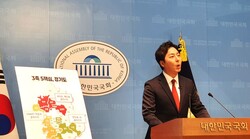
 ▲ 경실련은 “공약을 단지 선거용 슬로건으로 소비하는 정치 문화를 바꾸기 위해, 공약서 제출 의무화와 공약별 비용․재정계획 기재 법제화, 예타 면제 제한, 공약 이행에 대한 국회와 감사원의 정기 감사 도입, 시민소송권 강화 등 제도적 개혁을 해야 한다”고 촉구했다. (사진, KBS뉴스) © 김충열 정치전문기자 |
경실련은 “이번 판결은 선거공약이라는 이름으로 시작된 무책임한 개발사업이 어떻게 도시 재정에 막대한 손실을 안기고 시민 삶을 파괴할 수 있는지를 보여주는 대표적 사례다.”며, “10년에 걸친 긴 싸움 끝에 진실을 밝힌 용인 시민들에게 깊은 경의를 표한다”고 전했다.
용인경전철 사업은 1999년부터 2002년 사이 지방선거 공약으로 등장해 2004년 실제로 추진되기 시작했다. 당시 이정문 시장은 전임 시장에게 “이거 해도 됩니까?”라는 한 통의 전화를 ‘여론 수렴’이라고 포장한 채 사업 추진의 정당성이 확보되었다며, 협약 체결에 나섰다. 예산 계획도, 경제성 검토도, 시민 의견 수렴도 없이 치적용 사업처럼 밀어붙인 것이다.
사업 타당성 검토를 맡은 교통개발연구원은 실제 이용자 수가 하루 3만 명도 되지 않음에도 하루 16만 명이라는 과장된 수요를 제시했다. 조사기관과 민간사업자 간에 유착이 있었고, 외유와 선물 제공, 정보 유출 등 로비 의혹이 이번 판결에서 사실로 드러났다. 용인시는 최소운영수입보장(MRG) 조항까지 포함해 이용객이 부족하면 30년간 세금으로 수익을 보전해주기로 약속했고, 이 협약은 시의회 승인도 없이 독단적으로 체결됐다.
결국 2010년 공사가 완료됐지만 안전 문제로 인해 개통은 3년이나 지연되었고, 1조원 가까운 사업비가 투입된 시설은 개점휴업 상태로 방치됐다. 민간사업자에 대한 수익 보전금으로만 용인시는 8,500억 원 이상을 부담했고, 시의 재정자립도는 급락했고, 시민 복지 예산은 축소됐다. 게다가 사업 추진 과정에서는 시장의 측근 비리와 뇌물 수수, 사업자의 횡령 및 탈세, 시의회의 동조가 연달아 드러났다. 구조물의 안전 등급은 ‘D’로 붕괴 위험까지 경고됐다.
이 사건은 시민이 직접 공공권력의 잘못을 바로잡은 최초의 사례라는 점에서 역사적 의미를 가진다. 용인시민들은 2013년부터 10년 넘게 주민소송을 이어갔고, 대법원은 드디어 책임자들의 법적 책임을 인정했다. 이는 시민의 권리 행사가 실질적 결과로 이어졌다는 중요한 이정표이며, 동시에 책임 없는 공약과 졸속 사업에 대한 경고장이기도 하다.
경실련은 “이번 판결이 우리 사회에 만연한 개발 공약에 대한 문제제기로 이어져야 한다”며, “실제로 경실련은 지난 7월 1일, 21대 대선 공약을 분석해 전국 지역 공약 중 30% 이상이 개발 공약(더불어민주당 30.65%, 국민의힘 33.48%)이며, 대부분이 예비타당성조사나 구체적인 재정계획 없이 발표됐다”고 밝힌바 있다. 지금 이 순간에도 또 다른 ‘용인경전철’이 탄생할 수 있는 조건이 그대로 존재하고 있다.
경실련은 “공약을 단지 선거용 슬로건으로 소비하는 정치 문화를 바꾸기 위해, 공약서 제출 의무화와 공약별 비용․재정계획 기재 법제화, 예타 면제 제한, 공약 이행에 대한 국회와 감사원의 정기 감사 도입, 시민소송권 강화 등 제도적 개혁을 해야 한다”고 촉구했다.
끝으로 경실련은 “이번 판결은 시민의 힘으로 공공의 책임을 바로 잡을 수 있음을 보여준 사례이다”며, “동시에 시민 감시와 제도 개혁 없이는 공약의 피해가 반복될 수 있음”을 경고했다. hpf21@naver.com
* 아래는 위 기사를 '구글 번역'으로 번역한 영문 기사의 [전문]입니다. '구글번역'은 이해도 높이기를 위해 노력하고 있습니다. 영문 번역에 오류가 있을 수 있음을 전제로 합니다.
*The following is [the full text] of the English article translated by 'Google Translate'. 'Google Translate' is working hard to improve understanding. It is assumed that there may be errors in the English translation.
Citizens' Coalition for Economic Justice (CCEJ) "Yongin LRT ruling, the first resident lawsuit won by private investment... a warning to development promises"
This ruling is the first case of correcting public responsibility through the power of citizens
On the 17th, the Citizens' Coalition for Economic Justice (CCEJ) stated in a commentary, "Yesterday, the Supreme Court confirmed the responsibility for a total of 21.4 billion won in damages against the former Yongin mayor and the Korea Transport Institute in a resident lawsuit related to the Yongin LRT project." "The Yongin LRT ruling is the first resident lawsuit won by private investment and a warning to reckless development promises."
CCEJ said, "This ruling is a representative case showing how irresponsible development projects that started in the name of election promises can cause enormous losses to city finances and destroy the lives of citizens." "We express our deepest respect to the citizens of Yongin who revealed the truth after a long fight that lasted 10 years."
The Yongin Light Rail Project emerged as a local election pledge between 1999 and 2002, and actually began to be implemented in 2004. At that time, Mayor Lee Jeong-moon packaged a phone call to the previous mayor asking, “Can we do this?” as “public opinion gathering,” and proceeded with signing the agreement, claiming that the legitimacy of the project had been secured. Without a budget plan, economic feasibility review, or citizen opinion gathering, the project was pushed forward as if it were a government-funded project.
The Transport Development Research Institute, which was in charge of reviewing the feasibility of the project, presented an exaggerated demand of 160,000 people per day, even though the actual number of users was less than 30,000. The collusion between the research institute and the private business operator, and suspicions of lobbying such as overseas travel, gift giving, and information leaks were revealed to be true in this ruling. Yongin City promised to compensate for the revenue for 30 years with taxes if there was a shortage of users, including the Minimum Revenue Guarantee (MRG) clause, and this agreement was unilaterally signed without city council approval.
The construction was eventually completed in 2010, but due to safety issues, the opening was delayed by three years, and the facility, which cost nearly 1 trillion won, was left closed. Yongin City alone had to pay over 850 billion won in profit reserves for private businesses, the city’s financial independence plummeted, and the budget for citizen welfare was reduced. In addition, during the project, corruption and bribery by the mayor’s associates, embezzlement and tax evasion by the business operator, and the city council’s collusion were continuously revealed. The safety rating of the structure was ‘D’, and there was even a warning of the risk of collapse.
This case has historical significance in that it is the first case in which citizens directly corrected the wrongdoings of public power. Yongin citizens continued to file a lawsuit for over 10 years since 2013, and the Supreme Court finally recognized the legal responsibility of those responsible. This is an important milestone that the exercise of citizens’ rights has led to tangible results, and at the same time, it is a warning against irresponsible promises and hasty projects.
The Citizens' Coalition for Economic Justice said, "This ruling should lead to raising questions about the development pledges that are rampant in our society," and "In fact, on July 1, the Citizens' Coalition for Economic Justice analyzed the 21st presidential election pledges and found that more than 30% of regional pledges nationwide were development pledges (30.65% for the Democratic Party of Korea and 33.48% for the People Power Party), and most of them were announced without preliminary feasibility studies or specific financial plans." Even at this moment, the conditions for another 'Yongin Light Rail' to be born still exist.
The Citizens' Coalition for Economic Justice urged, "In order to change the political culture of consuming pledges as mere election slogans, institutional reforms such as mandatory submission of pledges, legislation to describe cost and financial plans for each pledge, restrictions on exemption from preliminary feasibility studies, introduction of regular audits by the National Assembly and the Board of Audit and Inspection on the implementation of pledges, and strengthening of citizens' right to file lawsuits should be carried out."
Finally, the Korea Center for International Finance said, “This ruling is a case that shows that the power of citizens can correct public responsibility,” and warned, “At the same time, without citizen monitoring and institutional reform, the damage from promises can be repeated.” hpf21@naver.com