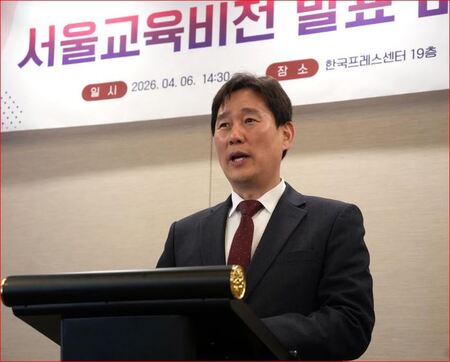
▲ 전국시도교육감협의회, ‘지방교육재정 축소’ 논의 대한 입장문 발표(사진제공:전국시도교육감협의회) © 박상도 기자 |
(브레이크뉴스인천 박상도 기자) 전국시도교육감협의회(회장 강은희 대구광역시교육감, 이하 협의회)가 지난 17일, 경북 안동에서 열린 제103회 전국시도교육감협의회 총회에서 최근 제기되고 있는‘지방교육재정 축소’ 논의에 대해 깊은 우려를 표하며, 공교육의 안정적 운영과 국가책임 강화를 위해 신중한 접근이 필요하다는 입장을 밝혔다.
협의회는 입장문을 통해 “지방교육재정은 이미 구조적 어려움에 직면해 있다”며, 2023년과 2024년 두 해에 걸친 정부 세수 감소로 18조원의 교부금이 줄었고 2025년에는 고교 무상교육 특례 조항의 일몰로 1조원의 증액교부금이 감액되었다고 설명했다.
또한, 교육세 일부가 고등·평생교육지원특별회계로 이전되면서 2.2조원 감액되었고 여기에 2017년 누리과정의 안정적 추진을 위해 설치된 유아교육지원특별회계 3.1조원도 올해 말 일몰을 앞두고 있으며 시도지사협의회에서 지방교육세(7.5조원)와 시·도세(3.9조원)의 법정전입금 전출률을 절반으로 축소할 것을 지속적으로 요구하고 있어 현실화 될 경우, 2025년 기준 전국 5.7조 규모의 교육재정이 줄어 교육 현장의 어려움을 더욱 가중할 것이라고 우려했다.
또한, “학령인구 감소를 이유로 교육재정을 비례적으로 줄여야 한다는 주장은 현재 학교가 처한 교육 여건을 제대로 반영하지 못하는 접근”이라며, “학생 수는 줄어도 학생 한 명 한 명에게 요구되는 교육과 복지 전반에 걸친 세심한 지원은 오히려 커지고 있다”고 전했다.
마지막으로 “우리나라 교육재정은 오랜 시간 국가가 책임을 지고 운영해 온 제도적 기반 위에 세워져 왔으며, 교육세를 포함한 다양한 전입금 제도는 이를 실질적으로 뒷받침해 왔다”며, “공교육의 근간이 흔들리지 않도록 국회와 정부가 지방교육재정의 법적 지위를 명확히 보장하고 관련 정책을 더욱 신중히 추진해 주길 바란다”고 요청했다.
□ 입장문 전문은 다음과 같다.
[지방교육재정 축소 논의에 대한 전국시도교육감협의회 입장문]
지난 3년간 지속된 지방교육재정 축소, 이제는 멈춰야 합니다.
- 안정적인 지방교육재정 확보는 공교육을 지키는 최소한의 기반입니다 -
[지방교육재정 축소 논의에 대한 전국시도교육감협의회 입장문]
지난 3년간 지속된 지방교육재정 축소, 이제는 멈춰야 합니다.
- 안정적인 지방교육재정 확보는 공교육을 지키는 최소한의 기반입니다 -
최근 일부 언론과 정치권에서 제기되고 있는 ‘지방교육재정 축소’논의는 우리 사회가 오랜 시간 지켜온 공교육의 가치와 헌법에 명시된 국가의 교육 책무에 대한 신뢰를 흔들 수 있다는 점에서 매우 깊은 우려를 낳고 있습니다. 이와 같은 주장은 교육의 공공성과 형평성은 물론, 지방교육자치의 자율성과 지속 가능성까지 위협할 수 있는 중대한 사안으로, 전국시도교육감협의회는 이를 매우 심각하게 받아들이며 다음과 같은 입장을 밝힙니다.
1. 지방교육재정 축소는 지난 3년간 지속되어 이제 한계점에 이르렀습니다.
교육은 헌법이 보장한 국민의 권리이며 국가는 이를 실현할 책무를 가집니다. 지방교육재정은 이러한 국가 책무를 실현하기 위한 최소한의 재정적 기반이자, 대한민국이 교육을 미래로 삼아온 역사적 약속입니다. 그러나 지금 그 약속은 심각하게 흔들리고 있습니다. 세수 부족, 교육세 타용도 전용, 법령의 일몰 등으로 지방교육재정은 최근 3년간 급격히 악화되었고, 전례 없는 위기를 맞고 있습니다. 그 여파로 공교육은 갈수록 불안정한 상황에 놓이게 되었습니다.
< 지방교육재정 최소 △31.3조 결손 … 여건 악화 심각 >
o 정부 세수 실적 저조로 감액 △18.0조원
- ’23~’24년 연속 세수 재추계로 교부금 감배정(△14.6조원)
- ’24년 세수 결손으로 ’26년 교부금 감정산(△1.4조원)
- ’25년 국가 세입경정으로 교부금 감추경(△2.0조원)
o 교육세 일부 고등·평생교육지원특별회계 지원 △5.9조원(신설 후 3년간)
o 고교 무상교육 지원 조항 일몰 △1조원(국가 0.9조원+지자체 0.1조원)
o 국유지 점유 변상금 부과 △284억원, 토지매입예상액 △4.7조원
o 담배소비세분 지방교육세 일몰 △1.6조원(매년, ’27년 예정)
o 학교용지부담금 축소 △0.1조원(매년, 기존부담금의 50%)
2023년과 2024년, 두 해에 걸친 세수 감소와 새 정부 추경 세입 경정으로 18조원의 교부금이 감액되었으며, 2025년은 고교 무상교육 특례 조항이 일몰되어 1조원의 증액교부금이 감액되었습니다. 또한 교육세 일부가 고등·평생교육지원특별회계로 이전되면서 2.2조원이 감액되었습니다. 여기에 더해, 2017년 누리과정의 안정적 추진을 위하여 설치된 유아교육지원특별회계 3.1조원도 올해 말 일몰을 앞두고 있습니다.
이뿐 아니라, 시도지사협의회에서 지방교육세 7.5조원과 시·도세 3.9조원의 법정전입금 전출률을 2분의 1 축소할 것을 지속적으로 요구하는 실정으로 감액될 경우, 2025년 기준 전국 5.7조 규모의 교육재정이 줄어 교육 현장의 어려움을 더욱 가중할 것으로 우려됩니다.
이처럼 본래 지방교육재정으로 확보되었어야 할 재원이 다른 용도로 전환되면서 시·도교육청은 필수 사업을 유지하기 위해 재정안정화기금까지 투입해 왔습니다. 하지만 이 기금은 여유 재원이 아닌, 재정 위기 상황에서 동원하는 마지막 수단입니다. 문제는 대부분의 시·도교육청에서 마지막 수단인 기금마저 이미 고갈되었거나 소진 직전에 있으며, 일부 교육청은 지방채 발행을 검토하는 상황에 이르렀습니다.
한편, 정부가 주도해 왔던 학교스포츠강사, 문화예술강사 지원 사업과 노후 위험 교사동 개축 등 각종 국고 지원 사업까지 중단되면서 학생들의 배움의 기회가 축소되고 있으며 이는 장기적으로는 공교육의 질 저하로 이어질 수밖에 없습니다.
2. 학령인구 감소는 교육재정 축소의 근거가 될 수 없습니다.
학령인구 감소를 이유로 교육재정을 비례적으로 줄여야 한다는 주장은 현재 학교가 처한 교육 여건을 제대로 반영하지 못한 접근입니다. 학생 수는 줄고 있지만 장애 학생 및 이주배경 학생 등의 증가 등으로 학생 한 명 한 명에게 필요한 교육과 돌봄, 맞춤형 지원은 더욱 강화되고 있으며, 이에 따라 학급 수는 오히려 증가했습니다.
학교는 모든 학생이 존중받는 배움과 삶을 누릴 수 있도록 세심하게 살피며, 필요한 지원을 놓치지 않기 위해 최선을 다하고 있습니다. 이러한 상황에서 교육재정이 축소된다면 교실에서 학생을 가르치고 돌보는 교사의 수를 줄여야 하며, 모든 학생에게 보장되어야 할 기본적 교육복지인 급식이나 저출생 대응과 사교육비 경감에 기여하고자 도입한 방과후 늘봄학교의 안정적인 운영 또한 위협받게 될 것입니다.
지금은 출생률 저하, 지역소멸, 기초학력 저하, 학습격차 심화, 인공지능의 일상화로 사회경제적 환경의 급격한 변화가 동시에 일어나는 교육의 대전환기입니다. 바로 이 시기야말로 학생 개개인에게 더 질 높은 맞춤형 교육을 제공하고 미래교육 수요에 선제적으로 대응해야 할 결정적 시점입니다.
3. 교육재정은 국가 책임 교육의 근간입니다.
우리나라 교육재정은 해방 이후 줄곧 국가의 책임 아래 유지되어 왔습니다. 1949년 「교육법」은 교원의 봉급 일부를 국고에서 직접 부담하도록 규정하였고, 1964년 「지방교육교부세법」 제정 이후 교원 인건비는 교육비특별회계를 통해 국가가 지원하는 체계로 전환되었습니다. 1995년 5·31 교육개혁에서는‘GNP 대비 교육재정 5% 확보’가 국가 목표로 제시되었으며, 교육세 추가분과 시·도의 법정전입금 등 교육재정은 국세와 지방세가 결합된 안정적 구조로 발전해 왔습니다.
이 같은 교육재정구조는 교육이 단순한 행정 서비스가 아니라 국가가 책임져야 할 공공의 책무임을 제도적으로 구현해 온 결과입니다. 특히, 교육세와 전입금 제도는 국가 책임 교육을 실질적으로 뒷받침하며 지방교육재정이 안정적으로 유지되고 지속될 수 있도록 기능해 온 핵심 기반입니다. 이를 약화하거나 축소하려는 시도는 단순한 세제 조정을 넘어 공교육의 근간을 흔들고 국가의 미래에 중대한 영향을 미칠 수 있습니다. 지금 필요한 것은 교육재정의 근간을 흔드는 변화가 아니라 국가의 교육 책임을 다하기 위한 교육재정의 기반을 안정적이고 지속 가능하게 유지하고 강화해 나가는 일입니다.
이에 전국시도교육감협의회는 국회와 정부가 지방교육재정의 법적 지위를 명확히 보장하고, 그 공공성과 목적성을 훼손하지 않도록 교육재정 정책을 신중히 추진해 주시길 바랍니다. 지금은, 왜 그동안 대한민국이 ‘교육이 백년지대계’임을 국정의 중심에 두었는지 다시 한번 되새겨야 할 때입니다. 전국의 시도교육감들은 대한민국의 모든 아이의 배움과 삶을 지키기 위해 끝까지 최선을 다하겠습니다.
2025. 7. 17.
전국시도교육감협의회
*아래는 위 기사를 ‘구글 번역’으로 번역한 영문 기사의 [전문]입니다.‘구글번역’은 이해도 높이기를 노력하고 있습니다. 영문 번역에 오류가 있을 수 있음을 전제로 합니다.<*Below is the [full text] of the English article translated by 'Google Translate'. 'Google Translate' is trying to improve understanding. It is assumed that there may be errors in the English translation.>
National Association of Metropolitan and Provincial Education Superintendents announces position statement on 'Local Education Finance Reduction' discussion
Local education finance faces serious crisis due to decreasing tax revenue and policy sunset, quality of public education is directly related to finance... Discussion on reducing education finance, no more
-Break News Incheon Park Sang-do reporter
On the 17th, the National Association of Metropolitan and Provincial Education Superintendents (Chairman Kang Eun-hee, Daegu Metropolitan City Superintendent of Education, hereinafter referred to as the Council) expressed deep concern about the recent discussion on 'Local Education Finance Reduction' at the 103rd General Assembly of the National Association of Metropolitan and Provincial Education Superintendents held in Andong, Gyeongsangbuk-do, and stated its position that a cautious approach is necessary for the stable operation of public education and strengthening national responsibility.
The council stated in a statement that “local education finances are already facing structural difficulties,” and explained that due to the decrease in government tax revenues in 2023 and 2024, 18 trillion won in subsidies were reduced, and in 2025, 1 trillion won in additional subsidies were reduced due to the sunset of the special provision for free high school education.
In addition, 2.2 trillion won was reduced as part of the education tax was transferred to the Higher and Lifelong Education Support Special Account, and the 3.1 trillion won in the Early Childhood Education Support Special Account established in 2017 to ensure the stable implementation of the Nuri Curriculum is also set to sunset at the end of this year. The provincial governors’ council has been continuously demanding that the statutory transfer rate of local education tax (7.5 trillion won) and city/provincial tax (3.9 trillion won) be reduced by half, and if this is realized, the education finances nationwide of 5.7 trillion won as of 2025 will be reduced, further aggravating the difficulties in the field of education.
In addition, he said, “The argument that education budgets should be proportionally reduced due to the decrease in the school-age population is an approach that does not properly reflect the current educational conditions of schools,” and, “Even though the number of students is decreasing, the detailed support required for each student in terms of education and welfare is actually increasing.”
Finally, he said, “Our country’s education budget has been built on an institutional foundation that the state has been responsible for and operated for a long time, and various transfer systems including education taxes have practically supported this,” and requested, “I hope that the National Assembly and the government will clearly guarantee the legal status of local education budgets and promote related policies more carefully so that the foundation of public education is not shaken.”
□ The full text of the statement is as follows:
[Statement by the National Council of Provincial and Metropolitan Education Superintendents on the Discussion on Reducing Local Education Budgets]
The reduction in local education budgets that has continued for the past three years must stop now. - Securing stable local education finance is the minimum foundation for protecting public education -
[Statement by the National Council of Metropolitan and Provincial Superintendents of Education on the Discussion on Reducing Local Education Finance]
The reduction in local education finance that has continued for the past three years must now stop.
- Securing stable local education finance is the minimum foundation for protecting public education -
The recent discussion on ‘reducing local education finance’ raised by some media and political circles is raising deep concerns in that it could shake the trust in the values of public education that our society has long upheld and the state’s educational responsibility specified in the Constitution. Such claims are a serious matter that could threaten not only the publicness and fairness of education, but also the autonomy and sustainability of local education autonomy. The National Council of Metropolitan and Provincial Superintendents of Education takes this very seriously and announces the following position:
1. The reduction in local education finance has continued for the past three years and has now reached its limit.
Education is a right of the people guaranteed by the Constitution, and the state has the responsibility to realize it. Local education finance is the minimum financial foundation for realizing this national responsibility, and it is the historical promise that the Republic of Korea has made to make education its future. However, that promise is now seriously shaken. Due to insufficient tax revenue, diversion of education taxes for other purposes, and the sunset of laws, local education finance has rapidly deteriorated over the past three years, and is facing an unprecedented crisis. As a result, public education has become increasingly unstable.
<Local education finance deficit of at least △31.3 trillion won… Serious worsening of conditions >
o Government tax revenue performance poor, reduction △18.0 trillion won
- Tax revenue re-estimation for consecutive years ’23~’24, subsidy allocation reduced (△14.6 trillion won)
- Tax revenue deficit in ’24, subsidy appraisal in ’26 (△1.4 trillion won)
- Subsidy reduction due to national tax adjustment in ’25 (△2.0 trillion won)
o Part of education tax to support higher education and lifelong education support special account △5.9 trillion won (for 3 years after establishment)
o Sunset of free high school education support provision △1 trillion won (national 0.9 trillion won + local government 0.1 trillion won)
o Imposition of compensation for occupation of national land △28.4 billion won, expected land purchase amount △4.7 trillion won
o Sunset of tobacco consumption tax local education tax △1.6 trillion won (annually, scheduled for ’27)
o Reduction of school land burden △0.1 trillion won (50% of existing burden each year)
In 2023 and 2024, 18 trillion won of subsidies were reduced due to the decrease in tax revenue over the two years and the new government's supplementary budget adjustment, and in 2025, the special provision for free high school education was set to expire, resulting in a 1 trillion won increase in subsidies. In addition, 2.2 trillion won was reduced as part of the education tax was transferred to the Special Account for Supporting Higher and Lifelong Education. In addition, the Special Account for Supporting Early Childhood Education, which was established in 2017 to ensure the stable implementation of the Nuri Curriculum, is also set to expire at the end of this year.
In addition, the provincial governors' council is continuously demanding that the statutory transfer rate of local education tax of 7.5 trillion won and city/provincial tax of 3.9 trillion won be reduced by half, and if this is reduced, there is concern that the educational budget of 5.7 trillion won nationwide as of 2025 will decrease, further aggravating the difficulties in the field of education.
As the funds that should have been secured as local education budget are being diverted to other purposes, city/provincial offices of education have even invested in the financial stabilization fund to maintain essential projects. However, this fund is not a surplus fund, but a last resort in a financial crisis. The problem is that most city/provincial offices of education have already exhausted the last resort fund or are on the verge of exhaustion, and some offices of education are considering issuing local bonds.
Meanwhile, various national treasury support projects, such as the government-led school sports instructor and culture/art instructor support projects and the renovation of aging school buildings, are being discontinued, reducing students' learning opportunities, which will inevitably lead to a decline in the quality of public education in the long term.
2. The decline in the school-age population cannot be the basis for reducing education budget.
The argument that education budget should be reduced proportionally due to the decline in the school-age population is an approach that does not properly reflect the current educational conditions of schools. Although the number of students is decreasing, the education, care, and customized support that each student needs are being strengthened due to the increase in students with disabilities and students from immigrant backgrounds, and as a result, the number of classes has actually increased.
Schools are meticulously monitoring so that all students can enjoy respectful learning and life, and are doing their best not to miss out on necessary support. If education budgets are reduced in this situation, the number of teachers who teach and care for students in the classroom will have to be reduced, and the stable operation of after-school programs that were introduced to contribute to basic educational welfare that should be guaranteed to all students, such as school meals and low birth rate response and reduction of private education expenses, will also be threatened.
Currently, we are in a period of great change in education where rapid changes in the socio-economic environment are occurring simultaneously due to the declining birth rate, regional extinction, declining basic academic ability, widening learning gap, and the daily use of artificial intelligence. This is the critical time when we must provide higher quality customized education to each student and proactively respond to future educational demands.
3. Educational finance is the foundation of national responsibility for education.
Our country’s educational finance has been maintained under the responsibility of the state since liberation. The “Education Act” of 1949 stipulated that a portion of teachers’ salaries should be directly covered by the national treasury, and after the enactment of the “Local Education Grant Tax Act” in 1964, teacher personnel expenses were converted to a system in which the state supported them through the Education Expenses Special Account. In the May 31 Education Reform of 1995, “securing 5% of GNP for education finance” was presented as a national goal, and education finance has developed into a stable structure combining national and local taxes, such as additional education tax portions and statutory transfer fees for cities and provinces.
This educational finance structure is the result of institutionally implementing the idea that education is not a simple administrative service, but a public responsibility that the state must take responsibility for. In particular, the education tax and transfer system are the core foundations that have practically supported national education responsibility and have functioned to ensure that local education finances are stably maintained and sustained. Any attempt to weaken or reduce them goes beyond simple tax adjustments and can shake the foundation of public education and have a significant impact on the future of the country. What is needed now is not a change that shakes the foundation of education finance, but rather to maintain and strengthen the foundation of education finances in a stable and sustainable manner to fulfill the nation’s responsibility for education.
Accordingly, the National Council of Metropolitan and Provincial Superintendents of Education hopes that the National Assembly and the government will clearly guarantee the legal status of local education finances and carefully promote education finance policies so as not to undermine their public nature and purpose. Now is the time to reflect once again on why the Republic of Korea has placed ‘education as a century-long plan’ at the center of national administration. The superintendents of education across the country will do their best to protect the learning and lives of all children in the Republic of Korea.
July 17, 2025
National Council of Metropolitan and Provincial Superintendents of Education
원본 기사 보기:ebreaknews.com