▲필자 회사(브레이크뉴스)의 입구에 걸려진 목각상. ©브레이크뉴스 |
필자는 일본인 경영자 마쓰시타 전기(현 파나소닉)의 창업자인 마쓰시타 고노스케(松下幸之助)의 자서전을 읽은 적이 있다. 그는 마쓰시타 정경숙을 만들어 일본 정계의 정풍(整風)운동을 지속했었다.
아래는 인공지능 '뤼튼'이 답한 파나소닉 창설자인 마쓰시타 고노스케에 관한 스토리이다.
인공지능이 만들어낸 일본 대기업 창업주 마쓰시타 스토리
"일본의 위대한 사업가이자 '경영의 신'으로 불리는 마쓰시타 전기(현 파나소닉)의 창업자, 마쓰시타 고노스케(松下幸之助)가 자서전에서 "나는 운이 좋은 사람이다"라고 말한 부분에 대해 자세히 알려드리겠습니다. 이는 그의 독특한 경영 철학이자 인생관을 잘 보여주는 대목입니다. 마쓰시타 고노스케는 일본뿐만 아니라 전 세계적으로 존경받는 기업가로, 그가 가진 긍정적인 사고방식과 감사하는 마음은 경영 성공의 중요한 요인으로 평가됩니다. 그가 자서전에서 "나는 운이 좋은 사람이다"라고 언급한 것은 단순히 타고난 행운을 의미하는 것이 아니었습니다.
1. 신입사원 채용 방식에서의 운(運)=마쓰시타 고노스케는 신입사원을 면접할 때 "당신의 인생은 지금까지 운이 좋았다고 생각합니까?"라는 질문을 반드시 던졌다고 합니다. 이 질문을 통해 지원자가 평소 감사하는 마음을 가지고 긍정적으로 세상을 바라보는지를 파악하고자 했습니다. 그는 운이 좋다고 생각하는 사람이야말로 매사에 긍정적이고, 어떤 어려움에도 좌절하지 않고 해결책을 찾아 나설 것이라고 믿었습니다. 회사를 직접 경영할 때도 "나는 운이 좋다"고 말하는 사람만 뽑았다는 일화도 있습니다.
2. 운을 만들어내는 철학=그는 스스로를 "운이 좋은 사람"이라고 칭했지만, 이는 자신의 노력을 통해 행운을 만들어내고 개척해 나갔다는 의미가 큽니다. 그는 자신만의 철학으로 성공을 이끌어냈으며, 어려움을 겪을 때도 그것을 행운으로 받아들이는 긍정적인 태도를 가졌습니다. 예를 들어, 어릴 적 가난한 환경에서 자랐던 경험을 오히려 어려움을 극복하는 강한 의지를 기르게 된 행운으로 여겼다고 합니다. 이러한 인생철학과 경영원칙은 그의 다양한 저서를 통해 전해지고 있습니다.
3. 감사와 긍정의 힘="나는 운이 좋은 사람이다"라는 말은 마쓰시타 고노스케가 평생 지녔던 감사와 긍정의 태도를 함축하고 있습니다. 그는 운이 좋다고 생각하는 사람들은 주변 환경과 사람들에게 감사하며, 긍정적인 에너지를 발산하여 실제로 좋은 기회를 많이 만나게 된다고 믿었습니다. 이러한 신념은 그가 역경 속에서도 포기하지 않고 끊임없이 도전하며, 결국 세계적인 기업을 일궈내는 데 큰 원동력이 되었습니다. 그의 자서전은 20세기 세계 경제가 태동하던 시기에 일본의 모습을 보여주며 그의 경영 철학을 엿볼 수 있게 합니다.
결론적으로 마쓰시타 고노스케의 "나는 운이 좋은 사람이다"라는 말은 단순히 겸손이나 운명론적인 고백이 아니라, 감사와 긍정적인 사고방식을 통해 스스로 운을 개척하고 어려움 속에서 기회를 찾아내는 그의 강력한 인생 철학을 담고 있습니다. 이러한 그의 사고방식은 오늘날 많은 경영자들에게도 큰 귀감이 되고 있습니다.“
나는 운이 좋은 사람...그 이유
필자는 페이스북 지난 2024년 2월25일자에 아래와 같은 글을 게재했다.
“나는 1952년생으로 '전쟁시절에 태어났다. 한반도는 1950년부터 1953년까지 진행됐던 민족의 내전으로, 페허의 땅이 됐었다. 그러나 1953년 이후 지금까지, 한국은 세계10대 경제 대국이 됐다. 5000년 역사 이래 최고조의 '한민족(남한만의) 융성기'였다. 그뿐 아니라, 한국은 세계 반도체생산 1등기업인 삼성전자를 가진 나라이다. 명실공히 정보통신 분야의 세계 최고 선진국가가 됐다. 한국은 1961년 5.16 박정희 군사쿠데타-1979년 12.12 전두환 군사쿠데타가 발생, 극악스런 군사독재 정권 기간(26년)을 경험한 국가였다. 그러나 한국은 민주화 투쟁으로 이를 떨쳐내고, 동아시아 최고의 민주 국가가 됐다. 한국은 1953년 이후, 전쟁 없는, 72년에 걸친 긴 평화 시기를 누려왔다. 외침에 시달려온 한반도, 일찍이 이렇게 장기간의 평화국가를 유지해본 적이 없었다. 북쪽으로 중국, 거란, 여진의 침략에 시달렸다. 남쪽으로, 왜구에게 기원후 680여회나 침노 당한 바 있다. 오늘날의 긴 평화는 세계 최강-1등 국가인 미국과 친한, 동맹국 덕분이랄 수 있다.
오늘날 한국은 유럽의 국가들처럼 예술-문화국가로 변화-변신을 꾀하고 있다. 한국은 세계인들이 우러르는 문화국가로 질적으로 변화하는 시기를 경험하고 있다. 행복한 순간을 살고 있는 것이다.
일본 대기업 파나소닉의 설립자 마쓰시타 고노스케(1894-1989. 마쓰시타 정경숙 설립자)는 자서전에서 자신의 성공에 대해 "운이 좋았다"고 쓰고 있었다. 필자 역시, 그의 말 대로다.
나는 1973년부터 올해 2025년까지, 52년째 신문사의 기자-편집국장-발행인으로 일해 왔다.
한국은 전후 지난 72년간 민족 융성기를 구가 했다. 나는 언론인으로서 20-21세기 세계의 최고 성공 국가인 우리나라의 뉴스를 빠짐없이 기록해온 기록자가 였다. 이를 영광으로 생각하며 살고 있다. 운이 좋았다.
필자가 발행인으로 있는 인터넷 신문인 브레이크뉴스는 135만 개에 달하는 원천정보를 소장하고 있다. 나는 운이 좋은 사람이다.
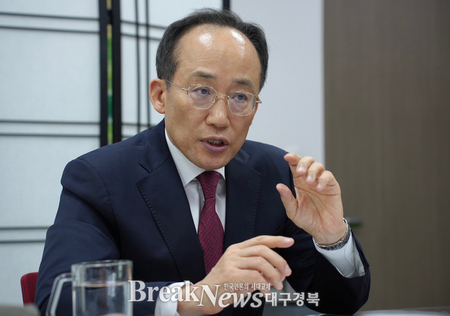
 ▲ 필자/문일석 본지 발행인. ©브레이크뉴스 |
내가 나를 분석하고 인식할 때, 나는 천운을 타고난, 운이 좋은 사람이라고 생각한다. 물론 나와 동시대에 살고 있는 모든 사람들은 천운을 타고 난, 운이 좋은 사람들이라고 말할 수 있다. 운이 억수로 좋은 시절을 살아왔고, 지금도 살고 있다. 찬란한 문명시대를 살고 있다. 이러한 내 인생에의 행운을, 감사하고 또 감사한다.
나는 운이 좋은 사람이다. 그런 나를 자존(自尊)한다. 현존하는 한국 사람들, 그 누구든 스스로를 존경할 수 있어야 한다. '국가 웅비시대', 대단한 나라에 살고 있음에, 감사할 줄 알아야 한다.”
마쓰시타 고노스케는 자서전에서 자신의 성공에 대해 "운이 좋았다"고 쓰고 있었다. 그의 말을 성경 구절처럼 믿는다. 그리고, 그의 삶에 대해 존경했다. moonilsuk@naver.com
*필자/문일석. 시인. 신문사(본지) 발행인.
*아래는 위 기사를 '구글 번역'으로 번역한 영문 기사의 [전문]입니다. '구글번역'은 이해도 높이기를 위해 노력하고 있습니다. 영문 번역에 오류가 있을 수 있음을 전제로 합니다.<*The following is [the full text] of the English article translated by 'Google Translate'. 'Google Translate' is working hard to improve understanding. It is assumed that there may be errors in the English translation.>
[AI Collaborative Column] I am a person born with great luck!
[Essay-based Approach] When I analyze and recognize myself, I am a person born with great luck...Why?
- Moon Il-suk, Publisher of the Newspaper (this paper)
I have read the autobiography of Konosuke Matsushita, the founder of Matsushita Electric (now Panasonic), a Japanese business owner. He created the Matsushita Policy Institute and continued the movement to reform Japanese politics.
Below is the story about Konosuke Matsushita, the founder of Panasonic, as answered by the AI 'Luton'.
The Story of Matsushita, the Founder of a Major Japanese Company Created by Artificial Intelligence
"I will tell you in detail about the part in his autobiography where Konosuke Matsushita, the founder of Matsushita Electric (now Panasonic), who is called the 'God of Management' and a great Japanese businessman, says, "I am a lucky person." This is a passage that clearly shows his unique management philosophy and outlook on life. Konosuke Matsushita is a respected entrepreneur not only in Japan but also around the world, and his positive mindset and grateful heart are considered important factors in his management success. When he said in his autobiography, "I am a lucky person," he did not simply mean that he was born with good luck.
1. Luck in the way new employees are hired = Konosuke Matsushita is said to have always asked the question, "Do you think your life has been lucky so far?" when interviewing new employees. Through this question, he wanted to find out whether the applicant had a grateful heart and looked at the world positively. He said that people who think they are lucky are the ones who are positive about everything and He believed that he would not be discouraged by difficulties and would find solutions. There is also an anecdote that he only hired people who said, "I am lucky" when he was managing the company himself.
2. Philosophy of creating luck = He called himself a "lucky person," but this largely means that he created and pioneered luck through his own efforts. He achieved success with his own philosophy, and had a positive attitude that accepted difficulties as luck. For example, he said that his experience of growing up in a poor environment as a child was a stroke of luck that helped him develop a strong will to overcome difficulties. This philosophy of life and management principles are conveyed through his various writings.
3. The power of gratitude and positivity The phrase "I am a lucky person" encapsulates the attitude of gratitude and positivity that Konosuke Matsushita had throughout his life. He believed that people who think they are lucky are grateful to the people and environment around them, and that they radiate positive energy, which actually leads to many good opportunities. This belief became a great driving force for him to not give up in the face of adversity, to constantly challenge himself, and to eventually build a world-class company. His autobiography is about the 20th century global economy. It shows the appearance of Japan at the time of its birth and allows us to get a glimpse into his management philosophy.
In conclusion, Konosuke Matsushita's statement, "I am a lucky person" is not simply a humble or fatalistic confession, but contains his powerful life philosophy of creating his own luck and finding opportunities in difficulties through gratitude and a positive mindset. This way of thinking is a great example for many managers today. "
I am a lucky person...the reason
The author posted the following on Facebook on February 25, 2024. “I was born in 1952, during the war. The Korean peninsula was reduced to ruins due to the civil war that took place from 1950 to 1953. However, since 1953, Korea has become one of the world’s top 10 economies. It was the greatest ‘period of prosperity for the Korean people (only in South Korea)’ in its 5,000-year history. Not only that, Korea is the country that owns Samsung Electronics, the world’s number one semiconductor manufacturer. It has truly become the world’s most advanced country in the information and communications sector. Korea experienced the brutal military dictatorship (26 years) from the May 16, 1961 Park Chung-hee military coup to the December 12, 1979 Chun Doo-hwan military coup. However, Korea overcame this through the struggle for democracy and became the best democratic country in East Asia. Since 1953, Korea has enjoyed a long period of peace lasting 72 years without war. The Korean Peninsula, which has suffered, has never maintained such a long period of peace. To the north, it suffered invasions by China, the Khitans, and the Jurchens. To the south, it was invaded by the Japanese pirates about 680 times. Today’s long peace can be attributed to the United States, the world’s strongest and number one country, and its friendly and allied countries.
Today, Korea is attempting to transform into an art and culture nation like the countries of Europe. Korea is experiencing a period of qualitative change into a cultural nation that is looked up to by people around the world. It is living a happy moment.
In his autobiography, Konosuke Matsushita (1894-1989, founder of Matsushita Jeong Kyung Sook), founder of the Japanese conglomerate Panasonic, wrote about his success by saying, “I was lucky.” I, too, am just like him.
I have worked as a reporter-editor-publisher for a newspaper company for 52 years, from 1973 to this year, 2025.
Korea has enjoyed a period of national prosperity for the past 72 years since the war. As a journalist, I have been a recorder of the news of our country, the most successful country in the world in the 20th and 21st centuries. I live my life thinking of this as an honor. I was lucky.
Break News, an internet newspaper of which I am the publisher, has 1.35 million pieces of original information. I am a lucky person.
When I analyze and recognize myself, I think I am a lucky person who was born with good fortune. Of course, I can say that everyone living in the same era as me is a lucky person who was born with good fortune. I have lived in a time of great fortune, and I am still living in it. I am living in a brilliant era of civilization. I am grateful for this good fortune in my life.
I am a lucky person. I respect myself for that. All Koreans who exist today should be able to respect themselves. They should be grateful for living in a great country, the 'era of national prosperity.' Konosuke Matsushita (1894-1989) wrote in his autobiography that he was "lucky" for his success. I believe his words as if they were verses from the Bible. And I respect his life. moonilsuk@naver.com
- A wooden statue hanging at the entrance of the author's company (Break News).
*Author/Moon Il-suk. Poet. Publisher of the newspaper (this paper)