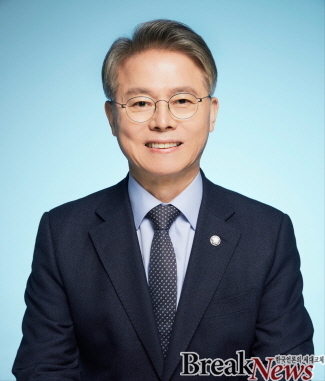
▲ 필자/곽인옥 교수. ©브레이크뉴스 |
1. 위기 속에서 피어난 삶의 전략, 그리고 여성
1990년대 중반, 북한은 체제 유지를 흔들 만큼의 극심한 위기를 맞이했다. 계획경제의 붕괴와 배급 시스템의 마비는 단순한 경제 실패라기보다, 국가가 전통적으로 장악했던 생계 구조 자체의 붕괴를 의미한다. 국가가 더는 모든 삶을 책임질 수 없게 되며 주민 개개인은 생존을 위해 스스로 돌파구를 찾아야 했다. 바로 이 지점에서 여성들의 생존 전략은 체제의 경직성을 뚫고 시장이라는 새로운 공간에서 피어나기 시작했다.
북한은 오랜 시간 남성 중심의 공적 권력 구조와 엄격한 성별 이데올로기를 유지해 왔다. 그러나 장마당을 중심으로 이루어진 시장화는 여성들에게 비공식적이나마 자기 주도적 경제 활동의 출발점을 제공했다. 특히 여성들은 비공식 유통, 소매 거래, 이동 상거래 등을 통해 생계를 꾸리며 새로운 경제 중심축으로 부상했다. 이들은 단순한 피해자가 아니다. 통제 너머로 번져간 비공식 시장의 실천자이며, 생존의 주체다.
2. 통제사회 속 여성의 생존 전략: 초기 자본주의적 전환 속에서
● 이중경제 체제와 시장화의 전개
1990년대 후반에 접어들며 북한 경제는 사실상 이중경제 체제로 전환되었다. 국가 주도의 배급제와 계획경제가 형식적으로는 유지되었지만, 주민들의 실질적인 생계는 비공식 시장에 의존하게 되었다. 장마당, 밀거래, 비인가 운송 등의 활동이 일반화되면서 비공식적 시장 경제가 실질적 기능을 하게 된 것이다.
2000년대 이후, 북한 당국은 시장의 존재를 완전히 부정하기보다 부분적으로 수용하면서 이를 통제하려 했다. 2002년 ‘7.1 경제관리개선조치’나 상설시장 제도가 이를 상징한다. 그러나 이는 어디까지나 체제 안정을 위한 제한적 인정이었다. 결국 시장은 ‘공식’과 ‘비공식’이 교차하는 회색 지대로 남게 되었고, 이 중 여성들은 새로운 경제 네트워크의 중추로 떠올랐다.
● 공식 권력 vs. 비공식 네트워크 — 남성과 여성의 권력 분화
북한 시장화의 구조에서 성별에 따른 권력 구도는 분명하게 갈린다. 남성은 대체로 공식 제도의 중심—기관, 운송, 허가, 무역—에서 권력을 행사했다. 국가 체제 내에서 단속이나 허가권 같은 제도적 자원에 접근할 수 있는 위치에 있었고, 이를 통해 공식적 권력의 축을 형성했다.
여성은 그와 달리 장마당과 개인 네트워크, 인편 거래 등 비공식 영역에서 활동했다. 이들은 전국 단위 유통망을 비공식적으로 조율하며 실질적 영향력을 만들어냈지만, 공식적인 법제와 제도에서는 배제되었다. 이 구조는 초기 산업화 시기 여성 노동자들이 제도 밖에서 노동력을 제공하던 역사성과 맞물린다. 성별에 따라 경제 권력의 공식성과 비공식성, 제도화와 비제도화가 나뉘는 위계적 이중구조가 북한 사회에서도 반복되고 있는 것이다.
● ‘일과 관계’의 융합 — 권력과 생존이 결합한 새로운 거래 방식
여성 상인들은 단순한 상품 거래를 넘어서, 권력자와의 관계를 생존 수단으로 병용했다. '일'과 '관계'는 점점 분리되지 않는 요소가 되었고, 거래에서 친밀성과 감정, 심지어 성적 유대까지 포함되는 복합관계가 생성되었다.
이러한 관계는 다양한 생존 전략 속에서 구체화된다.
예컨대, 중소기업소 사장과 여성 부기원은 사실상 ‘호위-보호 관계’ 위에서 사적인 유대를 형성하고, 여성은 회계 처리 등의 교묘한 실무 관여를 통해 사장의 신뢰를 얻는 동시에 비보호 상태에서 일어날 수 있는 경제적 배제를 피한다.
철도 보안원과 여성 도매 상인 간에는 화물 승차권과 통행권을 둘러싼 비공식적 거래가 반복된다. 여성 상인은 장사 기회를 얻기 위해 감정적 교류와 사적인 친밀성을 유도하거나 감내해야 하고, 그 관계는 경제와 성, 권력이 얽힌 채 구조화된다.
이는 단순한 뇌물이나 편의 제공이 아닌, 성적 긴장과 감정 자원의 교환으로 작동하며, 그 본질에는 언제나 권력 불균형이 자리잡고 있다. 여성은 강한 제약과 위험 속에서도 생존을 선택하기 위해 권력자와 ‘공존적 거래’ 이상의 관계를 만들어낸다.
 ▲ 평양시 ©브레이크뉴스 |
● 조건부 자율성과 구조적 한계
북한 여성의 경제 활동은 ‘자율적’으로 보일 수 있지만, 그것은 언제든 단속, 배제, 체제의 변화에 의해 무너질 수 있는 조건부 자율성이다. 성과를 위해 조력 받아야 할 권력자와의 관계는 때로 생명을, 돈줄을 지켜주는 방패가 되지만 동시에 통제 수단이 되기도 한다.
예컨대, 사금융을 운영하는 여성 돈주와 보안원의 관계는 ‘보호비 명목’의 금전적 거래를 넘어 사적으로 호의적 관계를 형성함으로써 경제 활동의 안정성을 보장받는다. 하지만 이는 언제든 뒤바뀔 수 있으며, 권력자 개인의 변화, 상부의 단속 강화 같은 조치에 의해 사라질 수 있는 시장 기반이다.
이처럼 여성들은 전략적으로 권력 관계에 접근하지만, 이 주체성은 불완전하고 불안정하다. 이것이 바로 초기 자본주의 사회에서 여성들이 겪은 ‘주체적이되 위태로운 노동자’로서의 삶과 맞닿아 있다.
● 폐쇄된 성 규범의 균열과 ‘개방된 관계’의 확산
북한 특유의 집단주의적 성 규범과 공공도덕은 시장화와 여성 경제 활동의 확대로 갈피를 잃어가고 있다. 특히 국경이나 장거리 유통망처럼 국가의 통제가 강한 영역에서는 권력을 가진 남성과의 교류가 필수적인 생존 전략으로 등장하며, 이는 관계와 성을 둘러싼 규범의 해체를 불러온다.
대표적인 사례는 다음과 같다:
국경수비대와 여성 밀수 무역자 간의 유착은 ‘가능한 밀수 통로’, ‘접근 권한’ 확보를 위한 관계 형성과 연결된다. 이 관계는 단순 편의 제공을 넘어 신뢰와 지속적 만남, 그리고 친밀성의 육성으로 발전한다.
결국 여성의 경제 활동은 필연적으로 기존의 폐쇄된 성 규범을 뒤흔드는 결과를 낳는다. 이는 자본주의 초기 도시 여성들이 가족적·도덕적 규범의 바깥에서 관계를 조직했던 방식과 매우 닮아 있다.
3. 통제의 경계를 가로지른 여성, 그리고 시장이라는 미래
북한 여성들이 장마당에서 구축해낸 생존 전략은 단지 경제적 회복의 이야기만이 아니다. 그것은 체제의 틈새에서 작동한 집단의 주체성에 대한 기록이며, 또한 전통적인 국가·성별 질서가 균열을 맞이하는 역사적 전환기에 대한 증거다. 여성들은 제도 밖에서 허용된 자유를 기회로 활용했고, 금전과 물자, 감정과 관계를 거래하는 새로운 질서의 중심에 스스로를 놓았다.
이러한 모습은 초기 자본주의가 보여줬던 이중적 얼굴과 맞닿아 있다. 자율성과 착취, 독립성과 종속이 뒤엉킨 구조 속에서 경제 주체들은 불안정한 자유를 감내해야 했다. 특히 여성들에게 시장은 새로운 삶의 기회였음과 동시에, 기존 권력 질서에 의해 끊임없이 위협받는 제한된 공간이기도 했다. 그러나 바로 그 제약과 갑작스런 개방의 교차점에서, 여성들은 단순히 피해자가 아닌 ‘경제적 설계자’로 재등장했다.
이러한 현상이 단발적인 위기 대응 차원이 아니라, 북한 사회가 근본적으로 변하고 있음을 보여주는 신호라고 본다. 시장은 국가 통제를 우회한 생존의 공간일 뿐 아니라, 근대적 개인성, 비공식 네트워크, 권력 재편의 무대이기도 하다. 그리고 이 변화의 최전선에는 이중적인 억압과 가능성을 동시에 경험한 여성들이 있었다.
미래를 바라본다면, 북한의 이러한 시장화 경험은 결국 제도와 민간경제, 공권력과 생활권력 사이의 새로운 균형점을 요구하게 될 것이다. 불안정한 조건부 자율성에서 벗어나려면, 경제의 제도화와 권력구조의 성평등한 개편이 이루어져야 하며, 이는 체제의 변화를 수반하지 않고는 결코 실현될 수 없다.
지금 북한의 장마당은 단순한 생계 공간을 넘어 새로운 사회 모델의 가능성을 예고하고 있다. 여성들은 통제 사회의 그림자를 넘어 가장 먼저 ‘시장’을 실천했고, 그 속에서 한국 사회가 한때 경험했던 근대화 초기의 문제들을 고스란히 반복해 경험하고 있다. 그렇기에 북한의 시장화는 단지 경제 현상이 아니라, 동시대 한국과 국제 사회가 마주하고 있는 자본과 권력, 젠더의 문제를 다시 성찰하게 만드는 중요하고도 긴박한 거울이다.
*필자/-곽인옥 교수
*아래는 위 기사를 '구글 번역'으로 번역한 영문 기사의 [전문]입니다. '구글번역'은 이해도 높이기를 위해 노력하고 있습니다. 영문 번역에 오류가 있을 수 있음을 전제로 합니다.<*The following is [the full text] of the English article translated by 'Google Translate'. 'Google Translate' is working hard to improve understanding. It is assumed that there may be errors in the English translation.>
[Pyongyang Market Economy Report] North Korea, the Shadow of Early Capitalism
Women's Survival Strategies and Complex Power Relations in North Korea's Marketization
- Professor Kwak In-ok
1. Women and the Strategies for Living in Crisis
In the mid-1990s, North Korea faced a severe crisis that threatened to destabilize the very structure of its system. The collapse of the planned economy and the paralysis of the distribution system signified not simply economic failure, but the collapse of the very livelihood structure traditionally dominated by the state. With the state no longer responsible for all aspects of life, each citizen had to find their own way to survive. It was at this point that women's survival strategies broke through the rigidity of the system and began to blossom in a new space: the market.
North Korea had long maintained a male-dominated public power structure and a strict gender ideology. However, marketization, centered around the marketplace, provided women with a starting point for self-directed economic activity, albeit informally. Women, in particular, emerged as a new economic center, earning a living through informal distribution, retail trade, and mobile commerce. They were not simply victims. They are practitioners of the informal market, which has spread beyond control, and are the agents of survival.
2. Women's Survival Strategies in a Controlled Society: In the Early Capitalist Transition
● Dual Economic System and the Development of Marketization
In the late 1990s, the North Korean economy effectively transitioned into a dual economic system. While the state-led rationing system and planned economy were formally maintained, residents' livelihoods became dependent on informal markets. As activities such as marketplaces, smuggling, and unauthorized transportation became widespread, the informal market economy gained practical function.
Since the 2000s, the North Korean authorities have attempted to control markets by partially accepting their existence rather than completely denying them. The "July 1 Economic Management Improvement Measures" of 2002 and the establishment of permanent markets are symbolic examples. However, this recognition was limited, aimed at maintaining regime stability. Ultimately, the market remained a gray area where the "official" and "informal" intersect, and women emerged as the core of this new economic network.
● Formal Power vs. Informal Networks—The Division of Power Between Men and Women
In North Korea's marketization structure, the power structure is clearly divided by gender. Men generally wielded power at the heart of formal institutions—organizations, transportation, licensing, and trade. Within the state system, they held positions of access to institutional resources such as regulatory and licensing authority, thereby forming the axis of formal power.
Women, on the other hand, operated in informal spheres such as marketplaces, personal networks, and personal transactions. They unofficially coordinated nationwide distribution networks, generating substantial influence, yet were excluded from formal laws and institutions. This structure aligns with the historical context in which female workers provided labor outside the formal system during the early industrialization period. The hierarchical duality, where economic power is divided between formal and informal, institutionalized and non-institutionalized, by gender, persists in North Korean society.
● The Convergence of "Work and Relationships"—A New Transaction Method Combining Power and Survival
Women merchants went beyond simple commodity transactions and utilized relationships with those in power as a means of survival. "Work" and "relationships" have become increasingly inseparable, and complex relationships have emerged, encompassing intimacy, emotion, and even sexual bonds.
These relationships are concretized in various survival strategies.
For example, small business owners and female bookkeepers form personal bonds based on a de facto "guard-protector relationship." Through skillful practical interventions like accounting, women gain the trust of their owners while avoiding the economic exclusion that can occur in unprotected situations.
Informal transactions involving freight tickets and passage rights recur between railway security guards and female wholesalers. To secure business opportunities, female merchants must induce or tolerate emotional exchanges and personal intimacy, and these relationships are structured around economics, gender, and power.
This process is not simply bribery or the provision of convenience; it operates through the exchange of sexual tension and emotional resources, and at its core, a power imbalance is always present. To survive under severe constraints and risks, women forge relationships with those in power that go beyond "coexistential transactions." ● Conditional Autonomy and Structural Limitations
North Korean women's economic activities may appear "autonomous," but this autonomy is conditional, subject to disruption by crackdowns, exclusion, and systemic changes. Relationships with those in power, whose support is essential for success, sometimes serve as shields protecting lives and financial resources, but they can also serve as tools of control.
For example, the relationship between female moneylenders and security agents, operating private finance companies, goes beyond financial transactions under the guise of "protection fees" to foster a personal, benevolent relationship, thereby ensuring the stability of economic activity. However, this is a market-based system that can be overturned at any time and can be eroded by changes in the power structure or by measures such as increased crackdowns from higher-ups.
Though women strategically approach power relations, this subjectivity is incomplete and unstable. This aligns with the lives of women as "subjective yet precarious workers" in early capitalist society.
● Cracks in Closed Gender Norms and the Spread of "Open Relationships"
North Korea's unique collectivist gender norms and public morality are being disrupted by marketization and the expansion of women's economic activity. Especially in areas subject to strong state control, such as borders and long-distance distribution networks, interaction with powerful men emerges as a vital survival strategy, leading to the disintegration of norms surrounding relationships and gender.
A prime example is the following:
Collusion between border guards and female smugglers is linked to the formation of relationships aimed at securing "possible smuggling routes" and "access." These relationships evolve beyond mere convenience, fostering trust, ongoing encounters, and intimacy.
Ultimately, women's economic activity inevitably disrupts existing, closed gender norms. This closely resembles the way urban women in the early days of capitalism organized relationships outside of familial and moral norms.
3. Women Crossing the Boundaries of Control and the Future of the Market
The survival strategies North Korean women developed in the marketplace are not simply a story of economic recovery. They are a record of the agency of a group operating within the system's cracks, and evidence of a historical turning point where traditional national and gender orders are facing ruptures. Women seized the freedom granted outside the system as an opportunity, placing themselves at the center of a new order where money, goods, emotions, and relationships were traded.
This phenomenon echoes the duality of early capitalism. Within a structure where autonomy and exploitation, independence and subordination were intertwined, economic actors had to endure a precarious freedom. For women in particular, the market offered new opportunities for life, but it was also a restricted space constantly threatened by the existing power structure. However, at the intersection of these constraints and the sudden opening, women re-emerged as "economic architects," not simply victims.
This phenomenon is not a one-time crisis response, but a sign of fundamental change in North Korean society. The market is not only a space for survival, circumventing state control, but also a stage for modern individuality, informal networks, and the restructuring of power. And at the forefront of this change were women who experienced both the duality of oppression and possibility.
Looking to the future, North Korea's experience of marketization will ultimately demand a new balance between the system and the private economy, public power and the power of everyday life. To escape from this precarious, conditional autonomy, the institutionalization of the economy and the restructuring of power structures toward gender equality must occur, and these cannot be achieved without systemic change.
North Korea's marketplaces today are more than mere livelihood spaces; they herald the possibility of a new social model. Women were the first to practice the "market" beyond the shadow of a controlled society, and within this, they are experiencing the very same problems of early modernization that South Korean society once experienced. Therefore, marketization in North Korea is not simply an economic phenomenon; it is a crucial and urgent mirror that forces us to reflect on the issues of capital, power, and gender that contemporary South Korea and the international community face.
*Author: Professor Kwak In-ok