정청래 더불어민주당 대표가 최근 국회에 ‘검찰·언론·사법개혁특별위원회’를 설치하고, 그 위원장에 민형배 의원을 임명했다. 그는 추석 전까지 개혁을 완수하겠다며 시한까지 제시했다. 외양은 개혁이지만, 속내는 현 정권과 갈등을 빚고 있는 권력기관을 정치적으로 재편하려는 시도로 읽힌다.
그러나 역설적이게도, 이 나라의 권력기관들은 실제로 근본적 개혁이 필요한 상태다. 문제는 그 개혁이 특정 정권의 필요나 유불리에 따라 좌우되어서는 안 된다는 것이다. 국민은 더 이상 정치권의 정략적 개혁 쇼를 원하지 않는다. 국민이 요구하는 것은, 어떤 정권도 장악할 수 없는 헌법적 제도 개혁이다.
 ▲ 검찰청사 ©브레이크뉴스 |
○ 권력기관은 누구의 것인가
대한민국의 실질 권력은 어디에 있는가. 대통령이나 국회 이전에, 우리는 검찰, 언론, 사법부라는 세 가지 도구를 주목해야 한다. 이들 기관은 헌법적 독립성을 기반으로 운영되지만, 그 독립은 자율로, 자율은 무책임한 권력화로, 권력화는 정치화로 이어졌다. 그 결과 이 세 기관은 국민 위에 군림하고, 정치적 게임의 축이 되어버렸다.
○ 검찰–권력의 심장으로 진화한 칼
대한민국 검찰은 수사권과 기소권을 동시에 가진 세계적으로도 유례없는 조직이다. 이는 대통령의 칼에서 출발했지만, 이제는 정권 위에 서는 독립 권력으로 변질되었다.
검사 동일체 원칙 하에 전국 검찰이 대검찰청 지휘에 따라 움직이며, 검찰총장 한 사람이 전국 수사를 장악할 수 있는 구조가 되었다. 특히 특수부 중심의 인사 편중은 검찰이 권력형 수사에 집중하게 만들었고, 이로 인해 정권 교체기마다 반복되는 정치 수사가 제도화되었다.
피의사실 유출도 고질적 문제다. 수사 중인 정보가 언론에 흘러가면, 국민은 판결 이전에 이미 유죄로 인식한다. 언론과 결탁된 여론재판이 사법 정의를 왜곡하고, 국민의 권리는 뒷전으로 밀려난다. 검찰은 정의 실현이 아닌 권력 게임의 플레이어로 변모했다
○ 언론–감시자를 넘어 정치 행위자로
한때 언론은 권력의 감시자였다. 그러나 지금의 한국 언론은 감시자이기보다 정치 그 자체다. 검찰이 흘린 피의사실은 단독 보도라는 이름으로 포장되어 국민에게 전달된다. 이는 사실 전달이 아니라 감정 유도이고, 조작된 여론이다.
기사는 클릭 장사에 종속되고, 자극적 제목과 편향된 시각이 신문, 방송, 포털 알고리즘을 장악한다. 언론은 공적 기관이 아니라, 정치적 감정 유발 유닛이 되어버렸다.
기자 출신 정치인들이 국회로 대거 진출해 다시 여론을 조작하는 악순환도 심각하다. 이들은 언론에서 편향된 기사를 쓰다 정치권으로 이동해 입법 권력을 쥐고 다시 언론을 규정한다. 한국 언론의 신뢰도가 OECD 최하위권인 이유는 결코 우연이 아니다.
○ 사법부–최후의 보루인가, 이념의 진지인가
사법부는 정치와 거리를 둔 독립 기관이다. 그러나 오늘날 대한민국 법원은 사법권의 독립이 아니라 권력화, 그리고 이념화로 치닫고 있다.
‘우리법연구회’의 후신인 ‘국제인권법연구회’와 ‘새진보그룹’ 등 특정 성향의 판사 네트워크가 법원 내부를 구조적으로 장악했다. 이들은 주요 법원 인사와 판결에 영향을 미치며, 특히 정치적 사건에서는 법률보다는 이념을 중심으로 판단하는 경향을 보이고 있다.
사법부의 자율성은 존중받아야 하지만, 현재의 구조는 외부 견제 없는 폐쇄적 권력 시스템에 가깝다. 대법원장은 전국 판사의 인사권을 독점하고, 법원행정처는 예산과 감사를 스스로 처리한다. 국민은 판결 결과만 볼 수 있을 뿐, 판사의 성향이나 행정 내부 비리에 접근할 방법이 없다.
○ 독립의 역설–검찰, 언론, 사법부의 권력화
검찰, 언론, 사법부는 모두 헌법적 독립성을 가진 기관이다. 그러나 그 독립은 외부 견제를 받지 않는 권력이 되었고, 자율은 무책임한 권한 행사로 이어졌다.
검찰은 수사권과 기소권을 행사하며 국민을 압박하고, 언론은 사실을 왜곡하며 여론을 조작하고, 사법부는 이념의 카르텔로 정의를 흔든다. 세 기관 모두 독립이라는 이름 아래 국민 위의 권력이 되었다.
○ 정청래 式 개혁은 정치의 연장일 뿐
민주당이 추진하는 이른바 검찰·언론·사법 개혁은, 이 세 기관이 자신들의 정치적 의도대로 움직이지 않는다는 이유로 구조를 재편하려는 정치적 시도다.
윤석열 정부가 검찰을 정치적으로 활용했다면, 민주당은 검찰 자체를 무력화하려 한다. 방법은 다르지만, 본질은 같다. 정권의 유불리에 따라 제도를 바꾸고, 불편한 권력기관은 해체한다. 이것은 개혁이 아니라, 권력 도구화의 반복이다.
국민은 이런 개혁을 원하지 않는다. 국민이 요구하는 것은 정권도, 정당도, 심지어 국민 스스로도 침해할 수 없는 제도적 울타리다. 그것이 헌법이 보장하는 공정이고 진짜 개혁의 방향이다.
○ 검찰개혁, 정권의 칼이 아니라 국민의 제도로
대한민국에서 검찰은 오랫동안 무소불위(無所不爲) 권력의 상징이었다. 정권은 필요할 때 검찰을 정치 수사의 칼로 쓰고, 때로는 정적 제거의 창으로 휘두르기도 했다. 국민은 검찰의 독립을 원하지만, 그 독립이 오히려 폐쇄된 권력 카르텔로 이어지는 것을 목도해왔다.
검찰개혁은 이처럼 정권의 입맛에 따라 누구를 잡을 것인가가 아니라, 검찰이라는 권력기구 자체를 국민의 제도로 되돌리는 작업이어야 한다. 핵심은 두 가지다. 하나는 수사권과 기소권의 분리, 다른 하나는 기소권의 분산이다.
□ 수사와 기소, 반드시 분리해야
이미 검경수사권 조정으로 수사는 경찰, 기소는 검찰이라는 원칙이 정립되었지만, 현실은 여전히 검찰이 '직접 수사'에 개입하고 있다. 이는 제도적 합의와 배치될 뿐 아니라, 검찰의 이중 권한을 더욱 강화시키는 결과를 초래한다.
검찰은 ‘수사는 경찰, 기소는 검찰’이라는 원칙 아래, 직접 수사를 전면 폐지해야 한다. 필요한 경우 경찰의 수사를 지휘하거나 보완 요청할 수는 있어도, 자체 수사는 원천적으로 제한되어야 한다. 이는 검찰의 본질을 기소 전문기관으로 재정립하는 것이기도 하다.
□ 기소권을 국민에게
현재 검찰은 수사도 하고 기소도 한다. 경찰이 사건을 수사해도, 검찰이 기소하지 않겠다고 하면 끝이다. 이른바 기소독점주의다. 이는 형사사법 절차에서 국민의 참여 가능성을 원천 차단하는 제도다. 따라서 기소권을 국민의 손에 돌려야 한다.
이를 위해 국민참여 기소심의위원회를 법제화하고 상설화해야 한다. 지금도 형식적으로는 존재하지만, 검찰의 의지에 따라 열지 않을 수도 있는 제도다. 미국의 대배심(grand jury)처럼, 국민이 기소 여부를 판단하는 제도적 장치를 강제화·의무화해야 한다. 또한 기소권을 검찰만이 독점할 수 없도록 다양한 형태의 기소주체 다원화가 필요하다. 예를 들어 특별감찰관이나 공공부패·고위공직자 사건 등에 대해 제3의 기소기구가 판단하는 구조로 가야 한다.
□ 검사 동일체 폐지, 인사 투명화로 수직 권력 구조 해체
검찰 내부의 수직적 명령체계인 ‘검사 동일체 원칙’은 권력의 집중을 낳는 구조적 원인이다. 대검 지휘부의 말 한마디가 전국 모든 검사들에게 곧 지시로 받아들여지는 문화는 법치주의가 아니라 군대식 명령체계에 가깝다. 검찰은 전문화된 독립 검사 조직으로 나뉘어 각자 책임지는 문화로 전환해야 한다.
또한, 고위직 인사에 대해 국회 인준 절차를 도입해야 한다. 검사장(고검장, 지검장) 등 특정 직위는 대통령의 인사권만으로 임명되는 구조가 아니라, 입법부의 견제를 거치는 공적 절차로 바꿔야 한다. 인사는 곧 권력이며, 인사 투명화 없이 개혁은 공허하다.
검찰은 범죄를 기소하기 위한 국가기관이지, 정권의 충견도, 정의의 검도 아니다. 정치적 중립성과 법적 공정성은 제도가 지켜야 할 최소한의 방어선이다. 검찰을 개혁한다는 것은 칼을 바꾸는 게 아니라, 그 칼을 쥔 손을 국민의 제도 속에 가두는 일이다. 그것이 진짜 개혁이다.
○ 언론개혁, 견제 없는 권력에 고삐를 물려라
언론은 민주주의의 마지막 방어선이다. 그러나 대한민국 언론의 현실은 그 방어선이 아니라, 권력의 확성기이자 이해집단의 전위대로 전락하고 있다. 허위·왜곡 보도가 아무런 책임 없이 반복되고, 특정 정당 또는 권력과 유착한 정파 저널리즘이 공공 담론을 마비시키고 있다.
과거 권위주의 정권 시절에는 통제의 대상이던 언론이, 오늘날엔 감시받지 않는 권력이 되었다. 언론 자유는 필요하다. 그러나 무책임한 자유는 사회를 좀먹는다. 이제 언론의 권력화에 대해 제도적 고삐를 물릴 때다.
□ 허위보도, 이제는 책임져야 한다
첫째, 징벌적 손해배상제를 도입해야 한다. 현재 언론의 허위·왜곡 보도에 대한 배상은 고작 수백만 원 수준이다. 수억 원의 광고수익을 벌어들이는 언론사에게 이는 벌금이 아니라 면죄부다. 고의 또는 중과실에 의한 오보의 경우 최대 100배의 손해배상이 가능하도록 제도를 바꿔야 한다.
둘째, 기자 개인 및 편집책임자의 연대 책임제를 도입해야 한다. 익명 기사의 그늘에 숨어 어떤 왜곡도 책임지지 않는 관행을 깨야 한다. 기자와 데스크가 함께 책임지는 구조가 마련될 때 비로소 취재 윤리가 작동한다.
셋째, 모든 기사는 작성자 이력과 정정 내역을 공개해야 한다. 언론은 타인의 과거를 캐지만, 정작 자기 기사의 과거는 숨긴다. 독자에게 정직하지 않은 언론이 어찌 사회를 감시할 수 있는가?
□ 공영방송, 정치에서 분리해야 한다
KBS, MBC, YTN 등 이른바 공영방송은 정권에 따라 논조가 오락가락한다. 경영진이 바뀌면 앵커가 바뀌고, 시사 프로그램이 폐지된다. 이는 공영방송이 아니라 정권의 메신저에 불과하다.
공영방송은 독립기구가 관리하는 공적 지배구조로 전환돼야 한다. 여야 5:5 추천은 정치개입을 제도화하는 것일 뿐이다. 시민사회, 학계, 언론노조, 변호사회 등이 함께 참여하는 독립적 운영위원회가 감독해야 한다. 아울러 사장 임명 시에는 국회 동의는 물론 시민청문회 절차를 거치도록 하여, 권력과의 유착 고리를 끊어야 한다.
언론은 검찰이나 법원처럼 공적 권한은 없지만, 사회적 영향력은 그 어떤 기관보다 강력하다. 이제 언론 자유라는 명분 뒤에 숨어 진실을 왜곡하고, 민의를 호도하며, 사익을 추구하는 탈법적 언론 권력을 해체할 때다.
○ 사법개혁, 판사에게도 권력 분산을
법원은 민주공화국의 최후의 보루다. 그러나 한국의 사법부는 그 보루가 아니라, 때로는 폐쇄된 성벽이었다. 대법원장 한 명이 사법행정권을 독점하고, 법원행정처가 판사 인사와 재판 배당을 관리하며, 특정 성향의 사조직이 내부를 장악하는 구조. 이것이 대한민국 사법부의 민낯이다.
□ 법원 인사권, 국회로 견제해야
현재 대법원장은 전국 법관들의 인사권을 거의 전적으로 쥐고 있다. 고위 법관 승진이나 주요 재판부 배치에 있어 개별 판사의 전문성보다 눈치가 우선시되는 구조가 만들어졌다. 따라서 고위 법관 인사에 대해 국회 인준을 받도록해야 한다. 고위 법관의 승진과 재배치는 입법부의 감시와 투명한 청문 절차를 통해 이루어져야 한다.
대법원장의 권한도 분산되어야 한다. 인사, 재판 배당, 행정 감독 기능을 분리하여 복수 기관 또는 시민 추천기구와 공동으로 관리하는 방안이 필요하다.
□ 판사도 국민의 평가를 받아야 한다
시민단체와 대한변협 등이 참여하는 '판사 평정제'를 도입해야 한다. 판사의 공정성, 재판 진행 태도, 충실한 판결문 작성 여부 등을 다면적으로 평가할 수 있어야 한다. 이는 사법 신뢰 회복의 핵심 열쇠다.
사법부의 회계 또한 전면 공개되어야 한다. 법원 예산은 방대하지만, 국회 감사 대상에서 제외되어 있어 무감시, 무책임 회계로 운영되는 경우가 많다. 이제는 사법부도 예산에 대해 입법부의 감사와 국민의 평가를 받아야 한다.
마지막으로, 법원 내부의 특정 성향 네트워크—예컨대 국제인권법연구회, 새진보그룹 등—이 비공식 사법권력처럼 작동하는 현실도 문제다. 이들은 우리법연구회 해산 이후에도 진보 판사 네트워크로 남아 특정 판결 경향과 인사 영향력까지 행사하고 있는데, 주권자인 국민의 이름으로 즉각 해체를 명령한다. 사법부는 내부 정치가 아니라 국민 신뢰로 운영되어야 한다.
사법개혁은 정권의 사람 심기가 아니라, 법원이 다시 사법기관답게 기능하도록 하는 제도 개혁이어야 한다. 판사도, 검찰도, 언론도—국민의 이름으로 통제받을 때 비로소 헌법 기관이 된다.
○ 칼, 펜, 법봉은 이제 국민의 손에 돌아가야 한다
검찰은 헌법의 검이 되어야 하고, 언론은 진실의 펜으로 거듭나야 하며, 사법부는 정의의 법봉으로 국민의 신뢰를 회복해야 한다.
대한민국은 지금 갈림길에 서 있다. 권력기관을 계속 정권의 도구로 사용할 것인가, 아니면 헌법의 원칙에 따라 국민의 품으로 돌려보낼 것인가.
정권을 위한 개혁이 아니라, 헌법을 위한 개혁이 되어야 한다. 그것이 진짜 민주주의이며, 국민이 요구하는 개혁의 본질이다.
더 이상 권력이 아닌 국민이 칼을 들고, 펜을 쥐고, 법봉을 지켜야 할 때다. 그것이 민주공화국 대한민국이 다시 바로 서는 출발점이다. jeongkeekim@naver.com
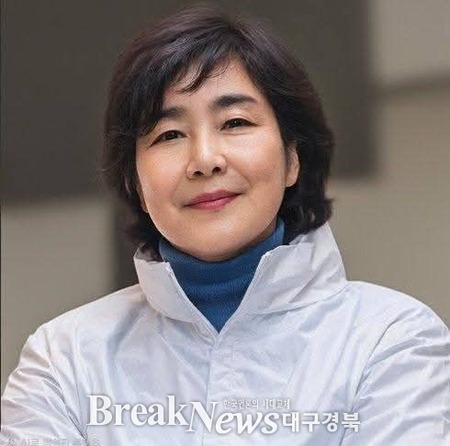
 ▲필자/ 김정기 미국 변호사. ©브레이크뉴스 |
*필자/김정기
● 학력
- 뉴욕주립대학교(Stony Brook) 정치학과 수석 졸업
- 마케트대학교(Marquette) 로스쿨 법학박사
- 하버드대학교(Harvard) 케네디스쿨 최고위 과정
- 베이징대학교(Peking) 북한학 연구학자
● 경력
- 세계스마트시티기구(WeGO) 사무총장 (현)
- 유엔 국제전기통신연합 (UN ITU) 가상세계 및 AI 글로벌 이니셔티브 집행위원(현)
- 아시아태평양지방정부네트워크(CityNet) 대표
- 제8대 주상하이 대한민국 총영사(13등급 대사)
- 2010 상하이엑스포 대한민국관 정부대표
- 제17대 대선 한나라당 이명박 대통령 후보 국제위원장
- 제20대 대선 국민의힘 윤석열 대통령 후보 정치개혁 공약 총괄
- 제21대 대선 국민의힘 김문수 대통령 후보 외교고문
- 자유한국당 오세훈 당대표 후보 SH전략회의 총괄 및 조직본부 총괄본부장
- 자유한국당 서울시장 예비후보
- 법무법인 대륙아주 중국 총괄 미국변호사
- 난징대학교 국제경제연구소 객좌교수
- 동국대학교 경영전문대학원 석좌교수
- 숭실사이버대학교 총장
● 저서
1. 대학생을 위한 거로영어연구[전 10권](거로출판사)
2. 나는 1%의 가능성에 도전한다(조선일보사)
3.<한국형 협상의 법칙> 저자.
4.<대한민국과 세계 이야기>의 저자.
*아래는 위 기사를 '구글 번역'으로 번역한 영문 기사의 [전문]입니다. '구글번역'은 이해도 높이기를 위해 노력하고 있습니다. 영문 번역에 오류가 있을 수 있음을 전제로 합니다.<*The following is [the full text] of the English article translated by 'Google Translate'. 'Google Translate' is working hard to improve understanding. It is assumed that there may be errors in the English translation.>
Prosecutors = sword, media = pen, courts = gavel... "Not tools of power, but belonging to the people"
Toward constitutional reform against the political and power-oriented nature of the prosecution, media, and judiciary...
- Columnist Kim Jeong-gi
Democratic Party leader Chung Chung-rae recently established the "Special Committee on Prosecution, Media, and Judicial Reform" in the National Assembly and appointed Representative Min Hyung-bae as its chair. He stated that he would complete the reforms by Chuseok, even setting a deadline. While this appears to be reform, its true intentions appear to be an attempt to politically reorganize the power institutions that are in conflict with the current administration.
Ironically, however, this country's power institutions are in real need of fundamental reform. The problem is that such reform should not be dictated by the needs or advantages of a particular administration. The people no longer want the politically motivated reforms of the political establishment. What the people demand is a constitutional reform that no government can control.
○ Whose Power Institutions Are These?
Where does real power reside in South Korea? Before the president or the National Assembly, we must focus on three instruments: the prosecution, the media, and the judiciary. These institutions operate based on constitutional independence, but that independence has led to autonomy, autonomy to irresponsible power grabs, and power grabs to politicization. As a result, these three institutions have come to dominate the public and become the axis of political games.
○ Prosecutors' Office – The Sword Evolved into the Heart of Power
The Korean prosecution service is an unprecedented organization, possessing both investigative and prosecutorial powers. This originated as the president's sword, but has now morphed into an independent power that stands above the administration.
Under the principle of unity of prosecutors, prosecutors nationwide operate under the direction of the Supreme Prosecutors' Office, creating a structure in which a single Prosecutor General can dominate national investigations. In particular, the concentration of personnel in the special investigation division has led to the prosecution's focus on power-driven investigations, institutionalizing political investigations that recur with each regime change.
Leaks of information about suspects are also a chronic problem. When information during an investigation leaks to the media, the public perceives the suspect as guilty before a verdict is reached. The media's collusion with public opinion distorts judicial justice, and the people's rights are neglected. The prosecution has transformed from a force for justice to a player in the power game.
○ Media – Beyond Watchdog to Political Actor
The media once served as a watchdog for power. However, today's Korean media is more than a watchdog; it's politics itself. Incriminating facts leaked by the prosecution are packaged and relayed to the public under the guise of exclusive reports. This is not the conveyance of facts, but rather the manipulation of emotions and public opinion.
Articles are subordinated to clickbait, and sensational headlines and biased perspectives dominate newspaper, broadcast, and portal algorithms. The media has become a politically motivated entity, not a public institution.
The vicious cycle of journalists entering the National Assembly in large numbers and manipulating public opinion is also serious. These journalists write biased articles in the media, then move into politics, wielding legislative power and once again defining the media is a serious issue. It's no coincidence that the trust in the Korean media ranks among the lowest in the OECD.
○ Judiciary – A Last Bastion or a Stronghold of Ideology?
The judiciary is an independent institution, detached from politics. However, today, South Korean courts are moving away from judicial independence and toward power and ideology.
Networks of judges with specific ideologies, such as the International Human Rights Law Research Association (the successor to the Our Law Research Association) and the New Progressive Group, have structurally dominated the courts. They influence key court appointments and rulings, and, particularly in political cases, tend to base their decisions on ideology rather than law.
While the autonomy of the judiciary must be respected, the current structure is closer to a closed power system without external checks and balances. The Chief Justice of the Supreme Court monopolizes the appointment of judges nationwide, and the National Court Administration handles budgets and audits independently. The public only has access to the results of rulings, with no access to judges' tendencies or internal administrative corruption.
○ Paradox of Independence – The Power of the Prosecution, the Media, and the Judiciary
The prosecution, the media, and the judiciary are all constitutionally independent institutions. However, that independence has become power unchecked, and autonomy has led to the irresponsible exercise of authority.
The prosecution exerts its investigative and prosecutorial powers to pressure the public, the media distorts facts and manipulates public opinion, and the judiciary undermines justice through an ideological cartel. All three institutions, under the guise of independence, have become powers above the people.
○ Jeong Cheong-rae-style reform is merely an extension of politics.
The so-called prosecution, media, and judicial reforms promoted by the Democratic Party are a political attempt to restructure these three institutions because they are not acting according to their political agenda.
While the Yoon Seok-yeol administration exploited the prosecution for political gain, the Democratic Party seeks to neutralize the prosecution itself. While the methods differ, the essence is the same: changing the system according to the regime's advantage and disadvantage, and dismantling inconvenient power institutions. This is not reform; it is a repetition of the instrumentalization of power.
The people do not want this kind of reform. What they demand is an institutional framework that cannot be breached by the government, political parties, or even the people themselves. That is the fairness guaranteed by the Constitution and the direction of true reform.
○ Prosecutorial Reform: Not a Sword of the Regime, but an Institution of the People
In South Korea, the prosecution has long been a symbol of omnipotent power. The regime has wielded it as a sword for political investigations when necessary, and at times, as a spear for eliminating political opponents. The public desires prosecutorial independence, but has witnessed how that independence has instead led to a closed power cartel.
Prosecutorial reform should not be about apprehending officials to suit the regime's whims, but rather about restoring the prosecution itself as an institution of the people. The key lies in two key elements: the separation of investigative and prosecutorial powers, and the decentralization of prosecutorial powers.
□ Investigation and Prosecution: Separation Is Essential
While the adjustment of investigative powers between the prosecution and police established the principle that the police conduct investigations and the prosecutors conduct prosecutions, the reality is that the prosecution still directly intervenes in investigations. This not only contradicts the institutional consensus, but also further strengthens the prosecution's dual authority.
Under the principle of "police investigate, prosecutors indict," the prosecution should completely abolish its direct investigations. While it may direct or request supplementary police investigations when necessary, its own investigations should be fundamentally restricted. This also reestablishes the prosecution's essence as a specialized prosecution agency.
□ Transferring the Power of Indictment to the Public
Currently, the prosecution conducts both investigations and indictments. Even if the police investigate a case, if the prosecution decides not to indict, it's over. This is the so-called indictment monopoly. This system fundamentally blocks public participation in the criminal justice process. Therefore, the power of indictment must be returned to the public.
To this end, the Citizen Participation Indictment Review Committee must be legislated and made permanent. While it currently exists formally, it can be suspended at the prosecutors' discretion. Similar to the grand jury in the United States, an institutional mechanism for the public to determine whether to indict should be mandated and made mandatory. Furthermore, a diverse range of indictment entities is needed to ensure that the prosecution does not monopolize the power of indictment. For example, we need to move toward a structure where a third-party prosecution body makes judgments on cases involving special prosecutors, public corruption, and high-ranking public officials.
□ Dismantle the vertical power structure by abolishing the single prosecutor system and ensuring transparency in personnel appointments
The "single prosecutor system," the vertical command structure within the prosecution, is a structural cause of the concentration of power. A culture where every word from the Supreme Prosecutors' Office leadership is immediately interpreted as an order by all prosecutors nationwide is closer to a military-style command structure than the rule of law. The prosecution should be divided into specialized, independent prosecutorial organizations, each with its own responsibility.
Furthermore, a National Assembly approval process should be introduced for high-ranking appointments. Appointments for certain positions, such as the Chief Prosecutor (High Prosecutors' Office, District Prosecutors' Office), should no longer be solely determined by the President's appointment authority, but should be transformed into a public process subject to legislative oversight. Appointments are power, and without transparency in personnel appointments, reform is hollow.
The prosecution is a state institution for prosecuting crimes, not a watchdog of the regime or a sword of justice. Political neutrality and legal fairness are the minimum defenses an institution must uphold. Reforming the prosecution isn't about changing the sword, but about confining the hand that holds it within the public system. That's true reform.
○ Media Reform: Rein in Unchecked Power
The media is democracy's last line of defense. However, the reality of the Korean media is not that defense, but rather has become a loudspeaker for power and a vanguard for interest groups. False and distorted reports are repeated without accountability, and partisan journalism aligned with specific political parties or powers paralyzes public discourse.
The media, once subject to control under authoritarian regimes, has today become an unchecked power. Press freedom is essential, but irresponsible freedom corrodes society. It's time to institutionally rein in the media's power.
□ False Reporting: Now It's Time to Take Responsibility
First, a punitive damages system must be introduced. Currently, compensation for false and distorted reporting by the media amounts to a mere few million won. For media outlets generating hundreds of millions of won in advertising revenue, this isn't a fine, but an indulgence. The system must be changed to allow for damages of up to 100 times the amount of misreporting due to intentional or gross negligence.
Second, a joint responsibility system for individual reporters and editors must be introduced. We must break the practice of hiding behind anonymous articles and avoiding responsibility for any distortions. Only when a structure is established where reporters and editors share responsibility can journalistic ethics truly be effective.
Third, all articles must disclose the author's history and any corrections made. The media delves into others' pasts, but hides the past of their own articles. How can a media that is dishonest to its readers monitor society?
□ Public broadcasting must be separated from politics
So-called public broadcasters like KBS, MBC, and YTN fluctuate in tone with the administration. Changes in management lead to changes in anchors and the abolition of current affairs programs. These are not public broadcasters, but merely messengers of the administration.
Public broadcasting must transition to a public governance structure managed by an independent organization. A 50/50 split between the ruling and opposition parties merely institutionalizes political interference. It should be overseen by an independent steering committee comprised of civil society, academia, the media union, and the bar association. Furthermore, the appointment of a president should require National Assembly approval and a citizen hearing process, thereby breaking the links between power and influence.
While the media lacks public authority like the prosecution or the courts, its social influence is far more powerful than any other institution. It is time to dismantle the unlawful power of the media, which hides behind the pretext of press freedom to distort the truth, mislead public opinion, and pursue private interests.
○ Judicial Reform: Decentralization of Power for Judges
Courts are the last bastion of a democratic republic. However, the Korean judiciary is not a bastion; it has sometimes been a closed fortress. The Chief Justice of the Supreme Court monopolizes judicial administration, the National Court Administration manages judge appointments and case assignments, and private organizations with specific ideologies dominate the judiciary. This is the true face of the Korean judiciary.
□ Court Appointment Power Must Be Checked by the National Assembly
Currently, the Chief Justice of the Supreme Court holds almost complete control over the appointments of judges nationwide. This has created a system where individual judges' personal preferences are prioritized over their expertise in the promotion of high-ranking judges and the assignment of key benches. Therefore, appointments to high-ranking judges must be subject to National Assembly approval. Promotions and reassignments of high-ranking judges must be subject to legislative oversight and transparent hearing procedures.
The Chief Justice's authority must also be decentralized. The functions of personnel, case assignment, and administrative oversight should be separated and jointly managed by multiple agencies or citizen recommendation bodies.
Judges Must Be Evaluated by the Public
A "Judge Evaluation System" involving civic groups and the Korean Bar Association should be introduced. It should enable a multifaceted evaluation of judges' fairness, their attitude toward conducting trials, and their faithful drafting of verdicts. This is a key to restoring trust in the judiciary.
The judiciary's accounting must also be fully disclosed. While the court budget is massive, it is often excluded from National Assembly audits, resulting in unscrupulous and irresponsible accounting practices. Now, the judiciary must also be subject to legislative audits and public evaluation of its budget.
Finally, the reality that certain networks within the courts—such as the International Human Rights Law Research Association and the New Progressive Group—operate as unofficial judicial powers is also problematic. Even after the dissolution of the Korean Law Research Association, these networks of progressive judges persist, exerting influence over specific ruling tendencies and personnel appointments. In the name of the sovereign people, we demand their immediate dissolution. The judiciary must be governed by public trust, not internal politics.
Judicial reform should not be about the political will of the administration, but rather institutional reform that enables the courts to function as proper judicial institutions. Judges, prosecutors, and the media—only when they are controlled in the name of the people do they truly become constitutional institutions.
○ The sword, the pen, and the gavel must now return to the hands of the people.
The prosecution must become the sword of the Constitution, the media must be reborn as the pen of truth, and the judiciary must restore the people's trust as the gavel of justice.
The Republic of Korea stands at a crossroads. Will we continue to use the institutions of power as tools of the regime, or will we return them to the people in accordance with constitutional principles?
Reform must be for the sake of the Constitution, not for the sake of the regime. That is true democracy, and the essence of the reforms the people demand.
It is time for the people, not those in power, to take up the sword, the pen, and the gavel. That is the starting point for the democratic republic of the Republic of Korea to stand upright again.
jeongkeekim@naver.com
*Author/Kim Jeong-gi
● Education
- Graduated summa cum laude from the State University of New York (Stony Brook) with a degree in Political Science
- Doctor of Law, Marquette University School of Law
- Graduated from the Harvard Kennedy School Executive Program
- North Korean Studies Research Scholar, Peking University
● Career
- Secretary General of the World Smart Cities Organization (WeGO) (current)
- Executive Committee Member, Virtual World and AI Global Initiative, UN International Telecommunication Union (UN ITU) (current)
- Representative of the Asia-Pacific Local Government Network (CityNet)
- 8th Consul General of the Republic of Korea in Shanghai (Ambassador, Class 13)
- Government Representative, Republic of Korea Pavilion, 2010 Shanghai Expo
- Chairman of the International Affairs Committee, Grand National Party (GNP) Presidential Candidate Lee Myung-bak in the 17th Presidential Election
- Chief of Political Reform Pledges, People Power Party Presidential Candidate Yoon Seok-yeol in the 20th Presidential Election
- Foreign Affairs Advisor, People Power Party Presidential Candidate Kim Moon-soo in the 21st Presidential Election
- Oh Se-hoon, Liberty Korea Party Candidate for Party Leadership, SH Strategy Council, and General Manager of the Organization Headquarters
- Liberty Korea Party Seoul Mayoral Candidate
- American Attorney, Head of China, Continental Law Firm
- Visiting Professor, Nanjing University International Economics Institute
- Distinguished Professor, Dongguk University Graduate School of Business
- President, Soongsil Cyber University
● Books
1. Georo English Studies for College Students [10 Volumes] (Georo Publishing)
2. I Challenge the 1% Chance (Chosun Ilbo)
3. Author of <The Laws of Korean Negotiation>
4. Author of <The Story of Korea and the World>