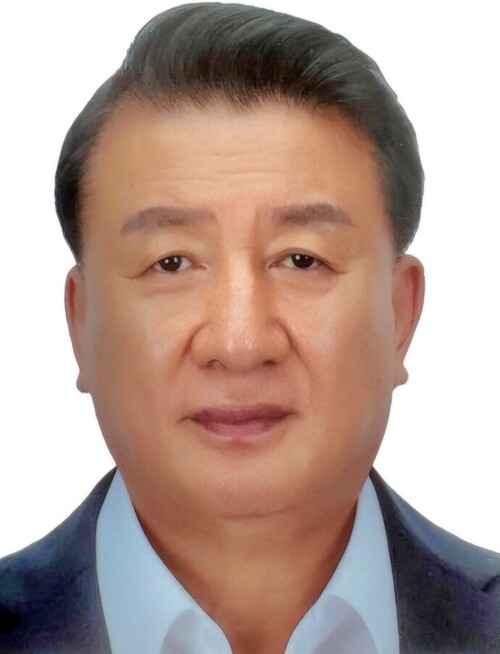
▲ 필자/김정기 칼럼니스트. ©브레이크뉴스 |
대한민국 정치는 여전히 1980년대의 악순환 속에 갇혀 있다. 보수는 검찰과 법조계를 중심으로 권력을 유지하고, 진보는 586 운동권과 그로부터 파생된 시민단체와 노조를 앞세워 사회 전반에 뿌리를 내린다. 정책은 사라지고, 상대를 범죄자나 도덕적 타락자로 규정하며 국민을 정치적 볼모로 만든다. 협상과 대화는 사라지고, 오직 전쟁 같은 정치만 남아 있다.
○ 1987년 민주화 이후의 구조적 고착
1987년 민주화 이후 보수는 안정과 질서를 중심으로 체제를 유지했다. 검찰과 법조 출신을 앞세워 권력을 공고히 했다. 진보는 운동권을 통해 제도와 권력에 도전했다. 586 운동권은 시민단체, 노조, 교육기관, 공영방송까지 장악하며 사회 전반에 영향력을 행사했다. 현재 이재명 대통령 집권기에도 그 영향력은 여전히 강력하다. 행정부, 사법부, 입법부까지 코드 인사로 채워지면서 국민은 정치적 독점과 신주류 지배 속에 방치된다.
○ 검찰공화국과 운동권 공화국의 폐해
보수 쪽에서 검찰은 권력기관의 핵심으로 성장했다. 별건 수사와 권력 남용, 언론과의 결탁은 정치 지도자를 인민재판식으로 단죄하는 구조를 만들었다. 기소 전 단계에서 정보가 흘러나가고 언론은 이를 무차별적으로 받아쓰며, 국민 속에서 이미 범법자로 낙인찍는다. 무죄추정 원칙은 유명무실해졌고, 조직의 이익이 국가보다 우선시되는 검찰공화국이 탄생했다.
586 운동권 출신 정치세력도 마찬가지다. 제도권 진입 후 권력기관, 시민단체, 노조, 공영방송, 교육단체를 장악하며 스스로를 혁명군으로 포장했다. 정치와 행정의 중심은 국민과 정책이 아닌 이념 전쟁과 조직 논리로 채워졌다. 광우병 사태, 세월호 참사, 최순실 국정농단 등은 촛불을 상징화해 정치적 이득으로 전환되었다. 결과적으로 정치적 대화와 협상, 협치의 문화는 완전히 사라졌다.
○ 제도 개혁과 세대교체의 20년 프로젝트
이런 전근대적인 구조를 깨야 한다. 정치적 대화와 협상을 회복하고, 상대를 제거의 대상이 아닌 합의의 대상으로 전환해야 한다. 세대와 이념을 초월한 인재를 등용해 능력과 도덕성 중심으로 지도층을 재구성해야 한다. 출신 배경에 얽매이지 않고 전략적 판단과 정치력으로 국가를 이끌 지도자를 세우는 것이 필수다.
그러나, 한국 정치가 안고 있는 문제는 그 구조가 단기간에 무너질 수 없다는 점에 있다. 보수와 진보 모두 제도와 조직을 장악한 상태에서, 세대 교체 없이는 근본적 변화가 불가능하다. 냉정히 말해 한국 정치의 정상화에는 최소 20년이 걸린다. 지금 시작하지 않는다면 20년 뒤조차 보장할 수 없다.
선진국의 사례는 해법을 보여준다. 미국, 영국, 독일은 제도 개혁과 세대 교체를 동시에 추진하며 정치의 적대 구조를 극복했다. 미국은 20세기 초 진보 개혁 시대(Progressive Era)를 통해 정치 기득권과 기업 독점을 분리하고, 공직 선발과 행정의 투명성을 강화했으며, 기존 엘리트를 점검하고 새로운 세대가 정책 결정에 참여하도록 했다. 독일은 전후 민주주의 정착 과정에서 나치·동독 기득권을 법과 제도를 통해 배제하고, 연방제와 비례대표제를 도입해 지역과 세대 대표성을 확대했다. 영국은 당파적 갈등을 상원과 위원회를 통한 제도적 장치로 조정하며, 합의 중심 정책 구조를 세대교체와 병행해 안정적으로 정착시켰다. 이들 사례가 말해주는 것은 명확하다. 제도 개혁과 세대교체가 동시에 진행될 때만 정치의 장기적 안정과 국민 신뢰 회복이 가능하다는 사실이다.
○ 20년의 두 단계: 개혁과 교체, 그리고 안정과 정착
한국 정치도 20년에 걸쳐 두 번의 전환을 거쳐야 한다. 그 과정은 두 단계로 나눌 수 있다.
첫 번째 10년, 즉 2025년부터 2035년까지는 제도 개혁과 세대교체가 동시에 병행되어야 한다. 검찰 권력의 독점을 해체하고, 기소와 수사를 분리하며, 언론의 책임을 강화하는 것이 시급하다. 아울러 시민단체, 공영방송, 교육기관에 만연한 코드 인사 역시 점검해야 한다. 이러한 개혁을 통해 제도적 균형이 회복될 때, 비로소 권력기관의 남용을 막을 수 있다. 동시에 새로운 세대의 정치 지도자들이 전면에 등장해야 한다. 40대 신진 정치세대가 주역이 되면서 기득권 세대인 검찰 카르텔과 586 운동권은 자연스럽게 퇴장하게 된다. 정치의 중심은 이념과 적대가 아니라 정책과 성과로 옮겨가고, 협상과 합의의 문화가 다시 살아나게 될 것이다.
두 번째 10년, 즉 2035년부터 2045년까지는 안정과 정착의 시기다. 새로운 정치 세대가 주도권을 확립하면서 검찰공화국과 운동권 공화국은 완전히 역사 속으로 사라진다. 정치의 주도권은 이제 국민 신뢰를 바탕으로 한 정책 중심의 구조로 간다. 그렇게 될 때 대한민국 정치는 국제 선진국 수준의 민주주의 질서를 갖추며, 비로소 정상 궤도에 오르게 된다.
한국 정치의 미래는 20년 동안의 꾸준한 전환에 달려 있다. 제도 개혁과 세대 교체를 동시에 밀어붙이고, 그 성과를 바탕으로 안정과 정착의 단계를 거칠 때만 국민이 신뢰할 수 있는 정치가 가능하다. 지금 출발하지 않으면 20년 뒤에도 한국 정치의 정상화는 보장할 수 없다.
○ 남은 과제: 언론의 제자리 찾기
제도 개혁과 세대교체만으로는 정치가 바로 설 수 없다. 정치는 법과 제도로 고칠 수 있고, 세대교체를 통해 새 활력을 얻을 수 있다. 그러나 이 과정을 감시하고 비추며 국민과 권력을 연결해야 할 언론이 제 기능을 잃는다면, 개혁은 절반의 성공에 그칠 수밖에 없다.
오늘의 언론은 이미 길을 잃었다. 조선·중앙·동아와 TV조선·채널A·MBN 같은 레거시 미디어는 권력 감시를 포기한 채 스스로 킹메이커라 자처하며 권력과 이해를 나눠 가졌다. 보수 유튜브와 같은 뉴미디어는 정치 철학은 사라지고 대중 선동만 남았다. 반대편의 한겨레·경향·MBC·JTBC도 민주당 권력 싸움의 행동대장으로 전락했고, 오마이뉴스나 김어준류의 비정통 매체는 특정 정권의 킹메이커 역할을 서슴지 않았다.
문제는 공통적이다. 언론이 더 이상 국민의 대변자가 아니라 이해 집단의 도구나 권력의 하수인으로 전락했다는 사실이다. 신문기자와 방송인이라는 이름을 달고도 명성과 인지도를 정치 진출의 티켓으로 소비하는 행태는 민주주의를 좀먹는 최악의 악습이다. 스스로 사회적 공기라 부르면서도 최소한의 부끄러움조차 없는 권력 지향적 언론인들이야말로 한국 사회를 황폐화시킨 주범이다.
언론이 권력과 이해를 나누거나 휘둘리는 한, 국민은 공론장을 잃는다. 언론이 이해 집단의 대리인이나 권력의 확성기가 된 사회에서 민주주의의 토대는 무너진다. 정치를 바로 세우려면 무엇보다 언론이 제자리를 찾아야 한다. 국민의 목소리를 대변하고, 권력을 견제하며, 갈등을 중재하는 본연의 역할을 회복할 때 비로소 한국 민주주의는 다시 숨을 쉴 수 있다.
대한민국 언론인이여, 본분지수(本分之守)를 기억하라. jeongkeekim@naver.com
*필자/김정기
● 학력
- 뉴욕주립대학교(Stony Brook) 정치학과 수석 졸업
- 마케트대학교(Marquette) 로스쿨 법학박사
- 하버드대학교(Harvard) 케네디스쿨 최고위 과정
- 베이징대학교(Peking) 북한학 연구학자
● 경력
- 세계스마트시티기구(WeGO) 사무총장 (현)
- 유엔 국제전기통신연합 (UN ITU) 가상세계 및 AI 글로벌 이니셔티브 집행위원(현)
- 아시아태평양지방정부네트워크(CityNet) 대표
- 제8대 주상하이 대한민국 총영사(13등급 대사)
- 2010 상하이엑스포 대한민국관 정부대표
- 제17대 대선 한나라당 이명박 대통령 후보 국제위원장
- 제20대 대선 국민의힘 윤석열 대통령 후보 정치개혁 공약 총괄
- 제21대 대선 국민의힘 김문수 대통령 후보 외교고문
- 자유한국당 오세훈 당대표 후보 SH전략회의 총괄 및 조직본부 총괄본부장
- 자유한국당 서울시장 예비후보
- 법무법인 대륙아주 중국 총괄 미국변호사
- 난징대학교 국제경제연구소 객좌교수
- 동국대학교 경영전문대학원 석좌교수
- 숭실사이버대학교 총장
● 저서
1. 대학생을 위한 거로영어연구[전 10권](거로출판사)
2. 나는 1%의 가능성에 도전한다(조선일보사)
3. 한국형 협상의 법칙(청년정신사)
4. 대한민국과 세계 이야기 (도서출판 책미듬)
5. Korea and the World (Advance Reader Copy)
*아래는 위 기사를 '구글 번역'으로 번역한 영문 기사의 [전문]입니다. '구글번역'은 이해도 높이기를 위해 노력하고 있습니다. 영문 번역에 오류가 있을 수 있음을 전제로 합니다.<*The following is [the full text] of the English article translated by 'Google Translate'. 'Google Translate' is working hard to improve understanding. It is assumed that there may be errors in the English translation.>
The Hostile Structure of Korean Politics—Beyond the Era of Prosecutors and Activists
The Problems of Korean Politics... A 20-Year Project for Institutional Reform and Generational Change
- Columnist Kim Jeong-gi
South Korean politics remains trapped in a vicious cycle reminiscent of the 1980s. Conservatives maintain power centered around the prosecution and legal profession, while progressives, fueled by the 586 movement and its derived civic groups and labor unions, take root throughout society. Policies disappear, labeling opponents as criminals or moral degenerates, turning citizens into political pawns. Negotiation and dialogue have vanished, leaving only war-like politics.
○ Structural Solidification Since the 1987 Democratization
Since the 1987 democratization, conservatives have maintained a system centered on stability and order. They consolidated their power by leveraging their backgrounds in the prosecution and legal profession. Progressives have challenged the system and power through activist groups. The 586 movement exerted influence across society, dominating civic groups, labor unions, educational institutions, and even public broadcasting. Even under President Lee Jae-myung's administration, this influence remains potent. With the executive, judiciary, and legislature filled with cadres, the public is left to political monopoly and the dominance of the new mainstream.
○ The Harmful Effects of the Prosecution Republic and the Activist Republic
On the conservative side, the prosecution has grown into a core institution of power. Separate investigations, abuse of power, and collusion with the media have created a system where political leaders are condemned in a "people's trial." Information leaks before the indictment stage, and the media indiscriminately regurgitates it, branding them as criminals among the public. The presumption of innocence has become meaningless, and a "Prosecution Republic" has emerged, where organizational interests take precedence over the state.
The political forces originating from the 586 movement have also experienced similar challenges. After entering the system, they have seized control of power institutions, civic groups, labor unions, public broadcasting, and educational organizations, branding themselves as revolutionary forces. The focus of politics and administration has shifted from the people and policy to ideological warfare and organizational logic. The mad cow disease crisis, the Sewol ferry disaster, and the Choi Soon-sil scandal were all transformed into political gains by symbolizing candlelight vigils. As a result, the culture of political dialogue, negotiation, and cooperation has completely disappeared.
○ A 20-Year Project for Institutional Reform and Generational Change
This pre-modern structure must be broken. Political dialogue and negotiation must be restored, and opponents must be viewed as partners in agreement, not targets of elimination. We must restructure the leadership based on competence and morality, recruiting talents who transcend generations and ideologies. It is essential to establish leaders who will lead the nation with strategic judgment and political prowess, regardless of their background.
However, the problem with Korean politics lies in the fact that its structure cannot be overturned in a short period of time. With both conservatives and progressives dominating the system and organizations, fundamental change is impossible without generational change. To put it bluntly, the normalization of Korean politics will take at least 20 years. If we don't start now, we cannot guarantee even 20 years from now.
The examples of advanced countries offer solutions. The United States, the United Kingdom, and Germany overcame the antagonistic structure of politics by simultaneously pursuing institutional reform and generational change. The United States, through its Progressive Era in the early 20th century, separated vested political interests from corporate monopolies, strengthened transparency in public office selection and administration, oversaw existing elites, and encouraged new generations to participate in policymaking. Germany, in its postwar democratic process, eliminated Nazi and East German vested interests through laws and institutions and introduced a federal system and proportional representation to expand regional and generational representation. The United Kingdom addressed partisan conflict through institutional mechanisms like the House of Lords and committees, and stabilized a consensus-based policy structure alongside generational change. These examples clearly demonstrate that long-term political stability and restoration of public trust are only possible when institutional reform and generational change are pursued simultaneously.
○ Two Stages Over 20 Years: Reform and Change, and Stability and Establishment
Korean politics must also undergo two transformations over the next 20 years. This process can be divided into two stages.
The first decade, from 2025 to 2035, must encompass both institutional reform and generational change. It is urgent to dismantle the prosecutorial monopoly, separate prosecution and investigation, and strengthen the accountability of the media. Furthermore, the widespread appointment of political elites in civic groups, public broadcasting, and educational institutions must be overhauled. Only when institutional balance is restored through these reforms can abuses of power be prevented. Simultaneously, a new generation of political leaders must emerge. As the new generation of politicians in their 40s takes the lead, the vested interests of the prosecution cartel and the 586 generation will naturally fade away. The focus of politics will shift from ideology and antagonism to policy and performance, and a culture of negotiation and agreement will be revived.
The second decade, from 2035 to 2045, will be a period of stability and settlement. As the new political generation establishes its leadership, the Republic of Prosecutors and the Republic of Activists will completely disappear into history. The leadership of politics will now shift to a policy-centered structure based on public trust. Only then will South Korean politics achieve a democratic order on par with that of advanced nations, and finally return to normalcy.
The future of Korean politics hinges on a steady transformation over the next 20 years. Only by simultaneously pursuing institutional reform and generational change, and building on these achievements to achieve stability and stability, can we achieve a politics that the public can trust. Without a start now, the normalization of Korean politics cannot be guaranteed even 20 years from now.
○ Remaining Task: Finding the Right Place for the Media
Institutional reform and generational change alone cannot restore politics to its rightful place. Politics can be reformed through laws and systems, and it can be revitalized through generational change. However, if the media, which should monitor and illuminate this process and connect the people with those in power, loses its function, reform will only be half-successful.
Today's media has already lost its way. Legacy media outlets like Chosun, JoongAng, Donga, TV Chosun, Channel A, and MBN abandoned their role as power monitors, proclaiming themselves kingmakers and sharing power and interests. Conservative new media like YouTube have lost their political philosophy and become nothing but propaganda. On the other side, Hankyoreh, Kyunghyang, MBC, and JTBC have become the arbiters of the Democratic Party's power struggle, while unorthodox media outlets like OhmyNews and Kim Eo-jun have not hesitated to act as kingmakers for specific regimes.
The problem is common: the media is no longer the representative of the people, but has become a tool of interest groups and a pawn of power. The practice of using fame and recognition as a ticket to political advancement, even while claiming to be journalists and broadcasters, is the worst evil that corrodes democracy. Power-driven journalists, who call themselves the societal voice but lack even the slightest shame, are the primary culprits who have devastated Korean society.
As long as the media shares or is manipulated by power and interests, the public will lose a public forum. In a society where the media becomes a proxy for interest groups or a loudspeaker for those in power, the foundation of democracy crumbles. To rectify politics, the media must first and foremost regain its rightful place. Only when it restores its original role of representing the voice of the people, checking power, and mediating conflicts can Korean democracy breathe again.
Korean journalists, remember your duty. jeongkeekim@naver.com
*Author/Kim Jeong-gi
● Education
- Graduated summa cum laude from the State University of New York (Stony Brook) with a degree in Political Science
- Doctor of Law, Marquette Law School
- Graduated from Harvard Kennedy School of Government
- North Korean Studies Research Scholar, Peking University
● Career
- Secretary General of the World Smart Cities Organization (WeGO) (current)
- Executive Committee Member, Virtual World and AI Global Initiative, UN International Telecommunication Union (UN ITU) (current)
- Representative of the Asia-Pacific Local Government Network (CityNet)
- 8th Consul General of the Republic of Korea in Shanghai (Ambassador, Class 13)
- Government Representative, Republic of Korea Pavilion, 2010 Shanghai Expo
- Chairman of the International Affairs Committee, Grand National Party (GNP) Presidential Candidate Lee Myung-bak in the 17th Presidential Election
- Chief of Political Reform Pledges, People Power Party Presidential Candidate Yoon Seok-yeol in the 20th Presidential Election
- Foreign Affairs Advisor, People Power Party Presidential Candidate Kim Moon-soo in the 21st Presidential Election
- Liberty Korea Party Oh Se-hoon, Candidate for Party Leader, SH Strategy Council and Head of the Organization Headquarters
- Liberty Korea Party's Seoul Mayoral Candidate
- American Attorney, Head of China, Continental Law Firm
- Visiting Professor, Nanjing University International Economics Institute
- Distinguished Professor, Dongguk University Graduate School of Business
- President, Soongsil Cyber University
● Books
1. Georo English Studies for College Students [10 Volumes] (Georo Publishing)
2. I Challenge the 1% Chance (Chosun Ilbo)
3. The Law of Korean Negotiation (Chungnyeon Jeongshin Publishing)
4. Stories of Korea and the World (Chaekmidum Publishing)