브레이크뉴스 김충열 정치전문기자 = ‘방송3법' (방송법, 방송문화진흥회법, 한국교육방송공사법) 중 마지막 법안인 한국교육방송공사법(EBS법) 개정안이 22일 국회 본회의에서 더불어민주당 주도로 통과됐다.
 ▲ ‘방송3법' (방송법, 방송문화진흥회법, 한국교육방송공사법) 중 마지막 법안인 한국교육방송공사법(EBS법) 개정안이 22일 국회 본회의에서 더불어민주당 주도로 통과됐다. © 김충열 정치전문기자 |
방송법, 방송문화진흥회법에 이어 이날 EBS법까지 통과되면서 민주당 주요 추진 법안이었던 ‘방송 3법’ 입법은 마무리됐다.
국회는 이날 EBS법 개정안을 재석 180명 중 찬성 179명, 반대 1명으로 가결했다. 더불어민주당과 조국혁신당 등이 표결에 참여했다. 천하람 개혁신당 원내대표는 반대표를 던졌다. 민주당의 강행 처리에 반발한 국민의힘 의원들은 표결을 거부하고 본회의장을 퇴장했다.
국민의힘은 전날부터 EBS법 통과 저지를 위한 무제한 토론(필리버스터)를 진행했지만, 이날 오전 민주당과 혁신당 주도로 필리버스터는 강제 종료된 뒤 법안 표결이 진행됐다.
이날 통과된 EBS법은 EBS 이사 수를 기존 9명에서 13명으로 늘리고 이사 추천 주체를 다양화하는 내용을 골자로 한다. 국회 교섭단체, 시청자위원회와 임직원, 방송 미디어 관련 학회, 교육 관련 단체, 교육부 장관, 시도교육감 협의체 등이 이사를 추천할 수 있다.
EBS 사장 선출은 사장후보추천위원회의 추천일로부터 14일 내 이사 5분의3 이상의 찬성으로 의결된다. 사장후보국민추천위원회는 성별·연령·지역을 고려해 100명 이상의 위원으로 구성한다. 법 시행 뒤 3개월 내 이사회를 새로 꾸려야 하는 내용이 부칙에 담겼다.
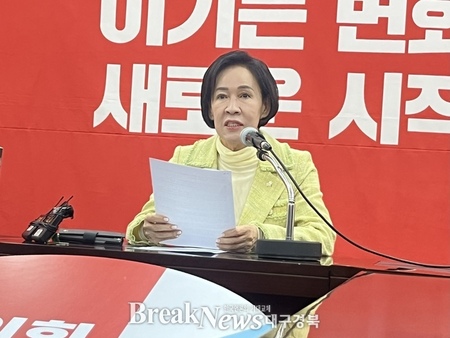
백승아 원내대변인은 EBS법 통과 후 서면 브리핑을 통해 “언론의 독립과 자유를 되찾기 위한 언론개혁의 역사적 첫걸음이다”며, “공영방송과 언론의 완전한 독립과 진정한 자유를 반드시 실현하고, 국민 품으로 돌려드리겠다”고 밝혔다.
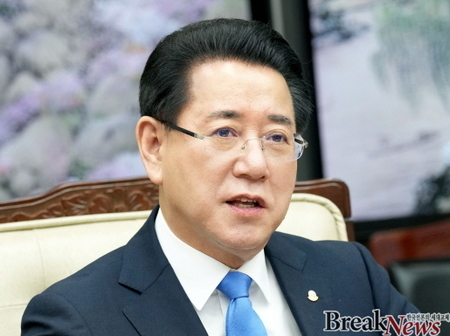
김병기 원내대표는 이날 국회에서 열린 최고위원회의에서 “이제 가짜 정보는 누구도 부정할 수 없는 민주주의와 사회의 안전을 위협하는 심각한 문제”라며 “언론개혁법을 확장한 가칭 가짜 정보 근절법을 정기국회에서 통과시키겠다”고 밝혔다. 김 원내대표는 “사실확인의 원칙을 제도적으로 확립시키겠다”며 가짜 정보 유포자에 대한 “징벌적 손해배상 도입을 적극 검토할 것”이라고 말했다.
민주당은 당 ‘국민주권 언론개혁 특별위원회’를 중심으로 언론중재법 개정안 등 다른 언론 관련 법안 추진에도 속도를 낼 것으로 전망된다. hpf21@naver.cm.
* 아래는 위 기사를 '구글 번역'으로 번역한 영문 기사의 [전문]입니다. '구글번역'은 이해도 높이기를 위해 노력하고 있습니다. 영문 번역에 오류가 있을 수 있음을 전제로 합니다. *The following is [the full text] of the English article translated by 'Google Translate'. 'Google Translate' is working hard to improve understanding. It is assumed that there may be errors in the English translation.
EBS Act Passes National Assembly Plenary Session… Finalizes Three Broadcasting Laws
A Historic First Step in Media Reform to Restore Press Independence and Freedom
Break News, Political Reporter Kim Chung-yeol = The amendment to the Educational Broadcasting System Act (EBS Act), the final of the "Three Broadcasting Laws," was passed by the Democratic Party of Korea at the plenary session of the National Assembly on the 22nd.
Following the passage of the Broadcasting Act and the Broadcast Culture Promotion Association Act, the EBS Act also passed today, concluding the "Three Broadcasting Laws," a key initiative of the Democratic Party.
The National Assembly passed the EBS Act amendment with 179 votes in favor and 1 against out of 180 members present. The Democratic Party of Korea and the Cho Kuk Innovation Party, among others, participated in the vote. Chun Ha-ram, floor leader of the New Reform Party, cast a dissenting vote. People Power Party lawmakers, protesting the Democratic Party's forced passage, refused to vote and left the plenary session.
The People Power Party had been conducting an unlimited debate (filibuster) since the previous day to block the passage of the EBS Act, but the filibuster was forcibly ended that morning under the leadership of the Democratic Party and the Innovation Party, and a vote on the bill was held.
The EBS Act, passed that day, increases the number of EBS board members from nine to 13 and diversifies the sources of director nominations. National Assembly negotiating groups, the Audience Committee, executives and staff, broadcasting and media-related academic societies, education-related organizations, the Minister of Education, and the Council of Metropolitan and Provincial Superintendents of Education can nominate directors.
The election of the EBS president must be approved by a three-fifths majority of the board within 14 days of the recommendation by the President Candidate Recommendation Committee. The President Candidate Recommendation Committee will consist of at least 100 members, taking into account gender, age, and region. The supplementary provisions stipulate that the board must be reconstituted within three months of the law's enforcement.
Following the passage of the EBS Act, floor spokesperson Baek Seung-ah stated in a written briefing, "This is a historic first step toward media reform to restore the independence and freedom of the press." She added, "We will definitely realize the complete independence and true freedom of public broadcasting and the press and return them to the people."
Floor leader Kim Byung-ki announced at a Supreme Council meeting held at the National Assembly that day, "Fake information is now a serious problem that threatens democracy and the safety of society, an undeniable problem." He added, "We will pass the so-called Fake Information Eradication Act, an expansion of the Media Reform Act, during the regular session of the National Assembly." Kim added, "We will institutionally establish the principle of fact-checking," and "We will actively consider introducing punitive damages" for those who spread false information.
The Democratic Party is expected to accelerate the advancement of other media-related bills, including the revision of the Press Arbitration Act, centered around the party's "Special Committee on People's Sovereignty and Media Reform." hpf21@naver.cm.