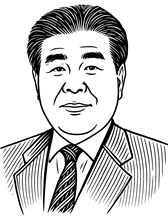
▲ 필자/김세형 언론인. ©김세형 페이스북 |
이재명 정부 3개월이 채 안 됐는데 한국이 일찍이 가보지 못한 길로 들어서고 있다. 그 길이 한국에게 더 좋은 미래를 약속할 것인가, 아니면 올해 1인당 GDP가 대만에게 추월당하면서 이제 추락의 시작이 될 것인가. 토머스 모어의 유토피아를 모르는 사람들은 없을 것이다. 모어가 1516년에 쓴 이 소설의 유토피아는 유(ou)=없다,와 토포스(topos)=장소의 그리스어(語)의 결합어다. 쉽게 말해 nowhere 쯤 되겠다.
오래전에 그 짧은 소설을 읽어봤는데 유토피아는 하나의 섬(island)으로 그안의 주민들은 모두 공동생활을 하며 아주 특별하게 머리가 뛰어난 인간들은 나라를 위한 고위공직자를 맡고 나머지 백성들은 편하게 일하며 살아간다. 하루 6시간 일하고 모든 생필품은 배급되며 일정 시간이 경과하면 누구나 농사일을 하여야 하며 도시의 집은 똑같이 생겨 강남 부촌도 변두리의 하꼬방도 없고, 일정시간이 지나면 자신의 집을 비우고 교대로 다른 집에 가서 거주해야 한다. 칼 마르크스 보다 300년쯤 전에 그려본 공산주의의 원전이라 하겠다.
미래는 언제나 현재와 다른 새로운 문명을 향해 나아간다. 어떤 때는 급하게 어떤 때는 천천히. 그런데 지금 AI시대를 헨리키신저가 제2의 구텐베르크 혁명이라 했듯 흐름이 매우 급박하다. AI의 가보지 않는 세상은 'AI에이전트'가 만드는 'AI전환'이다. 초지능(ASI ) 일반인공지능(AGI)사회가 3~5년내 도래하리라 한다. 미국과 중국이 선두경쟁을 벌이며 'AI군비경쟁'이라는 무서운 용어를 쓴다. 미국의 국제전략연구소(CSIS)는 "AI경쟁에서 패하면 미국은 중국AI의 노예가 될 것이며 "AIG의 영예를 최초로 확보하는 국가가 100년왕조의 시대를 열 것이다" 라고 전망했다. AI를 얼마나 잘하느냐에 따라 국가순위도 다시 매겨질 것이라 한다.
한편으론 인공지능이 인간의 일자리를 대체하면서 미국의 실리콘 밸리, 한국의 판교 벤처 밸리에서도 20대 채용이 눈에 띄게 줄어들고 하버드대학 컴퓨터공학과(CS) 졸업생 취업율이 사상 처음으로 50%이하로 떨어졌다는 뉴스도 떴다.
살아남는 게 AI시대의 첫 번째 덕목이다. 그래서 정부- 기업- 국민이 합심해서 총체적 국가대항으로 덤벼야 한다. 트럼프가 미국에 반도체 투자를 하면 보조금을 주겠다고 한 바이든 정부의 약속을 깨고 삼성전자의 주식 10%를 내 놓으라 공갈치는 현실을 보라.
이재명 정부도 경제성장을 이룰 길은 AI밖에 없고 그래서 AI3강목표 도전에 새정부의 사활을 걸었다는 목표는 제대로 세운 듯하다. 다른 국정목표에 비해 얼마나 진지하게 접근하느냐, 선거때 도와준 이념세력과 어느걸 먼저 챙기느냐의 문제다. 이재명은 미국과의 관세협상에서 "국력이 얼마나 중요한지 깨달았다"는 말을 하고 김민석 총리도 같은 말을 장관들 앞에서 후렴했다.
이재명 대통령은 수석회의에서 "저의 입지나 정권의 입지보다 영속적인 국가나 국민전체의 이익을 먼저 생각해야한다"는 고상한 말도 했다. 역사속의 처칠의 웅변을 듣는 줄 알았다. 일본 도시바 총리와 정상회담 이후 "박근혜 윤석열 정권도 국민이 뽑은 대표들이다. 그 당시 한일간 합의를 본 위안부, 강제징용해법도 존중하겠다"고 했다. 윤석열을 강제연행 하려고 팬티바람으로 나뒹굴게 할 때는 언제이고. 이재명 정부 취임 3개월 동안 한 일은 대통령실과 민주당이 가장 시급한 미래에의 대비라고 강행한 일일 터이다. 다른 말로 표현하면 이재명식 유토피아의 추구다. 가장 여러 차례 배려한 계층이 농민이다. 양곡관리법으로 쌀 수매를 높은 가격에 해주고 다른 농작물 재배도 지원하는 법을 통과시켰다. 그래도 부족한지 농민기본소득을 전 세계에서 가장 먼저 도입했다. 5년간 여기에 30조원을 배정한다는 뉴스가 엊그제 나왔다. 한미정상회담에서 쌀시장개방, 30개월령 이상 쇠고기 수입을 피하려 3500억 달러 투자약속으로 바가지를 썼다.
그다음이 노동자다. 노랑봉투법은 전 세계적으로 시행한 선례가 없다. 이재명 대통령은 이번에 함께 미국순방에 병풍처럼 수행해달라고 요청한 재벌총수들과 저녁을 하면서 노랑봉투법을 좀 지연해달라는 하소연에 "우리도 선진국 수준을 맞춰가야 한다"고 둘러댔다. 선진국이 노랑봉투법을 하고 있다고 들리기 딱 좋은데 확인해보면 사실이 아니다. 민노총이 선거에서 도운 후 제시한 청구권을 절대 외면하지 못하겠다는 고백을 하는 게 솔직할 것이다.
내년 지자체 선거, 2028년 총선, 그리고 다음 대선을 위한 포석에 노동자 농민을 가장 먼저 챙겼다. 방송3법, 언론개혁, 그리고 검찰개혁 사법부 개혁이 줄줄이 이재명의 유토피아 명부로 기다리고 있다. 상법은 1차로 이사진의 의무에 주주이익을 반영토록 한 법을 통과시켰고, 이어 집중투표제, 대주주의 감사선임 제한을 2명으로 늘리는 법통과가 예정돼 있다. 지역 화폐법 발행을 위해 정부예산을 의무적으로 배정한다는 법률도 세계 신기록 유토피아이다. 이는 영세 자영업자를 지원하는 취지다.
KBS사장을 100명을 동원해 뽑는 절차는 실제 그 일이 진행될 때 정체가 드러날 것이다. 대법관을 현행 15명에서 세계 최고수준인 30명으로 늘리면 한국의 사법체계는 완전히 바뀔 것이다. AI 3강으로 승부를 걸겠다면서 3개월간 해놓은 일은 뭐가 있나? 소버린AI 키운다며 지원자들 원서내라 하여 5곳을 고른 일 말고는 없었다. 미일순방전날 대통령주재회의에서 AI로 뛰겠다며 100조원 투자등 슬로건만 앵무새처럼 재탕한 정도다. AI시대는 돈, 인재, 에너지가 중요한대 아직까지 원전을 수출산업으로 키우겠다는 한마디 말도 없었다. 죄파이념세력은 죽자 살자 신재생뿐이다. RE100같은 것이다. 트럼프는 태양광 풍력은 사기꾼들이라며 한 푼도 지원 않겠단 명령을 엊그제 내렸다.
자유시장경제는 경쟁과 효율을 통해 세계경쟁에서 살아남는 시스템이다. 여기엔 승자와 패자가 갈리기 마련이다. AI시대 마이크로소프트는 메타에서 최고 인재를 빼오기 위해 140억원을 제시한바 있으며 메타의 저커버거는 오픈AI 연구진을 스카우트 하는데 1억 달러를 제안하기도 했다. 그러면서도 이들 기업은 한편으로는 내부 잉여인력 수 천 명을 자르는 비정한 세상이다.
사회적 약자는 복지정책으로 포용하는 시스템을 선진국들은 다 운용하고 있다. 한국도 물론 기초연금, 실업수당 등을 통해 그렇게 한다. 그런데 이재명 정부의 모토는 모두가 잘사는 균형성장이다. 아예 처음부터 실패자가 없는 자본주의를 구현하겠다는 유토피아다. AI3강도 하고, 노동자 농민도 떵떵거리고 살게 하고 모든 걸 완벽하게 하겠다는 욕심에 찬 목표다. 국가부채가 이미 목에 찼는데 재정으로 뒷받침 할 여력이 있을까.
이재명식 유토피아 추구의 승패를 가르는 가장 중요한 일은 그것이 AI의 속도를 빠르게 하느냐 늦추느냐 일 것이다. 당신의 생각은 뭔가? 전 세계는 AI유토피아를 향해 달려가는데 이재명식 유토피아가 그 속도를 지연시킨다면 그 충돌의 운명은 뻔하다. 대통령의 한 참모는 "노랑봉투법을 시행해보고 외국기업이 떠나간다면 그때 다시 법을 고치면 될 것 아니냐"고 했다. 멍청한 말이다. 이미 경쟁에 낙오해버린 한국에 왜 기업이 돌아오나.
*필자/김세형 언론인.
*아래는 위 기사를 '구글 번역'으로 번역한 영문 기사의 [전문]입니다. '구글번역'은 이해도 높이기를 위해 노력하고 있습니다. 영문 번역에 오류가 있을 수 있음을 전제로 합니다.<*The following is [the full text] of the English article translated by 'Google Translate'. 'Google Translate' is working hard to improve understanding. It is assumed that there may be errors in the English translation.>
The World's Running for AI Utopia and Lee Jae-myung's Utopia
"The whole world is racing toward AI utopia, but Lee Jae-myung's utopia is slowing things down..." - Journalist Kim Se-hyung
Lee Jae-myung's administration has barely been in power for three months, and yet Korea is embarking on an unprecedented path. Will this path promise a brighter future for Korea, or will it mark the beginning of its downfall as Taiwan overtakes Korea in per capita GDP this year? Everyone is familiar with Thomas More's Utopia. Written by More in 1516, the word "utopia" is a combination of the Greek words "ou" (nothing) and "topos" (place). Simply put, it's nowhere.
I read that short story a long time ago. Utopia is an island where all its inhabitants live communally. The exceptionally bright individuals assume high-ranking positions in government, while the rest of the population works and lives comfortably. We work six hours a day, all necessities are rationed, and after a certain period, everyone must work in the fields. Houses in the city are identical, with no Gangnam affluent neighborhoods or outlying shantytowns. After a certain period, people must vacate their homes and move into other houses on a rotating basis. This is the original version of communism, envisioned about 300 years before Karl Marx.
The future always moves toward a new civilization, different from the present. Sometimes rapidly, sometimes slowly. However, as Henry Kissinger called the current AI era a second Gutenberg revolution, the pace is extremely rapid. The world AI has yet to explore is the "AI transition" created by "AI agents." It is predicted that a society of artificial superintelligence (ASI) and artificial general intelligence (AGI) will arrive within three to five years. The United States and China are competing for the lead, using the frightening term "AI arms race." The Center for Strategic and International Studies (CSIS) in the United States predicted that if the United States loses the AI race, it will become a slave to Chinese AI, and that "the first country to secure the honor of AIG will usher in an era of a 100-year dynasty." It also predicted that national rankings will be re-evaluated based on how well AI performs.
Meanwhile, as AI replaces human jobs, employment of people in their 20s has noticeably declined in Silicon Valley in the United States and Venture Valley in Pangyo, South Korea, and the employment rate of Harvard University computer science (CS) graduates has fallen below 50% for the first time ever.
Survival is the first virtue in the AI era. Therefore, the government, businesses, and the public must unite and engage in a comprehensive national competition. Consider the reality of Trump breaking the Biden administration's promise of subsidies for semiconductor investments in the United States and instead threatening Samsung Electronics with a 10% stake.
The Lee Jae-myung administration also set a clear goal: AI is the only way to achieve economic growth, and thus, it has staked its life on achieving the AI "Three Powers" goal. It seems so. It's a question of how seriously they approach other national goals, and which ideological faction they prioritize over the one that helped them during the election. Lee Jae-myung said during tariff negotiations with the United States, "I realized the importance of national power," and Prime Minister Kim Min-seok echoed the same sentiment in front of his ministers.
President Lee Jae-myung also made a noble remark during a senior-level meeting, saying, "We must prioritize the enduring interests of the nation and the entire people over our own standing or that of the administration." I felt like I was listening to the eloquence of Churchill. After his summit with Japanese Prime Minister Toshiba, he said, "The Park Geun-hye and Yoon Seok-yeol administrations are also representatives elected by the people." He said, "We will also respect the comfort women and forced labor laws agreed upon between Korea and Japan at that time." When will they make Yoon Seok-yeol roll around in his underwear in an attempt to forcibly detain him?
The Lee Jae-myung administration's actions during its first three months in office were likely driven by the Blue House and the Democratic Party, claiming they were preparing for the most urgent future. In other words, they are pursuing a Lee Jae-myung-style utopia. The group that has been most repeatedly taken care of is farmers. They passed the Grain Management Act, which provides high prices for rice purchases and supports the cultivation of other crops. As if that wasn't enough, they became the first in the world to introduce a basic income for farmers. Just yesterday, news broke that 30 trillion won would be allocated to this over five years. At the South Korea-US summit, they swindled the government by promising $350 billion in investment to open the rice market and avoid imports of beef from cattle over 30 months of age.
Next are the workers. The Yellow Envelope Act has no precedent worldwide. President Lee Jae-myung asked the chaebol heads to accompany him on his recent US visit, acting as a backdrop. Over dinner, he responded to a plea for a delay in the Yellow Envelope Act by saying, "We need to keep up with the standards of advanced countries." It's tempting to assume that advanced countries are implementing the Yellow Envelope Act, but upon verification, this is simply not true. It would be more honest to admit that he absolutely cannot ignore the claims the Korean Confederation of Trade Unions (KCTU) presented after helping them win the election.
He prioritized workers and farmers over the local elections next year, the 2028 general election, and the next presidential election. The three broadcasting laws, media reform, and prosecution and judicial reform are all on Lee Jae-myung's list of utopian ideals. The Commercial Act passed a bill requiring shareholder interests to be reflected in the duties of boards of directors, and legislation is scheduled to pass a cumulative voting system and an increase in the limit on the appointment of auditors by major shareholders to two. Another law mandating government budget allocation for the issuance of local currency bills is a world-record utopian ideal. This is intended to support small business owners.
The process of mobilizing 100 people to select the KBS president is actually a real event. The truth will be revealed as the process unfolds. Increasing the Supreme Court justices from the current 15 to a world-class 30 will completely transform Korea's judicial system. What have they accomplished in the past three months, when they promised to compete with the three leading AI powers? All they did was call applicants for Sovereign AI and select five. At a meeting chaired by the president the day before his US-Japan tour, they parroted slogans like investing 100 trillion won in AI and promising to make a leap forward. The AI era demands money, talent, and energy, yet there hasn't been a single word yet about developing nuclear power as an export industry. The Sin-Pai ideologues are all about renewable energy, whether they live or die. It's like RE100. Trump just issued an order not to support solar and wind power, calling them fraudulent.
A free market economy is a system that thrives on competition and efficiency to survive in global competition. In this world, there are bound to be winners and losers. In the AI era, Microsoft offered 14 billion won to lure top talent from Meta. Meta's Mark Zuckerberg even offered $100 million to recruit OpenAI researchers. Yet, these companies are also cutting thousands of their own redundant employees, a cruel reality.
Developed countries all operate systems that embrace the socially disadvantaged through welfare policies. Korea, of course, does the same through basic pensions and unemployment benefits. However, the Lee Jae-myung administration's motto is balanced growth, a utopia where everyone prospers. It's a utopia that aims to create a capitalism without losers from the ground up. It's an ambitious goal: to become the three powers of AI, to ensure that workers and farmers live comfortably, and to achieve perfection in everything. With the national debt already surging, will there be the fiscal capacity to support this?
The most crucial factor determining the success or failure of Lee Jae-myung's pursuit of utopia will be whether it accelerates or slows down the pace of AI. What are your thoughts? The world is racing toward an AI utopia, and if Lee Jae-myung's utopia slows it down, the fate of conflict is clear. One presidential aide said, "Let's implement the Yellow Envelope Act and see if foreign companies can do it." "If they leave, wouldn't it be better to just change the law then?" he said. What a foolish statement. Why would companies return to Korea, a country already falling behind in competition?
*Author: Kim Se-hyung, Journalist