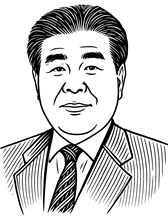
▲ 정길선 박사 ©브레이크뉴스 |
미국은 구축함 3척과 약 4,000명의 해병대원을 태운 상륙전대 1척을 베네수엘라에 면한 카리브해에 파견했다. 미국은 베네수엘라 내 마약 카르텔을 소탕하기 위한 것이라고 밝혔다. 미국은 베네수엘라의 니콜라스 마두로 정부를 ‘마약 테러 조직’이라고 묘사했으며 마두로에 대한 현상금이 5,000만 달러로 인상되었다. 한 나라의 수장은 마약 카르텔 두목이자 정부를 마약 테러 조직이라 규정한 것은 해당 국가에 대한 최악의 모욕이다. 사실 미국이 노리는 것은 마약 범죄 조직의 소탕이 아니다. 결국 미국이 노리는 것은 베네수엘라의 막대한 자원인 석유다. 그 동안 미국이 가장 석유를 많이 수입하는 나라가 바로 베네수엘라였다. 하지만 셰일 석유 기술 발전으로 인해 베네수엘라는 2016년 초부터 미국에서 수출용 석유 생산을 위한 경질유를 수입하게 되었다. 베네수엘라 석유에는 황산 물질이 많아 카리브 해 유전의 석유와 섞어 팔기 때문에 이중 가공을 해야 했기 때문이다.
미국은 베네수엘라에 끊임없는 제재를 가하며 압박해왔다. 버락 오바마 때부터 미국은 베네수엘라에게 미국을 포함한 국외 베네수엘라군과 정보기관의 고위 관리들의 자산 동결과 미국 비자 제한 등 제재를 가했다. 당연히 이는 베네수엘라 경제에 타격을 주었다. 이에 베네수엘라 정부는 반발하여 자국에 주재하는 미국 외교관 100명 중 17명만 남고 모두 추방했다. 그리고 미국 관광객의 비자 면제 혜택을 박탈했다. 그러자 미국은 추가 제재를 가해 베네수엘라 경제에 큰 타격을 주었다. 베네수엘라는 중남미의 국가들과 함께 제제를 해제하라고 요구했으나, 미국은 베네수엘라에 대해 더욱 압력을 가하며 반미노선을 버리라 요구했다. 그리고 미국은 트럼프 정부가 들어섰을 때 테러 지원혐의로 베네수엘라 부통령 타렉 엘 아이사미(Tareck El Aissami)를 제재대상에 올려 추가로 제재했다. 이후 미국 정부는 베네수엘라에 대한 제재를 강화하겠다고 밝혔고 베네수엘라산 석유를 수입하는 기업이나 구매자에 대해서도 제재를 한다고 밝혔다.
2022년 러시아-우크라이나 전쟁이 발생하자 미국이 대러 제재를 실시하면서 베네수엘라에 대해 제재를 완화했다. 미국도 베네수엘라 석유가 제 아무리 황산 물질이 많더라도, 미국 내 정유 회사들의 가공 능력이 있기에 이중 가공일지라도 필요했기 때문이다. 이후 2024년 베네수엘라 대통령 부정선거에 대한 의혹으로 미국은 베네수엘라 정부 관리 60명에 대한 처벌적 제재 목록을 작성했다. 여기에는 여행 금지 및 선거 결과 조작 혐의에 대한 사업 금지가 포함하고 있었다. 당시 마두로 대통령은 민주적으로 선출되었으나, 서방 세계에서 그의 정권은 베네수엘라 내 깊은 경제 침체와 민주주의 관행의 점진적 퇴보로 적법성을 잃은 것으로 평가하고 있었다. 그러나 마두로는 헌법을 새로 쓰는 계획을 수정할 의사가 전혀 없으며, 미국의 제재를 제국주의적은 행보라고 맹비난했다. 이에 베네수엘라 일반 시민들은 국내 문제에 대해 미국의 개입에 반대하고 있는 실정이다. 베네수엘라의 국내 여론 조사에 따르면, 베네수엘라인들의 78%는 미국의 제재에 반대하는 것으로 나타났다.
베네수엘라인들 다수는 미국의 제재, 특히 경제적인 제재가 현 상황을 악화시켜 자신들의 삶에도 악영향을 끼칠 것이라는 것을 인지하고 있다. 이에 대해 일부 민간 기업들 또한 미국의 계속되는 제재에 대해 크게 우려하고 있는 실정이다. 이는 이미 경제 상황이 상당히 악화되었으며, 베네수엘라는 지난 4년 동안 GDP의 30%가 감소하는 심각한 경기 침체를 경험하였기 때문이다. 미국이 그 동안 러시아와 이란에 에너지 관련된 제재를 해왔던 것과는 다르게 미국의 기업 및 소비자와 베네수엘라의 석유 사업 간에 매우 긴밀한 연결고리가 존재하고 있다. 미국 정부는 오바마 정권 이전까지만 해도 베네수엘라에 대한 제재에 매우 신중한 태도를 취했었다. 이는 베네수엘라의 석유 산업이 북아메리카 에너지 체계를 두고 매우 복잡하고 긴밀하게 연결되어 있는 실정이기 때문이다. 그렇기 때문에 베네수엘라가 보유한 미국의 CITGO 회사를 비롯하여 미국의 정유 회사들 상당수가 베네수엘라에 크게 의존하고 있는 상황에 있었다. 베네수엘라는 매일 210만 배럴의 석유를 생산하고 있으며, 베네수엘라의 오리노코(Orinico) 중유는 미국의 연안의 정유 단지에 상당량 공급되고 있기도 했다.
베네수엘라는 오바마 이전과는 달리 여전히 미국의 세 번째 석유 수출국이기도 했다. 베네수엘라가 미국에 매일 75만 배럴을 수출하고 있는 상황에서 미국이 베네수엘라의 원유 수입을 중단한다면, 미국 내 상업용 가솔린 및 기타 석유 제품의 유통에 문제가 발생할 것으로 보았다. 그러나 미국은 국내 내부의 석유에 대한 셰일화를 더욱 가속화시키며 내수화에 나서 베네수엘라의 석유를 대체할 것이고, 미국이 베네수엘라 석유 수입을 중단하게 된다면, 베네수엘라는 매우 큰 경제적인 타격을 입게 된다. 다만 북아메리카는 베네수엘라의 실질적인 석유 판매에서 절반을 차지하며, 단기적으로 북아메리카를 대체할 구입처를 찾기 어려울 것으로 보았다. 외부에서 재정을 조달할 계획이 없다면, 베네수엘라는 수입을 크게 줄여야 하는 위기에 놓일 수밖에 없다. 생산 활동과 투자 유치를 위한 활동에 필요한 부품 판매를 제한하는 제재를 하게 된다면 베네수엘라의 제품 생산에 직접적인 영향을 끼칠 것은 불보듯 뻔하다. 게다가 유정 개발과 석유와 가스를 생산하는 기업의 본사는 모두 미국에 있다.
더욱이, 현재 석유 생산 투자 환경과 더불어 베네수엘라의 불안한 정치적인 리스크가 증대함으로 인해, 유정 개발 프로젝트에 대한 투자는 줄어들 것이고 프로젝트의 진행이 지연되면 베네수엘라는 국가적 생존 위기에 빠지게 된다. 트럼프는 2025년 2월 26일 자신의 소셜미디어 플랫폼인 트루스 소셜(Truth Social)을 통해 미국 석유기업 셰브론(Chevron)이 베네수엘라 석유를 채굴하고 미국으로 수출할 수 있도록 허가한 라이선스를 종료한다고 발표하면서 더욱 압박을 가했다. 트럼프의 이같은 결정의 배경으로 니콜라스 마두로(Nicolás Maduro) 대통령이 2024년 7월 불법 선거를 자행하였으며, 미국에서 추방 대상이 된 베네수엘라 이민자들을 본국으로 송환하지 않았다는 이유를 제시했지만 모두 표면적인 이유일 뿐, 속셈은 따로 있을 것이다. 트럼프의 셰브론 라이선스 종료 결정에 대해 델시 로드리게스(Delcy Rodriguez) 베네수엘라 부통령은 미국 정부가 미국 기업 셰브론에 대한 제재를 발표함으로써 베네수엘라에 유해하고 납득할 수 없는 결정을 내렸다고 언급하며 이러한 결정들은 자국민들의 이민을 촉진하고 있다며 비판했다.
베네수엘라 정부는 미국의 제재가 불법적이며 베네수엘라를 약화시키기 위한 ‘경제 전쟁’에 해당한다고 주장하고 있다. 트럼프는 2024년 대선의 진정한 승자로 에드문도 곤살레스(Edmundo González) 전 베네수엘라 외교관을 지목했다. 그리고 마두로를 베네수엘라 대통령으로 인정하지 않고 있다. 마리아 코리나 마차도(Maria Corina Machado) 베네수엘라의 야권 지도자는 트럼프 대통령의 아들인 도널드 트럼프 주니어(Donald Trump Jr)와의 팟캐스트 인터뷰에서 마두로가 라이선스 자금을 억압, 박해, 부패에 사용했다고 비난했으며, 이번 결정이 매우 중대한 조치이며, 마두로에게 명확하고 단호한 메시지를 보냈다고 평가했다. 결국 트럼프는 마약 소굴을 소탕한다는 명목으로 해군을 파견해 베네수엘라를 압박하고 있으며 트럼프가 결국 원하는 것은 마두로의 정권 교체보다는 베네수엘라의 석유를 둘러싼 협상으로 보고 있다.
*필자/ 정길선.
노바토포스 회원, 역사학자, 고고인류학자, 칼럼니스트, 러시아 과학아카데미 유라시아 고고인류학연구소 연구교수.
*아래는 위 기사를 '구글 번역'으로 번역한 영문 기사의 [전문]입니다. '구글번역'은 이해도 높이기를 위해 노력하고 있습니다. 영문 번역에 오류가 있을 수 있음을 전제로 합니다.<*The following is [the full text] of the English article translated by 'Google Translate'. 'Google Translate' is working hard to improve understanding. It is assumed that there may be errors in the English translation.>
Venezuela-US Relations Crisis Again
Jeong Gil-seon, Columnist
The United States has dispatched three destroyers and an amphibious assault ship carrying approximately 4,000 Marines to the Caribbean Sea bordering Venezuela. The US has stated that this is to crack down on drug cartels in Venezuela. The US has described the government of Nicolás Maduro in Venezuela as a "narco-terrorist organization," and the bounty on Maduro's head has been raised to $50 million. To label a country's leader a drug cartel leader and its government a narco-terrorist organization is the ultimate insult to that country. In reality, the US is not targeting drug cartels. Ultimately, it is targeting Venezuela's vast oil resources. Venezuela has been the largest oil importer to the US. However, due to advancements in shale oil technology, Venezuela began importing light crude oil from the United States in early 2016 to produce oil for export. This was because Venezuelan oil, which is high in sulfur dioxide and mixed with oil from Caribbean oil fields, required double processing.
The United States has consistently imposed sanctions and pressure on Venezuela. Since the Barack Obama administration, the United States has imposed sanctions on Venezuela, including asset freezes on high-ranking officials of the Venezuelan military and intelligence agencies abroad, as well as restrictions on US visas. Naturally, these sanctions have had a devastating impact on the Venezuelan economy. The Venezuelan government reacted by expelling all but 17 of the 100 US diplomats stationed in the country. It also revoked visa waivers for American tourists. The US then imposed additional sanctions, severely damaging the Venezuelan economy. Venezuela, along with other Latin American countries, demanded the lifting of sanctions, but the US intensified its pressure, demanding Venezuela abandon its anti-American stance. When the Trump administration took office, the United States imposed additional sanctions on Venezuelan Vice President Tareck El Aissami, accusing him of supporting terrorism. The US government subsequently announced that it would strengthen sanctions against Venezuela and would also impose sanctions on companies and buyers importing Venezuelan oil.
In 2022, following the outbreak of the Russia-Ukraine War, the US eased sanctions on Venezuela while imposing sanctions against Russia. The US also considered Venezuelan oil, despite its high sulfur content, necessary for double processing, given the processing capabilities of US refineries. Later, in 2024, amid allegations of fraud in the Venezuelan presidential election, the US created a list of punitive sanctions against 60 Venezuelan government officials. This list included travel bans and business bans for alleged election manipulation. At the time, President Maduro was democratically elected, but the West viewed his regime as having lost legitimacy due to Venezuela's deep economic downturn and the gradual deterioration of democratic practices. However, Maduro showed no intention of revising his plans to rewrite the constitution and fiercely condemned US sanctions as imperialist. Consequently, ordinary Venezuelans oppose US intervention in their domestic affairs. According to a domestic opinion poll, 78% of Venezuelans oppose US sanctions.
Many Venezuelans recognize that US sanctions, especially economic sanctions, will worsen the situation and negatively impact their livelihoods. Some private businesses are also deeply concerned about the continued US sanctions. This is because the economic situation has already deteriorated significantly, and Venezuela has experienced a severe recession, with a 30% GDP decline over the past four years. Unlike the US's previous energy-related sanctions on Russia and Iran, there are very close links between US businesses and consumers and Venezuela's oil industry. Until the Obama administration, the US government was cautious about sanctioning Venezuela. This was due to the complex and intimate connections between Venezuela's oil industry and the North American energy system. Consequently, many US refineries, including Venezuela-owned CITGO, were heavily dependent on Venezuela. Venezuela produces 2.1 million barrels of oil daily, and a significant portion of its Orinoco heavy crude supplies US coastal refineries.
Unlike before Obama, Venezuela remained the third-largest oil exporter to the US. With Venezuela exporting 750,000 barrels of crude oil to the United States daily, a US halt to Venezuelan crude oil imports would disrupt the distribution of commercial gasoline and other petroleum products within the US. However, the US will accelerate domestic shale production and domestically source its own oil, replacing Venezuelan oil. A US halt to Venezuelan oil imports would inflict significant economic damage on Venezuela. However, North America accounts for half of Venezuela's actual oil sales, and finding a replacement buyer in the short term would be difficult. Without a plan to secure external financing, Venezuela would inevitably face the risk of drastically reducing imports. Sanctions restricting the sale of components necessary for production and investment attraction would undoubtedly have a direct impact on Venezuelan product production. Furthermore, the headquarters of companies involved in oil well development and oil and gas production are all located in the US.
Moreover, due to the current investment environment for oil production and the increasing political instability in Venezuela, investment in oil development projects will decrease, and if the project progress is delayed, Venezuela will face a national crisis. Trump further pressured the government on February 26, 2025, by announcing on his social media platform, Truth Social, that he would terminate the license granted to the American oil company Chevron to extract and export Venezuelan oil to the United States. Trump cited President Nicolás Maduro's alleged illegal election in July 2024 and his failure to repatriate Venezuelan immigrants facing deportation from the United States as reasons for this decision, but these are merely superficial reasons, and there is likely another ulterior motive. Venezuelan Vice President Delcy Rodriguez criticized Trump's decision to terminate Chevron's license, stating that the US government's decision to impose sanctions on the US company Chevron was harmful and unacceptable to Venezuela, and that these decisions were encouraging emigration of Venezuelans.
The Venezuelan government maintains that the US sanctions are illegal and constitute "economic war" aimed at weakening Venezuela. Trump has identified former Venezuelan diplomat Edmundo González as the true winner of the 2024 presidential election and refuses to recognize Maduro as Venezuelan president. In a podcast interview with Donald Trump Jr., the son of President Trump, Venezuelan opposition leader Maria Corina Machado accused Maduro of using the license funds for oppression, persecution, and corruption. She called the decision a "very significant" measure and sent a clear and unequivocal message to Maduro. Ultimately, Trump is pressuring Venezuela by deploying the Navy under the guise of cracking down on drug dens, and what he ultimately wants is a deal over Venezuelan oil, not a change of government under Maduro.