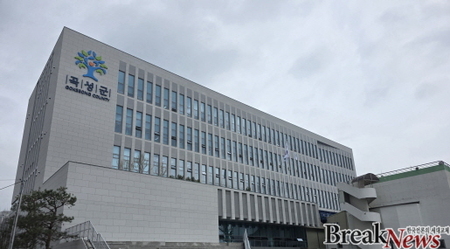
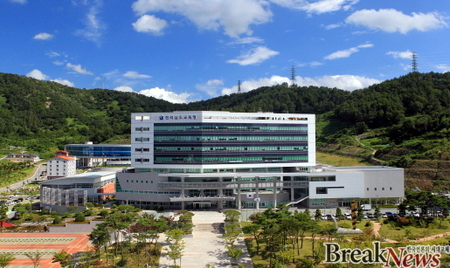
▲ 국민건강보험 대전세종충청본부 [사진=김환일 기자] © 김환일 기자 |
정부가 국민건강보험 특사경 도입을 2027년으로 확정한 가운데 건보 당국의 허술한 관리가 도마 위에 올랐다.
건강보험 재정 누수를 막겠다며 2014년부터 단속에 나섰지만 대부분 제보에만 의존하고 있기 때문인데.
국민건강보험이 '신고 의존형 기관'으로 전락했다는 비판이 나오고 있다.
'브레이크 뉴스' 취재를 종합하면
지난 2020년 개원한 세종시 대평동에 있는 S 한방병원.
이 병원을 실제 운영하는 사람은 한의사가 아닌 J씨였다.
사실상 J씨는 병원 수익을 독점하며 운영을 좌지우지 해오다 수사 의뢰 결과 사무장 병원으로 밝혀졌다.
K 한방병원도 마찬가지였습니다. 대리 처방 받은 약을 여러 환자들에게 나눠 주는가 하면 입원한 것처럼 서류를 꾸며 건강보험공단으로부터 요양급여비를 타내기도 했다.
하지만 이들 병원을 불법의료기관으로 밝혀낼 수 있었던 것은 주변의 신고로 가능했다.
70여 차례 부당 청구한 사실을 찾아낸 것도 제보에 의한 것이었다.
지난 2021년 B 한방병원은 갑상선 결절, 고주파 열절제술 등 동일 병명을 적용해 4억원의 요양급여비를 타냈지만 보험공단은 이를 걸러내지 못했다. 지급과정에서 구멍이 뚫린 것이다.
자체 적발보다는 신고와 제보에만 의존하고 하다보니 불법개설기관은 10년이 넘도록 근절되지 않고 있다.
상황이 이런대도 건보공단은 수사 권한이 있는 특사경 도입만 주장한다.
대전세종충청본부관계자는 "단속 인력에 한계가 있다"면서 "신고에 의한 제보없이는 모든 병원을 조사할 수 없다"고 말했다.
이를 두고 의료계 안팎에선 부정적인 반응이 나왔다.
대전지역 한의사인 병원장 A씨는 "보험공단이 정부의 수사 권한까지 넘겨받으면 의료기관을 압박하기 위한 방편으로 악용할 가능성이 크다"고 우려했다.
또 다른 병원장 B씨도 "보험공단에 수사권이라는 완장을 채워준다고 사무장 병원이 근절되는 것은 아니다"라며 "특사경 도입은 과도한 권한 부여이고 시기상조"라고 강조했다.
사실 주변에선 보험공단의 특사경 도입 추진을 놓고 재정 누수 방지에 얼마나 효과적인지에 대한 의문은 제기돼 왔다
건보가 특사경 도입을 최우선 과제로 두고 행정적 기반 다지고 있다고 밝혔지만 보험료 새는 것을 막기 위한 제도적 장치로 작동할지는 알 수 없다.
직원에 대한 역량 강화는 얼마나 이루어졌는지도 의문이다.
다만 최근 국민건강보험공단이 요양급여비용 환수처분소송에서 법원에 연달아 제동이 걸린 것은 특정업무에 대한 전문성 부족, 미숙한 업무 대응과 무관하지 않다는 지적은 새겨두어야 할 부분이다.
2018년부터 2023년 6월까지 불법의료기관 596곳에 지급한 요양급여비 7천억원 .
건보 당국의 부실한 단속으로 불법의료기관 과잉진료와 허위청구는 지금도 이어지고 있다.
*아래는 위 기사를 '구글 번역'으로 번역한 영문 기사의 [전문]입니다. '구글번역'은 이해도를 높이기를 위해 노력하고 있습니다. 영문 번역에 오류가 있을 수 있음을 전제로 합니다.<*The following is [the full text] of the English article translated by 'Google Translate'. 'Google Translate' is working hard to improve understanding. It is assumed that there may be errors in the English translation.>
[Medical Community: Introducing National Health Insurance Special Investigation Officers Premature... "Questions Are Raised About Whether They Will Function Properly"]
As the government finalized the introduction of the National Health Insurance Special Investigation Officer (NHIS) system in 2027, the lax management of the NHI authorities has come under scrutiny.
While crackdowns began in 2014 to prevent financial leaks in the NHI, they have largely relied solely on reports. Criticism has emerged that the NHI has become a "reporting-dependent institution."
According to Break News,
S Oriental Medicine Hospital in Daepyeong-dong, Sejong City, opened in 2020.
The actual operator of this hospital was not a Korean medicine doctor, but Mr. J.
In effect, Mr. J monopolized the hospital's profits and controlled its operations. An investigation revealed that the hospital was run by a secretive doctor.
K Oriental Medicine Hospital was no exception. They dispensed prescriptions to multiple patients and even fabricated hospitalization documents to receive medical benefits from the National Health Insurance Service.
However, these hospitals were exposed as illegal medical institutions only through reports from those around them.
The discovery of over 70 instances of fraudulent claims was also made through reports.
In 2021, B Oriental Medicine Hospital claimed 400 million won in medical benefits using the same diagnosis, such as thyroid nodules and radiofrequency ablation, but the National Health Insurance Service failed to detect this.
A loophole was discovered in the payment process.
This reliance on reports and tips, rather than internal detection, has led to the erosion of illegal institutions for over a decade.
Despite this situation, the National Health Insurance Service (NHIS) insists on introducing special investigators with investigative authority.
An official from the Daejeon-Sejong-Chungcheong headquarters stated, "Our enforcement resources are limited," adding, "We cannot investigate every hospital without reports."
This has drawn negative responses from both inside and outside the medical community.
Hospital Director A, a practicing Oriental medicine doctor in Daejeon, expressed concern, saying, "If the NHIS takes over the government's investigative authority, it is highly likely they will abuse it as a means to pressure medical institutions."
Another hospital director, Mr. L, also emphasized, "Giving the NHIS the armband of investigative authority won't eradicate hospitals run by private investigators. The introduction of special investigators is an excessive grant of authority and is premature."
Indeed, questions have been raised regarding the effectiveness of the NHIS's push to introduce special investigators in preventing financial leakage.
While the NHIS has stated that it is prioritizing the introduction of special investigators and strengthening the administrative foundation, it remains unclear whether it will function as an institutional mechanism to prevent insurance premium leakage.
Questions also remain about the extent to which staff capacity has been strengthened.
However, it is important to note that the recent string of court challenges to the NHIS's lawsuits seeking reimbursement of medical expenses is likely due to a lack of expertise and inadequate handling of specific tasks.
From 2018 to June 2023, 700 billion won in medical expenses were paid to 596 illegal medical institutions.
Due to poor management by the health insurance authorities, excessive treatment and false claims by illegal medical institutions continue to this day.
원본 기사 보기:브레이크뉴스대전세종충청