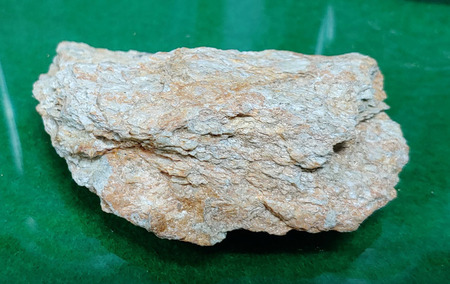
▲ 글로벌응용소재화학기업 KCC가 친환경 건설을 실현하는 효성중공업 건설PU와 손잡고 콘크리트 건축물의 탄산화를 억제해 내구성을 높일 수 있는 융복합 기술을 공동 개발했으며, 학회 인증을 획득했다. |
콘크리트 건축물의 ‘수명’을 늘리는 기술은 단순한 건설 기술을 넘어, 자산 가치와 안전, 나아가 지속가능성까지 직결된다. 글로벌 응용소재화학기업 KCC와 효성중공업 건설PU가 손잡고 건축물의 내구성을 결정짓는 콘크리트 탄산화 억제 기술을 공동 개발하며 업계의 이목을 끌고 있다. 이번 성과는 단순한 소재 개선을 넘어 “도료와 콘크리트의 융복합”이라는 새로운 해법을 제시했다는 점에서 의미가 크다.
콘크리트 탄산화, 건축물의 ‘보이지 않는 적’
콘크리트는 처음에는 pH 12~13의 강알칼리성을 유지해 내부 철근을 부식으로부터 보호한다. 하지만 시간이 지나면서 콘크리트 속 수산화칼슘이 대기 중 이산화탄소와 반응해 탄산칼슘으로 변하면 pH가 떨어지고, 이 과정에서 철근이 녹슬기 시작한다. 이를 ‘콘크리트 탄산화’라고 부른다.
탄산화는 구조물의 수명을 단축시키는 대표적인 원인이며, 방치할 경우 건축물 안전성 저하와 유지관리 비용 폭증으로 이어진다. 따라서 이를 억제할 수 있는 기술은 장수명 건축을 위한 필수 조건으로 꼽힌다.
효성중공업 건설PU와 KCC는 공동 연구를 통해 두 가지 핵심 요소를 결합했다.
첫째, 효성중공업이 개발한 균열저감제와 알칼리 강화 혼합제로 고성능 콘크리트를 구현해 수축·팽창을 줄이고 탄산화 저항 성능을 높였다. 둘째, 여기에 KCC가 개발한 고기능성 도료 ‘효성 숲으로 쉴드’를 적용해 외부 수분과 이산화탄소 유입을 차단하고, 미세균열까지 보완하는 복합 방어막을 형성했다.
특히 ‘효성 숲으로 쉴드’는 실란 변성 아크릴 에멀젼 수지를 적용한 수성 페인트로, 기존 아크릴계 도료 대비 내구성과 내후성이 월등하다. 얇지만 강력한 도막이 콘크리트 외벽에 형성돼, 미세한 균열을 덮고 철근 부식 및 구조물 손상을 효과적으로 억제한다.
학회 인증으로 검증된 성능, 안전성도 확보
이번 융복합 기술은 단순한 실험 단계가 아니라, 한국콘크리트학회로부터 성능 인증을 획득하며 공신력을 확보했다. 또한 ‘효성 숲으로 쉴드’는 불연 자재 인증까지 받으며 화재 안전성도 검증됐고, KS M 6010 1종 1급의 최고 품질 기준과 KS F 4936 내후성 시험까지 충족했다.
이는 단순히 “좋은 도료”의 수준을 넘어, 고층 아파트·업무시설 등 장기간 외부 환경에 노출되는 구조물에도 안정적으로 적용 가능한 산업 표준으로 자리매김했음을 의미한다.
이번 기술은 효성중공업 건설PU의 주택 브랜드 ‘해링턴플레이스’ 품질 확보에 직접적으로 활용될 전망이다. 건축물의 내구성과 수명 연장은 입주자 안전은 물론, 자산 가치와 브랜드 경쟁력을 높이는 요소다. 동시에, 장기적인 유지보수 비용 절감과 탄소저감 효과까지 기대돼 ESG 경영 강화 차원에서도 의미가 크다.
KCC 관계자는 “콘크리트 구조물의 수명 연장과 내구성 확보는 장수명 건축을 위한 핵심 과제”라며, “앞으로도 고기능성 도료 기술을 발전시켜 고객 가치와 사회적 책임을 함께 실현해 나가겠다”고 밝혔다.
도료와 콘크리트라는 이종 기술의 융합은 건축산업의 패러다임 전환을 보여준다. 단순히 건물을 짓는 것을 넘어, 수명·안전·지속가능성까지 관리하는 ‘장수명 건축 시대’가 본격화되고 있는 것이다.
효성중공업과 KCC의 협력은 향후 공동주택, 업무시설, 공공인프라 등 다양한 건축물에 확산될 수 있으며, 이는 한국 건축기술의 글로벌 경쟁력을 높이는 토대가 될 전망이다.
*아래는 위 기사를 '구글 번역'으로 번역한 영문 기사의 [전문]입니다. '구글번역'은 이해도 높이기를 위해 노력하고 있습니다. 영문 번역에 오류가 있을 수 있음을 전제로 합니다.<*The following is [the full text] of the English article translated by 'Google Translate'. 'Google Translate' is working hard to improve understanding. It is assumed that there may be errors in the English translation.>
KCC's 'Coating Innovation' Extends Building Lifespan
-In Collaboration with Hyosung Heavy Industries: A Fusion Technology to Suppress Carbonation, Securing Both Durability and Asset Value-
Technology that extends the "lifespan" of concrete buildings goes beyond simple construction techniques; it's directly linked to asset value, safety, and sustainability. KCC, a global applied materials and chemical company, and Hyosung Heavy Industries Construction PU have joined forces to co-develop a technology that suppresses concrete carbonation, drawing significant attention from the industry. This achievement is particularly meaningful as it presents a new solution: a "fusion of coatings and concrete."
Concrete Carbonation, the 'Invisible Enemy' of Buildings
Initially, concrete maintains a strong alkalinity of pH 12-13, which protects the internal rebar from corrosion. However, over time, the calcium hydroxide in the concrete reacts with atmospheric carbon dioxide to form calcium carbonate, causing the pH to drop. During this process, the rebar begins to rust, a phenomenon known as "concrete carbonation."
Carbonation is a primary cause of structural lifespan reduction. If left unaddressed, it leads to a decline in building safety and a surge in maintenance costs. Therefore, technologies that can suppress it are considered essential for long-life architecture.
The joint research between Hyosung Heavy Industries Construction PU and KCC combined two core elements:
Hyosung Heavy Industries developed a high-performance concrete using a crack-reducing agent and an alkali-strengthening admixture. This minimizes shrinkage and expansion and enhances resistance to carbonation.
KCC applied its high-performance coating, 'Hyosung Supuro Shield,' to this concrete. This creates a composite barrier that blocks the ingress of external moisture and carbon dioxide and even seals micro-cracks.
Specifically, 'Hyosung Supuro Shield' is a water-based paint using silane-modified acrylic emulsion resin, offering superior durability and weather resistance compared to existing acrylic-based coatings. The thin but robust coating layer forms on the concrete's exterior wall, effectively covering fine cracks and suppressing rebar corrosion and structural damage.
Performance Verified by Academic Certification and Ensured Safety
This fusion technology is not just in the experimental stage; it has gained official recognition by receiving performance certification from the Korea Concrete Institute. Furthermore, 'Hyosung Supuro Shield' has been verified for fire safety by obtaining a non-combustible material certification and meeting the highest quality standards of KS M 6010 Grade 1 and KS F 4936 weather resistance tests.
This signifies that the technology has established itself as an industrial standard that can be reliably applied to structures like high-rise apartments and office buildings, which are exposed to the external environment for long periods, going beyond the level of simply being "a good coating."
This technology is expected to be directly used to enhance the quality of Hyosung Heavy Industries Construction PU's housing brand, 'Harrington Place.' Extending a building's durability and lifespan not only ensures resident safety but also boosts asset value and brand competitiveness. At the same time, it is significant from an ESG management perspective, as it is expected to lead to long-term maintenance cost savings and carbon reduction effects.
A KCC official stated, "Extending the life and ensuring the durability of concrete structures is a key challenge for long-life architecture. We will continue to advance our high-performance coating technology to simultaneously realize customer value and social responsibility."
The fusion of two different technologies—coatings and concrete—demonstrates a paradigm shift in the construction industry. The "era of long-life architecture," which manages a building's lifespan, safety, and sustainability, is now in full swing.
The collaboration between Hyosung Heavy Industries and KCC has the potential to expand to various structures, including multi-family housing, office buildings, and public infrastructure, thereby serving as a foundation for boosting the global competitiveness of Korean construction technology.