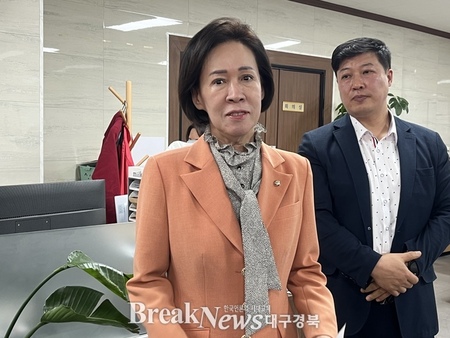
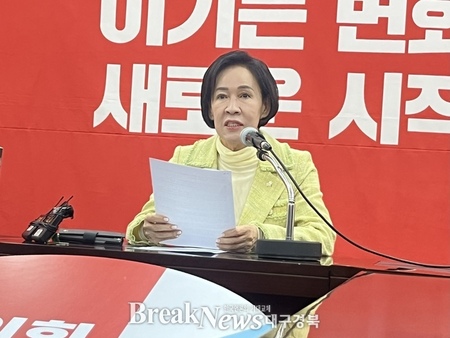
▲ 국회 교육위원회 백승아 국회의원 ( 더불어민주당 ) ©박상도 기자 |
(브레이크뉴스 인천 박상도 기자) 윤석열 정부의 졸속 의대 정원 증원으로 병원을 떠났던 전공의들이 1년 6개월 만에 돌아왔지만, 국립대병원의 전공의 수 부족이 여전히 심각해 지역·필수의료 격차 해소를 위한 대책이 필요하다는 주장이 제기됐다.
국회 교육위원회 백승아 의원(더불어민주당)이 전국 15개 국립대병원(본원·분원 구분)이 제출한 ‘국립대병원 전공의 정·현원 현황(하반기 모집 결과 반영)’ 자료를 분석한 결과, 전체 15개 국립대병원의 전공의 정원 2,861명 중 현재 1,955명(68.3%)의 전공의들이 근무 중인 것으로 확인됐다.
하지만 전공의들이 병원에 복귀했음에도 여전히 전공의 수는 전체 정원에 비해 부족하였고, 의정 갈등 전인 2023년 12월과 비교해도 턱없이 부족한 것으로 드러났다.
2023년 12월 31일 기준 14.4%(전체 정원 2,608명 대비 현원 2,233명)였던 국립대병원 전공의 결원율은 현재 31.7%로, 17.3%p가량 상승했다.
국립대병원별로도 그 격차가 컸다.
서울대병원(본원)의 전공의 충원율이 80.4%, 전북대병원이 71.7%인 반면, 경상국립대병원(창원)(42.6%), 경북대병원(칠곡)(52.8%), 전남대병원(화순)(55.3%), 충북대병원(60.0%) 순으로 전공의 충원율이 낮았다.
수련환경 혁신 지원사업 대상인 필수의료 8개 과목(내과, 외과, 산부인과, 소아청소년과, 응급의학과, 심장혈관흉부외과, 신경과, 신경외과)으로 전공의 수를 한정해 살펴보면, 전공의 충원율과 그 격차는 더 심각했다.
2023년 12월 81.1%였던 전체 국립대병원 필수과 전공의 충원율은 현재 55.7%로 25.4%p 하락했고, 15개 병원 중 10개 병원의 필수과 전공의 충원율은 50%를 밑돌았다.
국립대병원별로 살펴보면, 필수과 전공의 충원율은 경상국립대병원(창원)(23.3%), 강원대병원(35.1%), 제주대병원(38.7%), 부산대병원(양산)(40.4%), 충북대병원(40.7%) 순으로 낮았고, 서울대병원(본원 76.2%/분당 69.4%), 전북대병원(62.2%)과 비교해봤을 때 그 격차도 상당했다.
한편 전공의 수 부족, 수도권 및 비필수과목 전공의 쏠림 현상 등에 관해 국립대병원들은 지방 필수과 전공의 유치를 위한 특단의 대책이 마련되지 않는다면 지방 수련병원 필수과 운영은 사실상 불가능해질 위험이 크다고 한목소리로 강조했다.
구체적으로 전공의 의료사고 법적 부담 완화, 필수과목 수련 전공의 보조수당 지급이나 수가 인상 등 필수의료 보상체계 마련, 전공의 지도 참여 교수진에 대한 합당한 보상 제공 등이 필요하다고 밝혔다.
백승아 의원은 “만성적인 필수과 전공의 부족, 누적된 재정적자 등으로 지방 국립대병원들은 복합적 위기에 처해 있다”며 “지역·필수의료는 물론 의학교육, 임상연구의 중추인 국립대병원이 무너지지 않도록 정부의 정교한 지원이 시급하다”고 지적했다.
이어 백 의원은 “재정적 지원과 함께 필수과 전공의 확보와 안정적인 수련환경 조성, 그리고 교육·연구·임상 기능의 균형 잡힌 발전을 위한 인프라 확충 등 국립대병원들이 본연의 역할을 다할 수 있도록 보다 근본적인 대책을 마련해야 한다”고 강조했다.
*아래는 위 기사를 ‘구글 번역’으로 번역한 영문 기사의 [전문]입니다.‘구글번역’은 이해도 높이기를 노력하고 있습니다. 영문 번역에 오류가 있을 수 있음을 전제로 합니다.<*Below is the full text of the English translation of the above article, translated using Google Translate. Google Translate strives to improve comprehension. Please note that errors may exist in the English translation.>
Representative Baek Seung-ah: Despite Residents' Return, National University Hospitals Severe Resident Shortage...
National University Hospital Resident (Excluding Intern) Filling Rate 68.3%, Vacancy Rate 17.3% Points Increased from Before Legislative and Political Conflict
-Break News Incheon Park Sang-do Reporter
Residents who left hospitals after a year and a half due to the Yoon Seok-yeol administration's hasty increase in medical school quotas have returned. However, the shortage of residents at national university hospitals remains severe, raising calls for measures to address regional and essential medical gaps.
National Assembly Education Committee member Baek Seung-ah (Democratic Party of Korea) analyzed data on "National University Hospital Residents (Regular and Current Status of Residents (Reflecting Second-Half Recruitment Results)" submitted by 15 national university hospitals (main and branch hospitals) nationwide. The analysis revealed that 1,955 (68.3%) of the 2,861 residents currently working at the 15 national university hospitals are currently working.
However, despite the return of residents to the hospitals, the number of residents remains insufficient compared to the overall quota, and is significantly lower than the December 2023 figure before the legislative and legislative conflict.
As of December 31, 2023, the vacancy rate for residents at national university hospitals was 14.4% (current 2,233 residents compared to the total quota of 2,608). This figure has risen by 17.3 percentage points to 31.7%.
The gap was also significant among national university hospitals.
While Seoul National University Hospital (Main Branch) had a resident recruitment rate of 80.4%, Chonbuk National University Hospital had a 71.7% rate, Gyeongsang National University Hospital (Changwon) had lower resident recruitment rates (42.6%), Kyungpook National University Hospital (Chilgok) had lower resident recruitment rates (52.8%), Chonnam National University Hospital (Hwasun) had lower resident recruitment rates (55.3%), and Chungbuk National University Hospital had lower resident recruitment rates (60.0%).
When examining the number of residents limited to the eight essential medical specialties eligible for the training environment innovation support project (internal medicine, surgery, obstetrics and gynecology, pediatrics and adolescent medicine, emergency medicine, cardiovascular and thoracic surgery, neurology, and neurosurgery), the resident recruitment rates and gaps were even more severe.
The overall resident fill rate for essential departments at national university hospitals, which stood at 81.1% in December 2023, has fallen by 25.4 percentage points to 55.7%. Ten out of 15 hospitals have resident fill rates below 50%.
By national university hospital, the resident fill rates for essential departments were lowest at Gyeongsang National University Hospital (Changwon) (23.3%), Kangwon National University Hospital (35.1%), Jeju National University Hospital (38.7%), Pusan National University Hospital (Yangsan) (40.4%), and Chungbuk National University Hospital (40.7%). The gap was significant compared to Seoul National University Hospital (Main Branch 76.2%/Bundang Branch 69.4%) and Chonbuk National University Hospital (62.2%).
Meanwhile, regarding the shortage of residents and the concentration of residents in the metropolitan area and non-essential subjects, national university hospitals unanimously emphasized that unless special measures are taken to attract residents to essential departments and subjects outside the region, operating essential departments at regional training hospitals is at risk of becoming virtually impossible.
Specifically, they emphasized the need to ease the legal burden of medical malpractice cases for residents, establish a compensation system for essential medical care, such as providing supplemental allowances or increasing fees for residents training in essential subjects, and provide reasonable compensation to faculty members who supervise residents.
Representative Baek Seung-ah stated, "Regional national university hospitals are facing a complex crisis due to the chronic shortage of residents in essential departments and accumulated financial deficits." She added, "Urgent government support is urgently needed to prevent the collapse of national university hospitals, which serve not only as a hub for regional and essential medical care but also for medical education and clinical research."
Rep. Baek continued, “We need to come up with more fundamental measures so that national university hospitals can fulfill their original roles, such as securing essential specialists, creating a stable training environment, and expanding infrastructure for the balanced development of education, research, and clinical functions, along with financial support.”
원본 기사 보기:ebreaknews.com