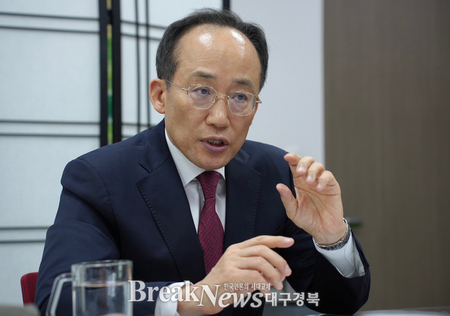
▲ 필자/곽인옥 교수. ©브레이크뉴스 |
1. 서론
북한에서 쌀 한 되의 가격은 장마당에서는 하루 노동자의 품삯에 버금가는 액수가 매겨지지만, 국영상점 가격표엔 상상하기 어려운 저렴한 숫자가 적혀 있다. 실제로 그 가격에 물건을 살 수 있는 이는 없다. 하지만 국정가격표는 여전히 벽에 붙어 있다. 이 가격의 이중성은 북한 경제와 체제를 이해하는 가장 결정적인 열쇠다.
가격은 보통 시장의 언어다. 수요와 공급이 만나 교환의 기준을 삼으며 자원의 배분을 조율한다. 그러나 북한에서 공식 가격은 시장 논리가 아닌 권력의 선언이다. 생산비도, 수요 공급도 아닌 국가 의지가 그 수치를 규정한다. 즉, 가격은 경제적 현실이 아니라 정치적 메시지다. 1990년대 고난의 행군 이후 장마당이 빠르게 확산됐음에도 불구하고, 북한은 이 제도를 버리지 않았다. 이유는 분명하다. 국정가격은 체제의 상징이자, 국가가 여전히 인민을 먹여 살린다는 선전의 도구이기 때문이다. 주민들은 실제 생활에서는 장마당 가격을 따르지만, 동시에 ‘국가가 가격을 관리한다.’는 정치적 구속 아래 살아간다.
이 이중가격제도는 명백한 경제적 왜곡이지만, 체제 안정에 기여하는 독특한 메커니즘이다. 국정가격은 더 이상 실질적 분배 수단이 아니지만, 권력 핵심층에는 특혜를 주고, 주민에게는 심리적 안전망을 제공하는 상징 자본으로써 기능한다. 결국 북한 경제를 읽을 때, 이 가격 체계는 단순한 가격이 아니라 체제를 떠받드는 정치와 사회의 언어임을 가장 먼저 염두에 두어야 한다.
2. 행정가격의 개념과 구조
● 국정가격의 정의
행정가격(국정가격)이란 국가가 계획과 행정적 조치에 근거하여 직접적으로 결정하는 가격 체계를 의미한다. 다시 말해 이는 생산비, 시장 수요·공급, 자원 배분 효율성 등 경제학적 원리에 따라 자연스럽게 형성되는 것이 아니라, 정치적·이념적 목표와 사회주의적 분배 원칙을 관철하기 위한 정책적 결과물이다. 북한에서의 행정가격은 단순히 교환가치를 매개하는 경제적 가격이 아니라, 국가가 사회주의 경제 운영의 정당성을 과시하고 주민 생활을 통제하는 하나의 상징적 도구로 기능한다.
특히 북한은 가격을 “사회주의적 분배 원칙의 구현”이라는 담론 속에 위치시킴으로써, 가격 자체를 일상적 시장 신호가 아닌 체제 유지와 정치적 통치술의 일부로 활용한다. 개별 상품이나 서비스의 가치가 비용이나 효율과 무관하게 낮게 책정되는 이유도 바로 여기에 있다. 행정가격은 국민에게 기본적인 생활재는 국가가 무상 또는 거의 무상에 가깝게 공급한다는 이미지를 지속적으로 각인시키는 효과를 가진다. 따라서 가격은 “경제적 변수”라기보다 “정치적 선언” 혹은 “제도적 수사”의 성격을 강하게 지닌다.
 ▲ 곽인옥 ©브레이크뉴스 |
 ▲ 곽인옥 ©브레이크뉴스 |
● 제도적 적용 범위
오늘날 북한에서 국정가격이 유지되는 대표적인 영역은 다음과 같이 분류될 수 있다.
▶기초 식량(쌀, 옥수수 등)
배급제를 전제로 책정된 식량 가격은 극도로 낮게 유지된다. 쌀 1kg의 국정가격은 수십 원에 불과하지만, 장마당 실거래 가격은 수천 원대에 형성된다. 이는 국정가격이 현실적 교환 가치라기보다는 체제적 기호(signifier)에 불과하다는 것을 보여준다.
▶주택
주택은 무상 배급이 원칙이며, 거주권은 행정적으로 배정된다. 월세에 해당하는 ‘임대료’는 존재하나, 이는 상징적 의미만 갖는 금액으로 사실상 무상에 가깝다. 주민의 주거 비용 부담을 최소화함으로써, 사회주의 국가의 ‘주택 무상 보장’ 원칙을 표현한다.
▶공공요금
전기, 수도, 난방과 같은 공공요금은 극저가에 책정된다. 예컨대 전기 사용료는 실제 공급·관리 비용과 전혀 연계되지 않으며, 실질적으로 의미 없는 수준에 가깝다. 그러나 공급의 불안정으로 주민들은 시장에서 발전기, 땔감, 장작 등을 별도 구매하는 경우가 많다.
▶교육·의료
헌법상 무상 교육·무상 의료가 명문화되어 있어, 학교와 병원에서의 비용은 제도적으로 거의 존재하지 않는다. 다만 실무 차원에서는 교사·의료진에 대한 사적 비용(뇌물·증여)이 필수적으로 발생하기에, 국정가격 체계와 실제 생활비용 간에는 큰 괴리가 발생한다.
▶생필품 및 일부 생활용품
국영상점에서는 비누, 치약, 필수 의류 등 일부 생필품이 공식 가격으로 판매된다. 그러나 실물을 구하기 어렵거나 품질이 낮기 때문에, 주민들은 실제로는 장마당에서 몇 배 이상 높은 가격으로 거래하는 것이 일반적이다.
● 행정가격 체계의 특징적 성격
종합적으로 볼 때, 북한의 행정가격은 단순한 가격 규제 정책을 넘어 체제 정당성의 핵심 수단으로 기능한다.
첫째, 현실적 공급 부족으로 인해 주민 생활에서의 효용은 극히 낮지만, 체제 선전 차원에서는 “국가가 생활을 책임지고 있다”는 메시지를 전달한다.
둘째, 국정가격은 과거 사회주의 배급 경제를 상징하는 유물로 남아 있으며, 시장화가 진전된 이후에는 사실상 “명목적 제도 장치”로만 존속하고 있다.
셋째, 국정가격과 실제 시장가격 간의 괴리는 주민들에게 국가 제도의 비현실성을 인식시킴과 동시에, 비공식 경제 영역의 필요성을 구조적으로 확장시키는 결과를 낳고 있다.
따라서 북한에서의 행정가격은 더 이상 물자의 공급·거래를 적극적으로 조율하는 도구라기보다는, 체제 유지의 상징적 장치이자 시장 기반 하에서 상대적 무력화 과정을 거치고 있는 제도라고 할 수 있다.
3. 평양 하이브리드 생존경제에서의 기능
● 사회적 안전망
행정가격, 즉 국정가격 제도가 의도대로 작동할 경우, 이는 기본적으로 주민들의 최소한의 생존을 보장하는 사회적 안전망 기능을 수행한다. 쌀, 옥수수, 식용유, 석탄, 의류 등 필수적인 생필품이 공식 가격으로 공급된다면, 주민들은 시장 변동에 휘둘리지 않고 일정한 안전판을 확보할 수 있다. 이는 경제적 차원을 넘어 ‘국가가 여전히 인민을 먹여 살린다’는 상징적 메시지를 내포하며, 조선식 사회주의가 여전히 유효하다는 신뢰감을 불어넣는다. 특히 식량 배급이 원활히 제공될 경우, 주민들은 시장이 아닌 국가 제도에 의존할 수 있다는 심리적 안정감을 가지게 되고, 이는 일종의 체제 충성도를 공고히 하는 장치로 작용한다.
하지만 현실에서는 국정가격이 종종 형식적으로만 유지되고 물자가 제대로 공급되지 않기 때문에, 주민들은 ‘명목상 안전망’과 ‘실질적 생존수단’ 사이에서 괴리를 경험한다. 그럼에도 불구하고 국정가격 제도가 폐지되지 않고 존속하는 것은, 그것이 단순한 공급 창구를 넘어서 체제 정당성을 뒷받침하는 정치적 자산이기 때문이다.
● 시장과의 병존
행정가격은 주민 일상에서 실제적인 구매 수요를 충족시키지 못한다. 국영상점의 진열대가 비어 있거나, 제한된 품목만 제공되는 경우가 많기 때문에 사람들은 필연적으로 장마당을 통해 필요한 물자를 구입해야 한다. 따라서 주민 생활의 실질적 공간은 ‘시장 가격 체계’에 의해 규정되며, 국정가격은 ‘그림자 제도’의 의미를 띠게 된다.
그럼에도 국정가격이 존재한다는 사실 자체가 북한 경제에 독특한 이중가격제 구조를 만들어낸다. 이는 공식 가격과 시장 가격이 병존하면서, 주민들이 항상 두 가지 경제논리 속에서 움직이게 되는 특징을 말한다. 예컨대 공장 근로자가 국정가격으로 배급받은 식량을 장마당에서 되팔아 이익을 챙기는 사례, 또는 시장 상인들이 가격 협상을 할 때 "국정가격 대비 몇 배"라는 계산 틀을 활용하는 사례가 흔히 목격된다. 이런 현상은 ‘행정가격은 실질적 거래 기능을 상실했어도, 여전히 시장질서의 기준점이 되는’ 독특한 구조를 보여준다. 결국 이중가격제는 북한형 하이브리드 생존경제가 작동하는 핵심 매커니즘으로, 국가와 시장이 상호 얽히며 독자적인 경제생태계를 만들어 내는 중요한 토대가 된다.
시장가격은 단순한 가격 수치가 아니라, 사회의 수요·공급 변화, 공급 부족, 환율 등 다양한 경제 및 사회적 변수의 변동을 가장 빠르게 반영하는 중요한 가격 신호(mechanism)로 기능한다. 특히 북한의 시장가격은 국제 곡물가격, 환율 변동 등 외부 정보가 비공식 가격 결정에 상당한 영향을 미치며, 이는 주민들이 생존전략을 세우는 데 중요한 기준이 된다.
이러한 시장가격 신호는 단순히 물건값 변동을 알리는 기능을 넘어, 주민들이 자원을 어디에, 어떻게 배분할지를 결정하는 핵심 정보망 역할을 한다. 실제로 평양 등 주요 지역에서 가격정보를 수집·전달하는 ‘가격정보통’은 생존경제 내 중개자 역할을 하며, 주민 간 가격 정보 공유와 물자의 효율적 분배에 기여한다.
따라서 북한 시장에서는 공식 국정가격과 달리 시장가격이 자원 배분 및 생존전략 수립의 현실적 기준이 되며, 가격정보통과 신속한 정보 전달 체계는 하이브리드 경제 속에서 가격 신호의 중요성을 극대화하는 핵심 메커니즘으로 작동한다.
이와 같이 가격 신호는 북한 하이브리드 생존경제의 핵심 동력으로서, 이중가격제 내에서 정권과 주민 간 상호작용을 조율하며 체제 내 경제와 사회적 질서를 유지하는 중요한 역할을 담당한다.
● 정치·사회적 통제
국가는 여전히 ‘가격 책정의 최종 권위자’라는 입지를 유지하려 한다. 이를 통해 주민들에게 ‘생활의 규범과 기준은 국가가 만든다’라는 메시지를 지속적으로 각인시키는 것이다. 즉, 국정가격 제도는 경제적 합리성이나 효율성보다는 통치 논리에 기반한 장치다. 국가가 물건 한 단위의 가치를 결정하는 주체로 존재한다는 사실은, 주민들에게 보이지 않는 압박으로 다가오며, 일상 속에서 국가 권력이 심리·상징적으로 작동하게 만든다.
예를 들어, 국영상점의 문이 닫혀 있어 실제로 상품을 구매하기 어렵더라도, 벽에 걸린 국정가격표는 국가가 여전히 ‘경제적 기준’을 통제하고 있음을 상징적으로 드러낸다. 이는 주민이 장마당에서 거래를 하면서도 "국정가격은 얼마인데 지금은 몇 배 올랐다"는 식으로 사고하게끔 만들며, 궁극적으로 국가 권위의 잔존적 힘을 유지시킨다. 또한 특수공급이나 특정 계층(예: 군, 당 간부 등)에게만 국정가격대로 물자를 공급하는 방식은 일반 주민들에게 국가 위계질서를 체감하게 만들고, 정치사회적 구도를 더욱 공고히 한다. 이처럼 국정가격은 단순한 경제 요소가 아니라, 정권이 주민을 통제하고 체제의 존속을 정당화하는 하나의 심리적 무기라고 할 수 있다.
4장 행정가격의 존속 이유와 수혜 집단
북한 경제에서 행정가격은 실질적 효용이 크게 약화되었음에도 불구하고 여전히 존속하고 있다. 이는 단순히 제도를 없애지 못한 결과가 아니라, 국가가 체제를 유지하고 권력을 재생산하기 위해 의도적으로 관리하는 제도적 장치다. 다시 말해, 행정가격은 경제적 실패 속에서도 정치적 성공을 거두는 일종의 상징적 제도이며, 특정 계층에게 집중적으로 혜택을 배분하는 선택적 장치이기도 하다.
● 정치적 상징성과 정당성 확보
북한 당국은 국정가격을 통해 여전히 “국가가 인민생활을 책임진다.”는 이미지를 끊임없이 주입한다. 실제 공급이 원활하지 않아 주민들이 장마당에 의존하고 있음에도 불구하고, 국영상점 벽에 걸린 가격표는 국가가 생활의 기준을 최종적으로 정한다는 시각적·상징적 증거로 기능한다. 이는 주민들의 인식 속에서 국가의 존재감을 유지시키고, 체제가 단순히 시장으로 대체되지 않고 있다는 사실을 확인하게끔 만든다.
이처럼 국정가격은 현실적 거래 수단이라기보다 정치적 상징(signifier)으로서 체제 정당성을 뒷받침한다. “무상치료”, “무상교육”, “저렴한 생활재 공급”이라는 명목적 제도는 북한식 사회주의가 여전히 작동하고 있다는 집단적 신뢰감을 재생산한다. 비록 실제 생활에서는 사적 비용·시장 거래가 지배적이지만, 주민들이 체제를 대체 불가능한 것으로 여기게 만드는 중요한 심리적 장치로 남는다.
● 특정 집단의 실질적 수혜
행정가격 체제는 모든 주민에게 동일한 혜택을 주지 않는다. 오히려 접근 권한이 차등적으로 부여되며, 그 속에서 사회적 서열이 형성된다.
▶당·군·보위부 등 권력 엘리트층: 국정가격 혜택을 가장 안정적으로 누리는 집단이다. 군대의 식량, 연료, 의류 보급은 일반 주민보다 훨씬 낮은 가격에 제공되며, 이로 인해 체제 충성도가 유지된다.
군 특수공급 체계는 대표적 사례다.
▶평양 거주 핵심계층: 지방보다 국영상점 공급이 활발하고, 주요 배급 우선권을 갖는다. 평양의 주거권과 더불어 국정가격 접근권은 일종의 계급적 특권으로 작용한다.
▶국영상점 종사자 및 연결망을 가진 주민: 낮은 공식 공급가로 물자를 구입한 뒤 장마당에 되팔아 차익을 얻는다. 이 과정은 국정가격이 본래의 의도와 달리 ‘특권적 상업화’의 자원이 되는 상황을 낳는다.
이처럼 국정가격은 실제로는 제한된 범위에서만 작동하며, 일반 주민보다는 권력층과 연결망을 보유한 집단에게 경제적·사회적 이익을 제공한다.
● 사회적 위계질서 재생산
국정가격은 주민 생활에서 구체적 구매력보다는 사회적 위계를 드러내는 기준으로 더욱 강하게 기능한다. “누가 국정가격으로 쌀을 받을 수 있는가?”는 곧 사회적 지위를 반영한다. 일반 주민은 시장에서 몇 배의 가격을 지불하지만, 일부 계층은 국가 공급망 덕분에 저렴하게 생활할 수 있다. 따라서 국정가격은 사회적 계층 구분을 명확히 드러내는 신호이자, 국가가 위계적 질서를 제도적으로 강화하는 도구다.
결국 국정가격은 주민들에게 현실과 이상이 크게 괴리된 경제 체제를 체감하게 하고, 동시에 국가가 부여하는 특권과 배제의 기준으로 기능한다.
● 체제 안정 장치로서의 의미
경제학적 차원에서 국정가격은 비효율과 왜곡을 초래하지만, 정권 차원에서 보면 지속 가능한 통치 전략이다. 일부 집단이 지속적으로 혜택을 보기만 해도, 그 제도는 내부 지지 기반을 관리하는 핵심 장치로 작동한다.
혜택 집단은 체제 유지에 이해관계를 갖게 되고, 이는 곧 충성의 정치경제로 연결된다. 국정가격 혜택을 받지 못하는 다수 주민에게는 불만이 쌓이지만, 동시에 “누군가는 국가로부터 공급을 받는다”는 사실이 체제에 대한 일종의 동경·기대 심리를 유지시키는 역할을 한다. 따라서 행정가격 제도는 북한식 하이브리드 경제에서 경제적 합리성이 아니라 분배 정치(politics of distribution)의 논리에 따라 유지되는 장치라 할 수 있다.
결론적으로, 행정가격은 이제 단순한 경제 제도가 아니다. 그것은 북한 사회에서 정치적 상징, 사회적 위계, 충성 기반 관리의 삼중적 효과를 지닌 제도다. 효율성의 실패 속에서도 정권의 안정성과 사회의 위계질서 재생산을 뒷받침하기 때문에, 국정가격은 북한 체제에서 오랫동안 존속할 수밖에 없는 제도적 장치로 남아 있는 것이다.
5. 결론
북한의 이중가격제는 경제적 비효율 그 이상이다. 시장의 자원 배분 기능을 상실했지만, 권력과 정치의 상징으로 살아 있다. 국정가격은 단순한 가격표가 아니라, 국가가 여전히 인민을 돌보고 있다는 메시지이자 체제 정당성의 핵심 장치다.
주민들은 공식 국정가격과 시장가격 사이에서 이중적 현실을 경험하며, 이 모순 속에서 생존 전략을 짜낸다. 이 이중구조는 체제에 대한 정치적 통제와 심리적 안정을 동시에 제공한다. 국정가격은 권력 핵심층에 특권을 보장하는 동시에, 주민에게는 현실적 안전망과 상징적 질서를 부여한다.
여기에 중요한 또 하나의 축이 존재한다. 바로 가격정보통의 역할이다. 다양한 지역의 장마당과 비공식 네트워크를 통해 실시간으로 전달되는 가격정보는 물자의 흐름을 조율하고, 주민들의 생존전략을 가능케 한다. 시장가격은 단순한 숫자가 아니라, 공급 부족·수요 급증·환율 변동과 같은 사회 변화를 가장 먼저 반영하는 신호로 기능한다. 따라서 가격정보를 신속히 파악하고 공유하는 것은 단순히 시장 거래를 넘어서 생존 자체의 문제이며, 주민들은 가격신호를 해독하는 과정에서 비공식 경제 감각을 키워왔다.
경제적 실패에도 불구하고, 행정가격 제도는 북한 체제 유지의 중요한 기둥이다. 분배 정치의 핵심 메커니즘으로서, 권력층의 충성과 내부 지지 기반을 다지는 역할을 한다. 동시에 시장가격과 이를 중개·유통하는 가격정보통의 존재는 국정가격과 병존하며, 북한식 생존경제가 작동하는 ‘실제의 동력’을 보여준다.
따라서 이 이중가격제는 단순한 경제 현상이 아니라, 권력 유지의 장치이자 사회적 질서의 상징이며, 동시에 시장을 매개하는 가격신호를 통해 생존경제가 지속되는 복합적 메커니즘이다. 미래의 북한 연구는 이 가격 체계가 담고 있는 정치권력과 사회적 상징뿐 아니라, 가격정보망과 가격신호의 실질적 기능을 분석할 때, 평양 하이브리드 생존경제의 본질과 변화 가능성을 보다 명확히 이해할 수 있을 것이다.
*필자/곽인옥 교수
*아래는 위 기사를 '구글 번역'으로 번역한 영문 기사의 [전문]입니다. '구글번역'은 이해도 높이기를 위해 노력하고 있습니다. 영문 번역에 오류가 있을 수 있음을 전제로 합니다.<*The following is [the full text] of the English article translated by 'Google Translate'. 'Google Translate' is working hard to improve understanding. It is assumed that there may be errors in the English translation.>
[Pyongyang Market Economy Report] Pyongyang's Hybrid Subsistence Economy Theory
Administrative Prices and Official Price Control: The Importance of Price Signals
-Professor Kwak In-ok
1. Introduction
In North Korea, the price of a doe of rice in the marketplace is equivalent to a day's wage for a laborer, but the price tags in state-run stores display unimaginably low figures. No one can actually buy goods at those prices. Yet, the state-mandated price tags remain posted on the walls. This duality of prices is the most crucial key to understanding the North Korean economy and system.
Prices are typically the language of the market. Supply and demand meet, forming the basis for exchange and coordinating the allocation of resources. However, in North Korea, official prices are not market logic but a declaration of power. State will, not production costs or supply and demand, determines the figures. In other words, prices are not economic realities but political messages. Despite the rapid expansion of markets following the Arduous March in the 1990s, North Korea has not abandoned this system. The reason is clear. This is because state-mandated prices are a symbol of the regime and a propaganda tool that asserts that the state still feeds the people. While residents follow market prices in their daily lives, they also live under the political constraints of "state-managed prices."
This dual pricing system is a clear economic distortion, but it is a unique mechanism that contributes to the stability of the regime. While state-mandated prices are no longer a practical means of distribution, they function as symbolic capital, granting privileges to the power elite and providing a psychological safety net for the population. Ultimately, when interpreting the North Korean economy, it is crucial to remember that this price system is not simply a price, but rather a political and social language that upholds the regime.
2. The Concept and Structure of Administrative Prices
● Definition of State-Mandated Prices
Administrative prices (state-mandated prices) refer to the price system directly determined by the state based on planning and administrative measures. In other words, they are not naturally formed based on economic principles such as production costs, market supply and demand, and resource allocation efficiency, but are the result of policies aimed at implementing political and ideological goals and socialist distribution principles. In North Korea, administrative prices are not simply economic prices that mediate exchange value. They function as a symbolic tool for the state to demonstrate the legitimacy of its socialist economic operations and control the lives of its citizens.
In particular, by positioning prices within the discourse of "implementing socialist distribution principles," North Korea utilizes prices themselves as part of system maintenance and political governance rather than as ordinary market signals. This is precisely why the value of individual goods and services is set low, regardless of cost or efficiency. Administrative prices have the effect of permanently imprinting on citizens the image that the state provides basic necessities free of charge or nearly free of charge. Therefore, prices have a stronger character as "political declarations" or "institutional rhetoric" than as "economic variables."
● Scope of Institutional Application
The main areas where state-mandated prices are maintained in North Korea today can be categorized as follows:
▶Basic Foods (Rice, Corn, etc.)
Food prices, set under the rationing system, are kept extremely low. While the state-mandated price of 1 kg of rice is only a few tens of won, the actual market price can range into the thousands of won. This demonstrates that state-mandated prices are merely systemic signifiers rather than actual exchange values.
▶ Housing
Housing is, in principle, distributed free of charge, and residency rights are assigned administratively. While a "rent" equivalent to monthly rent exists, it is a symbolic amount, effectively close to free. By minimizing the burden of housing costs on residents, it embodies the principle of "free housing guarantee" in a socialist state.
▶ Public Utility Bills
Public utility bills such as electricity, water, and heating are set at extremely low prices. For example, electricity usage fees are not linked to actual supply and management costs and are practically meaningless. However, due to supply instability, residents often purchase generators, firewood, and other items separately from the market.
▶ Education and Healthcare
Free education and healthcare are explicitly stipulated in the Constitution, so school and hospital fees are virtually nonexistent. However, in practice, private expenses (bribes and gifts) for teachers and medical staff inevitably arise, creating a significant gap between the state-mandated price system and the actual cost of living.
▶ Daily Necessities and Some Consumer Goods
State-run stores sell some daily necessities, such as soap, toothpaste, and essential clothing, at official prices. However, due to the difficulty in obtaining actual goods or their low quality, residents typically pay prices several times higher in the marketplace.
● Characteristics of the Administrative Price System
Overall, North Korea's administrative prices go beyond simple price regulation and function as a key means of regime legitimacy.
First, while their practical utility in the lives of residents is extremely low due to supply shortages, they convey the message, "The state is responsible for their livelihood," through regime propaganda.
Second, state-mandated prices remain a relic of the past socialist rationing economy, and since marketization has progressed, they have effectively become mere "nominal institutional devices."
Third, the discrepancy between state-mandated prices and actual market prices not only makes residents aware of the unrealistic nature of the state system, but also structurally expands the need for the informal economy. Therefore, administrative prices in North Korea are no longer a tool for actively coordinating the supply and trade of goods, but rather a symbolic mechanism for maintaining the regime and a system undergoing a process of relative neutralization under market conditions.
3. Functions in Pyongyang's Hybrid Subsistence Economy
● Social Safety Net
When the administrative price, or state-mandated price system, functions as a social safety net, fundamentally guaranteeing the minimum survival of the population. If essential commodities like rice, corn, cooking oil, coal, and clothing are supplied at official prices, residents can secure a certain level of security, immune to market fluctuations. This goes beyond economic considerations, conveying a symbolic message that "the state still feeds the people," instilling confidence in the continued validity of Korean-style socialism. In particular, when food rations are provided smoothly, residents gain a sense of psychological security, believing they can rely on the state system, not the market. This serves as a mechanism to solidify loyalty to the regime. However, in reality, state-mandated prices often remain mere formalities, failing to provide adequate supplies. Consequently, residents experience a disconnect between a "nominal safety net" and a "substantial means of survival." Despite this, the state-mandated price system persists, not simply as a supply channel, but as a political asset that supports the regime's legitimacy.
● Coexistence with the Market
Administrative prices fail to meet the actual purchasing needs of residents. Because state-mandated stores often have empty shelves or offer only a limited selection, people inevitably have to resort to the marketplace to purchase necessary goods. Consequently, the actual space of residents' lives is governed by the "market price system," and state-mandated prices function as a "shadow system."
Nevertheless, the very existence of state-mandated prices creates a unique dual pricing structure in the North Korean economy. This refers to the coexistence of official and market prices, forcing residents to constantly operate within two economic logics. For example, it's common to see factory workers profiting by reselling food rationed at government-mandated prices at the market, or market merchants using a calculation framework of "a multiple of the government-mandated price" when negotiating prices. This phenomenon demonstrates a unique structure in which "administrative prices, even though they have lost their practical transactional function, still serve as a benchmark for market order." Ultimately, the dual pricing system is a core mechanism for the North Korean hybrid survival economy, forming a crucial foundation for the intertwining of the state and the market to create a unique economic ecosystem.
Market prices are not simply price figures; they function as crucial price signals (mechanisms) that most rapidly reflect fluctuations in various economic and social variables, such as changes in social supply and demand, supply shortages, and exchange rates. In particular, external information, such as international grain prices and exchange rate fluctuations, significantly influences unofficial price determination in North Korea, which serves as a crucial basis for residents' survival strategies.
These market price signals go beyond simply signaling price fluctuations; they serve as a crucial information network for residents to determine where and how to allocate resources. In fact, "price information channels," which collect and disseminate price information in key areas like Pyongyang, serve as intermediaries within the subsistence economy, contributing to the sharing of price information among residents and the efficient distribution of goods.
Therefore, unlike official state-mandated prices, market prices in North Korea's markets serve as a realistic benchmark for resource allocation and survival strategy formulation. Price information channels and rapid information dissemination systems serve as key mechanisms that maximize the importance of price signals within the hybrid economy.
Thus, price signals are a key driving force behind North Korea's hybrid subsistence economy, coordinating interactions between the regime and residents within the dual-price system and playing a crucial role in maintaining economic and social order within the system.
● Political and Social Control
The state continues to maintain its position as the "final authority on pricing." Through this, it continually impresses upon residents the message that "the state sets the standards and norms of life." In other words, the state-mandated price system is a mechanism based on governance logic rather than economic rationality or efficiency. The fact that the state exists as the entity that determines the value of a single item exerts invisible pressure on residents, allowing state power to operate psychologically and symbolically in their daily lives.
For example, even when state-run stores are closed and purchasing goods is difficult, the state-mandated price list on the wall symbolically reveals the state's continued control over "economic standards." This leads residents to think, "This is the state-mandated price, but it's now several times higher," while trading in the marketplace, ultimately maintaining the residual power of state authority. Furthermore, the provision of goods at state-mandated prices to special suppliers or to certain classes (e.g., military, party officials, etc.) makes ordinary residents perceive the state hierarchy and further solidifies the socio-political structure. Thus, state-mandated prices are not simply an economic factor; they serve as a psychological weapon for the regime to control the population and justify the regime's survival.
Chapter 4: The Persistence of Administrative Prices and Beneficiary Groups
In the North Korean economy, administrative prices persist despite their significantly weakened practical utility. This is not simply a consequence of the inability to eliminate the system, but rather an institutional mechanism deliberately managed by the state to maintain the system and reproduce its power. In other words, administrative prices are a kind of symbolic system that achieves political success even amidst economic failure, and they are also a selective mechanism that distributes benefits concentratedly to specific classes.
● Securing Political Symbolism and Legitimacy
The North Korean authorities continue to instill the image that "the state is responsible for the people's livelihood" through state-managed prices. Despite the fact that residents rely on the marketplace due to insufficient supply, price tags hanging on the walls of state-managed stores serve as visual and symbolic evidence that the state ultimately determines living standards. This maintains the state's presence in the minds of residents and confirms that the system is not simply being replaced by the market.
Thus, state-managed prices serve as a political signifier, rather than a practical means of transaction, supporting the legitimacy of the system. Nominal systems like "free medical care," "free education," and "provision of affordable daily necessities" reproduce a collective belief that North Korean-style socialism still operates. Although private spending and market transactions dominate in real life, they remain a crucial psychological mechanism that makes residents view the system as irreplaceable.
● Substantial Benefits for Specific Groups
The administrative pricing system does not provide equal benefits to all residents. Rather, access is differentially granted, and within this, social hierarchies are formed.
▶ Power elites, including the Party, military, and State Security Department: These are the groups that most reliably benefit from state-mandated prices. Food, fuel, and clothing supplies for the military are provided at significantly lower prices than ordinary citizens, maintaining regime loyalty. The military's special supply system is a prime example.
▶ Core residents of Pyongyang: They enjoy a more active supply from state-mandated stores than those in the provinces and have priority access to major rations. Along with housing rights in Pyongyang, access to state-mandated prices functions as a form of class privilege. ▶ Workers at state-run stores and residents with connections: They purchase goods at low official prices and resell them at the market, earning a profit. This process creates a situation where state-mandated prices, contrary to their original intent, become a resource for "privileged commercialization."
Thus, state-mandated prices actually operate within a limited scope, providing economic and social benefits to the powerful and well-connected, rather than to ordinary citizens.
● Reproduction of Social Hierarchy
State-mandated prices function more strongly as a criterion of social hierarchy than as a measure of specific purchasing power in residents' lives. The question, "Who can afford rice at the state-mandated price?" directly reflects social status. While ordinary residents pay several times the price in the market, certain classes can live more affordably thanks to the state-mandated supply chain. Therefore, state-mandated prices serve as a clear signal of social class distinctions and a tool for the state to institutionally reinforce hierarchical order.
Ultimately, state-mandated prices make residents experience an economic system that is vastly different from reality and ideals, while simultaneously functioning as a standard for privilege and exclusion granted by the state. ● Significance as a Regime Stabilizer
Economically, state-mandated prices create inefficiencies and distortions, but from the regime's perspective, they represent a sustainable governing strategy. As long as certain groups continue to benefit, the system functions as a key mechanism for maintaining internal support.
The beneficiaries develop a stake in maintaining the regime, which in turn leads to a political economy of loyalty. While dissatisfaction builds among the majority of residents who do not receive state-mandated prices, the very fact that "someone receives supplies from the state" simultaneously sustains a sense of aspiration and expectation for the regime. Therefore, the administrative price system can be seen as a mechanism maintained not by economic rationality but by the logic of the politics of distribution in the North Korean hybrid economy.
In conclusion, administrative prices are no longer simply an economic system. They possess the triple effect of political symbolism, social hierarchy, and loyalty-based management in North Korean society. Despite their perceived inefficiency, state-mandated prices support regime stability and the reproduction of social hierarchy, making them an institutional mechanism destined to endure for a long time in the North Korean system.
5. Conclusion
North Korea's dual pricing system is more than just economic inefficiency. While the market has lost its resource allocation function, it remains a living symbol of power and politics. State-mandated prices are not simply price tags; they are a message that the state still cares for its people and a core mechanism for regime legitimacy.
Residents experience a dual reality between official state-mandated prices and market prices, and within this contradiction, they devise survival strategies. This dual structure simultaneously provides political control over the regime and psychological stability. State-mandated prices guarantee privileges to the power elite, while providing a practical safety net and symbolic order to residents.
Another crucial axis lies here: the role of price information channels. Price information, delivered in real time through various local markets and informal networks, coordinates the flow of goods and enables residents to develop survival strategies. Market prices are not mere numbers; they serve as signals that first reflect social changes such as supply shortages, surges in demand, and exchange rate fluctuations. Therefore, promptly identifying and sharing price information goes beyond mere market transactions; it is a matter of survival itself. Residents have developed a keen sense of the informal economy through deciphering price signals. Despite its economic failures, the administrative price system remains a crucial pillar of the North Korean regime. As a core mechanism of distributional politics, it serves to solidify the loyalty of the ruling class and its internal support base. At the same time, the existence of market prices and the price information network that mediates and distributes them coexist with state-mandated prices, demonstrating the "real dynamics" that drive the North Korean subsistence economy.
Therefore, this dual price system is not simply an economic phenomenon; it is a mechanism for maintaining power and a symbol of social order, and simultaneously a complex mechanism that sustains the subsistence economy through market-mediated price signals. Future research on North Korea will gain a clearer understanding of the nature and potential for change by analyzing not only the political power and social symbols embodied in this price system, but also the practical functions of the price information network and price signals.
*Author: Professor Kwak In-ok