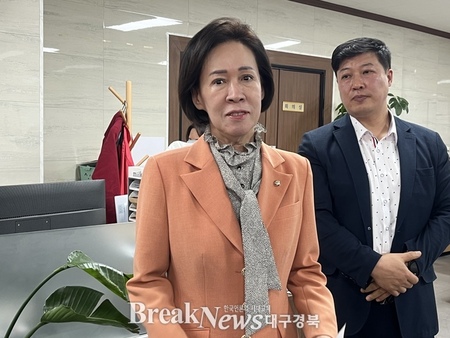
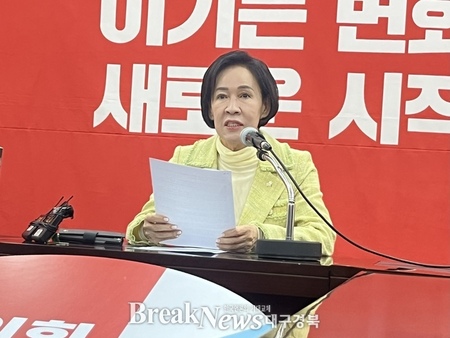
▲ 국회 교육위원회 백승아 국회의원 ( 더불어민주당 ) ©박상도 기자 |
(브레이크뉴스인천 박상도 기자) 교육시설 전반에 대한 위해 요인을 안전 전문가들이 검증해 학교 구성원들의 안전을 보장하기 위한 ‘ 교육시설안전 인증제 ’ 가 2020 년 도입된 지 5 년이 다 되어가지만, 정작 안전인증을 받은 학교는 절반이 채 되지 않아 대책 마련이 필요하다는 지적이 국회에서 제기됐다 .
국회 교육위원회 백승아 의원 ( 더불어민주당 ) 이 교육부로부터 받은 ‘ 교육시설 안전인증현황 ’ 자료에 따르면, 교육시설안전 인증 대상 유 · 초 · 중 · 고 · 특수학교 15,630 개교 중 7,388 개교 (47.3%) 만이 인증 취득을 완료한 것으로 드러났다.
교육시설법에서 정하고 있는 전체 교육시설은 현행법상 올해 12 월 3 일까지 교육시설 안전인증을 의무적으로 받아야 하지만, 인증 기한을 3 개월 가량 앞두고도 절반도 안 되는 학교들이 아직까지 인증을 받지 못한 것이다.
학교급별로 살펴보면 , 전국 특수학교 192 개교 중 130 개교 (67.7%), 초등학교 6,302 개교 중 3,791 개교 (60.2%), 중학교 3,294 개교 중 1,816 개교 (55.1%), 고등학교 2,369 개교 중 1,074 개교 (45.3%), 유치원 3,473 개교 중 577 개교 (16.6%) 가 인증 취득을 완료했다.
인증 취득을 완료한 7,388 개교 중 546 개교 (7.4%) 가 최우수 등급을, 나머지 6,842 개교 (92.6%) 가 우수 등급을 받았다 .
지역별로 살펴보면 교육시설안전 인증취득 비율은 천차만별이었다.
세종 (70.2%), 제주 (68.6%), 충북 (60.9%), 충남 (55.6%), 경남 (53.6%) 순으로 인증취득완료 비율이 높았고 , 경북 (33.9%), 대구 (38.5%), 전북 (42.3%), 전남 (43.3%), 부산 (43.9%) 순으로 그 비율이 낮았다.
전체 17 개 광역시 · 도 중 12 개 지역의 인증취득 비율은 절반을 밑돌았다 .
교육시설안전 인증제는 교육시설의 장이 자체평가서를 작성해 교육시설안전 인증 신청을 하면 , 교육부 지정 인증전문기관 (7 개 ) 이 서류 및 현장심사를 거쳐 인증 여부와 등급 ( 최우수 / 우수 ) 을 결정한다.
이후 교육부는 교육시설이 인증 기준에 맞게 유지되는지 현장 실태점검 등 사후 관리를 맡는다 .
인증전문기관 평가는 지진 등 자연재해나 화재 등의 위급상황을 대비해 교육시설의 구조적 안전성과 전기, 기계설비 등 기반시설의 안전관리를 확인하는 시설 안전 분야 (25 개 항목 ), 학교생활 중 발생할 수 있는 안전사고를 예방하기 위해 교육시설 내부의 시설 구축 여부와 예방활동 등을 확인하는 실내환경 안전 분야 (14 개 항목 ), 등 · 하교나 외부 활동 시 발생할 수 있는 안전사고를 예방하기 위해 보행로와 운동장 등 외부 시설의 안전관리 등을 확인하는 외부환경 안전분야 (11 개 항목 ) 에 대해 이뤄진다 .
교육부는 “ 법 시행 초기 현장의 인증 제도에 대한 이해 부족 , 코로나로 인한 심사 지연 등으로 인증 취득이 저조하였으며 , 특히 사립학교는 인증수수료 및 인증 취득을 위한 시설개선비 부담으로 미인증 학교가 많은 상황 ” 이라고 설명했다.
또한, 일부 학교의 경우 현재 진행 중인 건물 증 · 개축 , 공간 재구조화 사업 , 학교 통 · 폐합 등을 끝낸 후 인증 계획을 재수립해야 해 인증 취득 시기가 지연되고 있는 것으로 알려졌다 .
백승아 의원은 “교육시설 안전인증은 건축물 노후화 , 화재 , 붕괴 , 시설 결함 등 위험 요소를 사전에 예방하고 학교나 교육기관이 안전관리 책임을 다하고 있음을 확인하는 최소한의 장치 ” 라며 “ 학교 안전은 반드시 보장해야 할 최우선의 교육적 가치로 수차례 강조해도 지나치지 않은 만큼 , 교육부는 모든 학교가 조속히 안전인증을 받을 수 있도록 모니터링 및 실적 관리 강화 , 행 · 재정적 지원 등 실질적인 대책을 마련해야 한다 ” 고 촉구했다 .
*아래는 위 기사를 ‘구글 번역’으로 번역한 영문 기사의 [전문]입니다.‘구글번역’은 이해도 높이기를 노력하고 있습니다. 영문 번역에 오류가 있을 수 있음을 전제로 합니다.<*Below is the full text of the English translation of the above article, translated using Google Translate. Google Translate strives to improve comprehension. Please understand that there may be errors in the English translation.>
Representative Baek Seung-ah Points Out Need for Countermeasures for Low Educational Facility Safety Certification Acquisition Rate
-Break News Incheon Park Sang-do Reporter
It's been nearly five years since the "Educational Facility Safety Certification System," introduced in 2020 to ensure the safety of school staff by having safety experts verify potential hazards in all educational facilities, was introduced. However, less than half of schools have actually received safety certification, prompting a call for action in the National Assembly.
According to data on the "Educational Facility Safety Certification Status" received by Representative Baek Seung-ah (Democratic Party of Korea) of the National Assembly's Education Committee from the Ministry of Education, only 7,388 schools (47.3%) have completed certification out of 15,630 kindergartens, elementary, middle, high schools, and special education schools subject to safety certification.
According to the Educational Facilities Act, all educational facilities are required to receive safety certification by December 3rd of this year. However, with approximately three months remaining until the deadline, less than half of schools have yet to receive certification.
By school level, 130 of 192 special schools (67.7%), 3,791 of 6,302 elementary schools (60.2%), 1,816 of 3,294 middle schools (55.1%), 1,074 of 2,369 high schools (45.3%), and 577 of 3,473 kindergartens (16.6%) have completed certification.
Of the 7,388 schools that completed certification, 546 (7.4%) received the highest rating, while the remaining 6,842 (92.6%) received the excellent rating.
By region, the rate of educational facility safety certification varied significantly.
Sejong (70.2%), Jeju (68.6%), North Chungcheong (60.9%), South Chungcheong (55.6%), and South Gyeongsang (53.6%) had the highest certification rates, while North Gyeongsang (33.9%), Daegu (38.5%), North Jeolla (42.3%), South Jeolla (43.3%), and Busan (43.9%) had the lowest rates.
Of the 17 metropolitan cities and provinces, 12 regions had certification rates below 50%.
Under the Educational Facility Safety Certification System, when an educational facility head submits a self-assessment form and applies for certification, seven Ministry of Education-designated certification agencies conduct on-site inspections and determine certification status and the grade (Highest/Excellent).
The Ministry of Education then conducts follow-up inspections to ensure the educational facility meets certification standards.
The certification agencies assess the facility safety (25 items), which assesses the structural safety of the educational facility and the safety management of electrical and mechanical infrastructure to prepare for emergencies such as natural disasters like earthquakes and fires. The indoor environmental safety (14 items) assesses the internal facilities and preventive measures to prevent safety accidents during school hours. The external environmental safety (11 items) assesses the safety management of external facilities such as walkways and playgrounds to prevent safety accidents during commutes and outdoor activities.
The Ministry of Education explained, "Initially, certification acquisition was low due to a lack of understanding of the certification system in the field and delays in review due to COVID-19. Private schools, in particular, face a significant number of unaccredited schools due to the burden of certification fees and facility improvement costs."
Furthermore, some schools are reportedly delaying certification acquisition due to the need to re-establish certification plans after completing ongoing building expansions and renovations, spatial restructuring projects, and school mergers and closures.
Representative Baek Seung-ah stated, "Educational facility safety certification is the minimum measure to prevent risks such as building aging, fire, collapse, and facility defects, and to verify that schools and educational institutions are fulfilling their safety management responsibilities." She urged, "School safety is a top educational value that must be guaranteed, and it cannot be overemphasized. Therefore, the Ministry of Education must develop practical measures, including strengthened monitoring and performance management, and administrative and financial support, to ensure that all schools receive safety certification as soon as possible."
원본 기사 보기:ebreaknews.com