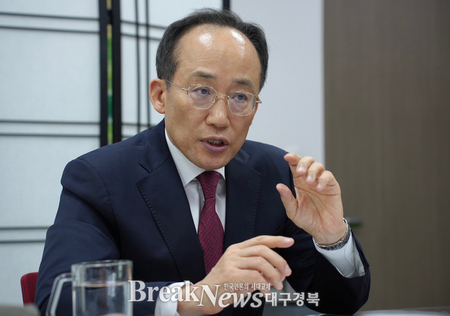
▲ 정길선 박사 ©브레이크뉴스 |
러시아 드론이 폴란드에 나타나는 사건은 러시아-우크라이나 전쟁이 개시된 이후 대치 중인 러시아와 나토 간의 긴장을 최악의 위험 수위로 끌어올린 결과가 되었다. 우크라이나로 군사 지원하는데 가장 많은 노력을 하고 있었던 도날드 투스크 총리는 과도하게 긴장을 끌어올렸다. 그러면서 러시아 드론을 격추하는 과정에 대해 대대적으로 공개해 유럽 대륙을 놀라게 했다. 물론, 대부분의 러시아 드론은 수십 또는 수백 ㎞를 비행한 이후 격추되지 않고 중간에 추락했다. 만약 해당 드론에 폭발물이나 대량살상용 무기들을 탑재하고 있었다면 엄청난 인명 사상이 있었을 것으로 여겨진다. 따라서 나토 전투기까지 긴급 출격해 격추 작전을 벌인 것은 이와 같은 우려 때문이다. NYT의 보도에 의하면 나토의 전투기가 회원국 영공에서 적의 드론을 공격하여 격추시킨 것은 1949년에 나토가 창립된 이후 처음이라 했다. 도날드 투스크는 긴급 각료회의를 연 이후 폴란드 영공이 러시아에 의해 총 19차례 침범을 당했고, 이중 드론 3∼4대를 격추했다고 주장했다.
그리고 이번 사건을 대규모적인 도발로 규정했다. 더 나아가 폴란드와 나토는 러시아가 꾸밀 수 있는 다양한 시나리오에 대비해야 한다면서 나토에 조약 제4조의 발동을 요청했다. 나토 조약 제4조는 영토에 대한 보존 및 정치적인 독립 이어 안보를 위협 받았던 회원국들이 긴급하게 협의를 요청할 수 있도록 규정하고 있는 일종의 약정문이다. 이에 따라 나토는 지난 10일 북대서양이사회(NAC)에서 러시아 드론의 나토국 침공에 대해 어떤 조치를 취할지 논의를 진행했다. 이는 1949년 나토의 창립 이후 조약 제4조가 발동된 것은 7차례 정도인데 이번이 제4조 발동의 8번째로 나타난다. 이렇게 보면 러시아가 드론 공격을 폴란드에 감행했고, 폴란드 뿐만 아니라 동유럽 나토 회원국 전체의 안보를 심각하게 위협한 것으로 보여지고 있다. 그러나 러시아-우크라이나 전쟁이 개시되었던 2022년 2월 24일, 폴란드를 비롯한 동유럽 나토 국가들인 불가리아, 체코, 에스토니아, 라트비아, 리투아니아, 루마니아, 슬로바키아가 공동으로 나토 조약 제4조 발동을 요청했었다.
이는 동유럽 지역인 구소련권의 우크라이나가 러시아가 군대의 공격이 시작되었으니, 해당 지역 국가들은 엄청난 안보 위협을 느꼈었으며 러시아의 드론 및 미사일 오작동으로 날라왔다 해도 그러한 위협으로 인해 제4조 발동을 요청했을 것은 당연하다고 본다. 그러니까 러시아라는 거대한 곰 한 마리가 포효했다고 나토의 강아지 몇 마리가 놀라 지레 겁을 먹고 공동 대응을 요청한 꼴이다. 러시아-우크라이나의 전쟁 이후 러시아 드론이 폴란드 영공을 넘어온 것은 물론 이번이 처음은 아니다. 사실, 지난 9월 3일과 7일까지 두 차례 더 있었다. 이를 두고 벨라루스의 파벨 무라베이코(Павел Муравейко) 육군참모총장은 최근에 있던 러시아 드론의 월경 사건 등이 러시아와 우크라이나가 서로 드론 공격을 주고받다가 드론을 무력화하는 전자전 대응으로 인해 드론이 항로를 이탈했던 우발적인 사고라 주장했다. 게다가 이러한 우발적인 항로 이탈의 가능성을 폴란드 측에 사전 통보를 했다고 주장했다.
이어 폴란드 측도 벨라루스의 통보 사실을 확인했다. 이전에도 있었던 별거 아닌 사건으로 심각하게 볼 필요가 없다는 것이다. 그리고 폴란드 영공을 침범한 것은 러시아 드론 만이 아니었다. 우크라이나의 미사일들과 드론들도 여러 차례 폴란드 영토에 낙하했다. 특히 2022년 11월에 우크라이나가 날아오는 러시아 미사일을 요격하는 과정에서 폴란드 민간인 지역을 오폭하여 타격하는 바람에 두 명의 사망자가 나왔다. 당시 폴란드와 우크라이나가 공동 조사를 통해 러시아가 폴란드를 미사일 공격했다며 공동 대응해야 한다고 그 난리를 쳤지만 조사 결과 우크라이나 요격 미사일의 오폭으로 밝혀져 폴란드와 우크라이나를 머쓱하게 만들었다. 러시아 드론은 또 다른 나토 회원국인 루마니아로 날아가기도 했지만 당시에도 루마니아는 이렇게까지 오버하면서 난리 친적은 없었다. 그리고 이는 오히려 정반대였다. 나토 회원국들은 우발적인 사고로 사태를 악화시켜서는 안 되며, 나토 회원국은 러시아의 공격 대상이 아니다는 측으로 규정했다.
그런데 폴란드의 이번 반응은 매우 이례적이다. 드론이 평소보다 폴란드 영토 깊숙이 침투한 것도 아니었고, 단지 이전보다 더 많이 월경했기 때문으로 이를 두고 러시아의 공격으로 보았던 것이다. 폴란드 매체 TVP는 드론 한 대가 우크라이나와 국경에서 250㎞ 넘게 떨어진 폴란드 중부 므니슈쿠프(Mnishkup)에 추락했다고 했다. 그런데 폴란드 국경을 경계하고 방공 시스템이 제대로 작동하지 않았던 것이 문제다. 러시아의 공격이 폴란드의 방공 시스템을 뜷어 버린 것이다. 그런데 폴란드 국내 정치 상황을 덮기 위해 선전용으로 러시아가 공격했다고 주장했다. 이는 마치 우리 대한민국에서도 정치적으로 심각한 문제가 있을 때 자주 이용하는 "북풍"과 매우 유사하다. 그와 마찬가지로 폴란드 정치권에서는 도날드 투스크 총리와 카롤 나브로츠키(Karol Nawrocki) 신임 대통령 사이에는 정치적 갈등이 매우 심각한 상태다. 폴란드 민족주의 성향을 갖고 있으며 폴란드 반공주의 운동사, 폴란드 인민공화국의 조직범죄사를 전공한 역사학자인 나브로츠키 대통령은 반(反) 우크라이나 노선을 걷고 있는 상태에 있다.
도날드 투스크 총리는 '러시아의 위협', 한국의 소위 '북풍'과 유사한 '러시아풍'을 전면적으로 내세워 대대적으로 선동하며 대통령과 맞서고 있는 상태다. 그리고 투스크는 그 전날인 9일에 벨라루스에서 시작된 러시아-벨라루스의 자파드 합동 군사 훈련을 이유로 벨라루스와의 국경을 폐쇄하기로 했다. 그에 대한 연장선상으로 끊임없이 이를 러시아의 도발과 공격으로 인식해 대러 공동 전선을 통해 러시아에 대한 전쟁을 선동하고 있는 것이다. 본래 나토에서 이같은 전쟁 선동을 그동안 프랑스의 마크롱이 계속 했었는데 요즘 마크롱이 국내 사정으로 인하여 핀치에 몰리게 되니 그 바톤은 폴란드의 투스크가 이어 받은 셈이 되는 것이다. 러시아 국방부는 텔레그램을 통해 폴란드 영토에 있는 목표물을 파괴할 계획은 없다고 주장하며 폴란드 측의 주장에 선을 그었다. 또한 폴란드 국방부와 드론 월경 사건에 대해 협의할 준비가 되어있다며 합동 진상 조사와 규명에 협조할 의사가 있다고 했지만 폴란드는 이를 거부할 것으로 보인다. 투스크의 계획적인 선전선동인데 러시아의 제안을 받아들일 이유는 없기 때문이다.
이러한 투스크의 행동이 오히려 '러시아 드론 월경 사건'을 폴란드 측의 자작극으로 의심하게 만드는 것이다. 더 심각한 문제는 여기서도 나타났다. 바로 나토 내 방공 체제가 엉망이라는 것인 드러난 것이다. 폴란드의 자체 국가 방공망 및 대공 시스템, 나토 공군 등은 이날 영공을 넘어온 러시아 드론을 몇 대 격추했다 한다. 독일 빌트지에 의하면 25대 중 고작 3대 격추했다고 한다. 이처럼 방공망이 취약하기 때문에 러시아 드론이 나토 국가 상공을 유유자적으로 돌아다녀도 잡아내기 힘들다는 것을 오히려 대대적으로 홍보한 꼴이 되었다. 이날 폴란드 공군은 이와 같은 러시아 드론을 잡기 위해 F-16 전투기까지 출격시켰다. 러시아 드론 하나 잡겠다고 그 비싼 F-16을 출격시키는 어처구니 없는 상황이 이어진 것이다. 더불어 나토 소속의 네덜란드 F-35 전투기까지 긴급 투입되었다. 여기에 이탈리아 공중조기경보통제기(AWACS), 독일 패트리엇 방공시스템까지 동원되었다. 그깟 드론 몇 개에 나토의 최첨단 방공망이 총 출동한 것이다. 그렇게 동원해도 격추한 드론이 최대 4대 밖에 되지 않는다고 한다. 나머지 드론들은 연료가 소진되면서 비행 중에 추락한 것으로 전해진다.
마르크 뤼터 나토 사무총장은 러시아 드론 요격 작전이 매우 성공적이었다고 주장했지만, 나토 최첨단 방공망이 총동원 된 성과치고는 매우 머쓱한 결과라 볼 수 있다. 야로스와프 그로마진스키(Jarosław Gromadziński) 폴란드 육군 중장 또한 유로뉴스의 인터뷰에서 이번 작전이 나토의 역량을 보여준 성공적인 작전이라 긍정적으로 평가했으며 이어 첨단 전투기 및 방공망 등의 투입은 파리를 잡기 위해 대포를 쏜 격이라 조롱하기도 했다. 폴란드는 사건 다음 날인 11일에 나토 동맹국에 방공 자산의 추가 배치를 긴급하게 요청했다.이에 트럼프는 10일 폴란드의 나브로츠키 대통령과 전화 통화에서 이와 같은 문제들이 논의되었을 가능성도 높다. 이후 나토 동부 지역의 방공망 강화를 위한 조치가 이미 시작되었으며 스웨덴은 항공기, 네덜란드는 패트리어트 방공시스템과 안티 드론 장비를 제공하기로 했다. 이어 영국과 프랑스, 독일, 체코, 이탈리아, 발트 3국도 곧 지원에 나설 것으로 보인다.
폴란드나 나토 입장에서 볼 때, 이번 드론 월경 사건은 나토가 러시아의 드론 공격에 보복적으로 대응하는 것이 아닌 취약한 방공망을 파악하고 이를 강화하는 측면으로 돌리고 있다. 사건 발생 당시, 폴란드는 러시아와 당장 전쟁이라도 할 것처럼 나섰지만 결국에는 꼬리를 내린 셈이 되었다. 우크라이나와 서방은 이 사건에 대한 논의를 지금도 계속하고 있다. 더불어 서방은 러시아에 대한 비판도 하고 있지만, 아직까지는 군사적인 대응 요구로 이어지지 않고 있다. 동시에 나토 동부 지역의 취약한 방공망 수준을 끌어올리기 위해 많은 요구가 이어지고 있는 상태다. 그런데 이러한 모습은 우크라이나에게는 절대적으로 불리한 상황이다. 우크라이나 측 입장에서 이번 사건은 나토가 러시아와 전쟁에 적극적으로 맞서며 최상의 조건으로는 참전하는 상황으로 이어지기를 바라고 있었다. 그러나 폴란드 등으로 방공 및 안티 드론 장비들이 추가로 배치되면, 러시아의 공습을 막기 위한 방공 자산을 확보하는 것에 엄청난 어려움을 겪게 된다.
젤렌스키도 러시아는 드론으로 폴란드를 침략한 행위 등으로 자신들의 동맹국인 서방 세력들로 하여금 겨울이 오기 전에 우크라이나에게 방공 시스템을 이전하지 못하도록 방해하고 있다는 어처구니 없는 주장을 하고 있다. 그러면서 젤렌스키는 이러한 러시아의 전략에 말려들지 말 것을 촉구했다. 러시아의 드론 월경은 나토에 대한 직접적인 공격이라며 비행금지지역을 설정하고, 집단적으로 대응해야 한다고 했지만 하루가 지나면서 집단대응의 주장은 많이 수그러진 상태다. 이는 트럼프의 대응 방향 때문인 것으로 보인다. 트럼프는 이번 사건에 대해 매우 모호한 입장을 취하고 있는 실정이다. 트럼프는 자신의 SNS인 '트루스 소셜'에 "러시아 드론이 폴란드를 침범했다니, 무슨 일인가? 이제부터 시작이다(Russian drones invade Poland. What's going on? It starts now)"라는 글을 올린 이후 더 이상 언급하지 않고 있다.
최종 보스나 마찬가지인 트럼프가 러시아와의 전쟁으로 몰아가면서 미국과 나토의 참전을 노렸던 자들에게 있어 트럼프의 이와 같은 대응은 실망스런 사건의 전개로 보인다. 그들은 이번 사건을 이용해 우크라이나 상황을 알래스카 러시아-미국 정상회담의 이전 적대적인 상태로 되돌리는 것이 목표였을 것인데 러시아-우크라이나 전쟁의 종식을 원하는 트럼프의 입장으로 볼 때 전혀 전쟁을 할 의사가 없어 보인다.
*필자/ 정길선.
노바토포스 회원, 역사학자, 고고인류학자, 칼럼니스트, 러시아 과학아카데미 유라시아 고고인류학연구소 연구교수.
*아래는 위 기사를 '구글 번역'으로 번역한 영문 기사의 [전문]입니다. '구글번역'은 이해도 높이기를 위해 노력하고 있습니다. 영문 번역에 오류가 있을 수 있음을 전제로 합니다.<*The following is [the full text] of the English article translated by 'Google Translate'. 'Google Translate' is working hard to improve understanding. It is assumed that there may be errors in the English translation.>
NATO's Article IV Treaty was invoked for the eighth time to prevent a Russian drone from crossing the Polish border, creating the highest level of tension in Eastern Europe.
By Jeong Gil-seon, columnist
The appearance of a Russian drone in Poland has escalated tensions between Russia and NATO, which have been at odds since the start of the Russo-Ukrainian War, to the highest level of danger. Prime Minister Donald Tusk, who had been most active in providing military support to Ukraine, has unduly heightened tensions. He then shocked the European continent by publicly disclosing the details of the downing of the Russian drone. Of course, most Russian drones crash after flying tens or hundreds of kilometers, rather than being shot down. If the drones had been carrying explosives or weapons of mass destruction, it is believed that there would have been significant casualties. Therefore, NATO fighter jets were scrambled to shoot them down, driven by these concerns. According to the New York Times, this marks the first time since NATO's founding in 1949 that a NATO fighter jet has attacked and shot down an enemy drone in the airspace of a member state. Donald Tusk, after convening an emergency cabinet meeting, claimed that Polish airspace had been violated a total of 19 times by Russia, and that he shot down three or four drones.
He characterized the incident as a large-scale provocation. Furthermore, he requested that NATO invoke Article IV, stating that Poland and NATO must prepare for various scenarios that Russia could conceive. Article IV of the NATO Treaty is a type of agreement that allows member states whose territorial integrity, political independence, and security have been threatened to request urgent consultations. Accordingly, NATO discussed measures to be taken in response to Russian drone attacks on NATO members at the North Atlantic Council (NAC) on the 10th. This marks the eighth time Article IV has been invoked since NATO's founding in 1949, with only seven instances having been invoked. This suggests that Russia's drone attacks on Poland pose a serious threat not only to Poland but to all Eastern European NATO member states. However, on February 24, 2022, the day the Russo-Ukrainian War began, Poland and other Eastern European NATO members—Bulgaria, the Czech Republic, Estonia, Latvia, Lithuania, Romania, and Slovakia—jointly requested the invocation of Article IV of the NATO Treaty.
This meant that Ukraine, a former Soviet bloc region in Eastern Europe, was under Russian military attack. The countries in the region felt a grave security threat, and even if the attack was caused by a malfunction of Russian drones or missiles, it would be natural for them to request Article IV due to such a threat. In other words, it's as if a few NATO puppies were startled by the roar of a giant bear called Russia and requested a joint response. This isn't the first time a Russian drone has crossed Polish airspace since the Russo-Ukrainian War. In fact, there were two other instances, on September 3rd and 7th. Belarusian Army Chief of Staff Pavel Muraveiko claimed that the recent Russian drone crossing incidents were accidental, caused by Russian and Ukrainian drone attacks and electronic warfare countermeasures that deactivated the drones. He further claimed that Poland had been notified in advance of the possibility of such an accidental deviation.
Poland subsequently confirmed Belarus' notification, stating that these were minor incidents that had occurred previously and should not be taken seriously. Furthermore, Russian drones were not the only ones to violate Polish airspace. Ukrainian missiles and drones have also landed on Polish territory on several occasions. Notably, in November 2022, Ukraine mistakenly targeted a Polish civilian area while intercepting an incoming Russian missile, resulting in two deaths. At the time, Poland and Ukraine jointly investigated the incident, claiming that Russia had launched a missile attack on Poland and demanded a joint response. However, the investigation revealed that the incident was a misfire by a Ukrainian interceptor missile, leaving both Poland and Ukraine embarrassed. Russian drones also flew into Romania, another NATO member, but even then, Romania had never gone to such lengths to cause such a stir. In fact, the opposite was true. NATO members argued that accidental incidents should not escalate the situation and that NATO members were not targets of Russian attacks.
However, Poland's response this time was quite unusual. The drones did not penetrate Polish territory more deeply than usual, but simply crossed the border more frequently than before, and this was interpreted as a Russian attack. Polish media outlet TVP reported that one drone crashed in Mnishkup, central Poland, over 250 kilometers from the border with Ukraine. The problem was that Poland's border security and air defense systems were not functioning properly. The Russian attack had overpowered Poland's air defense systems. However, to cover up the domestic political situation in Poland, the Russians claimed the attack was a propaganda ploy. This is very similar to the "North Wind" tactic often used in South Korea to address serious political issues. Similarly, in Polish politics, the political conflict between Prime Minister Donald Tusk and newly elected President Karol Nawrocki is at a critical juncture. President Nawrocki, a Polish nationalist and historian specializing in the history of Polish anti-communist movements and organized crime in the Polish People's Republic, is pursuing an anti-Ukrainian stance.
Prime Minister Donald Tusk is confronting the president with a broad campaign of incitement, citing the "Russian threat" and the "Russian style," akin to South Korea's so-called "North Wind." Furthermore, Tusk decided to close the border with Belarus on the 9th, citing the joint Russian-Belarusian military exercises in Zapad that had begun in Belarus the day before. In response, he is constantly perceiving these exercises as Russian provocations and attacks, inciting war against Russia through a united front against Russia. France's Macron had been the primary instigator of this kind of war within NATO, but with Macron now in a difficult position due to domestic issues, Tusk has effectively taken over the reins. The Russian Ministry of Defense, via Telegram, denied Poland's claims, insisting that it had no plans to destroy targets on Polish territory. It also said it was ready to discuss the drone crossing incident with the Polish Ministry of Defense and offered cooperation in a joint investigation and investigation. However, Poland is expected to reject this. Tusk's deliberate propaganda campaign has no reason to accept Russia's proposal.
Tusk's actions are actually raising suspicions that the "Russian drone crossing incident" was orchestrated by Poland. A more serious problem has emerged: the disarray of NATO's air defense system. Poland's own air defense network and air defense systems, as well as the NATO Air Force, reportedly shot down several Russian drones that crossed into its airspace that day. According to the German newspaper Bild, only three out of 25 were shot down. This, in turn, served as a major publicity stunt to highlight the difficulty of intercepting Russian drones, even if they freely roamed the skies of NATO countries due to their vulnerable air defenses. On that day, the Polish Air Force scrambled F-16 fighter jets to intercept the Russian drones. The absurdity of deploying such expensive F-16s to intercept a single Russian drone continued. Furthermore, NATO's Dutch F-35 fighter jets were urgently deployed. Italian Airborne Warning and Control (AWACS) aircraft and German Patriot air defense systems were also deployed. NATO's most advanced air defense system was deployed to counter a handful of drones. Despite this mobilization, only four drones were reportedly shot down. The remaining drones reportedly ran out of fuel and crashed mid-flight.
NATO Secretary General Mark Rutte claimed the Russian drone interception operation was a great success, but considering the mobilization of NATO's most advanced air defense system, the results were quite disappointing. Polish Army Lieutenant General Jarosław Gromadziński also positively evaluated the operation as a successful demonstration of NATO's capabilities in an interview with Euronews. He then derided the deployment of advanced fighter jets and air defenses as "shooting a fly with a cannon." Poland urgently requested additional air defense assets from NATO allies on the 11th, the day after the incident. It's highly likely that Trump discussed these issues during a phone call with Polish President Navalnokski on the 10th. Since then, efforts to strengthen NATO's air defense network in the eastern region have already begun, with Sweden providing aircraft and the Netherlands providing Patriot air defense systems and anti-drone equipment. The UK, France, Germany, the Czech Republic, Italy, and the Baltic states are expected to provide support soon.
From the perspectives of Poland and NATO, this drone crossing incident suggests that NATO is not responding retaliatoryly to Russian drone attacks, but rather identifying and strengthening vulnerable air defenses. At the time of the incident, Poland appeared poised to launch an immediate war with Russia, but ultimately backed down. Ukraine and the West are still discussing the incident. The West has also criticized Russia, but so far, it has not led to a military response. At the same time, there are numerous demands to strengthen NATO's vulnerable air defense network in eastern Russia. This situation is extremely disadvantageous for Ukraine. From Ukraine's perspective, the incident was expected to lead to NATO actively opposing Russia and, under optimal conditions, participating in the war. However, if additional air defense and anti-drone equipment is deployed to countries like Poland, securing air defense assets to counter Russian air strikes will be extremely difficult.
Zelensky also made the absurd claim that Russia, through its drone invasion of Poland, is preventing its Western allies from transferring air defense systems to Ukraine before winter. Zelenskyy urged the public not to be drawn into this Russian strategy. He argued that Russian drone crossings constituted a direct attack on NATO and called for a no-fly zone and a collective response. However, as the day passed, calls for a collective response significantly weakened. This appears to be due to Trump's response. Trump has maintained a very ambiguous stance on the incident. He posted on his social media platform, "Truth Social," "Russian drones invade Poland. What's going on? It starts now," and has not commented further since.
For those who had hoped for US and NATO involvement in the conflict, driven by Trump, who is effectively the ultimate boss, Trump's response is a disappointing development. They likely aimed to use this incident to return the situation in Ukraine to the hostile conditions that existed before the Alaska Russia-US summit. However, given Trump's desire to end the Russia-Ukraine conflict, it appears he has no intention of going to war.