브레이크뉴스 김충열 정치전문기자 = 병역의무 대상자 가운데 대한민국 국적을 포기한 남성이 연평균 4천 명을 넘는 것으로 나타났다.
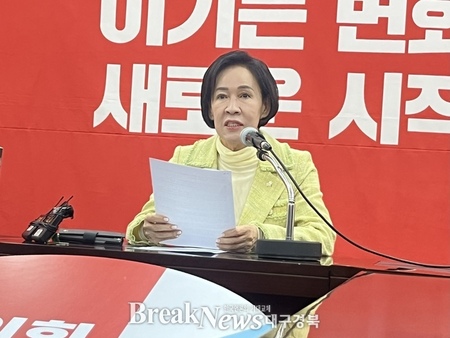
 ▲ 황희 의원은 “軍의 안정적 병력운영을 위해서는 병역자원에 대한 충원율 제고를 위한 대책도 중요하지만, 병역기피 수단으로 악용될 수도 있는 국적 포기자에 대한 엄격한 기준 정립도 시급하다”고 강조했다. © 김충열 정치전문기자 |
더불어민주당 황희 의원(서울 양천갑)이 병무청으로부터 제출받은 자료를 분석한 결과, 2021년부터 올해 8월말까지 병역의무 대상자(18~40세) 가운데 국적 포기(국적상실+국적이탈)자는 총 1만8천434명으로 나타났다. 전체 국적 포기자 중 외국 국적을 선택한 국적 상실자는 1만2천153명으로 65.9%를 차지했고, 국적 이탈자는 6천281명으로 34.1%였다.
올 한해 현역 입대자 수가 20만 명인 것을 감안하면 병역 자원 10명 중 1명이 국적 포기로 입영 대상에서 제외된 셈이다.
이중 유학 등 장기 거주로 외국 국적 취득 후 한국 국적을 포기한 경우(국적상실)가 1만2천153명에 달했다. 부모의 경제적 여유와 사회적 지위가 뒷받침돼야 자녀가 유학 등으로 장기 체류할 수 있음을 고려하면 결국 금수저가 병역의무에까지 영향을 미친다고 볼 수 있다.
국적 포기로 인한 병적 제적은 ‘국적상실’과 ‘국적이탈’로 나뉜다. 국적상실은 대한민국 국적자가 유학 등 외국에서 장기 거주 등으로 자진해서 외국 국적을 취득하거나 복수국적자가 대한민국 국적을 선택하지 않는 경우를 의미한다. 국적이탈은 선천적 복수국적자가 대한민국 국적을 포기하는 것을 뜻한다.
국적 포기 후 가장 많이 취득한 국적은 미국, 캐나다, 일본, 호주, 뉴질랜드 순이었다. 미국 국적 취득자는 7천510명으로 전체의 61.8%에 달했다. 뒤이어 캐나다 1천853명(15.3%), 일본 1천96명(9.0%), 호주 649명(5.3%), 뉴질랜드 413명(3.4%) 순이었다.
국적 이탈자도 미국 4천721명(75.2%), 일본 493명(7.9%), 캐나다 429명(6.8%), 호주 172명(2.7%), 뉴질랜드 103명(1.6%) 순으로 많았다.
 ▲ 황 의원은 “이중 국적자의 병역 이행을 유도하기 위한 대책을 마련하고, 군복무가 사회진출 디딤돌이 되도록 병역의무자에 대한 지원에도 더욱 힘써야 한다”고 밝혔다. © 김충열 정치전문기자 |
반면, 외국 영주권자 등 국외 이주자 자원입영 신청 현황에 따르면, 2021년부터 올해 8월까지 총 2천813명이 신청한 것으로 나타났다. 미국(511명), 중국(476명), 베트남(260명), 일본(220명), 캐나다(155명), 인도네시아(154명) 순으로 많았다.
황희 의원은 “軍의 안정적 병력운영을 위해서는 병역자원에 대한 충원율 제고를 위한 대책도 중요하지만, 병역기피 수단으로 악용될 수도 있는 국적 포기자에 대한 엄격한 기준 정립도 시급하다”고 강조했다. 또한 “이중 국적자의 병역 이행을 유도하기 위한 대책을 마련하고, 군복무가 사회진출 디딤돌이 되도록 병역의무자에 대한 지원에도 더욱 힘써야 한다”고 밝혔다. hpf21@naver.com
* 아래는 위 기사를 '구글 번역'으로 번역한 영문 기사의 [전문]입니다. '구글번역'은 이해도 높이기를 위해 노력하고 있습니다. 영문 번역에 오류가 있을 수 있음을 전제로 합니다. *The following is [the full text] of the English article translated by 'Google Translate'. 'Google Translate' is working hard to improve understanding. It is assumed that there may be errors in the English translation.
Rep. Hwang Hee: "I don't want to go to the military... 18,434 people subject to military service have renounced their citizenship in the past five years."
2,813 people, including permanent residents of foreign countries, voluntarily enlisted despite not being required to serve in the military.
Break News Political Reporter Kim Choong-lyoul = An average of over 4,000 men subject to military service have renounced their Korean citizenship annually.
According to an analysis of data submitted by the Military Manpower Administration to Rep. Hwang Hee (Seoul Yangcheon A), a member of the Democratic Party of Korea, from 2021 to the end of August this year, a total of 18,434 people subject to military service (aged 18-40) have renounced their citizenship (loss of citizenship + renunciation of citizenship). Of those who renounced their citizenship, 12,153, or 65.9%, chose a foreign citizenship, while 6,281, or 34.1%, renounced their citizenship.
Considering that 200,000 active-duty soldiers enlisted this year, one in ten conscripts was excluded from military service due to renunciation of their citizenship.
Of these, 12,153 renounced their Korean citizenship after acquiring foreign citizenship through long-term residence, such as studying abroad. Considering that children can only study abroad for extended periods if their parents' financial well-being and social status are strong, it can be said that the "golden spoon" factor ultimately affects military service obligations.
Military registration expulsion due to renunciation of citizenship is divided into "loss of citizenship" and "renunciation of citizenship." Loss of citizenship refers to a Korean citizen voluntarily acquiring a foreign citizenship through long-term residence, such as studying abroad, or a dual citizen who chooses not to remain Korean. Renunciation of citizenship refers to a person with dual citizenship by birth who renounces their Korean citizenship.
The most common nationalities acquired after renunciation were the United States, Canada, Japan, Australia, and New Zealand. Those who acquired American citizenship accounted for 61.8% of the total, at 7,510. This was followed by Canadians at 1,853 (15.3%), Japanese at 1,096 (9.0%), Australians at 649 (5.3%), and New Zealanders at 413 (3.4%).
The largest number of those who renounced their citizenship were Americans at 4,721 (75.2%), Japanese at 493 (7.9%), Canadians at 429 (6.8%), Australians at 172 (2.7%), and New Zealanders at 103 (1.6%).
Conversely, according to data on applications for voluntary enlistment by foreign permanent residents and other immigrants, a total of 2,813 people applied from 2021 to August of this year. The United States (511), China (476), Vietnam (260), Japan (220), Canada (155), and Indonesia (154) had the largest number of cases, in that order.
Representative Hwang Hee emphasized, "While measures to increase the recruitment rate for military service personnel are crucial for stable military operations, it is also urgent to establish strict criteria for those who renounce their citizenship, as these individuals could be exploited as a means of evading military service." He also stated, "We must establish measures to encourage dual citizenship holders to fulfill their military service, and we must further strengthen our support for those with mandatory military service so that military service can serve as a stepping stone to social advancement." hpf21@naver.com