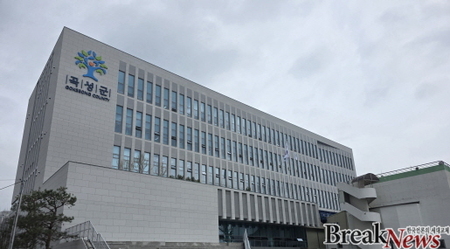
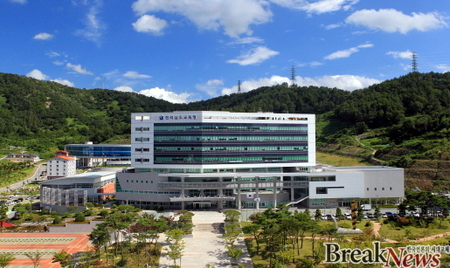
▲ 광양시청 전경 |
전남 광양시가 2040년을 목표로 한 도시기본계획을 확정하고 미래지향적 도시발전 전략을 본격 추진한다.
16일 광양시에 따르면 '2040 광양 도시기본계획'은 지난 8월 18일 전라남도지사로부터 승인을 받은 후 8월 27일부터 9월 30일까지 공고·열람 절차를 거쳐 최종 수립됐다.
이번 계획은 '국토의 계획 및 이용에 관한 법률' 제22조의 2에 따라 수립된 것으로 기존 '2030 광양 도시기본계획'을 대체하는 장기 도시발전 전략이다.
급변하는 도시 여건과 인구구조 변화에 대응해 광양시의 공간구조와 기능을 재정립하고 실현 가능한 도시정책 방향을 제시하는 것을 목표로 한다.
도시공간 구조는 '2도심, 1부도심, 6지역중심' 체계로 재편됐다.
광양읍~광양항~중마동을 주축으로 한 개발축과 함께, 광양읍~순천, 중마동~하동, 다압~태인을 잇는 부축을 설정해 광역적 연계 기능을 강화했으며 자연환경보전축, 시가지연접녹지축, 섬진강수변축의 보전축을 유지해 지속가능한 도시환경 기반을 마련했다.
생활권은 기존 5개 중생활권에서 광양중생활권·중마중생활권·골약중생활권 3개 중생활권으로 통합됐다. 계획인구는 2040년까지 20만 3천 명으로 설정됐으며, 전체 도시계획구역은 497.647㎢다.
토지이용 측면에서는 시가화용지가 72.689㎢에서 72.925㎢로, 시가화예정용지가 15.771㎢에서 15.737㎢로 조정됐다. 주거·공업용지는 확대된 반면 상업용지는 일부 축소돼 산업기능 중심으로 재편, 전략적 용지 배분이 이뤄졌다.
특히 광양시는 구봉산 관광단지를 중심으로 한 복합관광 기능을 확대하고 수소 산업을 4차 산업과 연계한 미래 신성장 동력으로 육성함으로써 관광과 산업 분야에서 특화된 도시 기능을 강화하고 도시 경쟁력을 높여 나갈 방침이다.
정인화 광양시장은 "2040 도시기본계획은 도시 경쟁력 제고와 시민 삶의 질 향상을 위한 종합 청사진"이라며 "계획에 따라 실행과제를 단계적으로 추진하고 지역 균형발전과 지속 가능한 글로벌 미래도시 광양 실현에 박차를 가하겠다"고 밝혔다.
[아래는 구글로 번역한 영문기사 전문입니다. 영문번역에 오류가 있을 수 있음을 전제로 합니다. Below is the full English article translated by Google. It is assumed that there may be errors in the English translation.]
Gwangyang City, South Jeolla Province, has finalized its master urban plan for 2040 and is actively pursuing a future-oriented urban development strategy.
According to Gwangyang City on the 16th, the "2040 Gwangyang Master Urban Plan" was finalized after receiving approval from the Governor of South Jeolla Province on August 18th and undergoing a public announcement and review process from August 27th to September 30th.
This plan, established pursuant to Article 22-2 of the National Land Planning and Utilization Act, is a long-term urban development strategy that replaces the existing "2030 Gwangyang Master Urban Plan."
It aims to reestablish Gwangyang City's spatial structure and functions in response to rapidly changing urban conditions and demographic shifts, and to present feasible urban policy directions.
The urban spatial structure has been reorganized into a "two city centers, one sub-city center, and six regional centers."
In addition to the development axis centered on Gwangyang-eup, Gwangyang Port, and Jungma-dong, the secondary axes connecting Gwangyang-eup and Suncheon, Jungma-dong and Hadong, and Daap and Taein were established to strengthen regional connectivity. Furthermore, the preservation axis of the natural environment conservation axis, the green space axis adjacent to the city center, and the Seomjin Riverside axis were maintained to lay the foundation for a sustainable urban environment.
The existing five living zones were consolidated into three: Gwangyang, Jungma, and Golyak. The planned population is set at 203,000 by 2040, and the total urban planning area is 497.647㎢.
In terms of land use, the area for urbanization was reduced from 72.689㎢ to 72.925㎢, and the area slated for urbanization was adjusted from 15.771㎢ to 15.737㎢. While residential and industrial land has expanded, some commercial land has been reduced, resulting in a strategic land allocation focused on industrial functions.
In particular, Gwangyang City plans to expand its integrated tourism functions centered around the Gubongsan Tourist Complex and foster the hydrogen industry as a future new growth engine linked to the Fourth Industrial Revolution. This will strengthen specialized urban functions in tourism and industry and enhance the city's competitiveness.
Gwangyang Mayor Jeong In-hwa stated, "The 2040 Urban Master Plan is a comprehensive blueprint for enhancing the city's competitiveness and improving the quality of life for its citizens. We will implement the plan in phases to accelerate balanced regional development and realize Gwangyang as a sustainable, global city of the future."
원본 기사 보기:브레이크뉴스전남동부