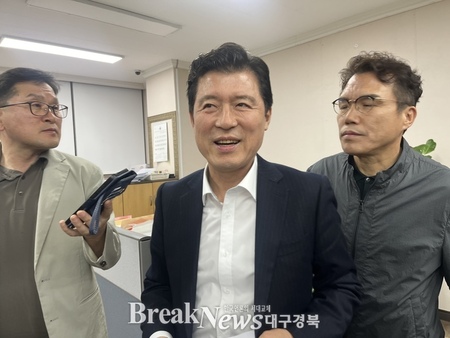
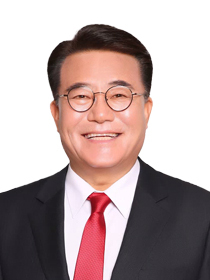
▲ 백승아 국회의원(더불어민주당, 국회 교육위원회) ©박상도 기자 |
(브레이크뉴스인천 박상도 기자) 올해 전국 특수교육대상자 수가 5 만명을 넘겼지만 여전히 10 명 중 1 명 이상은 신청 학교에 배치되지 못한 것으로 나타났다 .
특수교육 신청자는 꾸준히 늘고 있으나 이들을 수용할 특수학교와 학급이 부족하다는 지적이 제기된다 .
국회 교육위원회 백승아 의원 ( 더불어민주당 ) 이 교육부로부터 제출받은 ' 최근 5 년간 특수교육대상자 선정 · 배치 현황 ' 에 따르면 , 올해 특수교육 신청자는 5 만 1896 명으로 집계됐다.
그중 신청한 학교에 배치된 학생은 4 만 5291 명으로 배치율은 87.5% 에 그쳤다.
특수교육대상자는 장애인 등에 대한 특수교육법 시행령 제 10 조 관련 교육장 또는 교육감이 특수교육을 필요로 하는 대상으로 각 시도교육청에서 시행하는 진단평가와 특수교육운영위원회 심사에 따라 선정된 학생을 의미한다.
법적으로 특수교육대상자들이 배치받을 수 있는 기관은 특수학교 , 일반학교의 일반학급 , 일반학교의 특수학급이다.
그러나 이 과정에서 특수학교나 특수학급의 정원 문제로 배치받지 못하는 학생도 꾸준히 발생하고 있다.
일부 학생은 진학을 유예하고 다음 배치를 기다리는 상황도 벌어지고 있다 .
현행법상 특수학급의 적정 정원은 유치원 4 명 , 초 · 중학교 6 명 , 고등학교 7 명으로 시도교육청마다 과밀 ( 법정인원 초과 ) 특수학급 문제가 상시화된 상황이다 .
2025 년 특수교육대상자 배치율은 시도별로는 올산이 76.7% 로 가장 낮았고 , 세종이 94.3% 로 가장 높았으며 울산에서는 1500 명 중 1150 명이 , 세종에서는 616 명 중 581 명이 배치됐다.
학교급별로는 고등학교의 배치율이 95.8% 로 가장 높았고 , 초등학교는 84.0% 로 가장 낮았으며 유치원은 84.3%, 중학교는 89.3% 였다.
최근 5 년간 특수교육 신청자는 꾸준히 증가했지만 배치율은 오히려 하락세를 보였다.
신청자는 △ 2021 년 4 만 203 명 △ 2022 년 4 만 4931 명 △ 2023 년 5 만 584 명 △ 2024 년 5 만 1583 명 △ 2025 년 5 만 1896 명으로 늘었다 .
반면, 배치율은 △ 2021 년 93.8% △ 2022 년 92.2% △ 2023 년 90.0% △ 2024 년 89.1% △ 2025 년 87.5% 로 낮아졌다 .
백승아 의원은 “ 특수교육대상자가 매년 빠르게 증가하는데도 과밀학급 해소나 특수학교 신설은 여전히 더디다 ” 며 “ 이재명 정부의 국정과제에도 포함된 특수교육 여건 개선과 특수교사 정원 확충이 제대로 추진될 수 있도록 정부가 구체적인 로드맵을 마련해 조속히 시행해야 한다 ” 고 강조했다.
*아래는 위 기사를 ‘구글 번역’으로 번역한 영문 기사의 [전문]입니다.‘구글번역’은 이해도 높이기를 노력하고 있습니다. 영문 번역에 오류가 있을 수 있음을 전제로 합니다.<*Below is the full text of the English translation of the above article, translated using Google Translate. Google Translate strives to improve comprehension. Please note that there may be errors in the English translation.>
Representative Baek Seung-ah: Special classes and schools need to be expanded... A roadmap must be established...
-Break News Incheon Park Sang-do Reporter
This year, the number of special education students nationwide exceeded 50,000, but more than one in ten still have not been placed in the schools they applied for.
While the number of applicants for special education continues to increase, there are concerns that there are not enough special schools and classes to accommodate them.
According to the "Status of Selection and Placement of Special Education Students Over the Past 5 Years" submitted to the Ministry of Education by Representative Baek Seung-ah (Democratic Party of Korea) of the National Assembly Education Committee, 51,896 students applied for special education this year.
Of these, 45,291 were placed in the schools they applied for, resulting in a placement rate of only 87.5%.
Special education recipients are students identified as requiring special education by the superintendent of education or the superintendent of education, as defined in Article 10 of the Enforcement Decree of the Special Education for Persons with Disabilities Act, based on a diagnostic assessment conducted by each provincial or metropolitan office of education and a review by the Special Education Steering Committee.
Legally, special education recipients can be placed in special schools, regular classes in general schools, or special classes in general schools.
However, due to capacity constraints in special schools or special classes, some students are consistently unable to attend. Some students are even forced to postpone their enrollment and wait for a later placement.
Currently, the appropriate capacity for special education classes is 4 students in kindergartens, 6 students in elementary and middle schools, and 7 students in high schools.
This means that overcrowding (exceeding the legal capacity) is a persistent problem in each provincial or metropolitan office of education.
By city and province, the 2025 special education placement rate was lowest in Olsan at 76.7%, while Sejong had the highest at 94.3%. In Ulsan, 1,150 out of 1,500 students were placed, and in Sejong, 581 out of 616 students were placed.
By school level, high schools had the highest placement rate at 95.8%, while elementary schools had the lowest at 84.0%. Kindergartens and middle schools had 84.3% and 89.3%, respectively.
While the number of special education applicants has steadily increased over the past five years, placement rates have actually declined.
The number of applicants increased to 40,203 in 2021, 44,931 in 2022, 50,584 in 2023, 51,583 in 2024, and 51,896 in 2025.
Conversely, the placement rate decreased to 93.8% in 2021, 92.2% in 2022, 90.0% in 2023, 89.1% in 2024, and 87.5% in 2025.
Rep. Baek Seung-ah emphasized, “Although the number of special education students is rapidly increasing every year, the resolution of overcrowded classes and the establishment of new special schools are still slow,” and “The government must quickly prepare a specific roadmap and implement it so that the improvement of special education conditions and the expansion of special education teachers, which are included in the Lee Jae-myung administration’s national agenda, can be properly promoted.”
원본 기사 보기:ebreaknews.com