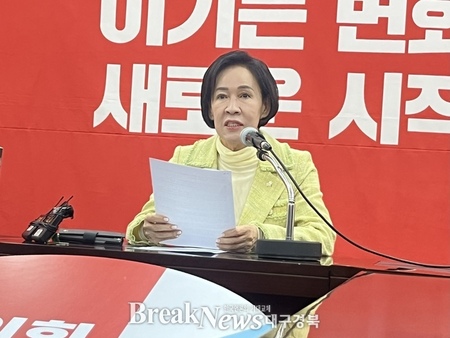
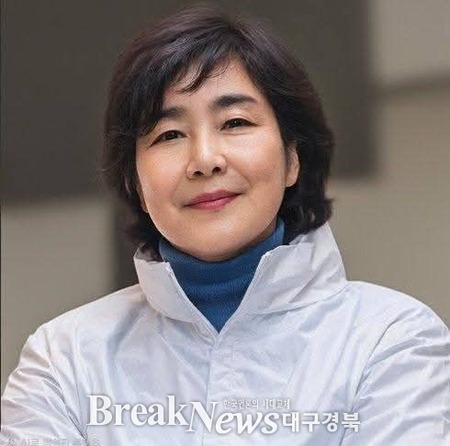
▲ 이인선 의원 © |
【브레이크뉴스 대구】진예솔 기자=국민의힘 이인선 의원(대구 수성구을)이 국세청 자료를 분석한 결과, 근로소득세 과세표준 구간이 물가 상승과 임금 인상을 전혀 반영하지 못하고 있는 것으로 드러났다.
최근 근로소득세는 전체 국세에서 차지하는 비중이 2014년 12.4%에서 2024년 18.1%로 꾸준히 증가했다. 법인세 비중(18.8%)과 거의 맞먹는 수준으로, 정부가 징수하기 용이한 근로소득세에 과도하게 의존하고 있다는 지적이다.
문제는 근로소득세 과세표준 체계가 2008년 이후 사실상 그대로 유지됐다는 점이다. 2023년에야 일부 구간이 소폭 조정되는 데 그쳤다. 이에 따라 2010년 전체 근로자의 76%가 받던 저율세(6%) 적용 비율은 2022년 43.2%로 급감한 반면, 15% 세율 적용 근로자는 20.2%에서 43.4%로 늘었다.
이는 ‘브래킷 크리프(Bracket Creep)’ 현상으로 이어졌다. 물가와 임금이 상승했지만 과세표준은 제자리걸음인 탓에, 근로자들은 실질소득이 늘지 않았음에도 더 높은 세율을 적용받아 세금 부담이 자동으로 증가하고 있다.
실제 2018년 소비자물가지수는 99.1에서 2022년 107.7로 8.7% 상승했지만, 1인당 평균 근로소득세는 206만 2천원에서 288만원으로 39.6%나 증가했다. 월급은 올랐지만 실제 가처분소득은 줄어드는 역설이 현실화된 셈이다.
이인선 의원은 “정부가 근로소득세 물가 연동제를 도입하지 않는 한, 서민들의 실질 세부담은 계속 커질 수밖에 없다”며 “물가 상승기에 납세자의 부담을 완화하지 않으면 소비 위축과 경기 둔화로 이어져 서민 경제 전반이 위축될 것”이라고 비판했다.
그는 이어 “미국, 캐나다, 유럽 등 주요국처럼 소득세를 물가에 연동해 조정하고, 브래킷 크리프 현상을 해소해야 국민이 월급을 벌어도 더 가난해지는 구조를 막을 수 있다”고 강조했다.
<구글 번역으로 번역한 영문 기사의 전문 입니다. 번역에 오류가 있을 수 있음을 밝힙니다.>
An analysis of National Tax Service data by People Power Party lawmaker Lee In-sun (Daegu Suseong District B) revealed that the earned income tax brackets fail to reflect inflation and wage increases.
Recently, the earned income tax's share of total national taxes has steadily increased from 12.4% in 2014 to 18.1% in 2024. This figure is nearly equal to the corporate tax share (18.8%), raising concerns that the government is overly reliant on the easily collectible earned income tax.
The problem is that the earned income tax bracket system has remained essentially unchanged since 2008, with only minor adjustments to some brackets occurring in 2023. As a result, the proportion of workers subject to the low-rate (6%) tax, which stood at 76% in 2010, plummeted to 43.2% in 2022, while the proportion subject to the 15% tax rate increased from 20.2% to 43.4%.
This has led to a phenomenon called "bracket creep." While prices and wages have risen, the tax base has remained stagnant. As a result, workers are automatically subject to higher tax rates even though their real income has not increased, resulting in an increased tax burden.
In fact, the Consumer Price Index rose 8.7% from 99.1 in 2018 to 107.7 in 2022, yet the average per capita earned income tax increased by 39.6%, from 2.062 million won to 2.88 million won. This paradox, where wages rise but actual disposable income decreases, has become a reality.
Rep. Lee In-sun criticized, "Unless the government introduces a price indexation system for the earned income tax, the real tax burden on ordinary citizens will inevitably continue to increase." He added, "If the burden on taxpayers is not alleviated during a period of rising prices, it will lead to a decline in consumption and an economic slowdown, which will weaken the overall economy for ordinary citizens."
He continued, "Like major countries like the US, Canada, and Europe, we need to adjust income taxes to prices and address bracket creep to prevent people from becoming poorer even as they earn their salaries."
원본 기사 보기:브레이크뉴스 대구경북