▲ 청농 문관효 서예 작품, 훈민정음 언해본, 150×210cm, 한지에 먹 |
동양 삼국의 서예 작품을 한자리에서 살펴볼 수 있는 ‘한중일 서예국제 교류전’이 10월 31일부터 11월 8일까지 예술의전당 서울서예박물관에서 열린다. 문화체육관광부가 주최하고 한국서총(서예단체총연합회)이 주관하는 이번 전시는 한자문화권의 서예가들이 한글, 한자를 아우르는 ‘문자 예술의 혼’을 교류하는 뜻깊은 자리다. 한국 대표 서예 작가 중 한 명으로 초청받은 청농 문관효 서예가는 역작 ‘훈민정음 언해본 전문'을 출품한다.
청농 문관효 서예 작가는 작은 글씨 한글과 큰 글자 한자로 되어있던 원형의 ‘훈민정음 언해본’을 5년여에 걸쳐 새롭게 서예 작품으로 완성하였다. 그는 세종대왕의 창제 정신에 따라 ‘큰 글씨 한글, 작은 글씨 한자’로 배열을 바꾸어 한글의 주체성과 미학을 되살렸다. 이 작품으로 그는 2013년 서예계 최고상인 원곡서예문화상을 수상하였으며 같은 해 문화체육관광부 ‘한글문화큰잔치’ 공식 행사에 선정되어 광화문 광장에 60m 현수막 작품으로 공개되었다. 이후 2019년까지 7년 연속으로 한글문화행사에 초청되어 2015년에는 ‘훈민정음해례본’을 60m 현수막 설치전으로 선보였다.
훈민정음해례본은 세종대왕이 1443년에 훈민정음 28자를 창제하고 1446년 이를 반포하며 ‘해설’과 ‘용례’를 붙인 책이다. 훈민정음해례본은 문자 창제의 목적과 원리, 인류사적 가치를 기록한 인류 문명사의 빛나는 문헌으로 1962년 대한민국 국보 제70호로 지정되었으며 1997년 유네스코 세계기록유산에 등재되었다. 특히 세종대왕은 모든 백성이 쉽고 바른 문자로 소통할 수 있는 세상을 꿈꾸며 지식이 권력이 아니라 공공의 빛이 되기를 바랐다.
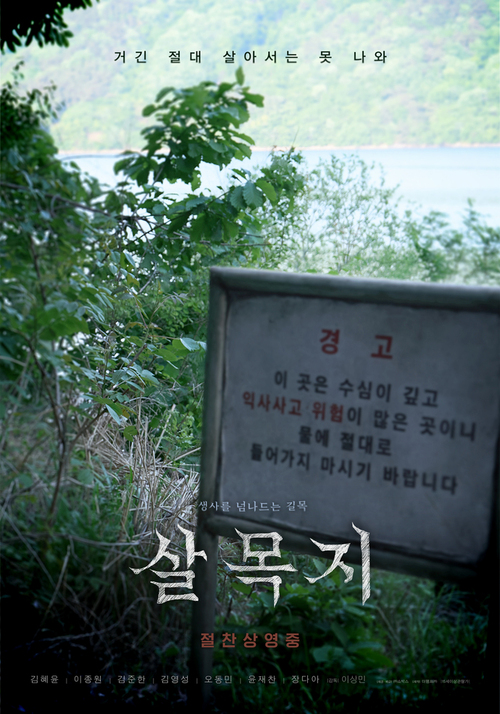
 ▲ ‘한중일 서예국제 교류전’ 포스터 |
훈민정음 언해본은 1446년 반포된 훈민정음해례본 중 서문과 예의를 1459년에 우리말로 번역하여 ‘월인석보’ 권 1에 수록한 것으로 원래는 한자를 큰 글씨로 앞세우고 한글을 작은 보조 문자로 표기하였다. 그러나 세종대왕은 이미 1449년 월인천강지곡‘에서 한글을 한자보다 크게 앞세워 표기하였다. 이는 세종의 언어관, 곧 ‘한글이 주류 문자로 자리 잡아야 한다’라는 신념의 선언이었다.
청농 문관효는 이러한 세종의 뜻을 이어받아 언해본의 배열을 완전히 전환하였다. 큰 글씨 한글, 작은 글씨 한자로 새롭게 쓴 ‘훈민정음 언해본’은 세종의 창제 철학을 현대적으로 계승한 서예적 복원이며 후손들이 한글의 미학을 시각적으로 체험할 수 있게 한 상징적 시도이다. 한지 위에 먹으로 그려낸 150×210cm의 대작은 단순한 서예 작품을 넘어 한글을 ‘정신의 미학’으로 승화시킨 예술적 기록이다.
문관효 서예가의 작업 뒤에는 세종국어문화원을 이끄는 한글학자 김슬옹 박사의 오랜 자문과 학문적 검증이 있었다. 김 박사는 훈민정음의 역사적 고증과 학문적 근거를 제공하여 작가의 창작이 실증적 근거 위에서 이루어지도록 도왔다. 학문과 예술이 손을 맞잡은 이 협업이 있었기에 ‘훈민정음 언해본’ 서예 작품은 세종의 철학을 생생히 되살린 민족의 언어 기념비로 완성될 수 있었다.
훈민정음 언해본은 단순히 글자의 아름다움이 아니라 ‘말의 정의’를 담는다. “나랏 말씀이 중국과 달라 문자로 서로 통하지 아니하여 어린 백성이 뜻을 펴지 못하니라.” 세종이 한글을 창제한 이유는 백성의 언어가 권력의 언어와 단절된 현실을 바꾸기 위함이었다.
문관효의 서예는 바로 그 뜻을 오늘에 되살렸다. 한글의 가로쓰기, 한글을 앞세운 글씨는 ‘소통의 문명’을 향한 예술적 예언이다.
한글 반포 579주년을 맞아 선보이는 청농 문관효의 서예 작품 ‘훈민정음 언해본’은 문자와 정신과 예술이 어우러진 장엄한 민족의 정신이다. 백성의 말에서 피어난 글자와 그 글자를 예술로 되살린 작가의 손끝에서 우리는 다시 세종의 목소리를 듣는다. “사람의 말이 곧 하늘의 뜻이니라.” artwww@naver.com
#훈민정음 #청농문관효 #한글서예 #세종대왕 #한글서예 #훈민정음언해본 #예술의전당 #이일영칼럼
필자: 이일영
한국미술센터 관장 · 칼럼니스트 · 시인.
*아래는 위 기사를 '구글 번역'으로 번역한 영문 기사의 [전문]입니다. '구글번역'은 이해도 높이기를 위해 노력하고 있습니다. 영문 번역에 오류가 있을 수 있음을 전제로 합니다.<*The following is [the full text] of the English article translated by 'Google Translate'. 'Google Translate' is working hard to improve understanding. It is assumed that there may be errors in the English translation.>
 ▲ 필자: 이일영 ©이일영 칼럼니스트 |
"Hunminjeongeum Eonhaebon," written horizontally, prioritizing Hangul over Chinese characters
- Lee Il-young, Columnist
The "Korea-China-Japan Calligraphy International Exchange Exhibition," showcasing calligraphy from three Asian countries, will be held from October 31st to November 8th at the Seoul Calligraphy Museum in the Seoul Arts Center. Hosted by the Ministry of Culture, Sports and Tourism and organized by the Korean Calligraphy Federation (KCS), this exhibition is a meaningful opportunity for calligraphers from the Chinese character cultural sphere to exchange the "spirit of literary art" encompassing Hangul and Chinese characters. Invited as one of Korea's leading calligraphers, calligrapher Mun Gwan-hyo will exhibit his masterpiece, "Hunminjeongeum Eonhaebon Complete Text."
Calligrapher Cheongnong Mun Gwan-hyo spent five years refining the original "Hunminjeongeum Eonhaebon," which consisted of small Korean letters and large Chinese characters, into a new calligraphic work. Following King Sejong's spirit of creation, he reorganized the layout to "large Korean letters, small Chinese characters," thereby reviving the identity and aesthetics of Hangeul. For this work, he received the Wongok Calligraphy Culture Award, the highest award in the calligraphy world, in 2013. That same year, it was selected for the Ministry of Culture, Sports and Tourism's "Hangeul Cultural Festival," an official event, and unveiled as a 60-meter banner at Gwanghwamun Square. Since then, he has been invited to Hangeul cultural events for seven consecutive years, leading up to 2019. In 2015, he presented "Hunminjeongeum Haeryebon" as a 60-meter banner installation.
The Hunminjeongeum Haeryebon is a book written by King Sejong the Great, who created the 28 letters of the Hunminjeongeum alphabet in 1443 and promulgated it in 1446, complete with commentary and examples. It is a shining document in the history of human civilization, recording the purpose and principles of the creation of the alphabet and its historical value. It was designated National Treasure No. 70 of the Republic of Korea in 1962 and inscribed on the UNESCO Memory of the World Register in 1997. King Sejong, in particular, envisioned a world where all citizens could communicate using simple and accurate writing, and hoped that knowledge would serve as a public light, not a source of power.
▲ Poster for the 'Korea-China-Japan Calligraphy International Exchange Exhibition'
The Hunminjeongeum Eonhaebon was translated into Korean in 1459 from the preface and etiquette of the Hunminjeongeum Haeryebon, promulgated in 1446, and included in Volume 1 of the 'Worinseokbo'. Originally, the Chinese characters were placed in large letters, with Hangul used as smaller auxiliary characters. However, King Sejong the Great had already written Hangul in a larger font than Chinese characters in his "Worinchongangjigok" (Worincheongangjigok) in 1449. This was a declaration of Sejong's linguistic philosophy, a belief that "Hangul should be established as the mainstream writing system."
Cheongnong Mun Gwan-hyo, following Sejong's lead, completely reorganized the layout of the Eonhaebon. The "Hunminjeongeum Eonhaebon," rewritten with large Hangul and small Chinese characters, is a calligraphic restoration that modernizes Sejong's creative philosophy and a symbolic attempt to allow future generations to visually experience the aesthetics of Hangul. This 150×210cm masterpiece, drawn in ink on hanji (Korean paper), transcends mere calligraphy and serves as an artistic record that elevates Hangul to the "aesthetics of the spirit."
Behind Mun Gwan-hyo's work lay the long-term advice and academic verification of Dr. Kim Seul-ong, a Hangul scholar who heads the Sejong Institute for the Korean Language and Culture. Dr. Kim provided historical verification and academic evidence for Hunminjeongeum, helping the author ground his work in empirical evidence. This collaborative effort between academia and art enabled the calligraphy work, "Hunminjeongeum Eonhaebon," to be completed as a monument to the nation's language, vividly reviving King Sejong's philosophy.
Hunminjeongeum Eonhaebon embodies not just the beauty of letters, but also the "righteousness of language." "The language of the nation differed from that of China, and the written language was not fully understood, so the young people could not express their thoughts." King Sejong created Hangeul to change the reality in which the language of the people was disconnected from the language of power.
Mun Gwan-hyo's calligraphy revives this very idea today. Hangeul's horizontal writing, and its emphasis on Hangeul, is an artistic prophecy of a "civilization of communication."
Commemorating the 579th anniversary of the promulgation of Hangeul, Cheongnong Mun Gwan-hyo's calligraphy, "Hunminjeongeum Eonhaebon," is a magnificent example of the national spirit, a fusion of letters, spirit, and art. Through the letters that blossomed from the people's speech and the artist's hand that revived them through art, we hear King Sejong's voice once again: "The words of man are the will of heaven." artwww@naver.com
#Hunminjeongeum #Cheongnong Mun Gwan-hyo #HangulCalligraphy #King Sejong #HangulCalligraphy #HunminjeongeumEonhaebon #SeoulArtsCenter #LeeIl-youngColumn
Author: Lee Il-young
Director of the Korea Art Center, columnist, poet.